Roundup
FermZilla Alternatives
The FermZilla made cheap pressure fermentation normal. If you want what it does in a vessel that lasts longer, holds pressure in stainless or drops trub out the bottom, these are the four that actually do it.
The short answer
The KegLand KegMenter is the closest alternative to a FermZilla: the same ball-lock pressure workflow and closed transfers, in 304 stainless instead of PET. Step up to a Spike CF5 if you want a welded cone with a dump valve and a cooling coil, or take an Ss Brewtech Brew Bucket if you have decided pressure is not for you.
DisclosureWe earn a commission on qualifying purchases made through links on this page, at no extra cost to you. It does not change what we recommend or how we rank it -- here is how we pick and here is the full disclosure.
At a glance
Quick picks
| # | Product | Best for | Price |
|---|---|---|---|
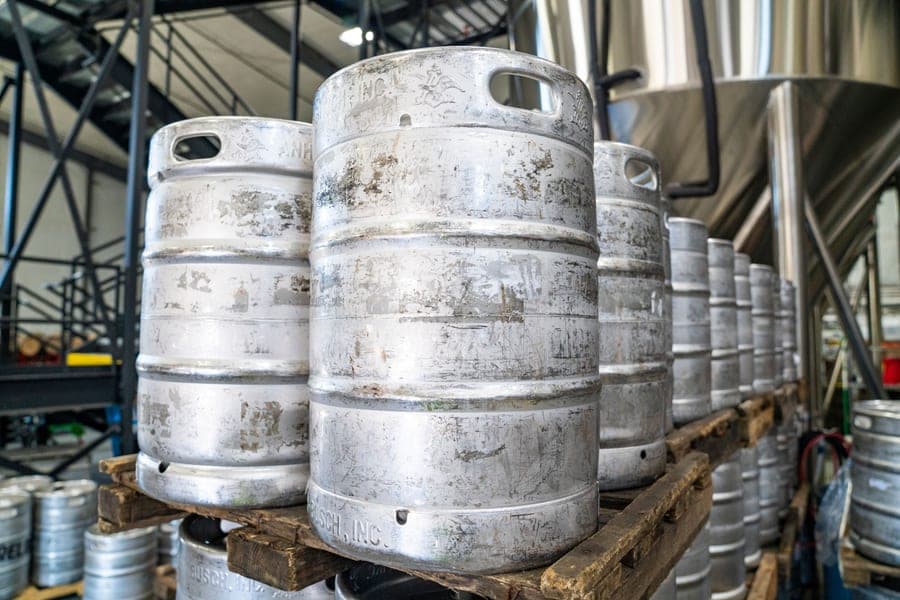
| 1 | Closest overall alternative KegLand KegMenter Fermenter 30 L This is the like-for-like swap. Ball-lock posts, rated for pressure fermentation and pressure transfer, a floating dip tube option, and a keg-style 304 stainless body instead of PET. Everything you already do with a FermZilla carries over unchanged: spund the ferment, transfer closed to a keg, never expose the beer to air. What changes is the vessel itself -- stainless does not scratch into a haze of micro-crevices the way plastic does, it does not go cloudy with repeated caustic cleaning, and it does not have a published service life. In the US it is stocked in a 7.6 gallon size with 13.2 and 15.3 gallon versions above it, so the size you buy is a batch decision rather than a compromise. | Brewers who want the FermZilla pressure workflow in stainless | |
| 2 | 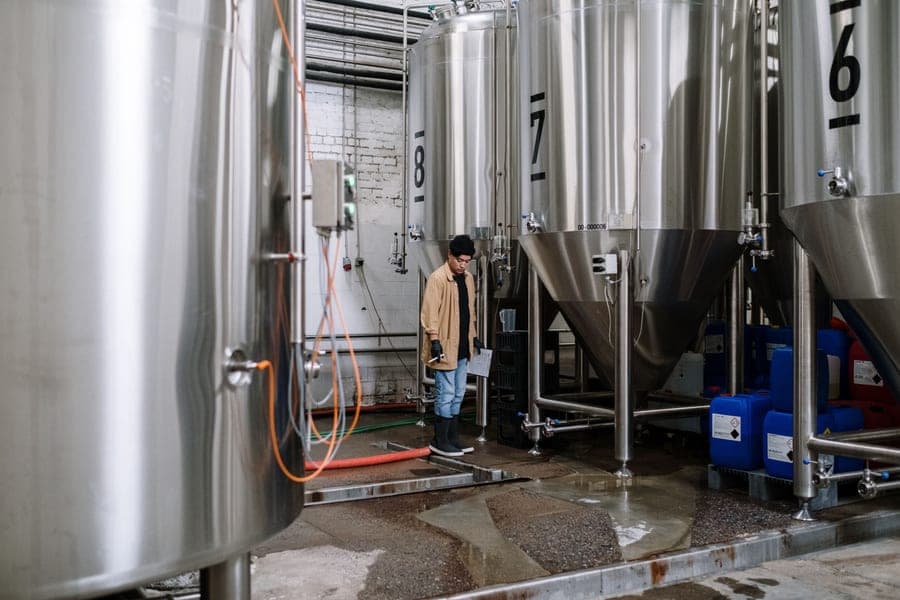 Best upgrade from a FermZilla Spike Brewing CF5 Conical Fermenter The Spike CF5 is what a FermZilla Tri-Conical is pointing at: a welded 304 stainless cone with no crevices to harbor anything, tri-clamp ports throughout, rated for pressure transfer and spunding, with a full cone and a dump valve so yeast and trub leave the vessel without opening it. The optional cooling coil and thermowell are the part that matters most for an upgrader, because they turn the fermenter into a temperature-controlled vessel rather than something that needs a chamber built around it. Bought once, this is the last 5 gallon fermenter most brewers buy. | Brewers who want the cone, the dump valve and glycol in one vessel they keep | |
| 3 |  Best non-pressure stainless alternative Ss Brewtech Brew Bucket If what sent you looking for an alternative is the plastic rather than the pressure, this is the honest answer. Polished 304 stainless, a 40 degree trub cone, a rotating racking arm so you can draw clear beer off above the yeast bed, a stainless ball valve and a silicone-gasketed lid. It is the cheapest route into a real stainless conical, it is sold by every major US homebrew retailer, and the 7 gallon size takes a 5 gallon batch with proper krausen headroom. | Brewers who want stainless and a trub cone but have decided pressure is not for them | |
| 4 |  Best budget alternative FerMonster 7 Gallon Wide Mouth Carboy If what you liked about the FermZilla was that it was cheap and you could see through it, this is the cheapest vessel that keeps both. A 7 gallon PET wide-mouth carboy with a 4 inch opening you can get a hand and a brush into, a screw cap, and enough headroom for a 5 gallon batch. It is light, it survives being dropped in a way glass does not, and at this price it is reasonable to own two and always have one free. | Replacing a FermZilla cheaply, or keeping a spare vessel in the rotation |
Prices are checked on Amazon when you click. We never print a number we cannot verify.
What the FermZilla does, and which alternative keeps each part of it
| Capability | FermZilla (PET) | KegMenter (stainless) | Spike CF5 (welded) |
|---|---|---|---|
| Material | Clear PET | 304 stainless | Welded 304 stainless |
| Pressure ferment | Yes, with the pressure kit | Yes, rated | Yes, rated |
| Closed transfer | Yes, ball lock posts | Yes, ball lock posts | Yes, tri-clamp |
| Trub cone | Yes on the Tri-Conical | No -- flat bottom | Yes, full cone with dump valve |
| See the ferment | Yes -- clear body | No -- opaque | No -- opaque |
| Glycol / cooling coil | External only | External only | Optional internal coil |
| Service life | Treat PET as a consumable | Years, decades with care | Effectively permanent |
| Price bracket | Lowest in this group | Mid | Highest, options extra |
An orange rule marks the better of the two on that row.
The original
What the FermZilla got right
The FermZilla is on this site in two forms and recommended in both, so be clear about why it earned the position. KegLand built a clear PET vessel that holds real fermentation pressure with the pressure kit fitted, put ball-lock posts on the lid, and sold it for a fraction of what stainless pressure vessels cost. That combination put spunding, pressure fermentation and closed transfers inside the budget of ordinary home brewers instead of brewers with a thousand dollars for a vessel.
It also did something no stainless vessel can: it let you watch. Krausen rising, the yeast crashing out, the beer going from opaque to bright -- all visible through the wall. For anyone learning what fermentation actually looks like, that is worth more than it sounds, and it is the first thing you lose by moving to any of the alternatives below.
So this is not a page about the FermZilla being bad. It is a page for the brewer who has used one, knows exactly which part of it is now the limitation, and wants to replace that specific part. The usual candidates are the material, the missing cone, and the cooling.
Criteria
The four reasons brewers look past a FermZilla
Alternatives only make sense against a reason. These are the four that come up, in the order they usually come up.
- The plastic wears out. PET is a good material that is not a permanent one. It scratches from brushes, scuffs from handling and clouds with repeated hot caustic cleaning, and a scratched interior is a place for bacteria to sit out a sanitizer contact time. Treating a PET vessel as a consumable is the correct approach, and the moment you resent replacing it is the moment stainless becomes cheaper.
- No cone, or the wrong cone. The All Rounder is cylindrical: trub stays on the floor and you rack off it. The Tri-Conical adds a collection butt, which genuinely works, but a molded plastic cone and valve is not the same thing as a welded cone with a dump valve. If your reason for upgrading is yeast harvesting, that is the detail -- harvesting yeast from a conical covers the sequence.
- Cooling that is not a chamber. Any of these vessels can be cooled by putting them in a fridge or a chamber. A vessel with an internal coil or a jacket is cooled directly, which is more precise, uses less space, and makes a cold crash fast rather than gradual. That is a different class of fermenter and it is the real line between a FermZilla and a CF5.
- Pressure rating you do not have to assemble. A FermZilla is pressure-capable with the pressure kit. A KegMenter or a CF5 is pressure-rated as sold. For most brewers this is a non-issue, but if you have ever been unsure whether a given lid, gasket and valve combination is actually rated for the pressure you are about to apply, a vessel that was built for it removes the question. The safety side of that is in the spunding valve guide.
The closest match
Why the KegMenter is the default swap
If you are already pressure fermenting with a FermZilla and the only thing you want to change is the material, the KegMenter is the answer and the decision is not complicated. Same ball-lock posts, same gas-in and liquid-out logic, same closed transfer to a keg, same spunding valve on top. The procedure in closed transfer to keg does not change at all. What changes is that the vessel stops being something you plan to replace.
The trade is the flat bottom. A keg-shaped fermenter has no cone, so trub and yeast stay under the beer until you move the beer away from them, which in practice means a floating dip tube that draws from the top of the liquid. That works -- it is what fermenting in a corny keg has always relied on, and the full comparison is in FermZilla vs KegMenter and fermenting in a keg. But it is not yeast harvesting, and if you reuse yeast it is a real downgrade from a Tri-Conical.
The upgrade
When the cone is worth the money
The Spike CF5 is the alternative for a brewer who has decided the fermenter is the center of the brewery rather than a container the beer waits in. Welded stainless with no crevices, tri-clamp ports, a full cone with a dump valve, pressure rated for transfer and spunding, and the option of an internal cooling coil and a thermowell so the vessel manages its own temperature.
The reason that last point matters is sequencing. A FermZilla in a fermentation fridge needs the fridge. A CF5 with a coil needs a glycol loop, which also serves the next vessel and the one after that. If you expect to run two or three fermentations at once in a few years, the coil is the decision that makes that possible without buying a bigger chamber -- glycol chiller vs fermentation fridge lays out the cost of each route honestly. Against an Ss Brewtech Unitank the choice turns on exactly that, in Spike CF5 vs Ss Brewtech Unitank.
The honest caution: do not buy a cone because cones are what serious brewers have. Buy it because you harvest yeast, or because you want to dump trub before a cold crash, or because you want cooling in the vessel. If none of those three are true, the KegMenter does everything you are actually doing for a lot less money.
Not pressure
If the plastic was the problem and pressure never was
There is a quiet group of brewers who bought a FermZilla for the price, never fitted the pressure kit, and now want stainless. For them, every pressure vessel on this page is money spent on a feature they do not use.
The Ss Brewtech Brew Bucket is the right answer there: polished 304 stainless, a 40 degree trub cone, a rotating racking arm that draws clear beer from above the yeast bed, and a price well under the pressure-rated vessels. It will not spund and it will not do a closed transfer under pressure, and that is the whole point of choosing it. Our longer assessment is in the Brew Bucket review, and the material argument in general is in stainless vs plastic fermenters.
If you are not sure which group you are in, the deciding question is whether you have ever wanted to serve a beer sooner than fermentation-plus-carbonation allows. Pressure fermentation is what compresses that timeline -- is pressure fermentation worth it answers it with the trade-offs rather than the enthusiasm.
Also considered
Vessels that did not make the picks
Craft A Brew Catalyst. A clear PET conical on a stand with a true bottom dump valve, which makes it the closest thing to a see-through cone at a sane price. It is not in the picks because stock is inconsistent: when this page was written it was listed as available at Craft A Brew and at one specialist retailer but out of stock at MoreBeer. Worth buying if you find it in stock and the cone plus visibility is exactly what you want.
Ss Brewtech Unitank. The direct competitor to the CF5 rather than to the FermZilla: jacketed, pressure capable, carbonation stone compatible. If your shortlist has reached this price bracket you are no longer shopping for a FermZilla alternative, you are shopping for a unitank -- best unitanks is the page for that.
A corny keg you already own. Free, if you keg. A 5 gallon ball-lock keg is a pressure vessel with posts on top, and fermenting in it works with a floating dip tube and a spunding valve. It is cramped for a 5 gallon batch and krausen will find the gas post eventually, but as a way to try pressure fermentation before buying anything it is unbeatable -- FermZilla vs corny keg compares them directly.
Where this sits
The order to spend in
One ordering point, because fermenters are where upgraders most often spend out of sequence. A stainless pressure vessel in an uncontrolled room makes worse beer than a PET vessel at a steady 66°F. If your fermentation temperature still follows the room, buy the control first -- fermentation temperature control is the higher-return purchase and it is not close.
With control in place, the vessel upgrade is the next real step, and the sizing question is genuinely worth thinking about before the material one: what size conical fermenter. For the full ranked field rather than this comparison, see the best pressure fermenters and the best conical fermenters.
Whichever vessel you land on, the controller running the chamber around it matters more than the badge on the tank. If the one you own is at the limit of its relay, the replacements worth buying are in Inkbird ITC-308 alternatives.
How we picked
The basis for these
Capacities, materials, pressure ratings and port configurations are the manufacturers’ published figures. US availability was checked against live retail listings on 14 November 2026: the KegMenter in 7.6, 13.2 and 15.3 gallon sizes at MoreBeer, the Ss Brewtech Brew Bucket 2.0 at MoreBeer, the Spike CF5 at Spike Brewing, and the FerMonster carboy at US homebrew retailers. The Craft A Brew Catalyst was excluded from the picks because its stock status disagreed between retailers on that date. We have not run these four vessels side by side on the same wort and do not claim to -- see how we pick.
The picks, in order
Every pick in detail
#1
Closest overall alternative
Mid tier
KegLand KegMenter Fermenter 30 L
KegLand
This is the like-for-like swap. Ball-lock posts, rated for pressure fermentation and pressure transfer, a floating dip tube option, and a keg-style 304 stainless body instead of PET. Everything you already do with a FermZilla carries over unchanged: spund the ferment, transfer closed to a keg, never expose the beer to air. What changes is the vessel itself -- stainless does not scratch into a haze of micro-crevices the way plastic does, it does not go cloudy with repeated caustic cleaning, and it does not have a published service life. In the US it is stocked in a 7.6 gallon size with 13.2 and 15.3 gallon versions above it, so the size you buy is a batch decision rather than a compromise.
Spec sheet
- Capacity
- 30 L / 7.9 gal (also 40 L and 58 L)
- Material
- 304 stainless, keg-style body
- Pressure
- Rated for pressure fermentation and transfer
- Shape
- Flat bottom -- no trub cone
- Ports
- Ball lock posts, floating dip tube option
- Opacity
- Opaque -- you cannot see the krausen
What it is not good at
It is flat-bottomed, so there is no trub cone and no dumping yeast: at the end of fermentation your trub is still sitting under the beer and you rack off it with a floating dip tube. It is also opaque, which after a FermZilla is a genuine loss -- you cannot see the krausen rise, you cannot see when it drops, and you cannot see the clarity before you transfer. You will be using a hydrometer or a wireless hydrometer instead of your eyes.
Who it is for
Brewers who want the FermZilla pressure workflow in stainless
#2
Best upgrade from a FermZilla
Prosumer tier
Spike Brewing CF5 Conical Fermenter
Spike Brewing
The Spike CF5 is what a FermZilla Tri-Conical is pointing at: a welded 304 stainless cone with no crevices to harbor anything, tri-clamp ports throughout, rated for pressure transfer and spunding, with a full cone and a dump valve so yeast and trub leave the vessel without opening it. The optional cooling coil and thermowell are the part that matters most for an upgrader, because they turn the fermenter into a temperature-controlled vessel rather than something that needs a chamber built around it. Bought once, this is the last 5 gallon fermenter most brewers buy.
Spec sheet
- Capacity
- 8 gal / 30 L (5 gal batch)
- Material
- Welded 304 stainless, no crevices
- Pressure
- Rated for pressure transfer and spunding
- Ports
- Tri-clamp throughout
- Cone
- Full cone with a dump valve
- Options
- Cooling coil, thermowell, CIP arm
What it is not good at
It is several times the cost of a FermZilla before you add the coil, the thermowell or the CIP arm, and those options are where the real money goes. Welded stainless is also heavy and awkward to move full, it needs a stand or a bench at the right height, and tri-clamp fittings mean buying gaskets and clamps as consumables. If your batches are irregular or your space is temporary, this is more vessel than the situation justifies.
Who it is for
Brewers who want the cone, the dump valve and glycol in one vessel they keep
#3
Best non-pressure stainless alternative
Mid tier
Ss Brewtech Brew Bucket
Ss Brewtech
If what sent you looking for an alternative is the plastic rather than the pressure, this is the honest answer. Polished 304 stainless, a 40 degree trub cone, a rotating racking arm so you can draw clear beer off above the yeast bed, a stainless ball valve and a silicone-gasketed lid. It is the cheapest route into a real stainless conical, it is sold by every major US homebrew retailer, and the 7 gallon size takes a 5 gallon batch with proper krausen headroom.
Spec sheet
- Capacity
- 7 gal / 26 L (5 gal batch)
- Cone angle
- 40 degrees
- Valve
- Rotating racking arm, stainless ball valve
- Lid
- Silicone-gasketed, non-pressure
- Material
- Polished 304 stainless
- Pressure rated
- No
What it is not good at
It is not pressure rated. No spunding, no pressure ferment, no closed transfer under CO2 pressure -- if you want those, this is the wrong vessel and the KegMenter or the CF5 is the right one. The cone is a trub cone, not a dump cone: there is no bottom valve, so harvesting yeast means opening the lid or racking it out. Polished stainless also shows every water spot, which is cosmetic but annoying.
Who it is for
Brewers who want stainless and a trub cone but have decided pressure is not for them
#4
Best budget alternative
Entry tier
FerMonster 7 Gallon Wide Mouth Carboy
FerMonster
If what you liked about the FermZilla was that it was cheap and you could see through it, this is the cheapest vessel that keeps both. A 7 gallon PET wide-mouth carboy with a 4 inch opening you can get a hand and a brush into, a screw cap, and enough headroom for a 5 gallon batch. It is light, it survives being dropped in a way glass does not, and at this price it is reasonable to own two and always have one free.
Spec sheet
- Capacity
- 7 gal / 26 L
- Opening
- 4 in wide mouth
- Material
- PET
What it is not good at
It does nothing clever. No pressure rating, no cone, no ports, no dump valve -- it is a bucket you can see through, and harvesting yeast or transferring closed is not part of its vocabulary. PET also scratches, and a scratched fermenter is a sanitation question rather than a cosmetic one, so plan on replacing it every few years rather than treating it as permanent.
Who it is for
Replacing a FermZilla cheaply, or keeping a spare vessel in the rotation
FAQ
Questions brewers actually ask
What is the best alternative to a FermZilla?
The KegLand KegMenter, for most people. It keeps the parts of the FermZilla that matter -- ball-lock posts, pressure fermentation, closed transfer to a keg -- and changes the vessel from PET to 304 stainless, so it stops being something you expect to replace. The trade is that it is flat-bottomed and opaque: no trub cone, and you cannot watch the ferment.
Is a stainless fermenter actually better than a FermZilla?
Better in durability and cleaning tolerance, not in brewing result. The same beer fermented at the same temperature and pressure comes out the same from either vessel. What stainless buys you is a surface that does not scratch into micro-crevices, tolerates hot caustic cleaning indefinitely, and has no practical service life. What it costs you is the ability to see what is happening inside.
Can I pressure ferment in a vessel that is not rated for it?
No. Fermentation pressure in an unrated vessel is a safety problem, not a performance one. Use a vessel the manufacturer rates for pressure fermentation, fit a spunding valve so the pressure has a defined ceiling, and never rely on a lid or gasket combination that was not sold for the job. A KegMenter, a Spike CF5 and a FermZilla with its pressure kit are all rated; a plain bucket or carboy is not.
Do I lose yeast harvesting if I move from a Tri-Conical to a KegMenter?
Yes, in practice. A KegMenter is flat-bottomed, so there is no cone to collect yeast and no bottom valve to dump it through. You draw beer off the top with a floating dip tube and the yeast cake stays in the vessel. If reusing yeast is part of your process, the alternative to buy is a welded conical with a dump valve, such as the Spike CF5.
How long does a FermZilla last?
Treat PET as a consumable rather than a fixed number of batches. Service life depends on how it is cleaned and handled: brushes, abrasive cleaning and repeated hot caustic all shorten it, and the visible sign is scratching and clouding. Once the interior is scratched, sanitation is no longer reliable, and that is the point to replace it rather than a date on a calendar.
Is the Ss Brewtech Brew Bucket pressure rated?
No. It is an atmospheric fermenter with a silicone-gasketed, non-pressure lid. It gives you stainless, a 40 degree trub cone and a rotating racking arm at a lower price than pressure-rated stainless, but no spunding, no pressure fermentation and no pressure transfer. If you want those, the KegMenter or a welded conical is the vessel to look at.
Sources
- KegMenter fermentation keg, 7.6 gallon US listing: stainless, pressure rated, ball lock posts (MoreBeer)
- KegMenter 13.2 gallon US listing and stock status (MoreBeer)
- FermZilla range: PET construction, pressure kit, Tri-Conical collection butt (KegLand)
- Spike CF5 conical: welded 304 stainless, tri-clamp ports, cooling coil and thermowell options (Spike Brewing)
- Ss Brewtech 7 gallon Brew Bucket 2.0 US listing: 40 degree cone, rotating racking arm (MoreBeer)
- Craft A Brew Catalyst fermentation system: PET conical with bottom dump valve, current availability (Craft A Brew)
Read next
More on fermenters
Comparison
FermZilla Conical vs All Rounder
Whether the collection butt justifies the extra height and cleaning.
Roundup
The Best Pressure Fermenters
Genuinely rated pressure vessels, and what the working kit really costs.
Comparison
Stainless vs Plastic Fermenters
Durability, sanitation and real cost per year, honestly compared.
Review
FermZilla All Rounder Review
Pressure capability at the lowest price, with the kit caveat spelled out.
Roundup
The Best Conical Fermenters
Stainless, plastic and pressure-capable conicals compared, with chamber-fit warnings.