Roundup
The Best Fermentation Temperature Controllers
The cheapest purchase that measurably improves beer. Dual stage, and the probe goes on the fermenter.
The short answer
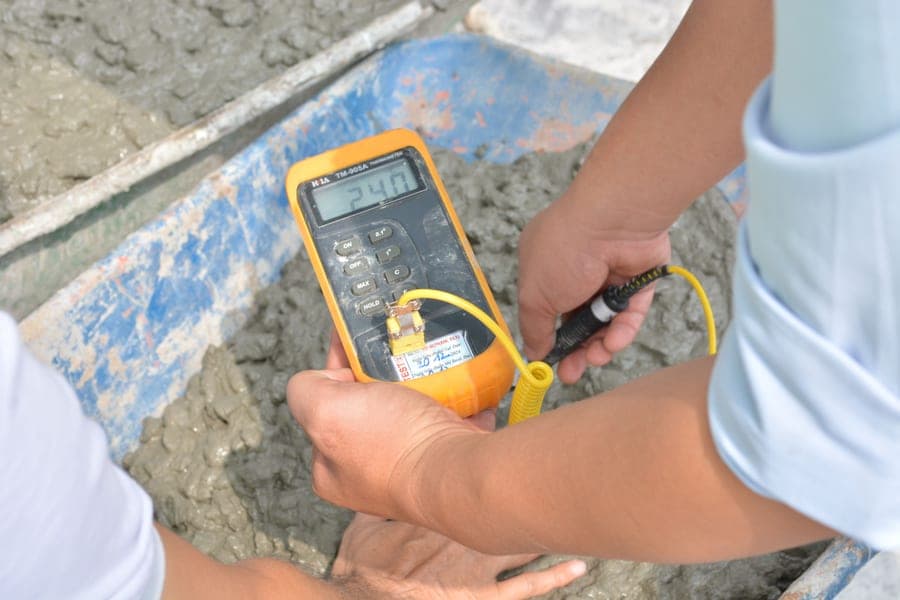
The Inkbird ITC-308 is the best fermentation temperature controller for most homebrewers: two switched outlets for a cooling and a heating device, a user-calibratable NTC probe, and a configurable compressor delay. Step up to a programmable ITC-310T if you want timed ramps for diacetyl rests or a scheduled cold crash.
DisclosureWe earn a commission on qualifying purchases made through links on this page, at no extra cost to you. It does not change what we recommend or how we rank it -- here is how we pick and here is the full disclosure.
At a glance
Quick picks
| # | Product | Best for | Price |
|---|---|---|---|
| 1 | Best overall Inkbird ITC-308 Dual-Stage Temperature Controller Two switched outlets at around 1100W each -- one cooling, one heating -- a 2 m NTC probe, a user calibration offset and a configurable compressor delay. Everything the job needs and nothing it does not. | Any freezer or fridge conversion, which is most homebrewers | |
| 2 | 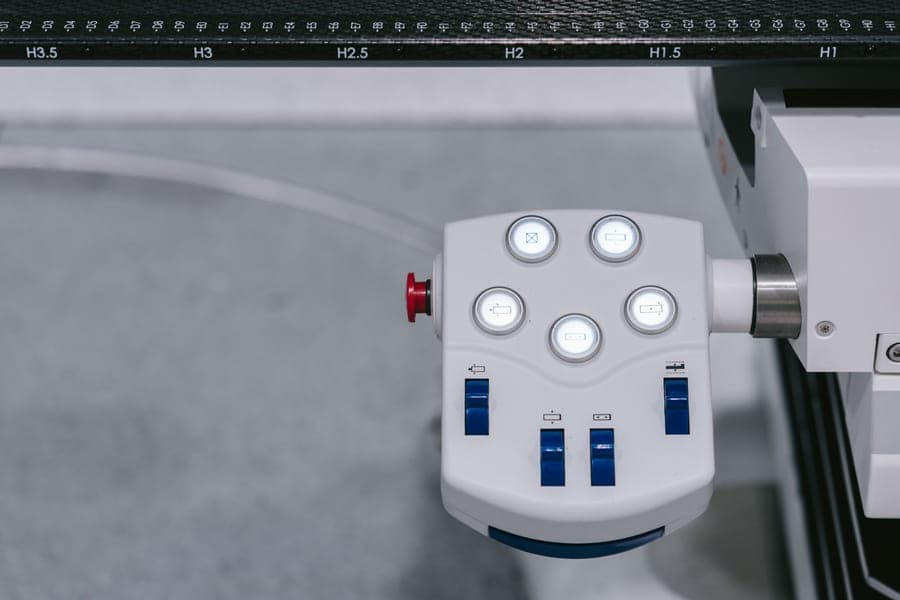 Best programmable Inkbird ITC-310T Programmable Controller Time-programmable across multiple periods, so you can schedule a fermentation ramp, a diacetyl rest and a cold crash in advance and leave it alone. | Brewers who want ramped schedules without standing over it | |
| 3 | 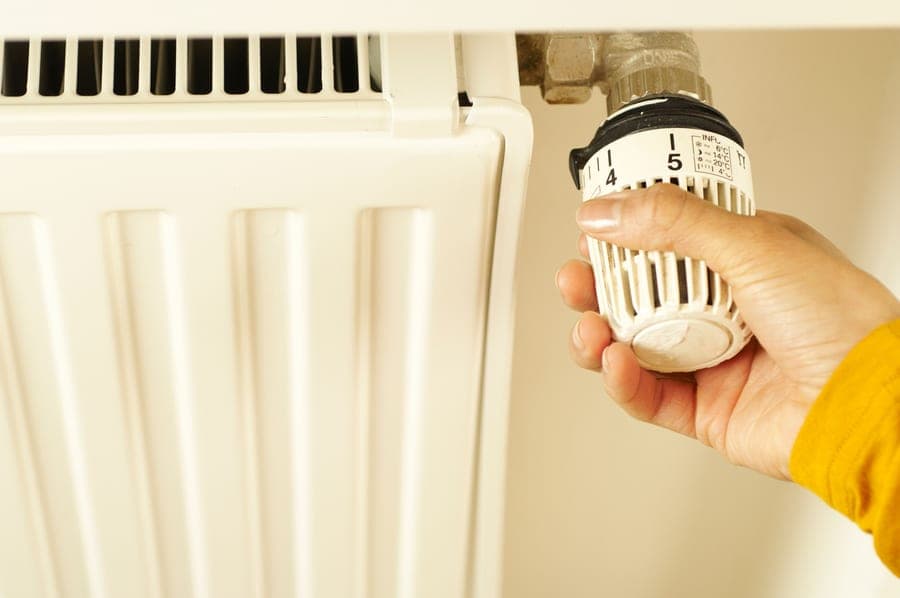 The other half of dual stage FermWrap Fermenter Heater A flexible wrap heater on the heating outlet is what makes a dual-stage controller actually dual stage. Without it, the second outlet does nothing. | Chambers in cold garages and basements | |
| 4 | 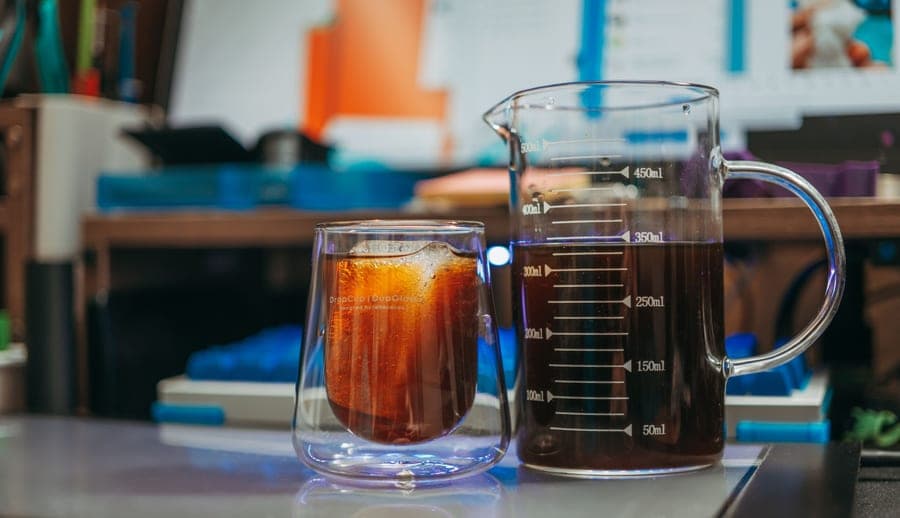 The monitoring companion Tilt Bluetooth Hydrometer and Thermometer Reports gravity and temperature continuously from inside the beer, which turns 'I think it is at 66' into a visible curve and confirms when fermentation is actually finished. | Knowing whether the control is working |
Prices are checked on Amazon when you click. We never print a number we cannot verify.
What to look for in a controller
| Feature | Why it matters | What to want |
|---|---|---|
| Dual stage | A cold garage needs heating, not just cooling | Two switched outlets |
| Outlet rating | Must carry a compressor's start-up surge | ~1100W per outlet |
| Compressor delay | Short-cycling kills compressors | Configurable, 3+ min |
| Differential | Too tight means constant cycling | Settable, 1-2 F |
| Calibration offset | Probes read a degree or two off | User adjustable |
| Probe lead length | Needs to reach the fermenter | 2 m or more |
| Programmable steps | Ramps and timed rests | Optional, not essential |
What it does
It overrides the appliance thermostat
A fridge or freezer thermostat holds the temperature the appliance was designed for, and neither can be set to 66°F. A dual-stage controller solves this by taking over: you set the appliance to its coldest position, plug the appliance into the controller’s cooling outlet rather than the wall, and the controller switches the compressor on and off to hold your setpoint.
Dual stage means there is a second outlet for heat. That is what lets a chamber in a 40°F garage hold 66°F, with a wrap heater doing the work when the chamber drifts below target. A cooling-only controller is half a solution and will fail you in winter.
The rule that matters most
Put the probe on the fermenter
This single detail affects your beer more than which controller you buy. Active fermentation generates real heat -- enough that beer can sit six degrees warmer than the air around it during the first 48 hours. A probe hanging in the air therefore reports 66°F while the yeast works at 72°F and produces the fruity esters and harsh fusel alcohols you built the chamber to prevent.
Tape the probe to the side of the fermenter and cover it with a scrap of insulation or bubble wrap. Or use a thermowell if the vessel has one, which puts the probe in the liquid itself. A cheap controller measuring the beer outperforms an expensive one measuring the air, and it is not close.
Programmable or not
Whether you need scheduled steps
A simple dual-stage controller holds one setpoint until you change it. A programmable one walks through a timed schedule: ferment at 66°F for four days, ramp to 70°F for a diacetyl rest, then crash to 34°F for 48 hours, all without you touching it.
How much that is worth depends on what you brew. The majority of ale recipes are a single held temperature with an optional free rise at the end, and changing a setpoint by hand twice is not a hardship. If you brew lagers regularly -- where a timed diacetyl rest and a controlled lagering ramp genuinely matter -- the scheduling stops being a convenience and becomes the reason to buy.
Control and monitoring are different jobs
Why you may want both
A controller holds a temperature. It does not tell you whether fermentation is progressing, stalling or finished -- for that you need gravity, and a controller has no idea what the gravity is.
A floating bluetooth hydrometer reports gravity and temperature continuously from inside the beer, which turns “I think it finished” into a visible curve. A flat curve for 48 hours is the only reliable signal that fermentation is complete, and an airlock that has stopped bubbling tells you nothing. See the Tilt hydrometer review and hydrometer vs refractometer.
The picks, in order
Every pick in detail
#1
Best overall
Entry tier
Inkbird ITC-308 Dual-Stage Temperature Controller
Inkbird
Two switched outlets at around 1100W each -- one cooling, one heating -- a 2 m NTC probe, a user calibration offset and a configurable compressor delay. Everything the job needs and nothing it does not.
Spec sheet
- Stages
- Dual -- one heating and one cooling outlet
- Outlet rating
- ~1100W per outlet
- Probe
- NTC sensor on a 2 m lead
- Calibration
- User offset
- Compressor delay
- Configurable
- Wifi version
- ITC-308 Wifi sold separately
What it is not good at
No scheduling, so a diacetyl rest or a timed cold crash means changing the setpoint by hand. Single probe, so one vessel per controller.
Who it is for
Any freezer or fridge conversion, which is most homebrewers
#2
Best programmable
Mid tier
Inkbird ITC-310T Programmable Controller
Inkbird
Time-programmable across multiple periods, so you can schedule a fermentation ramp, a diacetyl rest and a cold crash in advance and leave it alone.
Spec sheet
- Stages
- Dual, time-programmable
- Steps
- Up to 12 programmed periods
- Use
- Ramped rest and cold crash
What it is not good at
More setup complexity than most brewers need, and the majority of recipes are a single held temperature anyway.
Who it is for
Brewers who want ramped schedules without standing over it
#3
The other half of dual stage
Entry tier
FermWrap Fermenter Heater
FermWrap
A flexible wrap heater on the heating outlet is what makes a dual-stage controller actually dual stage. Without it, the second outlet does nothing.
Spec sheet
- Type
- Flexible wrap heater
- Power
- ~40W
- Pairs with
- Dual-stage controller
What it is not good at
Must be controlled -- an unregulated heater against a fermenter overshoots badly.
Who it is for
Chambers in cold garages and basements
#4
The monitoring companion
Mid tier
Tilt Bluetooth Hydrometer and Thermometer
Tilt
Reports gravity and temperature continuously from inside the beer, which turns 'I think it is at 66' into a visible curve and confirms when fermentation is actually finished.
Spec sheet
- Measures
- Specific gravity and temperature
- Method
- Floating inclinometer
- Link
- Bluetooth LE
- Logging
- Phone app, cloud, Google Sheets
- Battery
- User-replaceable coin cell
- Pro version
- Tilt Pro adds resolution and a longer body
What it is not good at
A monitor, not a controller -- it reports, it does not switch anything.
Who it is for
Knowing whether the control is working
FAQ
Questions brewers actually ask
What is the best temperature controller for homebrewing?
The Inkbird ITC-308 for most brewers. It has two switched outlets so it can run both a cooling appliance and a heater, a calibratable NTC probe on a 2 meter lead, and a configurable compressor delay to protect the appliance. Step up to a programmable model such as the ITC-310T only if you want timed ramps and scheduled rests.
What does dual stage mean on a temperature controller?
It has two independently switched outlets: one for a cooling device and one for a heating device. That matters because a chamber in an unheated garage in winter sits below ale fermentation temperature, and a cooling-only controller can do nothing about it. The heating outlet runs a wrap heater to hold the setpoint from below.
Where do I put the temperature probe?
Taped to the side of the fermenter under a scrap of insulation, or in a thermowell if the vessel has one. Never hanging in the air. Active fermentation generates enough heat that beer can be six degrees warmer than the air around it, so an air probe reports a perfect setpoint while the yeast works far too warm and produces harsh flavors.
What compressor delay should I set?
Three minutes or more. Compressors are damaged by short cycling -- restarting before the refrigerant pressure has equalized -- and a delay prevents that. Pair it with a differential of one to two degrees so the controller is not hunting constantly, which also reduces wear.
Do I need a programmable temperature controller?
Only if you brew styles that benefit from timed schedules. Most ale recipes are a single held temperature with an optional free rise at the end, and changing a setpoint by hand twice is trivial. If you brew lagers regularly, where a timed diacetyl rest and a controlled lagering ramp genuinely matter, programmable scheduling becomes the reason to buy.
Can a temperature controller tell me when fermentation is finished?
No, it only knows temperature. Fermentation progress is a gravity measurement, and a controller has no gravity sensor. Use a hydrometer -- two identical readings 48 hours apart -- or a floating bluetooth hydrometer that logs gravity continuously. An airlock that has stopped bubbling proves nothing.
Sources
Read next
More on temperature control
Guide
Fermentation Temperature Control
Target temperatures, probe placement and the first 48 hours that decide flavor.
Roundup
The Best Fermentation Chambers
Chest freezer, upright fridge or build -- compared on height and running cost.
Guide
DIY Fermentation Chamber Build
The build, the settings, and the condensation and airflow details.
Review
Tilt Hydrometer Review
Continuous gravity logging reviewed -- what it tells you and what it does not.
Roundup
The Best Glycol Chillers for Homebrewing
Glycol chillers sized for homebrewing, and when a freezer is the better buy.