Comparison
Glycol Chiller vs Fermentation Fridge
A fridge cools the air around the beer. Glycol cools the beer through the vessel wall. The difference is control, and height.
The short answer
A fermentation fridge or freezer with a dual-stage controller is the right choice for most homebrewers: same temperature stability, a fraction of the purchase and running cost. Glycol is worth it when your vessel is too tall for any chamber, when you run several vessels at different temperatures, or when you crash cool often.

DisclosureWe earn a commission on qualifying purchases made through links on this page, at no extra cost to you. It does not change what we recommend or how we rank it -- here is how we pick and here is the full disclosure.
Air cooling against direct cooling
| Fermentation fridge / freezer | Glycol chiller | |
|---|---|---|
| What it cools | The air around the vessel | The vessel wall directly |
| Purchase cost | Low, used appliances are cheap | High |
| Running cost | Lowest per degree | Higher |
| Vessel height limit | Hard limit | None |
| Vessels per unit | What fits in the box, one temperature | Several, independent setpoints |
| Crash cool speed | Most of a day | Hours |
| Thermal lag | Significant across the air gap | Minimal |
| Extra hardware needed | None | Jacket or coil, insulated lines, glycol |
| Installation | Plug in | Plumbing, airflow, exhaust path |
| Doubles as a kegerator | Yes | No |
An orange rule marks the better of the two on that row.
The mechanism
Why direct cooling controls better
A fermentation fridge cools air, and the air then has to pull heat out of the beer through the vessel wall. That works, and it introduces lag: during active fermentation the beer generates heat faster than the air can remove it, so the beer sits warmer than the air and the controller chases it.
A glycol loop removes heat through the vessel wall itself, either via a jacket built into the wall or a stainless coil sitting in the beer. There is no air gap, so response is quick and the beer tracks the setpoint closely. It is genuinely better control, and it is why commercial breweries use glycol rather than large refrigerated rooms.
For a homebrewer, though, “better control” mostly means holding 66°F instead of 66°F plus a degree of overshoot, which is not a difference you will taste. The reasons to buy glycol are practical rather than qualitative.
The real reasons to buy glycol
Three, and they are all structural
- Your vessel does not fit. The most common and most legitimate reason. A welded conical with a full cone and a stand is taller than a 5 cubic foot chest freezer is deep. Glycol cools the vessel wherever it stands, so height stops being a constraint at all. This is why welded conicals and glycol loops go together.
- Several vessels, different temperatures. A chamber holds one temperature for everything inside it. One chiller can feed several jacketed or coiled vessels, each independently controlled -- so a lager at 50°F can sit beside an ale at 68°F.
- Frequent crash cooling. Dropping a batch from 66°F to 34°F in a chamber takes most of a day because heat has to cross the air gap. Through a jacket it takes hours. If you do it every batch, that compounds.
The cheaper middle path
A coil, not a jacket
One thing worth knowing before assuming glycol means a unitank: you do not need a jacketed vessel. A stainless cooling coil dropped into a regular conical, fed by the same glycol loop, cools the beer directly in exactly the same way for a fraction of the vessel cost. Several conicals offer a coil as a factory option precisely so you can get jacket-style cooling without buying a unitank.
So the real glycol decision is often: a conical with a coil option plus a 1/4 HP chiller, versus a shorter vessel plus a used freezer. Both are legitimate -- conical vs unitank and how glycol chillers work cover the detail.
What does not change
Probe placement, either way
Whichever you build, the probe goes on the beer rather than in the air. In a chamber that means taping the probe to the fermenter wall under insulation; with glycol it usually means a thermowell in the vessel. A cheap controller measuring the beer beats an expensive one measuring the air, and that is true of both approaches -- fermentation temperature control.
Our verdict
Which one should you buy?
Build a chamber if
Chest Freezer Fermentation Chamber (with controller)
- Your fermenter fits in a chest freezer or upright fridge
- You run one batch at a time
- Purchase and running cost matter
- You want the appliance to double as a kegerator later
Buy glycol if
Penguin Chillers Glycol Chiller
- No chamber you can fit will take your vessel
- You run several vessels at different temperatures
- You crash cool every batch and want it fast
- Your vessel has a jacket or a cooling coil option
What we recommend
The products on this page
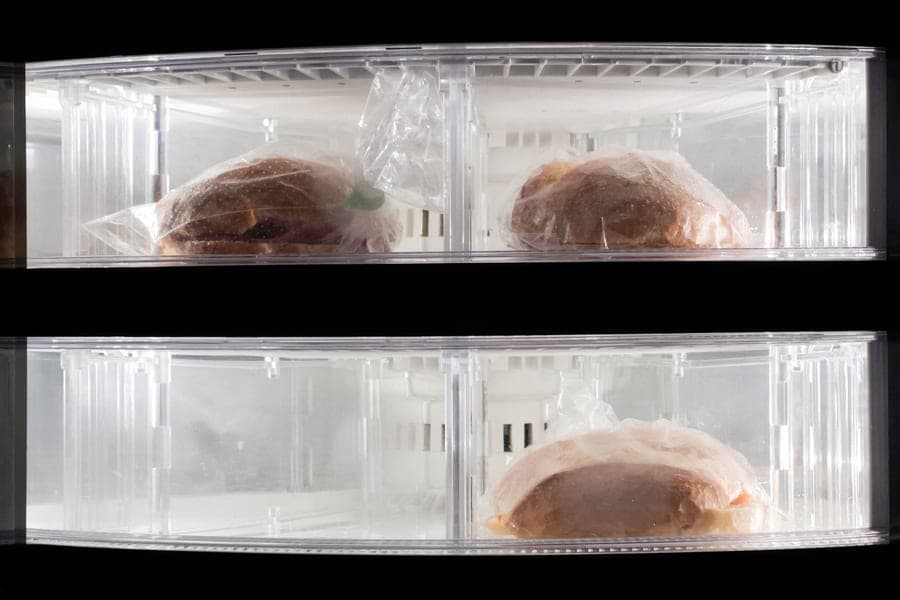
Right for most brewers
Mid tier
Chest Freezer Fermentation Chamber (with controller)
Chest freezer + Inkbird
A used chest freezer plus a dual-stage controller holds a setpoint within a degree for a small fraction of glycol money, and costs far less to run.
Spec sheet
- Approach
- Chest freezer with an external dual-stage controller
- Capacity
- 5-7 cu ft fits one or two 5 gal fermenters
- Range
- Lager temps through a 32 F cold crash
- Heat side
- Pair with a wrap heater for winter ale temps
- Energy
- Cheapest running cost per degree of any method
- Limitation
- Vessel height is the binding constraint
What it is not good at
Vessel height is the hard limit, and one chamber holds one temperature for everything inside it.
Who it is for
One or two 5 gallon fermenters that fit a chest freezer
Right when a chamber cannot work
Prosumer tier
Penguin Chillers Glycol Chiller
Penguin Chillers
Cools the vessel wall directly, so height stops mattering, several vessels can run at different temperatures from one chiller, and a crash takes hours rather than a day.
Spec sheet
- Capacity
- 1/4 HP and larger units sold
- Medium
- Propylene glycol / water mix
- Pump
- Submersible pump in the reservoir
- Control
- Digital setpoint on the chiller
- Vessels served
- Typically 1-2 jacketed or coiled fermenters
- Ambient
- Needs airflow and a warm-air escape path
What it is not good at
Substantially more to buy and to run. Needs a jacketed vessel or a cooling coil, airflow and insulated lines.
Who it is for
Tall vessels, multiple setpoints, frequent crash cooling
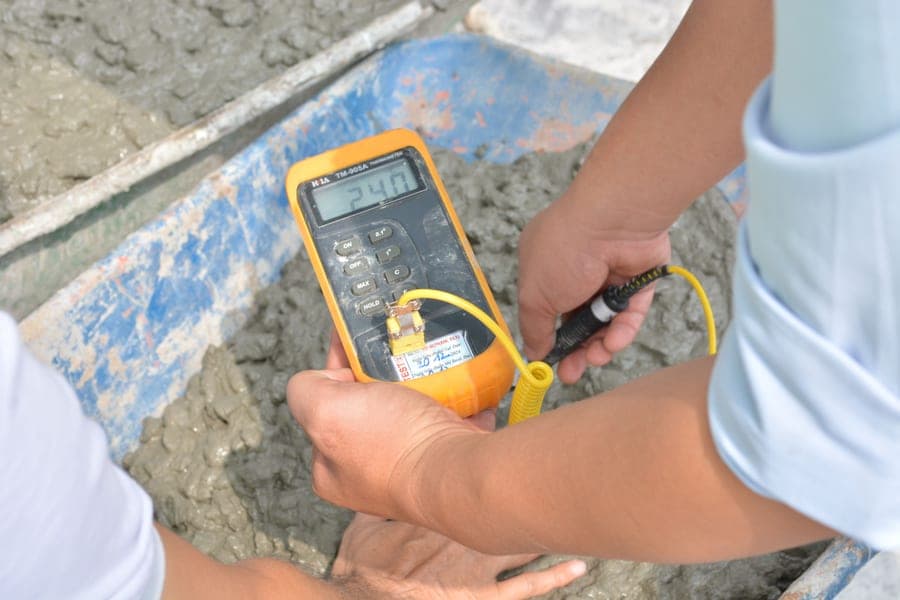
Needed either way
Entry tier
Inkbird ITC-308 Dual-Stage Temperature Controller
Inkbird
The controller is what makes either approach work, and the probe placement rule applies identically to both.
Spec sheet
- Stages
- Dual -- one heating and one cooling outlet
- Outlet rating
- ~1100W per outlet
- Probe
- NTC sensor on a 2 m lead
- Calibration
- User offset
- Compressor delay
- Configurable
- Wifi version
- ITC-308 Wifi sold separately
What it is not good at
One probe per controller, so multiple vessels mean multiple controllers.
Who it is for
Any chamber conversion, and per-vessel glycol control
FAQ
Questions brewers actually ask
Is a glycol chiller better than a fermentation fridge?
Technically yes, practically usually not worth it. Glycol cools the vessel wall directly rather than cooling air, so response is faster and control tighter, and height stops being a constraint. But a chest freezer with a dual-stage controller holds a setpoint within a degree for a small fraction of the purchase and running cost, and that degree of difference is not something you will taste.
When is a glycol chiller worth buying for homebrewing?
Three situations. Your fermenter is too tall for any chamber you can fit, which is the most common and most legitimate reason. You run several vessels at different temperatures, which a single chamber cannot do. Or you crash cool every batch and want it done in hours rather than most of a day.
Do I need a jacketed fermenter to use glycol?
No. A stainless cooling coil dropped into a regular conical, fed by the same glycol loop, cools the beer directly in exactly the same way as a built-in jacket and costs a fraction of a unitank. Several conicals offer a coil as a factory option specifically to make this possible, so the coil is usually the sensible route.
Does a glycol chiller cost more to run than a fridge?
Yes. A chest freezer at a serving or fermentation setpoint is the cheapest cooling per degree available to a homebrewer, because it is extremely well insulated and loses almost no cold air. A glycol chiller circulates fluid continuously and rejects heat into the room, and it is a larger refrigeration unit to begin with.
Can I use a glycol chiller as a kegerator?
Not usefully. A glycol loop cools a vessel it is plumbed to, not a space, so it cannot chill kegs sitting in a cabinet. A fermentation fridge or freezer by contrast can serve as a kegerator, a lagering fridge or a cold-crash chamber, which makes the appliance the more versatile purchase if versatility matters to you.
Read next
More on temperature control
Roundup
The Best Glycol Chillers for Homebrewing
Glycol chillers sized for homebrewing, and when a freezer is the better buy.
Guide
How Glycol Chillers Work
The loop explained, why propylene glycol, and the three installation mistakes.
Roundup
The Best Fermentation Chambers
Chest freezer, upright fridge or build -- compared on height and running cost.
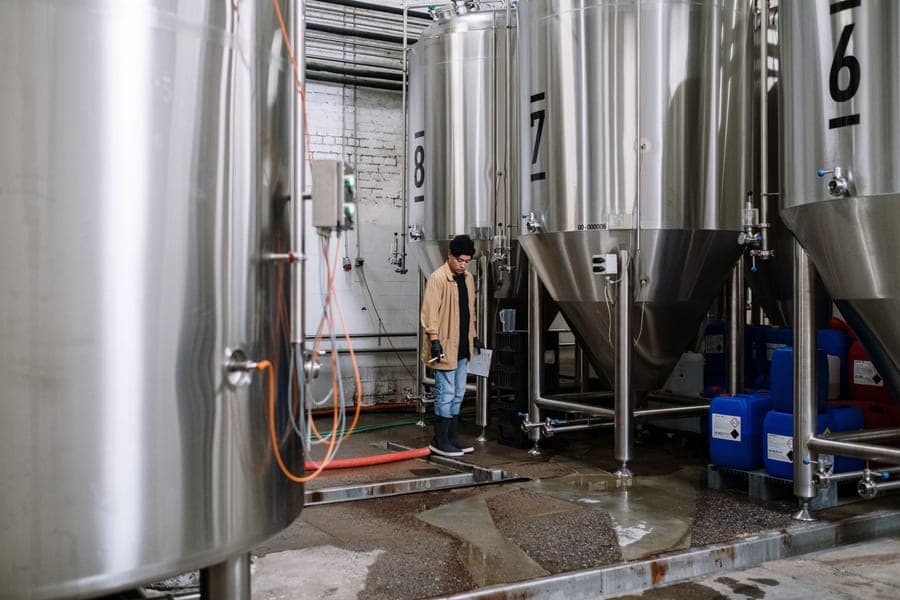
Comparison
Conical Fermenter vs Unitank
What the glycol jacket and pressure rating add, and whether you need them.

Guide
Fermentation Temperature Control
Target temperatures, probe placement and the first 48 hours that decide flavor.
Roundup
The Best Wort Chillers
Immersion, counterflow and plate chillers compared on the trades that matter.