Roundup
The Best Brew Kettles
Buy 50 percent larger than your batch, and understand welded against stamped. Those two decisions are the whole purchase.
The short answer
Buy a 10 gallon kettle for 5 gallon batches and 15 gallons for 10 gallon batches -- pre-boil volume plus hot break foam needs the headroom. A Spike Brewing kettle with welded tri-clamp ferrules is the buy-once option; a Bayou Classic is the sensible first 10 gallon kettle at a fraction of the price.
DisclosureWe earn a commission on qualifying purchases made through links on this page, at no extra cost to you. It does not change what we recommend or how we rank it -- here is how we pick and here is the full disclosure.
At a glance
Quick picks
| # | Product | Best for | Price |
|---|---|---|---|
| 1 | 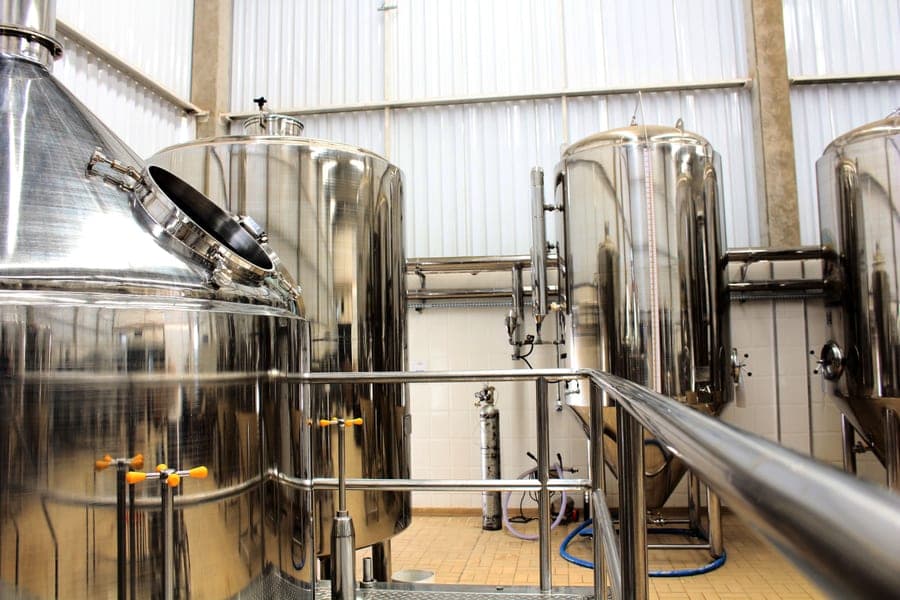 Best overall Spike Brewing Kettle (10 or 15 Gallon) Welded tri-clamp ferrules, a tri-clad base that works on induction and gas, an etched internal volume scale and a lifetime warranty on the vessel. Every fitting takes a standard replaceable gasket. | Brewers buying a kettle for the next twenty years | |
| 2 | Best value Bayou Classic Stainless Brew Kettle Available in 8, 10 and 16 gallon sizes with clad-base versions that work on induction, and some SKUs ship with a valve and thermometer fitted. | A first 10 gallon kettle without the premium | |
| 3 | 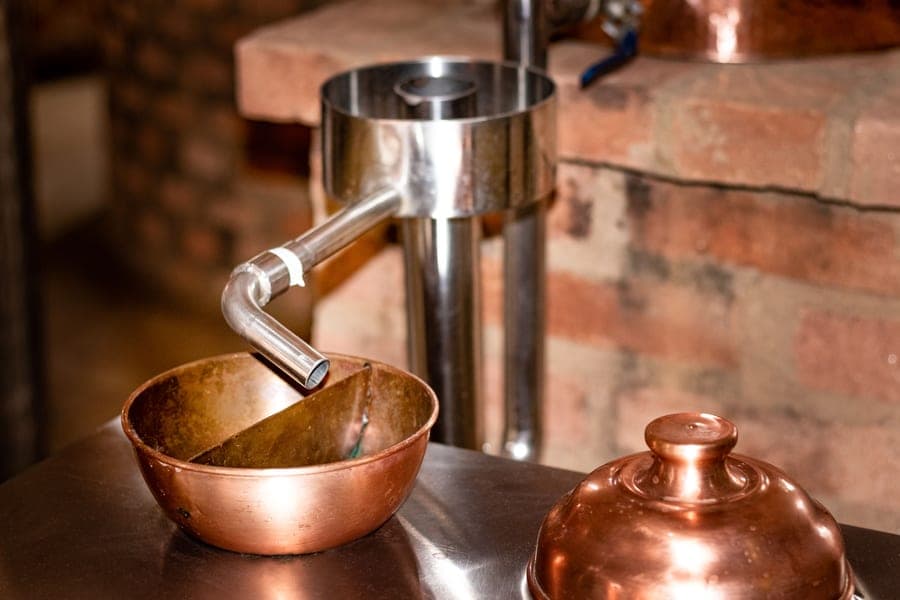 What goes in it Stainless Immersion Wort Chiller 25 ft A 25 ft coil chills a 5 gallon batch in twenty to thirty minutes, needs no pump, and cannot clog because the wort stays outside the tubing. | Chilling the batch the kettle just boiled | |
| 4 | 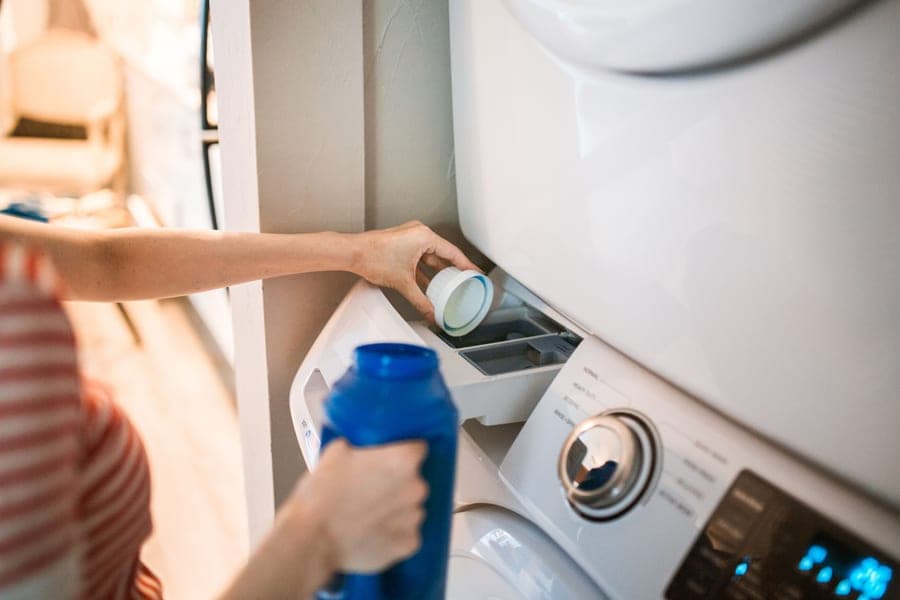 What keeps it clean Five Star PBW Alkaline Brewery Wash A non-caustic alkaline wash lifts protein and hop residue without attacking the stainless or the clad base. Stainless tolerates a brush too. | Boil scale and protein deposits |
Prices are checked on Amazon when you click. We never print a number we cannot verify.
Kettle sizing
| Batch size | Pre-boil volume | Kettle size |
|---|---|---|
| 2.5 gal | ~3.5 gal | 5 gal |
| 5 gal | ~7 gal | 10 gal |
| 10 gal | ~13 gal | 15 gal |
| 15 gal | ~19 gal | 20 gal |
An orange rule marks the better of the two on that row.
Sizing
Fifty percent larger than the batch
This is the decision people get wrong and cannot undo. A 5 gallon batch has a pre-boil volume around 7 gallons once you account for boil-off and grain absorption. Hot break foams up substantially in the first minutes of the boil. And the margin between a vigorous boil and a boilover is a couple of inches of freeboard.
So a 5 gallon batch wants a 10 gallon kettle. An 8 gallon kettle technically works and means watching the boil instead of running it, which sours a brew day quickly. At 10 gallon batches the equivalent figure is 15 gallons.
Buy one size above what you brew today, because batch sizes drift upward and kettles do not shrink. It is the cheapest insurance in this category.
Welded or stamped
A ten-year question, not a today question
Welded tri-clamp ferrules are permanent, crevice-free joints that take a standard gasket. When the gasket perishes you buy a gasket, from anyone, indefinitely. There is also nowhere for soil to hide in a continuous weld.
Stamped fittings are a hole with a bulkhead and an O-ring. Cheaper to manufacture, perfectly functional, and when one starts weeping your options narrow -- sometimes a new O-ring, sometimes the end of the kettle.
For most homebrewers this never becomes a problem, because most homebrewers do not keep one kettle for fifteen years. If you intend to, welded is the difference between maintaining equipment and replacing it -- the same argument as appliance versus rebuildable rig on the systems side.
Clad bases
Required for induction, useful on gas
A tri-clad base is a sandwich of stainless, aluminum and stainless. The aluminum core spreads heat laterally, which does two useful things:
- It makes the kettle work on induction. Induction hobs are an excellent indoor heat source -- fast, controllable, no combustion -- and a thin single-layer stainless kettle performs badly on one.
- It reduces scorching on gas. A propane burner concentrates heat in a ring, and without lateral conduction you get hot spots that scorch wort sugars onto the bottom.
If you are brewing on gas with a wide burner and have no induction plans, a plain base is adequate. Otherwise the clad base is worth the small premium. Heat source options in general: electric vs propane brewing.
Ports
What fittings you actually want
- A ball valve near the bottom. Essential. Draining by siphon or by lifting a full kettle is both unpleasant and dangerous.
- A thermometer port, useful for monitoring the boil and genuinely important if you mash in the kettle.
- A whirlpool return port, only if you pump. It lets you recirculate to settle trub into a cone in the center before transferring.
- A pickup tube or dip tube, which determines how much wort you leave behind. A tube reaching the lowest point of the kettle wastes less.
If you mash in the kettle rather than a separate vessel, you also need a false bottom sized to its internal diameter.
The picks, in order
Every pick in detail
#1
Best overall
Prosumer tier
Spike Brewing Kettle (10 or 15 Gallon)
Spike Brewing
Welded tri-clamp ferrules, a tri-clad base that works on induction and gas, an etched internal volume scale and a lifetime warranty on the vessel. Every fitting takes a standard replaceable gasket.
Spec sheet
- Capacity
- 10 or 15 gal (20 and 30 also sold)
- Fittings
- Welded tri-clamp ferrules
- Base
- Tri-clad for induction and gas
- Markings
- Etched internal volume scale
- Lid
- Vented and hinged options
- Warranty
- Lifetime on the vessel
What it is not good at
A clear premium over a basic kettle, and you are paying for longevity rather than better beer today.
Who it is for
Brewers buying a kettle for the next twenty years
#2
Best value
Entry tier
Bayou Classic Stainless Brew Kettle
Bayou Classic
Available in 8, 10 and 16 gallon sizes with clad-base versions that work on induction, and some SKUs ship with a valve and thermometer fitted.
Spec sheet
- Capacity
- 8, 10, 16 and larger
- Material
- Stainless; tri-clad base on some models
- Ports
- Some SKUs ship with a valve and thermometer
- Heat source
- Gas burner or induction with a clad base
- Weld quality
- Stamped fittings, not welded ferrules
- Best for
- A first 10 gal kettle without the Spike price
What it is not good at
Stamped fittings rather than welded ferrules, so a port that starts weeping in a decade is harder to address than to live with.
Who it is for
A first 10 gallon kettle without the premium
#3
What goes in it
Entry tier
Stainless Immersion Wort Chiller 25 ft
NY Brew Supply / Coldbreak
A 25 ft coil chills a 5 gallon batch in twenty to thirty minutes, needs no pump, and cannot clog because the wort stays outside the tubing.
Spec sheet
- Length
- 25 ft (50 ft available)
- Tubing
- 1/2 in OD
- Material
- 304 stainless or copper
- Batch size
- 5-10 gal
- Cleaning
- Exterior only -- easiest of the three types
- Clog risk
- None (water inside, wort outside)
What it is not good at
Chilling time roughly doubles at 10 gallons. High water use.
Who it is for
Chilling the batch the kettle just boiled
#4
What keeps it clean
Entry tier
Five Star PBW Alkaline Brewery Wash
Five Star Chemicals
A non-caustic alkaline wash lifts protein and hop residue without attacking the stainless or the clad base. Stainless tolerates a brush too.
Spec sheet
- Type
- Alkaline, non-caustic powdered wash
- Dose
- ~1 oz per gal for heavy soil
- Temperature
- Works best warm (120-150 F)
- Contact
- 20-30 min soak, or recirculate
- Safe on
- Stainless, PET, glass, silicone
- Not a sanitizer
- Clean first, then sanitize separately
What it is not good at
Works best warm, and it is a cleaner rather than a sanitizer.
Who it is for
Boil scale and protein deposits
FAQ
Questions brewers actually ask
What size brew kettle do I need?
Ten gallons for a 5 gallon batch and 15 gallons for a 10 gallon batch. Pre-boil volume for a 5 gallon batch is around 7 gallons, hot break foams substantially in the first minutes of the boil, and the margin between a vigorous boil and a boilover is only a few inches of freeboard. Buy one size above what you brew today.
Are welded brew kettles worth the extra cost?
If you keep equipment for a long time, yes. Welded tri-clamp ferrules are crevice-free and take standard gaskets, so a leak is a consumable replacement rather than the end of the kettle. Stamped fittings are cheaper and perfectly functional, but when one starts weeping your options are limited. The calculation depends on how many years you expect to use it.
Do I need a clad base on my brew kettle?
Required for induction, useful on gas. A tri-clad base has an aluminum core that spreads heat laterally, which is what makes a kettle work properly on an induction hob and what prevents scorching from a propane burner's concentrated heat ring. If you brew on a wide gas burner and have no induction plans, a plain base is adequate.
Is a sight glass better than etched volume markings?
More precise, and more trouble. A sight glass is an external tube that needs cleaning, has a gasket that can leak, and is another place soil accumulates. Internal etched graduations let you read the volume at a glance with nothing to maintain. For most brewers the etched scale is the better arrangement.
Do I need a valve on my brew kettle?
Yes, effectively. Draining a kettle by siphon is awkward and tipping a kettle holding seven gallons of near-boiling wort is genuinely dangerous. A ball valve near the bottom is the single most useful fitting on a kettle, and a pickup tube reaching the lowest point reduces how much wort you leave behind.
Read next
More on brew day gear
Guide
How to Clean a Brew Kettle
Alkaline for protein, acid for scale, and why the valve must come apart.

Guide
False Bottoms Explained
What a false bottom does, domed versus flat, dead space, and the alternatives.
Guide
Electric vs Propane Brewing
Heat source compared on cost, power, safety and where you can actually brew.
Guide
All-Grain Brewing Equipment List
The full list in three tiers, with the sizes that matter and the things to skip.
Roundup
The Best Wort Chillers
Immersion, counterflow and plate chillers compared on the trades that matter.
Roundup
The Best Grain Mills for Homebrewing
Grain mills compared on rollers, gap adjustment and build quality.