Roundup
The Best Grain Mills for Homebrewing
The best value accessory in all-grain brewing. Setting your own gap is worth more efficiency than any system upgrade.
The short answer
The Monster Mill MM2 is the best grain mill for most homebrewers: 1.5 inch rollers, gap adjustable at both ends, and US-made steel construction that will outlast your brewing. Step up to the three-roller MM3 only if you mill large volumes or want very tight crush gaps.
DisclosureWe earn a commission on qualifying purchases made through links on this page, at no extra cost to you. It does not change what we recommend or how we rank it -- here is how we pick and here is the full disclosure.
At a glance
Quick picks
| # | Product | Best for | Price |
|---|---|---|---|
| 1 | 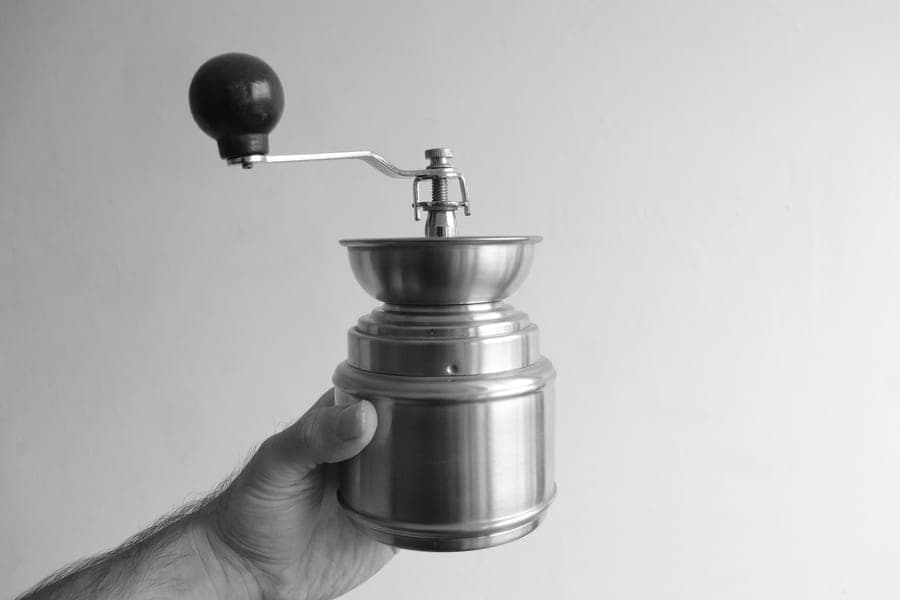 Best overall Monster Mill MM2 Two-Roller Grain Mill Two 1.5 inch knurled rollers with gap adjustment at both ends, in US-made steel. Large-diameter rollers grip and pull grain rather than skating over it, which is the difference between a mill that works and one that stalls. | Most homebrewers milling 10 to 15 lb per batch | |
| 2 | Best for volume Monster Mill MM3 Three-Roller Grain Mill Three rollers means two crush nips, so each nip can be gentler while still opening the kernel. Higher throughput and a better crush at tight gaps. | Brewers milling large quantities or wanting very tight gaps | |
| 3 |  Best value with a hopper Cereal Killer Grain Mill Two 1.25 inch rollers with a 0.025 to 0.1 inch adjustable gap and a 7 lb hopper included, which saves a separate purchase. | Brewers who want a complete mill without assembling parts | |
| 4 |  Best budget option KegLand MaltMuncher Grain Mill Available in two and three roller versions with adjustable gaps. Does the job that matters -- letting you set your own crush -- at the lowest price. | Brewers who want to mill their own grain for the least money |
Prices are checked on Amazon when you click. We never print a number we cannot verify.
What to check on a grain mill
| Spec | Why it matters | What to want |
|---|---|---|
| Roller diameter | Bigger rollers grip and pull grain better | 1.25 in minimum, 1.5 in better |
| Gap adjustment | One-sided adjustment causes uneven crush | Adjustable at both ends |
| Roller count | Three nips gently vs two nips firmly | Two is enough for most |
| Knurling | Smooth rollers slip | Knurled, hardened |
| Drive | Drill speed shatters grain | Crank, or drill in low gear |
| Hopper | Often a separate purchase | 7 lb or more |
| Build | This should outlast your brewing | Steel, serviceable bearings |
Why this is the best-value accessory
Two concrete gains
Efficiency. A homebrew shop crushes to one gap, chosen to be safe across every customer’s process -- which means it is looser than a recirculating all-in-one system wants and probably looser than your batch sparge needs too. Owning a mill means you set the gap for your process, and a change of a few thousandths of an inch is commonly worth several points of mash efficiency. That is more than any difference between brewing systems.
Freshness. Crushed malt starts losing aroma within days and is noticeably stale within weeks, because you have broken the husk that was protecting it. Buying whole grain in bulk and milling on brew day both improves the beer and lowers the cost per pound, since sacks are considerably cheaper than pre-crushed by the pound.
Over a year of monthly brewing, a mill pays for itself on ingredient cost alone. The gap numbers are in grain mill gap settings.
Roller diameter
The spec that matters more than roller count
Everyone compares two-roller against three-roller mills, and roller diameter is the more consequential number.
A larger roller presents a shallower approach angle to the grain, which means it grips and pulls the kernel into the nip rather than letting it skate on the surface. Small rollers slip, and a slipping mill stalls, jams and produces an inconsistent crush. That is why the 1.5 inch rollers on the Monster Mills are the specification to prioritize, and why 1.25 inches is the practical minimum.
Knurling matters for the same reason: a smooth roller cannot grip. Any mill worth buying has hardened, knurled rollers.
Gap adjustment
Both ends, or the crush is wedge-shaped
A mill adjustable at only one end pivots: tighten it and one end of the roller gap closes more than the other, so grain passing through the narrow side is over-crushed while the wide side is under-crushed. You get flour and whole kernels from the same pass.
Adjustment at both ends lets you set a parallel gap, which is what produces a consistent crush. This is a genuine quality marker and it is one of the clearest differences between a good mill and a cheap one.
Two rollers or three
The honest answer
A two-roller mill crushes by squeezing grain once between a pair of knurled rollers. A three-roller mill passes grain through two nips in sequence, which lets each nip be gentler while still opening the kernel -- in principle a better crush at the same gap, with the husk less shredded, and higher throughput.
In practice, for a brewer milling 10 to 15 pounds per batch, a well-set two-roller mill at the right gap produces beer indistinguishable from a three-roller crush. The three-roller earns its premium on throughput and at very tight gaps, where the gentler two-stage crush avoids shredding husk. Full argument: two-roller vs three-roller.
Driving it
Do not use a drill at full speed
A cordless drill at full speed spins mill rollers far faster than they are designed to turn. The result is grain that gets shattered rather than crushed -- flour instead of grist, a shredded husk that cannot act as a filter bed, and a stuck mash.
- Use the drill’s low gear and keep it well under 500 rpm. Accept that it takes a couple of minutes.
- Or hand crank. Ten to fifteen pounds is a few minutes of mild effort, and the crush quality is excellent because the speed is naturally low.
- Never use an impact driver. It is the wrong tool in every respect.
Milling technique in full: how to mill grain.
How we picked
The basis for these
Selected from published manufacturer specifications, current US retail availability, and documented homebrewer consensus on crush quality and gap setting. We have not milled identical grain bills through all four and measured efficiency, and do not claim to. See how we pick.
The picks, in order
Every pick in detail
#1
Best overall
Mid tier
Monster Mill MM2 Two-Roller Grain Mill
Monster Brewing Hardware
Two 1.5 inch knurled rollers with gap adjustment at both ends, in US-made steel. Large-diameter rollers grip and pull grain rather than skating over it, which is the difference between a mill that works and one that stalls.
Spec sheet
- Rollers
- Two, 1.5 in diameter, knurled
- Gap
- Adjustable on both ends, 0.015-0.070 in
- Drive
- Hand crank or drill at reduced speed
- Build
- Steel, made in USA
- Throughput
- Slower per pound than the MM3
- Best for
- Most homebrewers; the MM3 is for volume
What it is not good at
Slower per pound than a three-roller mill, and the hopper is usually a separate purchase. Hand crank unless you fit a drill.
Who it is for
Most homebrewers milling 10 to 15 lb per batch
#2
Best for volume
Prosumer tier
Monster Mill MM3 Three-Roller Grain Mill
Monster Brewing Hardware
Three rollers means two crush nips, so each nip can be gentler while still opening the kernel. Higher throughput and a better crush at tight gaps.
Spec sheet
- Rollers
- Three, 1.5 in diameter, knurled
- Gap
- Adjustable on both ends
- Hopper
- Optional, several sizes
- Drive
- Hand crank or drill at reduced speed
- Build
- Steel, made in USA
- Best for
- High-efficiency crush without shredding husk
What it is not good at
Clearly more expensive, and for 10 to 15 lb batches the finished beer is indistinguishable from a well-set two-roller crush.
Who it is for
Brewers milling large quantities or wanting very tight gaps
#3
Best value with a hopper
Mid tier
Cereal Killer Grain Mill
Adventures in Homebrewing
Two 1.25 inch rollers with a 0.025 to 0.1 inch adjustable gap and a 7 lb hopper included, which saves a separate purchase.
Spec sheet
- Rollers
- 2, 1.25 in diameter
- Gap
- 0.025-0.1 in adjustable
- Hopper
- 7 lb included
What it is not good at
Smaller rollers than the Monster Mills, which grip slightly less well. Check the gap with a feeler gauge rather than trusting the dial.
Who it is for
Brewers who want a complete mill without assembling parts
#4
Best budget option
Entry tier
KegLand MaltMuncher Grain Mill
KegLand
Available in two and three roller versions with adjustable gaps. Does the job that matters -- letting you set your own crush -- at the lowest price.
Spec sheet
- Rollers
- 2 or 3 roller versions
- Gap
- Adjustable
- Positioning
- Budget adjustable mill
What it is not good at
Gap tolerance is looser, so verify with a feeler gauge. Long-term parts availability is less certain than the US-made mills.
Who it is for
Brewers who want to mill their own grain for the least money
FAQ
Questions brewers actually ask
Is a grain mill worth it for homebrewing?
It is one of the best value purchases in the hobby. Setting your own gap commonly gains several points of mash efficiency over a shop's one-size-fits-all crush, and milling on brew day preserves aroma that starts dissipating within days of crushing. Buying whole grain in sacks rather than pre-crushed by the pound also lowers ingredient cost, so a mill pays for itself over a year of regular brewing.
What should I look for in a grain mill?
Roller diameter first -- 1.5 inches grips and pulls grain properly where small rollers slip and stall. Then gap adjustment at both ends, so you can set a parallel gap rather than a wedge-shaped one. Then knurled hardened rollers, and a steel build with serviceable bearings. Roller count matters less than any of these.
Two roller or three roller grain mill?
Two is enough for most homebrewers. A three-roller mill passes grain through two gentler nips, which in principle gives a better crush with less shredded husk and higher throughput, but at 10 to 15 pounds per batch a well-set two-roller mill produces beer you cannot distinguish. The three-roller earns its premium on volume and at very tight gaps.
Can I use a drill to run a grain mill?
In low gear, under about 500 rpm. At full speed a drill spins the rollers far faster than they are designed to turn, which shatters grain into flour rather than crushing it, shreds the husk that should act as a filter bed, and causes stuck mashes. Never use an impact driver. Hand cranking 10 to 15 pounds takes only a few minutes.
How do I know what gap my mill is set to?
Measure it with an automotive feeler gauge at both ends of the rollers. Dial markings and detents on mills -- particularly budget ones -- are indicative rather than accurate, and the entire point of owning a mill is controlling a number precisely rather than accepting the shop's choice. A feeler gauge set costs very little.
Sources
Read next
More on brew day gear
Comparison
Two Roller vs Three Roller Grain Mill
Crush quality, husk integrity and throughput, and when the third roller pays.
Guide
All-Grain Brewing Equipment List
The full list in three tiers, with the sizes that matter and the things to skip.