Roundup
The Best Glycol Chillers for Homebrewing
Glycol is the answer when your fermenter will not fit in any box. Here is how to size one and when a chest freezer wins instead.
The short answer
A Penguin Chillers 1/4 HP glycol chiller is the right size for one or two homebrew fermenters, and it is worth buying when your vessel is too tall for any chamber you can fit or you need multiple vessels at different temperatures. For a single 5 gallon fermenter that fits a chest freezer, a dual-stage controller costs far less and works as well.

DisclosureWe earn a commission on qualifying purchases made through links on this page, at no extra cost to you. It does not change what we recommend or how we rank it -- here is how we pick and here is the full disclosure.
At a glance
Quick picks
| # | Product | Best for | Price |
|---|---|---|---|
| 1 | Best overall Penguin Chillers Glycol Chiller A 1/4 HP unit with a submersible pump in the reservoir and a digital setpoint handles one or two homebrew vessels, and larger units are available if you scale up. | One or two jacketed or coiled fermenters | |
| 2 |  Best compact option KegLand IceMaster Glycol Chiller An integrated reservoir and recirculating loop designed around the KegLand fermenter ecosystem, which makes the plumbing straightforward. | FermZilla and KegMenter owners wanting a matched cooling loop | |
| 3 | 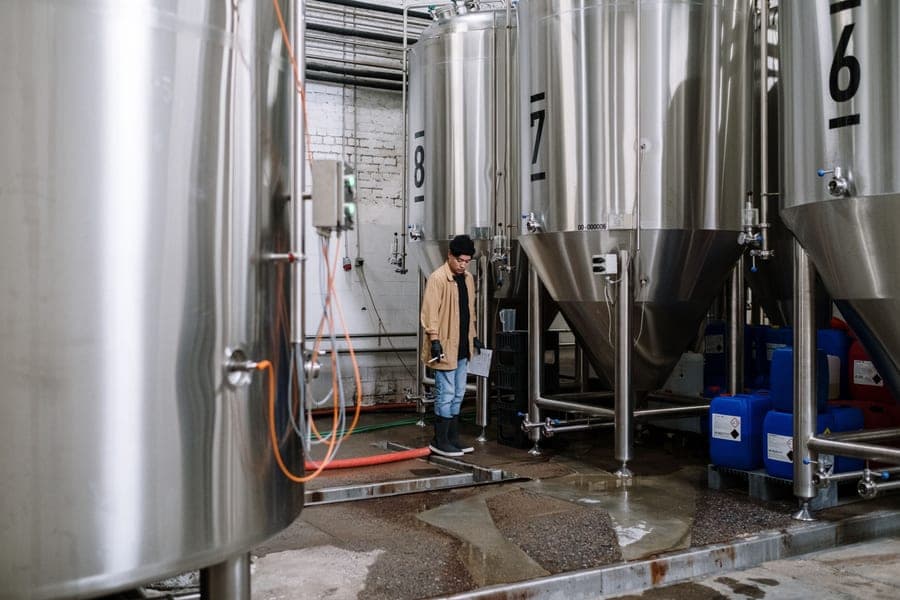 The vessel it unlocks Spike Brewing CF5 Conical Fermenter This is the pairing that makes glycol worth buying: a tall welded conical with an optional cooling coil, cooled directly rather than needing a box to fit inside. | Brewers who want a welded conical but have no tall chamber | |
| 4 |  The cheaper answer Chest Freezer Fermentation Chamber (with controller) Included deliberately. A chest freezer plus a dual-stage controller holds a setpoint within a degree for a fraction of glycol money and a fraction of the running cost. | A single 5 gallon fermenter that fits a chest freezer |
Prices are checked on Amazon when you click. We never print a number we cannot verify.
Sizing a glycol chiller
| Capacity | Vessels served | Typical use |
|---|---|---|
| 1/4 HP | 1-2 homebrew fermenters | Most homebrew setups |
| 1/3 to 1/2 HP | 2-4 fermenters | Multiple batches, different temps |
| 3/4 HP and up | Several, or a unitank | Nano and small commercial |
The honest framing
Most homebrewers do not need this
Glycol is the prosumer answer to temperature control, and it is genuinely better than a chamber in every technical respect. It is also substantially more expensive to buy and to run, and for the majority of homebrewers a chest freezer with a dual-stage controller delivers the same temperature stability for a fraction of the money.
So the first question is not which chiller to buy. It is whether you need one. There are three situations where the answer is yes:
- Your vessel will not fit any chamber you can fit. This is the most common reason and the most legitimate. A welded conical with a full cone and a stand is taller than a 5 cubic foot chest freezer is deep, and a glycol loop cools the vessel wall directly so height stops mattering entirely.
- You run several vessels at different temperatures. One chamber holds one temperature for everything inside it. One chiller can feed several jacketed or coiled vessels, each at its own independently controlled setpoint.
- You crash cool often and want it fast. Heat leaves through a vessel wall far faster than across an air gap, so a crash that takes most of a day in a chamber takes hours with glycol.
If none of those applies, buy a dual-stage controller and a used freezer. The comparison in full: glycol chiller vs fermentation fridge.
Sizing
Capacity, and the mistake of buying too small
Glycol chillers are rated in horsepower, which is a proxy for how much heat they can move. The sizing question is how much heat your fermentation actually generates, and the answer is more than people expect: active fermentation in a 5 gallon batch releases real heat for two to three days, and a crash cool asks the chiller to remove the thermal mass of the whole batch.
A 1/4 HP unit handles one or two homebrew fermenters comfortably. Two vessels both in vigorous fermentation plus a crash cool on a third is where you want more. Undersizing shows up as a chiller running continuously and never quite reaching setpoint, which is both expensive and ineffective.
Err one size up if you plan to grow. The chiller is the part of the system you keep when the vessels change. The mechanism, including why glycol rather than water, is in how glycol chillers work.
Installation
Three things people get wrong
- Airflow and exhaust. A chiller is a refrigeration unit: it moves heat out of the glycol and into the room. In a sealed cupboard it heats the air it is trying to reject heat into, and efficiency collapses. Give it clearance and somewhere for warm air to go.
- Insulate the lines. Uninsulated glycol lines lose cooling capacity to the room along their whole length, and they sweat and drip. Foam pipe insulation on every run is cheap and not optional.
- Use propylene glycol, not automotive antifreeze. Ethylene glycol is toxic. Propylene glycol is the food-safe alternative and is what every brewing supplier sells. Mix it to the concentration the manufacturer specifies -- too little and it can freeze in the chiller, too much and it pumps poorly.
How we picked
The basis for these
Selected from published manufacturer specifications and documented homebrewer consensus about sizing and installation. We have not run these chillers side by side against a measured heat load and do not claim to; the sizing guidance reflects manufacturer figures and reported community experience. See how we pick.
The picks, in order
Every pick in detail
#1
Best overall
Prosumer tier
Penguin Chillers Glycol Chiller
Penguin Chillers
A 1/4 HP unit with a submersible pump in the reservoir and a digital setpoint handles one or two homebrew vessels, and larger units are available if you scale up.
Spec sheet
- Capacity
- 1/4 HP and larger units sold
- Medium
- Propylene glycol / water mix
- Pump
- Submersible pump in the reservoir
- Control
- Digital setpoint on the chiller
- Vessels served
- Typically 1-2 jacketed or coiled fermenters
- Ambient
- Needs airflow and a warm-air escape path
What it is not good at
Needs airflow and a path for warm air to leave the room -- a chiller in a sealed cupboard fights its own exhaust. Real running cost, not a one-off purchase.
Who it is for
One or two jacketed or coiled fermenters
#2
Best compact option
Prosumer tier
KegLand IceMaster Glycol Chiller
KegLand
An integrated reservoir and recirculating loop designed around the KegLand fermenter ecosystem, which makes the plumbing straightforward.
Spec sheet
- Loop
- Recirculating glycol
- Reservoir
- Integrated
- Pairing
- FermZilla / KegMenter cooling
What it is not good at
Smaller capacity than a 1/4 HP unit, so it is a one-vessel solution rather than a multi-vessel one.
Who it is for
FermZilla and KegMenter owners wanting a matched cooling loop
#3
The vessel it unlocks
Prosumer tier
Spike Brewing CF5 Conical Fermenter
Spike Brewing
This is the pairing that makes glycol worth buying: a tall welded conical with an optional cooling coil, cooled directly rather than needing a box to fit inside.
Spec sheet
- Capacity
- 8 gal / 30 L (5 gal batch)
- Material
- Welded 304 stainless, no crevices
- Pressure
- Rated for pressure transfer and spunding
- Ports
- Tri-clamp throughout
- Cone
- Full cone with a dump valve
- Options
- Cooling coil, thermowell, CIP arm
What it is not good at
Buying both at once is a substantial outlay. The coil is an option to specify at order time.
Who it is for
Brewers who want a welded conical but have no tall chamber
#4
The cheaper answer
Mid tier
Chest Freezer Fermentation Chamber (with controller)
Chest freezer + Inkbird
Included deliberately. A chest freezer plus a dual-stage controller holds a setpoint within a degree for a fraction of glycol money and a fraction of the running cost.
Spec sheet
- Approach
- Chest freezer with an external dual-stage controller
- Capacity
- 5-7 cu ft fits one or two 5 gal fermenters
- Range
- Lager temps through a 32 F cold crash
- Heat side
- Pair with a wrap heater for winter ale temps
- Energy
- Cheapest running cost per degree of any method
- Limitation
- Vessel height is the binding constraint
What it is not good at
Vessel height is the hard constraint, and one chamber holds one temperature for everything inside it.
Who it is for
A single 5 gallon fermenter that fits a chest freezer
FAQ
Questions brewers actually ask
Do I need a glycol chiller for homebrewing?
Almost certainly not. A chest freezer with a dual-stage controller delivers the same temperature stability for a fraction of the purchase and running cost. Glycol earns its place in three situations: your fermenter is too tall for any chamber you can fit, you run several vessels at different temperatures, or you crash cool often and want it done in hours rather than a day.
What size glycol chiller do I need?
A quarter horsepower unit handles one or two homebrew fermenters comfortably. Step up to a third or half horsepower if you run two vessels in vigorous fermentation plus a crash cool on a third. Undersizing shows up as a chiller running continuously and never reaching setpoint, so err one size up if you expect to grow.
Can I use car antifreeze in a glycol chiller?
No. Automotive antifreeze is ethylene glycol, which is toxic. Brewing glycol loops use propylene glycol, which is food-safe and is what every brewing supplier sells. Mix it to the concentration the chiller manufacturer specifies: too dilute and it can freeze inside the chiller, too concentrated and it becomes viscous and pumps poorly.
Does a glycol chiller need ventilation?
Yes. A chiller is a refrigeration unit that moves heat out of the glycol and into the surrounding air, so in a sealed cupboard it ends up heating the air it is trying to reject heat into and efficiency collapses. Give it clearance on all sides and a path for warm air to leave the space.
What do I connect a glycol chiller to?
Either a jacketed vessel, where the glycol channel is built into the wall, or a conical fitted with a stainless cooling coil that sits inside the beer. A coil is the cheaper route and several conicals offer one as a factory option. Without a jacket or a coil there is nothing for the chiller to circulate through.
Read next
More on temperature control
Guide
How Glycol Chillers Work
The loop explained, why propylene glycol, and the three installation mistakes.
Comparison
Glycol Chiller vs Fermentation Fridge
Air cooling against direct wall cooling, and when the upgrade is justified.
Roundup
The Best Fermentation Chambers
Chest freezer, upright fridge or build -- compared on height and running cost.
Comparison
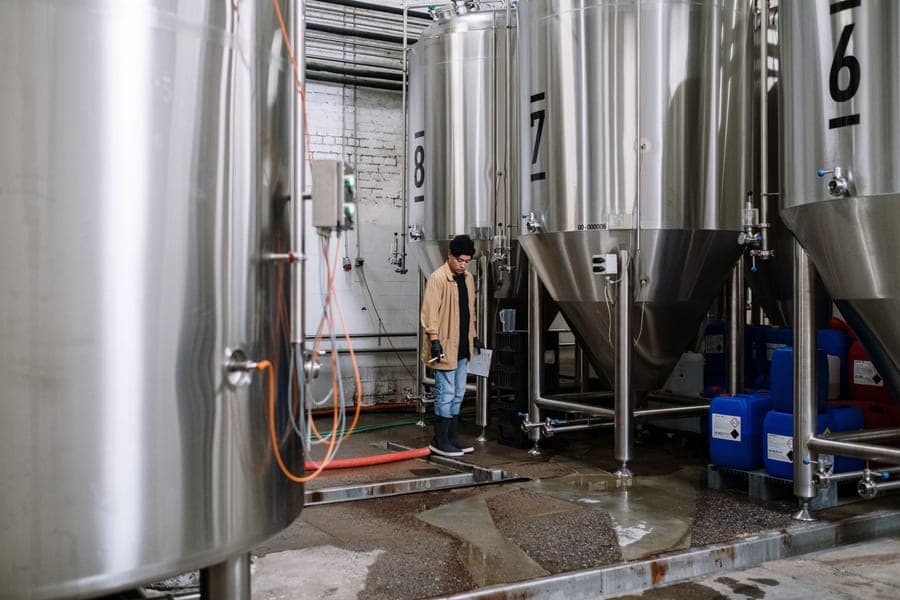
Conical Fermenter vs Unitank
What the glycol jacket and pressure rating add, and whether you need them.
Review
Spike Brewing CF5 Conical Review
The buy-once welded conical, and the cooling problem it creates.
Roundup
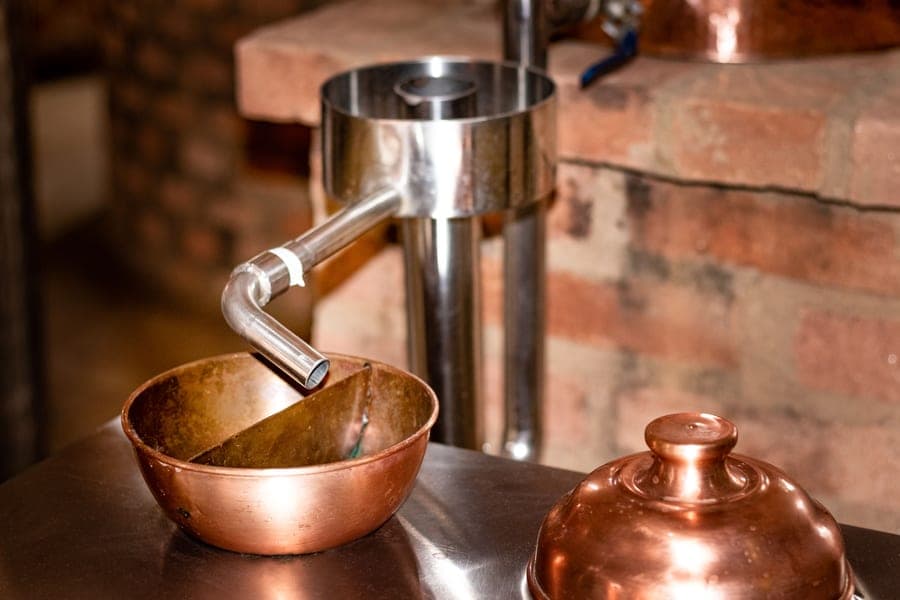
The Best Wort Chillers
Immersion, counterflow and plate chillers compared on the trades that matter.