Guide
All-Grain vs Extract Brewing
The honest version: all-grain gives you control and cheaper ingredients, not automatically better beer.
The short answer
All-grain brewing means making wort from malted barley yourself; extract brewing means reconstituting malt syrup or powder. All-grain costs substantially less per batch and gives you full control of the grain bill and mash, but adds about an hour to brew day and requires a mash vessel. A well-made extract beer fermented at a controlled temperature beats a careless all-grain one.
DisclosureWe earn a commission on qualifying purchases made through links on this page, at no extra cost to you. It does not change what we recommend or how we rank it -- here is how we pick and here is the full disclosure.
The difference
Where the wort comes from
Extract brewing starts with malt extract: barley that a maltster has already mashed, concentrated and dried or syruped. You dissolve it in water, boil with hops, and ferment. All-grain brewing starts with the crushed malt itself -- you hold it in hot water for an hour so its own enzymes convert starch to sugar, drain the resulting wort, and boil that.
That is the whole technical distinction. Everything else follows from it: all-grain needs a vessel that holds a temperature for an hour and a way to separate wort from grain, and extract does not.
The real trade-offs
| Extract | All-grain | |
|---|---|---|
| Ingredient cost per 5 gal | Higher | Substantially lower |
| Brew day length | 2-3 hours | 4-5 hours |
| Equipment needed | Pot, fermenter | Pot, mash vessel, fermenter |
| Control of grain bill | Limited to steeping grains | Complete |
| Control of body and attenuation | Little | Via mash temperature |
| Recipe availability | Good | Excellent |
| Consistency batch to batch | High (extract is standardized) | Depends on your crush and process |
| Ceiling on beer quality | High | Highest |
An orange rule marks the better of the two on that row.
What all-grain genuinely buys
Three real gains
Cost. Base malt in bulk is considerably cheaper than the equivalent weight of malt extract, because you are not paying a maltster to mash and concentrate it for you. Over a year of monthly brewing the saving is real, and it widens if you mill your own grain.
Mash temperature control over body. This is the gain that most changes what you can brew. Mashing around 148 to 150°F favors beta-amylase and produces highly fermentable wort -- a drier, thinner beer. Mashing at 156 to 158°F favors alpha-amylase and leaves more unfermentable dextrins, giving a fuller body. Extract fixes that choice for you at whatever the maltster decided.
The grain bill itself. Want 8 percent Munich, a touch of acidulated malt for pH, and flaked oats for mouthfeel? That is an all-grain recipe. With extract you have a base syrup and whatever you can steep.
The counter-argument
Extract is better than its reputation
All-grain brewers can be sniffy about extract, and they are wrong about the important part. Malt extract is made by commercial maltsters with better equipment and tighter process control than any homebrewer has, and fresh extract makes clean, accurate beer. The historic complaints about extract -- dark, caramel-tinged, cidery -- trace to two things that have nothing to do with the method:
- Old extract. Liquid malt extract darkens and develops a stale note as it ages. Buy fresh from a shop with turnover.
- Partial boils. Boiling 2 gallons of very concentrated wort and topping up to 5 darkens the beer through Maillard reactions and lowers hop utilization. This is a kettle problem, not an extract problem, and a bigger pot fixes it.
Middle ground
Partial mash is a real option
You do not have to choose. A partial mash uses a base of extract plus a few pounds of actual grain mashed in a bag or a small vessel, which gets you most of the grain-bill control for a fraction of the equipment. It is the natural step for a brewer who wants to try mashing without buying a system, and many published recipes are written for it.
If you are switching
What to read next
The shopping list without the upsells is the all-grain brewing equipment list. If you have decided on a system, the market view is best all-grain systems and best electric brewing systems. The first accessory worth buying afterwards is a mill: best grain mills.
What we recommend
The products on this page
Cheapest route to all-grain
Mid tier
Insulated Mash Tun with False Bottom
Igloo conversion / Spike
A 10 gallon insulated cooler with a false bottom holds mash temperature within a couple of degrees for an hour. The lowest-cost way to find out whether all-grain suits you.
Spec sheet
- Capacity
- 10 gal (fits a 5-6 gal batch comfortably)
- Insulation
- Holds mash temp within 1-2 F over 60 min
- Manifold
- Domed false bottom, braid or slotted manifold
- Valve
- Ball valve bulkhead through the wall
- Heat
- No direct heat -- infusion steps only
- Best for
- Batch sparging without an electric system
What it is not good at
No direct heat, so steps need infusion arithmetic. You still need a kettle and a heat source, and the brew day is manual throughout.
Who it is for
Brewers who already own a kettle and want to try mashing for very little
If you commit
Mid tier
Anvil Foundry 10.5 Gallon
Anvil Brewing Equipment
Mash, boil and recirculate in one vessel with the temperature held for you. The system that makes an all-grain brew day as short as an extract one.
Spec sheet
- Capacity
- 10.5 gal / 40 L
- Power
- Switchable 120V 1600W or 240V 2800W
- Heating
- Triple low-watt-density element
- Pump
- Optional recirculation pump
- Grain basket
- High-flow, dual-height false bottom
- Material
- 304 stainless
What it is not good at
Several times the cost of a cooler, and the pump is a separate purchase.
Who it is for
Brewers who have decided all-grain is the plan
FAQ
Questions brewers actually ask
Is all-grain brewing better than extract?
It gives you more control and costs less per batch, but it does not automatically make better beer. Malt extract is produced by commercial maltsters with tighter process control than any homebrewer has, and fresh extract makes clean, accurate beer. The faults people blame on extract usually trace to stale extract or a partial boil rather than the method itself.
How much cheaper is all-grain brewing?
Substantially, because base malt in bulk costs much less than the equivalent weight of malt extract: you are not paying a maltster to mash and concentrate it. The saving grows if you buy whole grain in sacks and mill it yourself. Against that, the equipment costs money up front, so the break-even depends on how often you brew.
How much longer does all-grain take than extract?
About one to two hours. The mash itself is typically a 60 minute rest, plus time to heat strike water and drain the grain bed. An extract brew day runs two to three hours and an all-grain day four to five. Single-vessel electric systems narrow the gap by heating and holding temperature without supervision.
What is partial mash brewing?
A hybrid: a base of malt extract plus a few pounds of real grain mashed in a bag or small vessel. You get most of the grain-bill control that all-grain offers without buying a mash system, and many published recipes are written specifically for it. It is the natural intermediate step for a brewer who is curious about mashing but not ready to commit.
Does mash temperature really change the beer?
Yes, noticeably. Mashing around 148 to 150 degrees Fahrenheit favors beta-amylase and produces highly fermentable wort, giving a drier, thinner beer. Mashing at 156 to 158 favors alpha-amylase and leaves more unfermentable dextrins behind, giving a fuller body. That lever does not exist in extract brewing, where the maltster already made the choice.
Read next
More on brewing systems
Guide
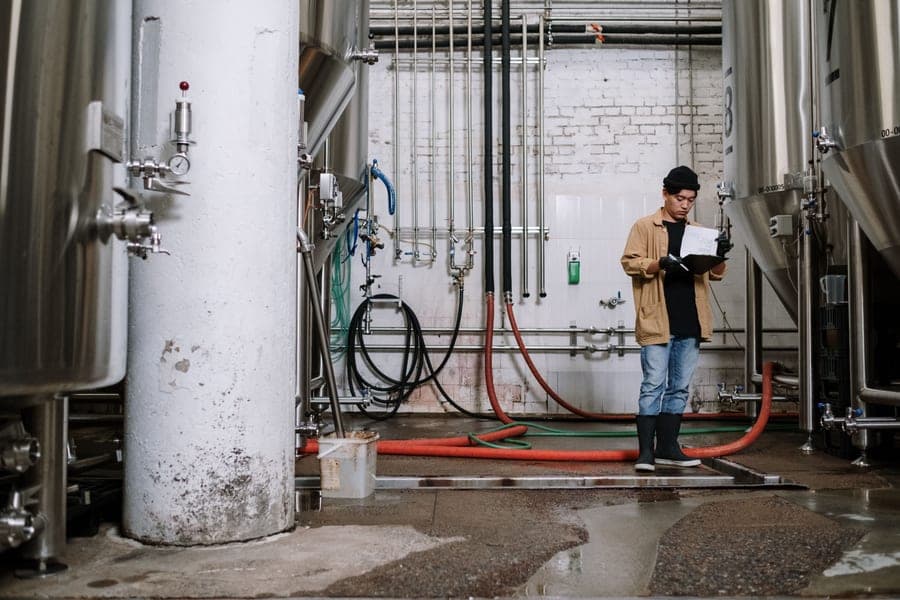
All-Grain Brewing Equipment List
The full list in three tiers, with the sizes that matter and the things to skip.
Roundup
The Best All-Grain Brewing Systems
Single-vessel, hybrid and welded all-grain approaches compared on time, space and cost.

Roundup
The Best Homebrew Starter Kits
Starter kits compared, plus the two things almost every kit leaves out.

Guide
Fermentation Temperature Control
Target temperatures, probe placement and the first 48 hours that decide flavor.
Roundup
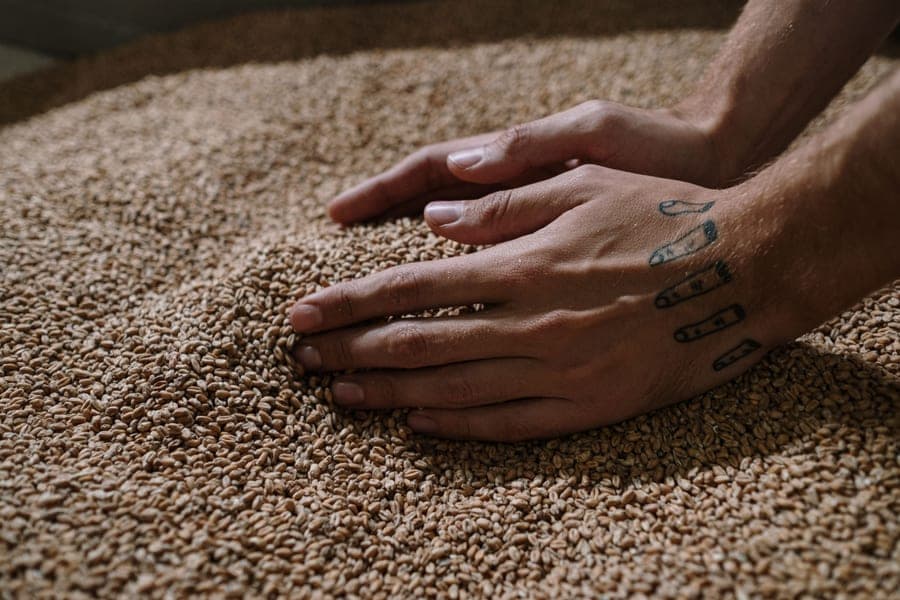
The Best Grain Mills for Homebrewing
Grain mills compared on rollers, gap adjustment and build quality.
Roundup
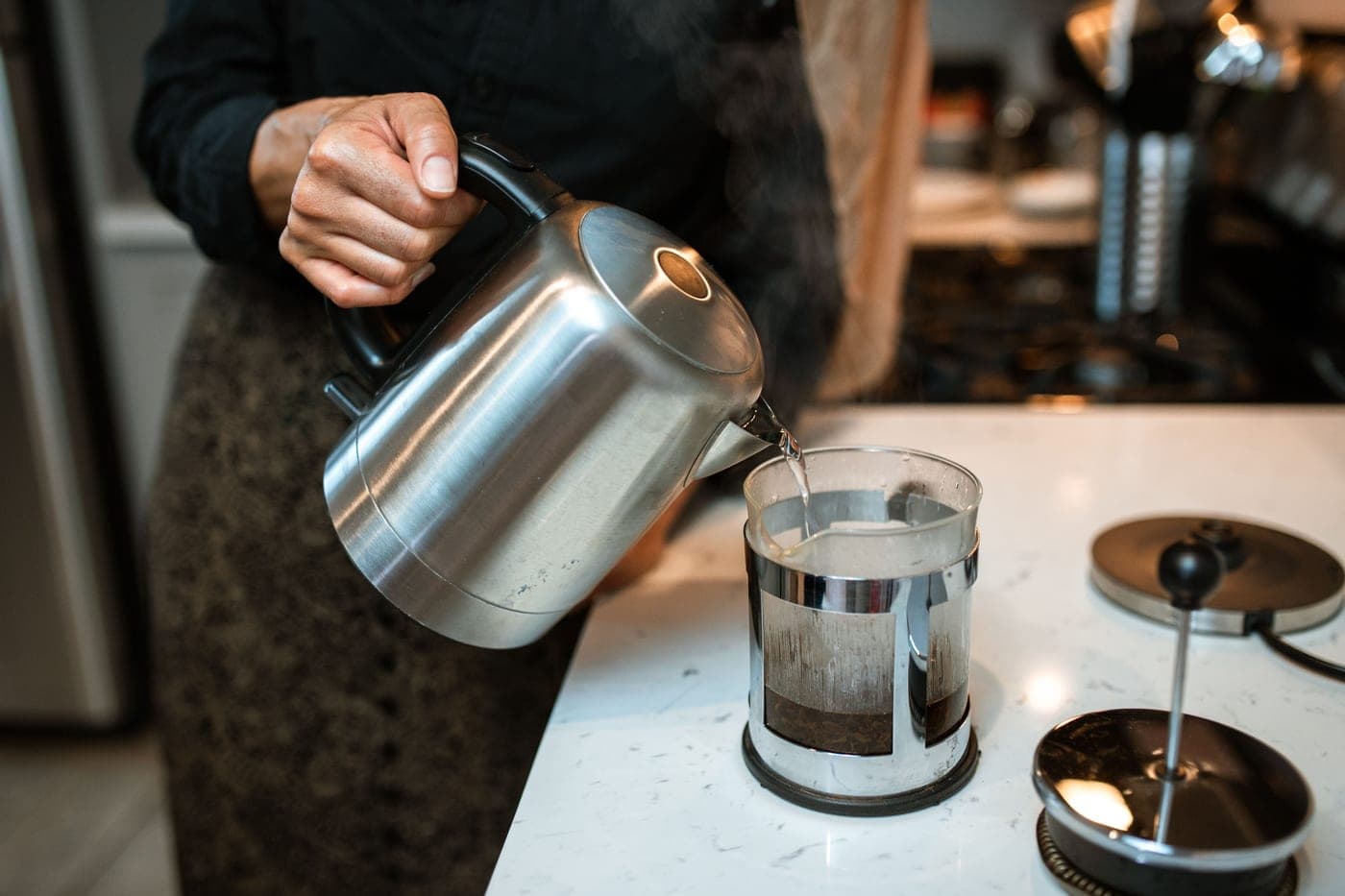
The Best Electric All-in-One Brewing Systems
Five all-in-one systems compared on finished volume, voltage and parts support.