Roundup
The Best Fermentation Chambers
The cheapest effective temperature control there is. The only real question is which vessel has to fit inside it.
The short answer
A 5 to 7 cubic foot chest freezer with an external dual-stage controller is the best fermentation chamber for most homebrewers: it holds a setpoint within a degree, costs less to run than any alternative, and handles everything from ale temperatures to a 32-degree cold crash. Vessel height is the constraint that decides whether it works for you.
DisclosureWe earn a commission on qualifying purchases made through links on this page, at no extra cost to you. It does not change what we recommend or how we rank it -- here is how we pick and here is the full disclosure.
At a glance
Quick picks
| # | Product | Best for | Price |
|---|---|---|---|
| 1 | Best overall Chest Freezer Fermentation Chamber (with controller) A 5 to 7 cubic foot chest freezer with an external dual-stage controller. Best insulated option, lowest running cost, and the full temperature range from fermentation to cold crash. | One or two 5 gallon fermenters, ale through lager through cold crash | |
| 2 | 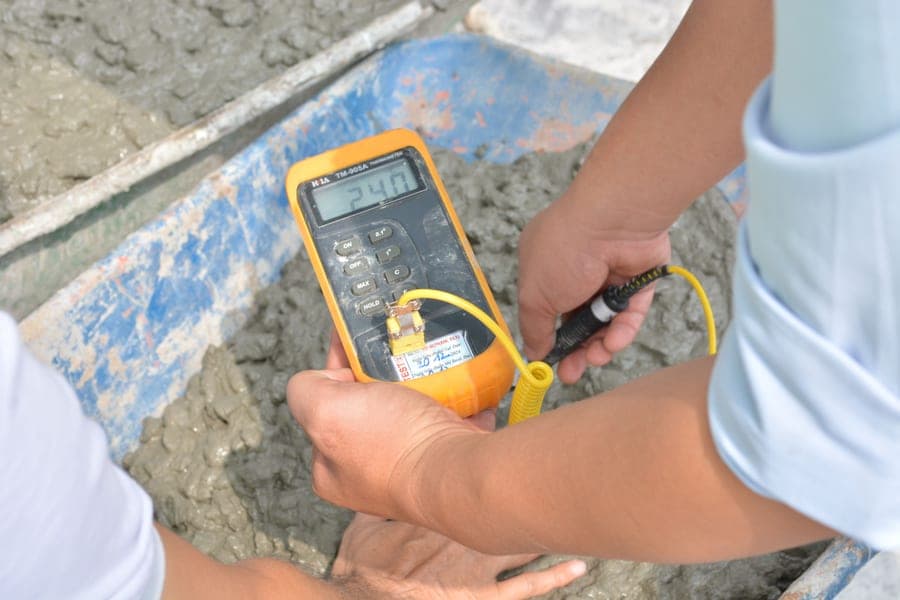 The controller that makes it work Inkbird ITC-308 Dual-Stage Temperature Controller Dual-stage: one outlet switches the compressor, the other a heater. That second outlet is what lets a chamber in a cold garage hold 66 F in winter. | Any freezer or fridge conversion | |
| 3 | 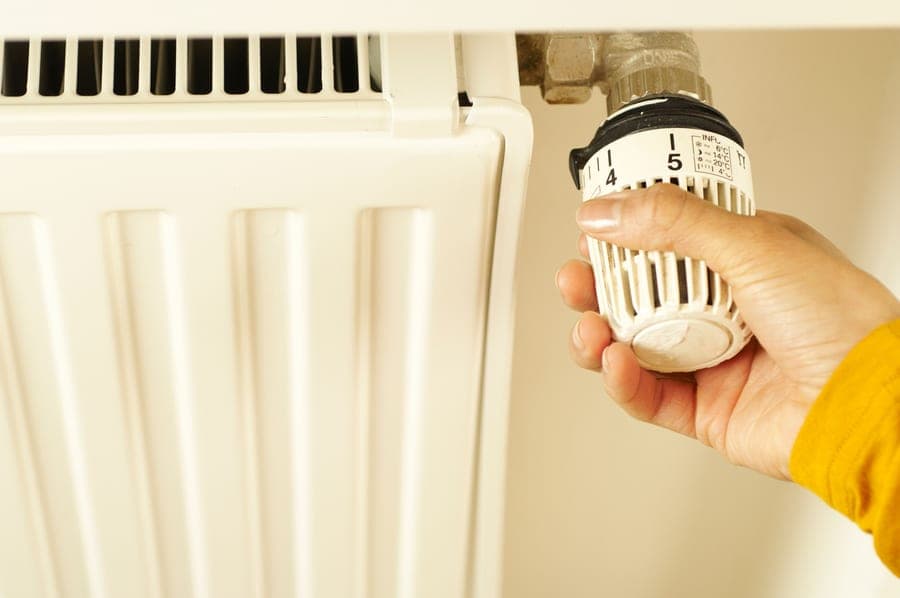 The heating half FermWrap Fermenter Heater A flexible wrap heater on the controller's heating outlet. Without one, a chamber can only cool, which is half a solution in winter. | Cold garages and basements | |
| 4 | 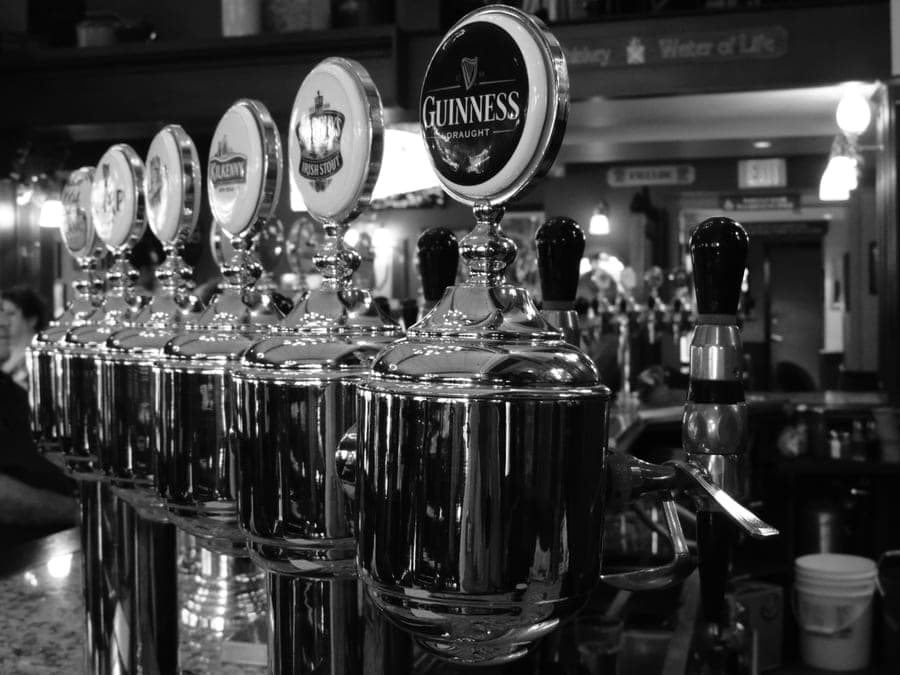 The dual-purpose alternative KOMOS Kegerator A 26-82 F range means one cabinet can serve beer or hold a fermenter. Not simultaneously, but it saves a footprint. | Brewers with room for only one appliance |
Prices are checked on Amazon when you click. We never print a number we cannot verify.
Chamber options compared
| Chest freezer | Upright fridge | Insulated DIY box | |
|---|---|---|---|
| Insulation | Best | Moderate | As built |
| Cold air loss on opening | Minimal | Pours out of the door | Depends |
| Running cost | Lowest | Higher | Varies |
| Interior height | Limited | Good, shelves removed | You decide |
| Fits a tall conical | Rarely | Often | Yes, if built for it |
| Loading a full fermenter | Lift down into it | Slide in at floor level | Depends |
| Cost | Used freezers are cheap | Used fridges are cheap | Materials plus labor |
| Cold crash to 32 F | Yes | Usually yes | Depends on unit |
An orange rule marks the better of the two on that row.
Why this is the best-value purchase in brewing
The numbers behind the claim
Fermentation temperature determines which flavor compounds yeast produces, and it does so more decisively than mash temperature, water chemistry, kettle geometry or vessel material. Yeast run warm makes fruity esters and harsh fusel alcohols; yeast run cold under-attenuates and stalls.
A used chest freezer and a dual-stage controller cost less than a conical fermenter and will improve your beer more. That is the whole argument, and it is why this hub exists -- fermentation temperature control has the practical detail.
Freezer or fridge
Insulation against height
Chest freezer. Better insulated, because it was built to hold a lower temperature, and it loses almost no cold air when opened because cold air sinks. Lower running cost and tighter temperature stability. The problem is interior height: 5 cubic foot units are shallow, and a conical on a stand frequently does not fit.
Upright fridge. Worse insulated and loses cold air every time the door opens, but with the shelves removed it is tall enough for vessels a freezer cannot take, and you slide a fermenter in at floor level rather than lifting it down into a box. For a tall conical this is frequently the practical answer.
The decision is almost entirely about your vessel. Measure the fermenter you own or intend to buy -- including stand and airlock clearance -- and buy the chamber that takes it. Buying the chamber first and then discovering the vessel does not fit is the most common sequence error in this whole category.
The controller
Dual stage, and why both outlets matter
A freezer’s own thermostat cannot be set to 66°F, so an external controller overrides it: the freezer plugs into the controller rather than the wall, and the controller switches the compressor to hold whatever setpoint you choose.
Dual stage means it has a second outlet for heat. That matters more than it sounds. A chamber in a garage in January is colder than your fermentation target, and a cooling-only controller can do nothing about it. A wrap heater on the heating outlet lets the chamber hold 66°F in a 40°F garage, which turns a seasonal setup into a year-round one. Options in best temperature controllers.
Probe placement
The single most important detail
This matters more than controller accuracy, chamber insulation or anything else on this page. A probe hanging in the air inside a chamber measures the air. Active fermentation generates real heat, so the beer can be six degrees warmer than the air around it -- meaning your controller reports a perfect 66°F while the yeast works at 72°F and produces exactly the flavors you built the chamber to avoid.
Tape the probe to the side of the fermenter and cover it with a scrap of insulation or bubble wrap, or run it in a thermowell if the vessel has one. A cheap controller measuring the beer beats an expensive one measuring the air, every time.
The picks, in order
Every pick in detail
#1
Best overall
Mid tier
Chest Freezer Fermentation Chamber (with controller)
Chest freezer + Inkbird
A 5 to 7 cubic foot chest freezer with an external dual-stage controller. Best insulated option, lowest running cost, and the full temperature range from fermentation to cold crash.
Spec sheet
- Approach
- Chest freezer with an external dual-stage controller
- Capacity
- 5-7 cu ft fits one or two 5 gal fermenters
- Range
- Lager temps through a 32 F cold crash
- Heat side
- Pair with a wrap heater for winter ale temps
- Energy
- Cheapest running cost per degree of any method
- Limitation
- Vessel height is the binding constraint
What it is not good at
Interior height is the hard limit: a conical on a stand frequently will not fit. You also lift full fermenters down into it.
Who it is for
One or two 5 gallon fermenters, ale through lager through cold crash
#2
The controller that makes it work
Entry tier
Inkbird ITC-308 Dual-Stage Temperature Controller
Inkbird
Dual-stage: one outlet switches the compressor, the other a heater. That second outlet is what lets a chamber in a cold garage hold 66 F in winter.
Spec sheet
- Stages
- Dual -- one heating and one cooling outlet
- Outlet rating
- ~1100W per outlet
- Probe
- NTC sensor on a 2 m lead
- Calibration
- User offset
- Compressor delay
- Configurable
- Wifi version
- ITC-308 Wifi sold separately
What it is not good at
The probe must read the fermenter, not the air, or it will under-report the beer temperature by several degrees.
Who it is for
Any freezer or fridge conversion
#3
The heating half
Entry tier
FermWrap Fermenter Heater
FermWrap
A flexible wrap heater on the controller's heating outlet. Without one, a chamber can only cool, which is half a solution in winter.
Spec sheet
- Type
- Flexible wrap heater
- Power
- ~40W
- Pairs with
- Dual-stage controller
What it is not good at
Needs a controller to be safe -- an unregulated heater against a fermenter will overshoot badly.
Who it is for
Cold garages and basements
#4
The dual-purpose alternative
Prosumer tier
KOMOS Kegerator
KOMOS
A 26-82 F range means one cabinet can serve beer or hold a fermenter. Not simultaneously, but it saves a footprint.
Spec sheet
- Keg capacity
- 1 half barrel or 4 ball-lock corny kegs
- Temperature range
- 26-82 F -- unusually wide
- Secondary use
- Doubles as a fermentation chamber
- Control
- Extended-range digital controller
- Taps
- Stainless Intertap faucets on most SKUs
- Mobility
- Casters, regulator included
What it is not good at
Costs considerably more than a used freezer plus a controller, and you cannot serve while fermenting.
Who it is for
Brewers with room for only one appliance
FAQ
Questions brewers actually ask
What is the best fermentation chamber for homebrewing?
A 5 to 7 cubic foot chest freezer with an external dual-stage temperature controller, provided your fermenter fits inside it. Chest freezers are the best insulated option, lose almost no cold air when opened because cold air sinks, and cover the full range from ale fermentation temperatures to a 32 degree cold crash at the lowest running cost.
Chest freezer or fridge for a fermentation chamber?
A chest freezer if your vessel fits, an upright fridge if it does not. Freezers insulate better and cost less to run; upright fridges with the shelves removed are taller, take vessels a freezer cannot, and let you slide a full fermenter in at floor level rather than lifting it down into a box. Let the vessel decide.
Where should the temperature probe go in a fermentation chamber?
Taped to the side of the fermenter under a scrap of insulation, or in a thermowell if the vessel has one. Not hanging in the air. Active fermentation generates its own heat, so beer can sit six degrees warmer than the air around it, which means an air probe reports a perfect setpoint while the yeast works far too warm.
Do I need a heater in my fermentation chamber?
If the chamber lives anywhere that gets colder than your fermentation target, yes. A cooling-only controller cannot raise temperature, so a chamber in an unheated garage in winter will sit below ale fermentation temperature and stall. A flexible wrap heater on a dual-stage controller's heating outlet turns a seasonal setup into a year-round one.
Can I use a fermentation chamber as a kegerator?
A chest freezer can serve both roles at different times, since the same controller holds either 38 degrees for serving or 66 for fermenting. Doing both at once needs two appliances or a purpose-built wide-range cabinet such as a KOMOS kegerator. A keezer collar also turns a freezer into a permanent draft setup, at which point it stops being available as a chamber.
Read next
More on temperature control

Guide
Fermentation Temperature Control
Target temperatures, probe placement and the first 48 hours that decide flavor.
Roundup
The Best Fermentation Temperature Controllers
Dual-stage controllers compared, with the probe-placement rule that matters most.
Guide
DIY Fermentation Chamber Build
The build, the settings, and the condensation and airflow details.

Comparison
Glycol Chiller vs Fermentation Fridge
Air cooling against direct wall cooling, and when the upgrade is justified.
Roundup
The Best Conical Fermenters
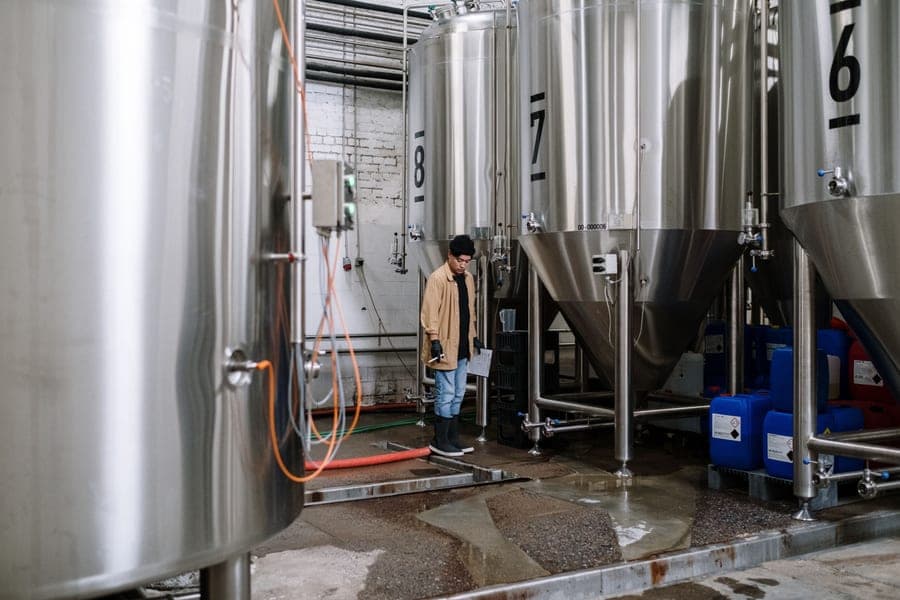
Stainless, plastic and pressure-capable conicals compared, with chamber-fit warnings.
Roundup
The Best Glycol Chillers for Homebrewing
Glycol chillers sized for homebrewing, and when a freezer is the better buy.