Roundup
The Best Budget Electric Brewing Systems
Cheap single-vessel systems are genuinely viable now. Here is what the saving actually costs you, spelled out rather than glossed over.
The short answer
A budget electric brewing system such as a VEVOR single-vessel unit will mash and boil a 5 gallon batch competently for a fraction of a Grainfather's price. What you give up is controller resolution, pump quality and long-term parts availability -- all survivable, except the last one.
DisclosureWe earn a commission on qualifying purchases made through links on this page, at no extra cost to you. It does not change what we recommend or how we rank it -- here is how we pick and here is the full disclosure.
At a glance
Quick picks
| # | Product | Best for | Price |
|---|---|---|---|
| 1 | Best budget pick VEVOR Electric Brewing System A competent single-vessel electric kettle with a grain basket, sold in several sizes. It heats, mashes and boils, and for a brewer testing the water that is the whole job. | Finding out whether all-grain suits you before committing real money | |
| 2 |  Best money spent alongside it KegLand MaltMuncher Grain Mill If you are saving money on the vessel, spend some of it here. Setting your own gap recovers more efficiency than the difference between a budget and a mid-tier system. | Recovering the efficiency a budget system loses to a shop crush | |
| 3 | 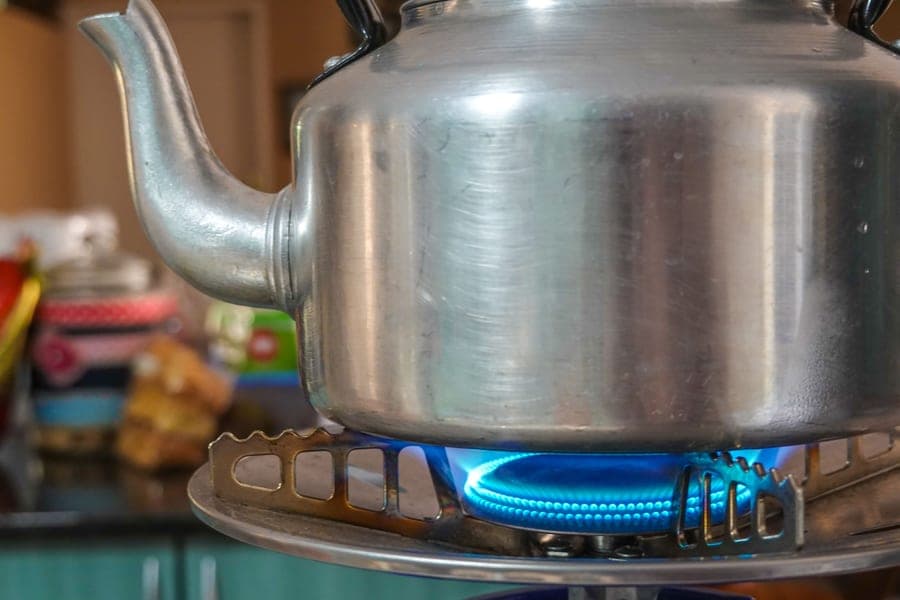 Best non-electric alternative at the price Bayou Classic Stainless Brew Kettle For the price of a budget electric system you can have a much larger stainless kettle and keep using a heat source you own. No controller to fail. | Brewers who already have a burner and would rather spend on capacity | |
| 4 | 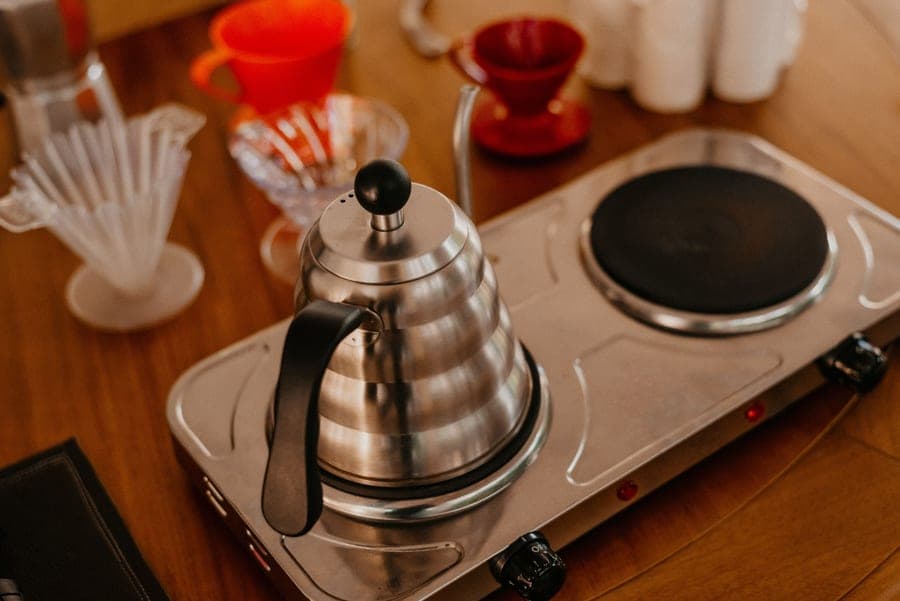 Worth saving for Anvil Foundry 10.5 Gallon Included deliberately as the comparison point. If you are confident you will still be brewing in three years, the mid tier is cheaper per year than replacing a budget system. | Brewers who already know they are staying in the hobby |
Prices are checked on Amazon when you click. We never print a number we cannot verify.
Budget versus mid tier: what the money buys
| Budget single vessel | Mid tier (Foundry / BrewZilla) | |
|---|---|---|
| Mashes and boils reliably | Yes | Yes |
| Controller resolution | Coarse, 1-2 F swing typical | Tight, sub-degree hold |
| Pump quality | Basic or none | Magnetic drive, serviceable |
| Step mash programming | Rare | Standard |
| Spare parts in 3 years | Uncertain | Established aftermarket |
| Resale value | Low | Holds value |
| Cost of entry | Lowest | Several times higher |
An orange rule marks the better of the two on that row.
The honest framing
A cheap system is a real option, with one real risk
Budget electric brewing systems have got good enough that dismissing them is no longer defensible. A generic single-vessel unit with a grain basket will hold a mash within a couple of degrees, boil a 5 gallon batch and produce beer nobody can distinguish from beer made on a system costing four times as much. The malt and the yeast do most of the work; the vessel is a bucket with a heater.
The compromises are mostly survivable. A coarser controller means your mash wanders a degree or two, which changes fermentability at the margins and will not be noticeable in the glass. A weaker pump means slower recirculation. No step-mash programming means you hit one temperature and hold it, which is what the overwhelming majority of recipes ask for anyway.
The one that is not survivable
Parts availability
The risk worth taking seriously is not build quality. It is whether you can buy a replacement element gasket, controller board or pump in three years. Established brands in this category have a functioning aftermarket; house-brand and marketplace units frequently do not, and a failed component on an unsupported unit means replacing the whole system.
That reframes the decision. The question is not “is the cheap one good enough” -- it usually is -- but “how long will I be brewing?” If the honest answer is “I am trying this out,” buy the budget system; it is the correct purchase and the mid tier would be money wasted on a hobby that might not stick. If you already know you will be brewing in five years, the mid tier costs less per year.
Buying checks
Four things to verify before you order
- Element wattage against your circuit. A 2800W unit on a 15A 120V circuit will trip the breaker. Match the draw to the outlet before worrying about anything else.
- Real finished volume. Budget listings quote vessel capacity aggressively. Assume 65 to 70 percent of nominal reaches the fermenter.
- Whether a pump is included. Frequently it is not, and a single-vessel system without recirculation has hot spots at the element and cold spots at the top of the grain bed.
- Whether the basket has a false bottom. Some budget units ship a bare mesh basket, which compacts and channels.
The picks, in order
Every pick in detail
#1
Best budget pick
Entry tier
VEVOR Electric Brewing System
VEVOR
A competent single-vessel electric kettle with a grain basket, sold in several sizes. It heats, mashes and boils, and for a brewer testing the water that is the whole job.
Spec sheet
- Capacity
- Multiple sizes, 30-65 L
- Power
- 1600-2800W
- Positioning
- Budget single vessel
What it is not good at
Parts availability is the real risk, not build quality. If the controller or element fails outside the return window, you may be buying a whole new unit rather than a component.
Who it is for
Finding out whether all-grain suits you before committing real money
#2
Best money spent alongside it
Entry tier
KegLand MaltMuncher Grain Mill
KegLand
If you are saving money on the vessel, spend some of it here. Setting your own gap recovers more efficiency than the difference between a budget and a mid-tier system.
Spec sheet
- Rollers
- 2 or 3 roller versions
- Gap
- Adjustable
- Positioning
- Budget adjustable mill
What it is not good at
A budget mill with a looser gap tolerance needs checking with a feeler gauge rather than trusting the dial markings.
Who it is for
Recovering the efficiency a budget system loses to a shop crush
#3
Best non-electric alternative at the price
Entry tier
Bayou Classic Stainless Brew Kettle
Bayou Classic
For the price of a budget electric system you can have a much larger stainless kettle and keep using a heat source you own. No controller to fail.
Spec sheet
- Capacity
- 8, 10, 16 and larger
- Material
- Stainless; tri-clad base on some models
- Ports
- Some SKUs ship with a valve and thermometer
- Heat source
- Gas burner or induction with a clad base
- Weld quality
- Stamped fittings, not welded ferrules
- Best for
- A first 10 gal kettle without the Spike price
What it is not good at
No temperature control at all -- you are managing the mash by infusion and attention. Stamped fittings rather than welded ferrules.
Who it is for
Brewers who already have a burner and would rather spend on capacity
#4
Worth saving for
Mid tier
Anvil Foundry 10.5 Gallon
Anvil Brewing Equipment
Included deliberately as the comparison point. If you are confident you will still be brewing in three years, the mid tier is cheaper per year than replacing a budget system.
Spec sheet
- Capacity
- 10.5 gal / 40 L
- Power
- Switchable 120V 1600W or 240V 2800W
- Heating
- Triple low-watt-density element
- Pump
- Optional recirculation pump
- Grain basket
- High-flow, dual-height false bottom
- Material
- 304 stainless
What it is not good at
Several times the price of the budget options, and the pump is extra. Not the right call if you are still unsure about all-grain.
Who it is for
Brewers who already know they are staying in the hobby
FAQ
Questions brewers actually ask
Are cheap electric brewing systems any good?
Functionally, yes. A budget single-vessel unit will hold a mash within a couple of degrees and boil a 5 gallon batch, and the resulting beer is not distinguishable from beer made on a system costing several times more. The genuine risk is parts availability rather than performance: if a controller or element fails in three years and no replacement part is sold, you replace the whole system.
Is a VEVOR brewing system worth buying?
As a way to find out whether all-grain brewing suits you, it is a reasonable purchase: it does the job for a small fraction of the mid tier's price. As a system you intend to keep for a decade, it is a worse value than an Anvil Foundry or BrewZilla, because the established brands have a real aftermarket and hold resale value. Match the purchase to how certain you are about the hobby.
What should I upgrade first on a budget brewing setup?
Fermentation temperature control, then a grain mill. A dual-stage controller and a used refrigerator will do more for how your beer tastes than any difference between brewing systems, because fermentation temperature governs the flavor compounds yeast produces. A mill comes second because setting your own crush gap typically recovers more mash efficiency than upgrading the vessel would.
Can I add a pump to a budget brewing system later?
Usually yes, with a generic food-grade magnetic drive pump and silicone tubing, provided the vessel has a valve you can draw from. It is one of the easier retrofits, and it is the upgrade that most improves a single-vessel system's mash consistency. Check the valve thread and the vessel's dead space below the outlet before buying the pump.
Also useful
Read next
More on brewing systems
Roundup
The Best Electric All-in-One Brewing Systems
Five all-in-one systems compared on finished volume, voltage and parts support.

Roundup
The Best Homebrew Starter Kits
Starter kits compared, plus the two things almost every kit leaves out.
Roundup
The Best Fermentation Temperature Controllers
Dual-stage controllers compared, with the probe-placement rule that matters most.

Roundup
The Best Grain Mills for Homebrewing
Grain mills compared on rollers, gap adjustment and build quality.
Roundup
The Best All-Grain Brewing Systems
Single-vessel, hybrid and welded all-grain approaches compared on time, space and cost.
Roundup
The Best 10 Gallon Brewing Systems
Ten gallon systems, and why element power matters more than vessel size.