Guide
Brewing System Generations, Explained
Nobody else resolves this, and it is where buying advice in this category goes stale. Here is what each revision actually changed.
The short answer
BrewZilla Gen 4.1 differs from Gen 4 and Gen 3 in base geometry, pump placement and connectivity; the Anvil Foundry 6.5 and 10.5 differ in batch-size ceiling, not just capacity; and the Grainfather G30, G40 and G70 are three batch sizes sharing one control platform. A review that does not state its revision may describe hardware two versions old.
DisclosureWe earn a commission on qualifying purchases made through links on this page, at no extra cost to you. It does not change what we recommend or how we rank it -- here is how we pick and here is the full disclosure.
Why this page exists
Generation confusion is a buying hazard
Search for a review of any popular all-in-one and you will find pages that do not state which revision they describe. Retailer listings say “BrewZilla 35L” without a generation. Secondhand sellers frequently do not know. The practical consequence is that advice you read may be about a machine with a different pump, a different base and different connectivity from the one you are about to buy.
Demand is visibly fragmented across these revisions -- brewers search for “BrewZilla Gen 4.1” and “Anvil Foundry 6.5 vs 10.5” as distinct questions -- and almost nobody answers them properly. This page does.
BrewZilla
Gen 3, Gen 4 and Gen 4.1
| Feature | Gen 3 | Gen 4 | Gen 4.1 |
|---|---|---|---|
| Base geometry | Flat with dead space | Improved | Fully concave, drains out |
| Pump position | Buried in base | Base | Relocated, easy access |
| Pump protection | Limited | Improved | False bottom screen |
| Connectivity | None or basic | RAPT on some SKUs | RAPT wifi standard |
| Delay timer | No | Varies | Yes |
| Chiller included | Varies | Yes | Yes |
An orange rule marks the better of the two on that row.
What to do with this: buy the 4.1 new. The concave base means the vessel genuinely empties rather than leaving you to mop out standing wort, and the relocated pump means cleaning and eventual replacement are a ten-minute job rather than a dismantling exercise. Those are ownership improvements, not spec-sheet ones, and the discount on an older generation rarely compensates. Full detail in the BrewZilla Gen 4 review.
Anvil Foundry
6.5 vs 10.5 is a ceiling, not a preference
The Foundry comes in 6.5 and 10.5 gallon vessels, and the difference is widely treated as “how big do you want it.” It is not. It is where your batch sizes stop.
- Foundry 6.5. A 5 gallon-batch machine. Pre-boil volume for a 5 gallon batch is around 7 gallons, so 6.5 is already tight, and 10 gallon batches are impossible at any voltage.
- Foundry 10.5. Comfortable at 5 gallons, capable at 10 provided you run the 240V setting. The dual-voltage heater and the vessel volume only combine usefully on this version.
Both share the switchable 120V/240V triple low-watt-density heater and the high-flow grain basket with its dual-height false bottom. See the Foundry review.
Grainfather
G30, G40 and G70 are sizes, not revisions
Grainfather’s naming is the clearest of the three brands. The numbers are nominal vessel capacity in liters, and the control platform, pump philosophy and included counterflow chiller are shared across the range.
- G30 -- 30 L, around 23 L finished. A 5 to 6 gallon batch. Fits a kitchen counter.
- G40 -- 40 L, around 30 L finished. A full 8 gallon batch, or a 6 gallon high-gravity one. The practical ceiling for homebrewing.
- G70 -- considerably larger. Beyond most homebrew setups, and at that volume your fermenter and keg capacity become the binding constraints rather than the brewing vessel.
Detail in the G30 and G40 review.
FermZilla
Gen 3 and 3.2, because the cold side has this too
Generation confusion is not limited to the hot side. FermZilla fermenters have revised through Gen 3 and Gen 3.2, with changes to the tri-clover ferrule arrangement and the dump valve on the Tri-Conical models -- current versions have a 3 inch tri-clover ferrule molded into the tank and a redesigned tri-clover dump valve. If you are buying a FermZilla, the same rule applies: confirm the revision.
See FermZilla Conical vs All Rounder and the All Rounder review.
What we recommend
The products on this page
Current BrewZilla
Mid tier
BrewZilla Gen 4.1 35 L
KegLand
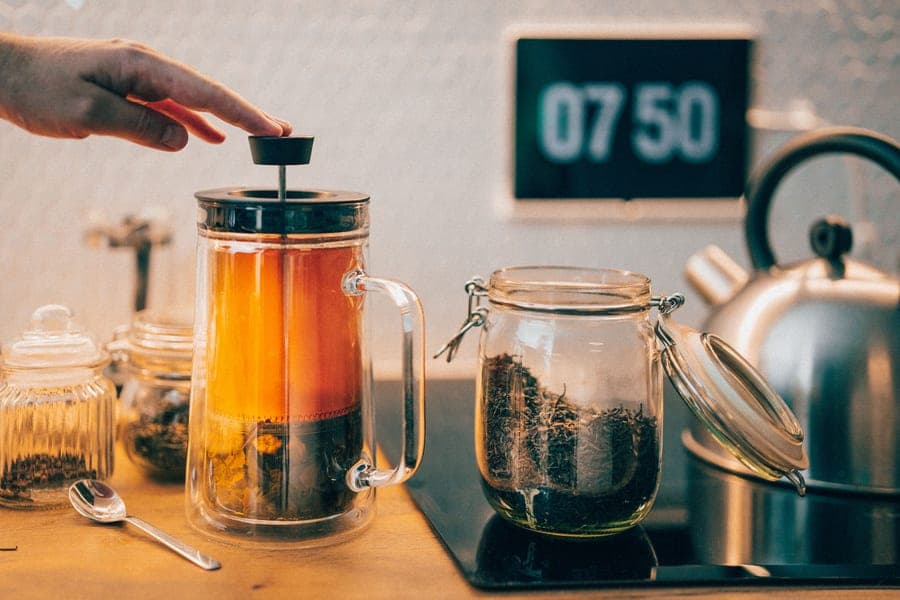
The Gen 4.1 is the revision to buy: fully concave draining base, accessible pump position, pump protection screen, RAPT wifi and step-mash programming.
Spec sheet
- Capacity
- 35 L / 9.2 gal
- Power
- 110V 1600W / 220V 2500W (region dependent)
- Connectivity
- RAPT wifi, step mash, delay timer
- Pump
- Built-in magnetic drive, easy-access base
- Base
- Fully concave draining base
- Included
- Counterflow chiller, grain basket
What it is not good at
Earlier generations are still sold and still reviewed as current, so confirm the revision in writing before ordering.
Who it is for
Anyone buying a BrewZilla new
Current Foundry to buy
Mid tier
Anvil Foundry 10.5 Gallon
Anvil Brewing Equipment
The 10.5 gallon version is the one with a future: the switchable heater and the vessel volume together make 10 gallon batches possible.
Spec sheet
- Capacity
- 10.5 gal / 40 L
- Power
- Switchable 120V 1600W or 240V 2800W
- Heating
- Triple low-watt-density element
- Pump
- Optional recirculation pump
- Grain basket
- High-flow, dual-height false bottom
- Material
- 304 stainless
What it is not good at
The 6.5 is cheaper and perfectly good, but caps you at 5 gallon batches permanently.
Who it is for
Brewers who want headroom for 10 gallon batches
The Grainfather middle size
Prosumer tier
Grainfather G40
Grainfather
The G40 is the practical ceiling for homebrewing: around 30 L finished, which covers a full 8 gallon batch.
Spec sheet
- Capacity
- 40 L / 10.5 gal
- Max batch
- ~30 L / 8 gal into the fermenter
- Control
- Bluetooth app, programmable step mash
- Pump
- Variable-speed recirculation pump
- Chiller
- Counterflow wort chiller included
- Grain capacity
- ~9 kg / 20 lb
What it is not good at
The G30's 23 L finished volume is tight for high-gravity beers, and the G70 is beyond most homebrew setups.
Who it is for
Brewers choosing between G30, G40 and G70
FAQ
Questions brewers actually ask
What is the difference between BrewZilla Gen 4 and Gen 4.1?
The 4.1 has a fully concave draining base so the vessel empties properly rather than leaving standing wort, and it relocated the pump to an accessible position with a false-bottom protection screen. Both changes address long-standing owner complaints and affect day-to-day ownership more than the specification sheet.
Is the Anvil Foundry 6.5 big enough for 5 gallon batches?
Yes, but with little margin. Pre-boil volume for a 5 gallon batch is around 7 gallons and the vessel is 6.5, so you are brewing close to capacity and watching the boil rather than running it. It also closes the door on 10 gallon batches permanently, regardless of what voltage you feed it.
Are Grainfather G30 and G40 different generations?
No, they are different sizes of the same system. The numbers refer to nominal vessel capacity in liters, and the control platform, pump approach and included counterflow chiller are shared. Choosing between them is purely a question of batch size and the footprint you can accommodate.
Why do brewing system generations matter so much?
Because the changes are functional rather than cosmetic, and because the market does not label them clearly. A review of a BrewZilla Gen 3 describes a machine with a different base and a buried pump, which is not useful guidance for a Gen 4.1 buyer. Parts compatibility also varies across revisions, so a consumable that fits one generation may not fit another.
How do I check which generation a system is before buying?
Ask the seller in writing and get the revision stated explicitly, rather than inferring it from the capacity in the listing title. For used purchases, ask for a photo of the base and the pump area, since that is where the BrewZilla revisions differ most visibly. For new purchases, confirm with the retailer rather than relying on the product page.
Sources
Read next
More on brewing systems
Review
BrewZilla Gen 4 and 4.1 Review
The Gen 4.1 revisions, what they fixed, and whether to buy new or used.
Review
Anvil Foundry 10.5 Review
The dual-voltage all-in-one, reviewed on what it does and does not include.
Review
Grainfather G30 and G40 Review
G30 or G40, and whether Grainfather's premium buys anything you need.
Comparison
BrewZilla vs Grainfather vs Anvil Foundry
All three mid-tier systems in one table, with a clear pick for each buyer.
Comparison
FermZilla Conical vs All Rounder
Whether the collection butt justifies the extra height and cleaning.
Roundup
The Best Electric All-in-One Brewing Systems
Five all-in-one systems compared on finished volume, voltage and parts support.