Roundup
The Best Conical Fermenters for Mead
A cone earns its keep on a fruited mead and works against you on a long-aged traditional. Here is the distinction nobody draws.
The short answer
A conical fermenter helps with mead when you are making fruited melomels with heavy lees, because the cone lets you dump sediment without racking. It works against you for long-aged traditional mead, where a part-full conical's wide flat liquid surface is the wrong geometry. Use a cone for primary, glass or a floating-lid tank for aging.
DisclosureWe earn a commission on qualifying purchases made through links on this page, at no extra cost to you. It does not change what we recommend or how we rank it -- here is how we pick and here is the full disclosure.
At a glance
Quick picks
| # | Product | Best for | Price |
|---|---|---|---|
| 1 | Best conical for mead Craft A Brew Catalyst Fermentation System A true cone with a bottom dump valve in clear PET. Dumping fruit lees without racking is exactly what a cone is for on a melomel, and being able to see the layer drop is genuinely useful. | Fruited melomels with heavy lees, and brewers who want to see it happen | |
| 2 |  Best pressure-capable option FermZilla Tri-Conical 27 L The collection butt dumps fruit lees cleanly, and with the pressure kit you can push the mead to its aging vessel under CO2 rather than siphoning through air. | Mead makers who want closed transfer to a glass aging vessel | |
| 3 | 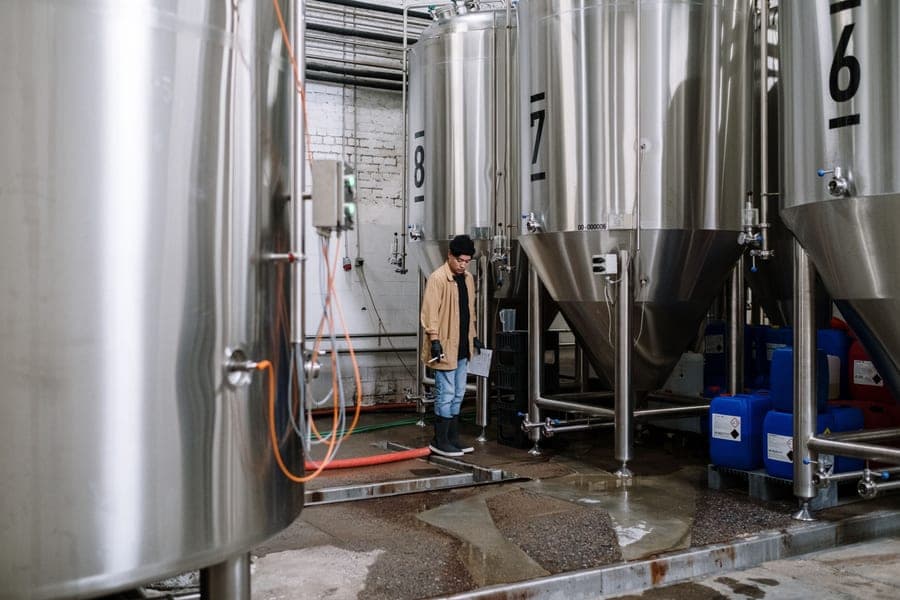 Best stainless cone Spike Brewing CF5 Conical Fermenter Welded stainless with a dump valve and pressure capability. If you already have one, it is an excellent mead primary and you lose nothing by using it. | Mead makers who already own one for beer | |
| 4 | 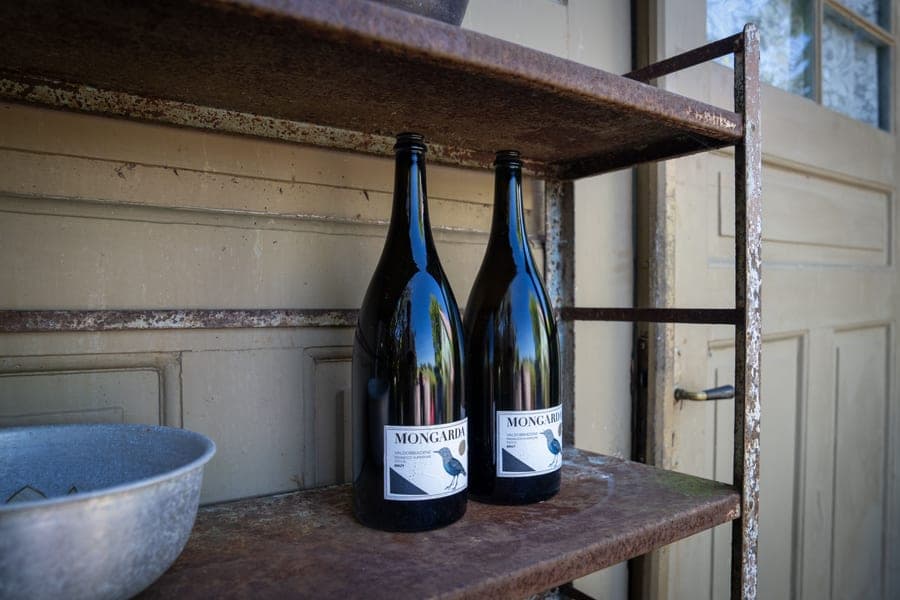 Where the mead goes next Glass Demijohn 5-6 Gallon The honest companion to any conical mead primary. Narrow neck, perfect oxygen barrier, and cheap enough to own several. | The months of aging after primary | |
| 5 | 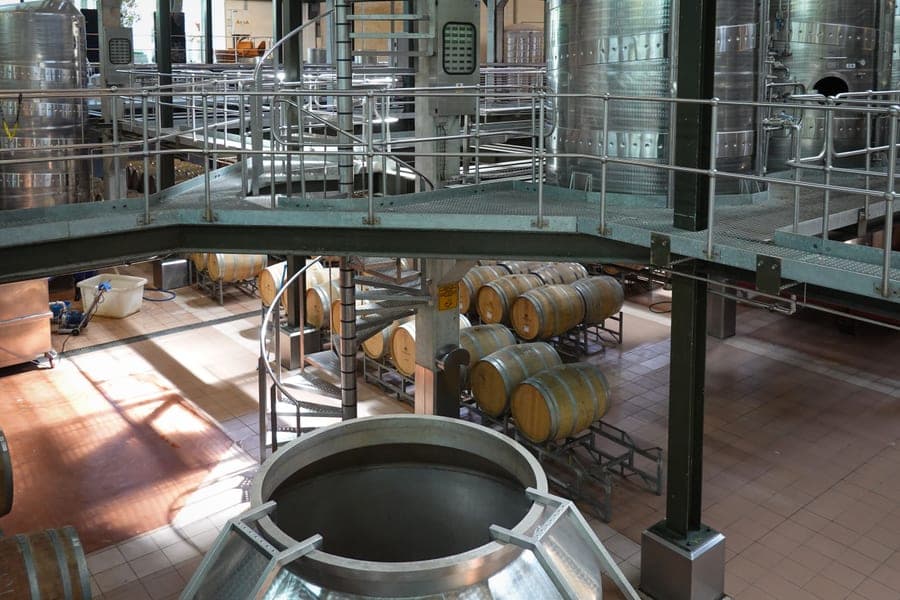 The one vessel that does both Variable-Capacity Stainless Wine Tank A floating lid eliminates headspace at every volume, so one vessel can ferment and then age without a transfer or a topping-up routine. | Mead makers who want a single vessel from pitch to bottle |
Prices are checked on Amazon when you click. We never print a number we cannot verify.
Where a cone helps and hurts for mead
| Phase | Cone helps | Cone hurts |
|---|---|---|
| Primary, fruited melomel | Dump fruit lees without racking | -- |
| Primary, traditional | Clean lees drop | -- |
| Secondary, 2-3 months | Neutral | Headspace if part full |
| Long aging, 6-12 months | -- | Wide flat surface to headspace |
| Transfer out | Valve, no siphon | -- |
An orange rule marks the better of the two on that row.
Why this page exists
Nobody separates primary from aging
Search for a conical fermenter for mead and you get beer content, or beginner kit lists. Nobody draws the distinction that actually matters: a cone is useful for one phase of a mead’s life and counterproductive for another, and the answer depends on which phase you are asking about.
This is the same material-versus-geometry point that runs through this hub, and it is worth stating plainly.
Where a cone genuinely helps
Fruit, and lots of it
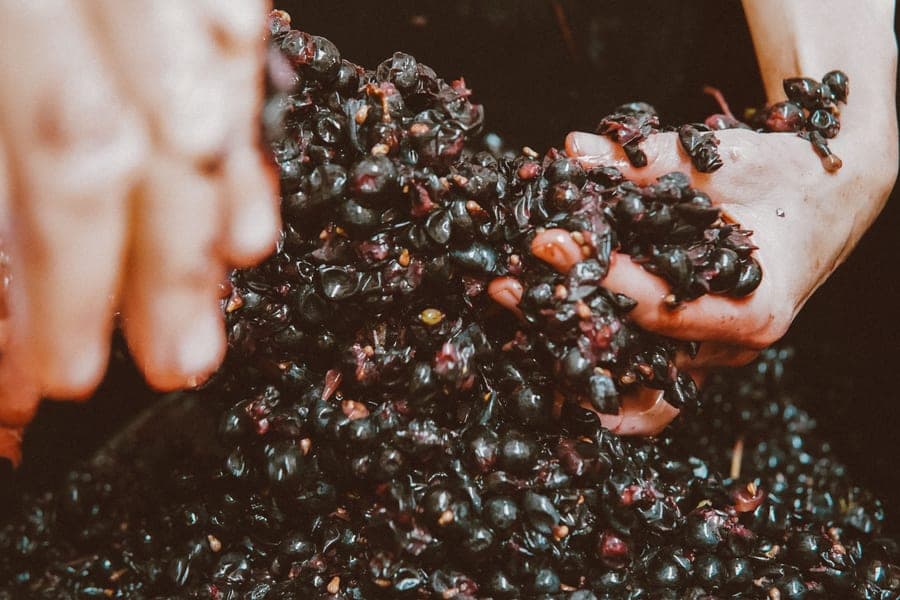
The strongest case for a conical mead vessel is a melomel -- a fruited mead. Fruit contributes substantial solids: pulp, skins, seeds and pectin haze all settle out, and the lees layer from a heavily fruited mead is thick in a way a beer trub layer is not.
In a carboy that means racking carefully off a deep bed, repeatedly, and every rack is an oxygen exposure. In a cone you open the dump valve and the lees leave from the bottom, with the mead undisturbed above it. For a melomel with two or three fruit additions, that is a real workflow advantage.
Secondary benefits for any mead:
- A valve instead of a siphon. Transfers are gentler and you are not restarting a siphon into a narrow neck.
- Clean lees for yeast reuse, if you are making consecutive meads with the same strain.
- Closed transfer, on a pressure-rated cone -- pushing mead to its aging vessel under CO2 rather than siphoning through air. For something that will sit for nine months, starting it with less dissolved oxygen is worth having.
Where a cone works against you
The long age
After fermentation, a mead typically sits for six to twelve months. At that point the cone’s geometry becomes a liability rather than an asset.
A conical vessel at part volume presents a wide, flat liquid surface to whatever air is above it. A narrow-necked carboy holding the same volume presents a fraction of that surface area to the same headspace. Over months, surface area in contact with oxygen is what determines how much oxidation you get.
So a conical is not the wrong material -- stainless is ideal, PET less so -- it is the wrong shape for that phase. And a conical kept completely full is impractical, because you need headspace during fermentation and then you have drawn samples.
Material
PET is fine for primary, wrong for aging
Clear PET conicals are attractive for mead primary because you can watch the fruit lees drop and judge exactly when to dump. They are also cheap, which matters when the vessel is one of two you need.
They are the wrong material for the aging phase, for the same reason as everywhere else in this hub: PET is slightly oxygen-permeable, which is immaterial over two weeks and genuinely relevant over nine months. Full argument in stainless vs plastic fermenters.
The picks, in order
Every pick in detail
#1
Best conical for mead
Entry tier
Craft A Brew Catalyst Fermentation System
Craft A Brew
A true cone with a bottom dump valve in clear PET. Dumping fruit lees without racking is exactly what a cone is for on a melomel, and being able to see the layer drop is genuinely useful.
Spec sheet
- Capacity
- 6.5 gal / 25 L
- Cone
- True cone with a bottom dump valve
- Material
- Clear PET on a steel stand
- Pressure
- No -- atmospheric only
- Visibility
- Clear -- you can watch the trub drop
- Longevity
- PET scratches; treat it as a consumable
What it is not good at
PET is the wrong material for months of aging, and the cone shape is the wrong geometry too. A primary vessel, not a home.
Who it is for
Fruited melomels with heavy lees, and brewers who want to see it happen
#2
Best pressure-capable option
Mid tier
FermZilla Tri-Conical 27 L
KegLand
The collection butt dumps fruit lees cleanly, and with the pressure kit you can push the mead to its aging vessel under CO2 rather than siphoning through air.
Spec sheet
- Capacity
- 27 L / 7.1 gal (also 55 L)
- Cone
- Detachable collection butt for yeast harvest
- Fitting
- 3 in tri-clover ferrule molded into the tank
- Valve
- Redesigned tri-clover dump valve
- Material
- Clear PET body
- Pressure
- Yes, with the pressure kit
What it is not good at
Pressure kit is extra. Still PET, so still a primary vessel rather than an aging one.
Who it is for
Mead makers who want closed transfer to a glass aging vessel
#3
Best stainless cone
Prosumer tier
Spike Brewing CF5 Conical Fermenter
Spike Brewing
Welded stainless with a dump valve and pressure capability. If you already have one, it is an excellent mead primary and you lose nothing by using it.
Spec sheet
- Capacity
- 8 gal / 30 L (5 gal batch)
- Material
- Welded 304 stainless, no crevices
- Pressure
- Rated for pressure transfer and spunding
- Ports
- Tri-clamp throughout
- Cone
- Full cone with a dump valve
- Options
- Cooling coil, thermowell, CIP arm
What it is not good at
Buying one for mead specifically is the wrong purchase -- the shape does not suit the long aging that follows.
Who it is for
Mead makers who already own one for beer
#4
Where the mead goes next
Entry tier
Glass Demijohn 5-6 Gallon
Various
The honest companion to any conical mead primary. Narrow neck, perfect oxygen barrier, and cheap enough to own several.
Spec sheet
- Capacity
- 5-6 gal (smaller sizes common in Europe)
- Material
- Glass -- fully oxygen-impermeable
- Neck
- Narrow, takes a #6.5 or #7 bung
- Cleaning
- Needs a carboy brush; no wide access
- Weight
- Heavy full; use a milk-crate carrier
- Best for
- Long bulk aging where oxygen is the enemy
What it is not good at
Heavy, fragile and hard to inspect. You still have to keep it full.
Who it is for
The months of aging after primary
#5
The one vessel that does both
Prosumer tier
Variable-Capacity Stainless Wine Tank
Speidel / Marchisio
A floating lid eliminates headspace at every volume, so one vessel can ferment and then age without a transfer or a topping-up routine.
Spec sheet
- Capacity
- 30 L to 100 L and beyond
- Lid
- Floating lid with an inflatable gasket
- Headspace
- Adjustable -- the lid drops to the wine line
- Material
- 304 stainless
- Valve
- Racking valve, optional thermowell
- Why it matters
- Solves the part-full-carboy oxidation problem
What it is not good at
Expensive, and no cone -- so lees removal means racking rather than dumping.
Who it is for
Mead makers who want a single vessel from pitch to bottle
FAQ
Questions brewers actually ask
Is a conical fermenter good for mead?
For primary fermentation, yes, especially for fruited melomels where the lees layer is thick and a dump valve saves repeated racking. For the months of aging that follow, no: a part-full conical presents a wide flat liquid surface to its headspace, which is the worst geometry for long aging. Use a cone for primary and glass or a floating-lid tank for aging.
What size conical fermenter do I need for mead?
The same rule as beer: 20 to 25 percent above your batch volume, so 6.5 to 8 gallons for a 5 gallon mead. Mead fermentations are less foamy than beer but still need headspace, and a fruited melomel with fruit floating on top needs more rather than less. Remember you will transfer out of it for aging anyway.
Can I age mead in a conical fermenter?
You can, and it is not the best vessel for it. The material may be ideal if it is stainless, but the shape is not: a conical at part volume exposes a wide flat liquid surface to its headspace, where a narrow-necked carboy exposes a fraction of that surface to the same volume of air. Over six to twelve months, that surface area is what determines oxidation.
Why use a conical for a melomel specifically?
Because fruit contributes far more solids than honey does. Pulp, skins, seeds and pectin all settle into a thick lees layer, and in a carboy that means racking carefully off a deep bed several times, with each rack exposing the mead to oxygen. A dump valve removes the lees from the bottom with the mead undisturbed above it.
Is a plastic conical ok for mead?
For primary fermentation, yes, and being able to watch the fruit lees drop is genuinely useful. For the aging phase, no: PET is slightly oxygen-permeable, which is immaterial across a two-week beer fermentation and relevant across a nine-month mead. Transfer to glass or stainless once primary fermentation slows.
Read next
More on wine & mead

Roundup
The Best Mead Fermenters
Vessels for mead's long timescale, where beer vessel advice stops applying.
Roundup
The Best Conical Fermenters
Stainless, plastic and pressure-capable conicals compared, with chamber-fit warnings.
Guide
Pressure Fermenting Mead and Wine
What pressure changes for mead and wine, and why oxygen matters more here.
Comparison
Stainless vs Plastic Fermenters
Durability, sanitation and real cost per year, honestly compared.