Roundup
The Best Wine Fermenters
Wine's real vessel problem is headspace during months of aging. One vessel type solves it outright, and almost nobody writes about it.
The short answer
A variable-capacity stainless wine tank is the best wine fermenter because its floating lid with an inflatable gasket drops to the wine line, eliminating headspace at any volume and removing the need to top up. For smaller batches, a glass carboy kept full is the correct and much cheaper answer.
DisclosureWe earn a commission on qualifying purchases made through links on this page, at no extra cost to you. It does not change what we recommend or how we rank it -- here is how we pick and here is the full disclosure.
At a glance
Quick picks
| # | Product | Best for | Price |
|---|---|---|---|
| 1 | Best overall Variable-Capacity Stainless Wine Tank A floating lid with an inflatable gasket sits directly on the wine at whatever level it is at, so headspace is zero by design. Sizes from 30 L upward, with a racking valve and optional thermowell. | Winemakers who age in bulk and are tired of topping up | |
| 2 | 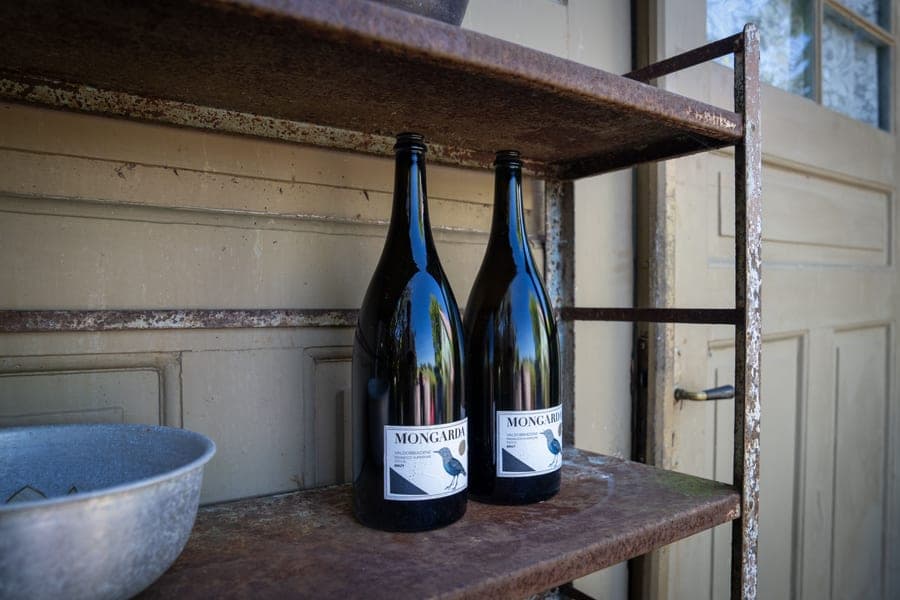 Best value aging vessel Glass Demijohn 5-6 Gallon Completely oxygen-impermeable, narrow-necked to minimize exposed surface, and cheap. For most home winemakers this is the correct vessel and the tank is a luxury. | Six gallon kit batches aged in bulk | |
| 3 | 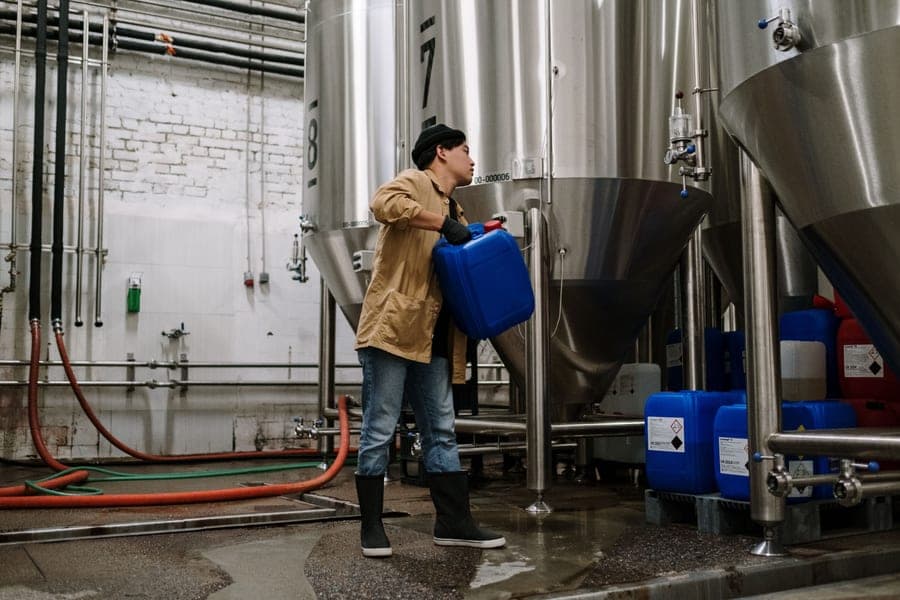 Best primary fermenter Speidel Plastic Fermenter 30 L Food-grade HDPE with a wide mouth and a square footprint. Punching down a red must and cleaning afterwards both need access, which is what this gives you. | The vigorous first week, especially for reds | |
| 4 | 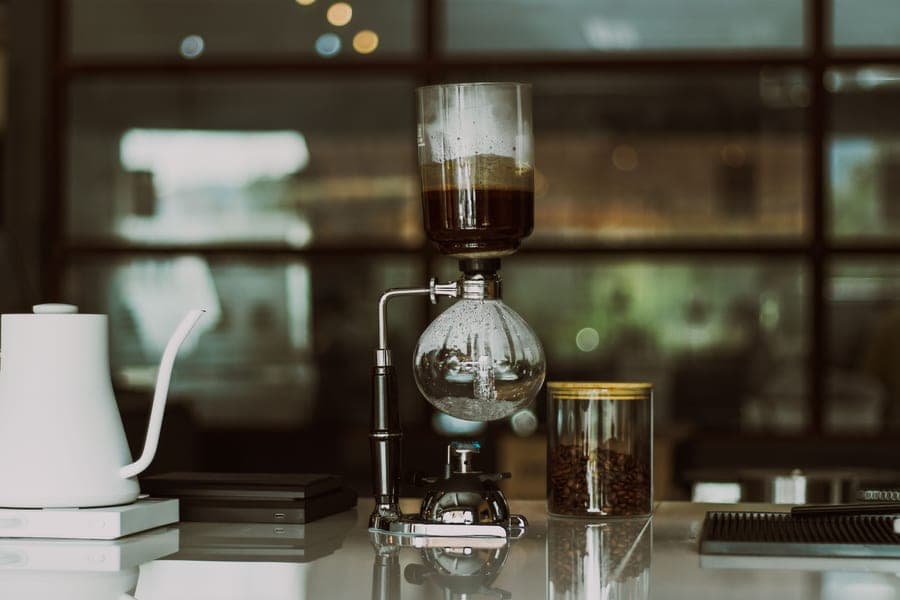 If you own nothing Complete Wine Making Equipment Kit Primary bucket, carboy, airlock, auto-siphon and hydrometer -- the complete set of what a wine kit assumes you have. | First-time winemakers | |
| 5 | 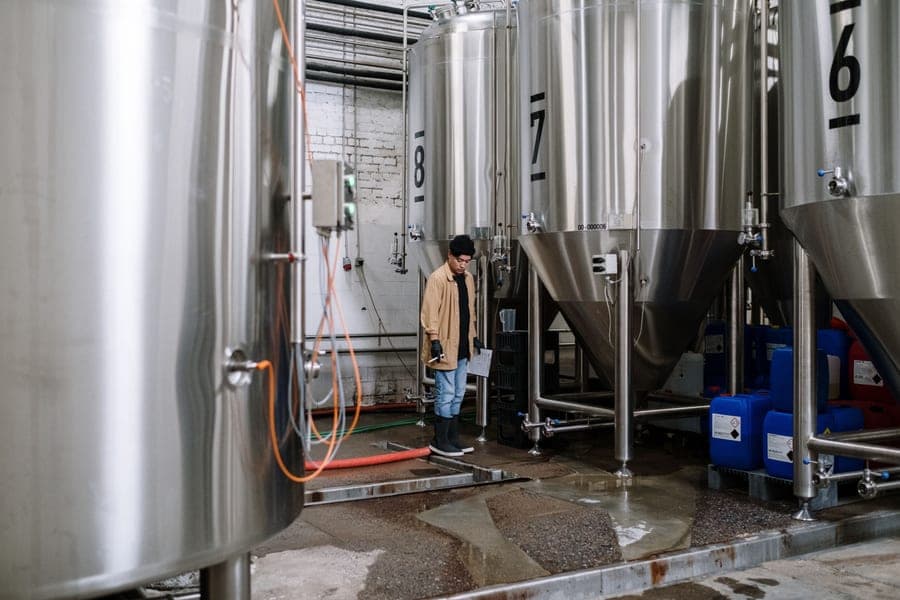 The beer vessel caution Ss Brewtech Brew Bucket Stainless and well made, and the wrong shape for long aging: a part-full conical presents a wide flat liquid surface to its headspace. | Short-aged wines only |
Prices are checked on Amazon when you click. We never print a number we cannot verify.
Headspace control compared
| Variable capacity tank | Glass carboy | Primary bucket | |
|---|---|---|---|
| Headspace at part volume | Zero -- lid floats down | Must top up | Large, but CO2 protected |
| Oxygen barrier | Perfect | Perfect | Permeable, but short term |
| Suits months of aging | Yes | Yes, kept full | No |
| Punching down a red must | Good access | Impossible | Best access |
| Cleaning | Good | Brush only | Easy |
| Weight full | Heavy | Very heavy | Manageable |
| Cost | High | Low | Lowest |
An orange rule marks the better of the two on that row.
The problem wine has
Months of headspace
Beer brewers worry about headspace during fermentation, which is the opposite of the real concern -- during fermentation you want headspace for krausen, and CO2 production keeps oxygen out anyway.
Wine’s problem comes afterwards. Once fermentation finishes, the wine sits for months with whatever air is above it. Transfer 5.5 gallons out of a 6 gallon batch into a 6 gallon carboy and you have half a gallon of air on top of a wine that will be there until spring. Across that span, oxygen dulls the fruit, browns whites and eventually produces sherry-like oxidation.
The standard advice is to top up -- with a similar wine, which means having some, or with water, which dilutes what you made. Both are compromises, and both are why winemaking instructions nag about it.
The vessel that solves it
A floating lid
A variable-capacity tank has a lid that is not fixed to the top of the vessel. It floats down to the wine surface and seals against the tank wall with an inflatable gasket, so the wine is covered at whatever level it happens to be. Draw off two bottles for tasting and the lid drops two bottles’ worth. Headspace is zero by design, at every volume.
That is a genuinely elegant solution to wine’s central vessel problem, and it is almost entirely absent from home-scale winemaking content -- which is why it is our top pick here despite being the expensive option.
- Sizes from around 30 L upward, so a 6 gallon kit fits comfortably with room to spare and the lid simply sits lower.
- 304 stainless, so a perfect oxygen barrier and cleanable with anything.
- Racking valve and optional thermowell, so you can draw wine without a siphon and control temperature from the liquid.
- The gasket is the maintenance item. It needs inflating properly and checking periodically; a flat gasket is a leaking lid.
The honest cheaper answer
A carboy you keep full
Most home winemakers should buy a glass carboy, and the tank is a luxury. A 6 gallon carboy filled to the neck has very little exposed surface, glass is a perfect oxygen barrier, and it costs a fraction of a tank.
The two rules that make it work:
- Size the vessel to the wine, not the batch. If you end up with 5.5 gallons, two smaller carboys that are both full beat one 6 gallon carboy that is not.
- Use CO2 if you have it. A beer brewer with a kegging setup can flush a headspace with CO2 in seconds, which makes the topping-up question largely academic -- CO2 regulators.
The picks, in order
Every pick in detail
#1
Best overall
Prosumer tier
Variable-Capacity Stainless Wine Tank
Speidel / Marchisio
A floating lid with an inflatable gasket sits directly on the wine at whatever level it is at, so headspace is zero by design. Sizes from 30 L upward, with a racking valve and optional thermowell.
Spec sheet
- Capacity
- 30 L to 100 L and beyond
- Lid
- Floating lid with an inflatable gasket
- Headspace
- Adjustable -- the lid drops to the wine line
- Material
- 304 stainless
- Valve
- Racking valve, optional thermowell
- Why it matters
- Solves the part-full-carboy oxidation problem
What it is not good at
Expensive and larger than one 6 gallon kit needs. The gasket needs checking and occasional re-inflation.
Who it is for
Winemakers who age in bulk and are tired of topping up
#2
Best value aging vessel
Entry tier
Glass Demijohn 5-6 Gallon
Various
Completely oxygen-impermeable, narrow-necked to minimize exposed surface, and cheap. For most home winemakers this is the correct vessel and the tank is a luxury.
Spec sheet
- Capacity
- 5-6 gal (smaller sizes common in Europe)
- Material
- Glass -- fully oxygen-impermeable
- Neck
- Narrow, takes a #6.5 or #7 bung
- Cleaning
- Needs a carboy brush; no wide access
- Weight
- Heavy full; use a milk-crate carrier
- Best for
- Long bulk aging where oxygen is the enemy
What it is not good at
Heavy and fragile, with no way to inspect the interior properly. You still have to top up.
Who it is for
Six gallon kit batches aged in bulk
#3
Best primary fermenter
Entry tier
Speidel Plastic Fermenter 30 L
Speidel
Food-grade HDPE with a wide mouth and a square footprint. Punching down a red must and cleaning afterwards both need access, which is what this gives you.
Spec sheet
- Capacity
- 30 L / 7.9 gal
- Material
- Food-grade HDPE
- Mouth
- Wide, square footprint
What it is not good at
Opaque, plastic, and the wrong vessel for the aging stage. A transfer vessel, not a home.
Who it is for
The vigorous first week, especially for reds
#4
If you own nothing
Entry tier
Complete Wine Making Equipment Kit
Midwest / Northern Brewer
Primary bucket, carboy, airlock, auto-siphon and hydrometer -- the complete set of what a wine kit assumes you have.
Spec sheet
- Batch size
- 6 gal
- Primary
- Food-grade bucket with a lid and airlock grommet
- Secondary
- 6 gal glass or PET carboy
- Transfer
- Auto-siphon and tubing
- Measurement
- Hydrometer and test jar
- Not included
- The wine kit itself, and usually a corker
What it is not good at
Largely redundant for a beer brewer. Check your shelves first.
Who it is for
First-time winemakers
#5
The beer vessel caution
Mid tier
Ss Brewtech Brew Bucket
Ss Brewtech
Stainless and well made, and the wrong shape for long aging: a part-full conical presents a wide flat liquid surface to its headspace.
Spec sheet
- Capacity
- 7 gal / 26 L (5 gal batch)
- Cone angle
- 40 degrees
- Valve
- Rotating racking arm, stainless ball valve
- Lid
- Silicone-gasketed, non-pressure
- Material
- Polished 304 stainless
- Pressure rated
- No
What it is not good at
Material right, geometry wrong. Use it for primary, not for a six-month age.
Who it is for
Short-aged wines only
FAQ
Questions brewers actually ask
What is a variable capacity wine tank?
A stainless vessel with a lid that floats down onto the wine surface and seals against the tank wall with an inflatable gasket, so the wine is covered at whatever level it is at. Headspace is zero by design at every volume, which removes the need to top up and solves wine's central aging problem outright.
What is the best fermenter for home winemaking?
A glass carboy kept full is the correct answer for most home winemakers: glass is completely oxygen-impermeable, the narrow neck minimizes exposed surface, and it costs a fraction of a stainless tank. A variable-capacity stainless tank is better because its floating lid eliminates headspace entirely, and it is a luxury rather than a necessity at 6 gallon scale.
Can I use a conical fermenter for wine?
For primary fermentation, yes. For months of bulk aging, no -- not because of the material but because of the shape. A part-full conical presents a wide flat liquid surface to its headspace, which is the worst geometry for long aging, where a narrow-necked carboy exposes a fraction of the same surface to the same volume of air.
Do I need to top up a wine carboy?
Unless the vessel is full, yes. Once fermentation finishes there is no CO2 production keeping oxygen away, so air in the headspace slowly oxidizes the wine over the months it sits there. Top up with a similar wine, flush the headspace with CO2 if you have a kegging setup, or transfer into a smaller vessel the wine actually fills.
Should I ferment wine in plastic or glass?
Plastic for primary, glass or stainless for aging. The first vigorous week benefits from a wide-mouth plastic vessel you can punch down a red must in and clean easily, and oxygen cannot get in against the CO2 flow. The months that follow need an impermeable vessel, because plastic's slow oxygen transmission becomes relevant over that timescale.
Read next
More on wine & mead
Comparison
Demijohn vs Carboy
The terminology settled, then the glass-versus-PET decision that matters.

Roundup
The Best Mead Fermenters
Vessels for mead's long timescale, where beer vessel advice stops applying.
Comparison
Conical Fermenter vs Carboy
Oxygen exclusion against access and safety, and which beverage needs which.