Guide
Brew Day Upgrade Order
Five purchases in order of return per dollar. Most brewers do these roughly backwards.
The short answer
Buy in this order: fermentation temperature control, a grain mill, a correctly sized kettle with a valve, hop containment if you own a pump, and only then a brewing system. Most brewers reverse this and buy the system first, which is the most expensive item and not the one that most improves the beer.
DisclosureWe earn a commission on qualifying purchases made through links on this page, at no extra cost to you. It does not change what we recommend or how we rank it -- here is how we pick and here is the full disclosure.
First
Fermentation temperature control
This is not a brew day purchase, and it is first anyway, because it is the only item on the list that changes how your beer tastes rather than how consistently you make it.
Yeast produces fruity esters and harsh fusel alcohols when it ferments warm, and active fermentation runs four to six degrees above the surrounding air. A dual-stage controller and a used refrigerator cost less than a kettle and will do more for your beer than every other item here combined. See fermentation temperature control.
If you take one thing from this page: do this before anything on the hot side.
Second
A grain mill
The highest-return brew day purchase, for two reasons that compound.
A homebrew shop crushes to one gap chosen to be safe across every customer, which is almost never optimal for your process. Setting your own gap is commonly worth several points of mash efficiency -- more than the difference between brewing systems. And milling on brew day rather than buying pre-crushed preserves aroma that starts dissipating within days.
It also lowers your ingredient cost permanently, because whole grain in sacks is considerably cheaper than pre-crushed by the pound. Over a year of monthly brewing it pays for itself. See best grain mills and gap settings.
Third
A big enough kettle, with a valve
If you are still doing partial boils in a kitchen pot -- boiling 2 or 3 gallons and topping up -- this is a real quality fix rather than a convenience. Partial boils darken the wort through Maillard reactions and lower hop utilization, so the beer differs from the recipe’s intent in ways you can taste.
Ten gallons for a 5 gallon batch, with a ball valve. The valve matters more than people expect: draining by siphon is awkward and tipping a kettle holding seven gallons of near-boiling wort is dangerous. See best brew kettles.
Fourth
Hop containment, if your plumbing needs it
Conditional rather than universal, and it is worth understanding why. Hop containment does not improve your beer -- it costs a little utilization. What it does is stop 8 ounces of pellet debris clogging a plate chiller, jamming a pump impeller or plugging a dip tube.
So it becomes necessary exactly when you add a pump or an inline chiller, and it is unnecessary before that. If you brew with an immersion coil and no pump, skip it -- best hop spiders is honest about this.
Fifth
The brewing system
Last, and this is the one most brewers buy first. An electric all-in-one system is a genuine upgrade: it holds mash temperature without supervision, recirculates to clarify the wort, and turns an improvised brew day into a scheduled one.
What it does not do is improve your beer directly. It improves consistency, and consistency is valuable once the variables that determine flavor are already controlled. Buying it before temperature control means optimizing the half of the process that matters less.
By the time you have done the four items above, you will also know what you want from a system -- which voltage, which capacity, whether you step mash. See best electric brewing systems.
Skip early
Four things people buy too soon
- A plate chiller. Fast and compact, and it will block solid on your first heavily hopped beer without containment upstream. An immersion coil first -- chiller types.
- A pH meter. Real value, and only once crush, temperature and fermentation are consistent enough that water chemistry is the limiting factor. Before then it is a number with no action attached.
- A conical fermenter. A convenience upgrade dressed as a quality one. Temperature control first -- conical vs bucket.
- A second kettle for a three-vessel rig. Solves a throughput problem homebrewers do not have -- mash tun vs lauter tun.
This is the brew day slice of a bigger argument. The whole-setup version, across fermentation, kegging and the hot side, is the homebrew upgrade path.
What we recommend
The products on this page
First purchase
Entry tier
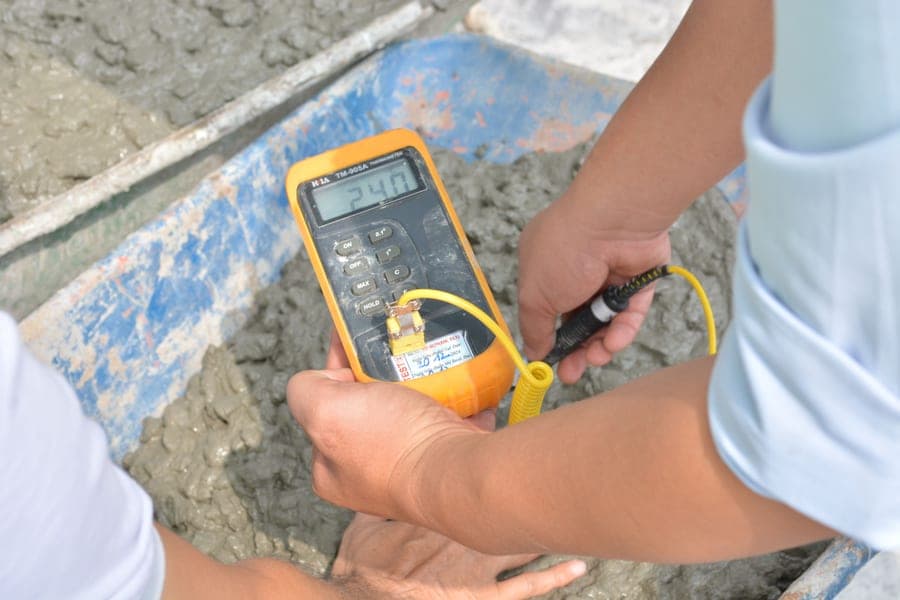
Inkbird ITC-308 Dual-Stage Temperature Controller
Inkbird
A dual-stage controller plus any used fridge or freezer. Changes how the beer tastes, which nothing on the hot side does.
Spec sheet
- Stages
- Dual -- one heating and one cooling outlet
- Outlet rating
- ~1100W per outlet
- Probe
- NTC sensor on a 2 m lead
- Calibration
- User offset
- Compressor delay
- Configurable
- Wifi version
- ITC-308 Wifi sold separately
What it is not good at
Needs an appliance to control, and the probe must go on the fermenter rather than in the air.
Who it is for
Anyone still fermenting at room temperature
Second purchase
Mid tier
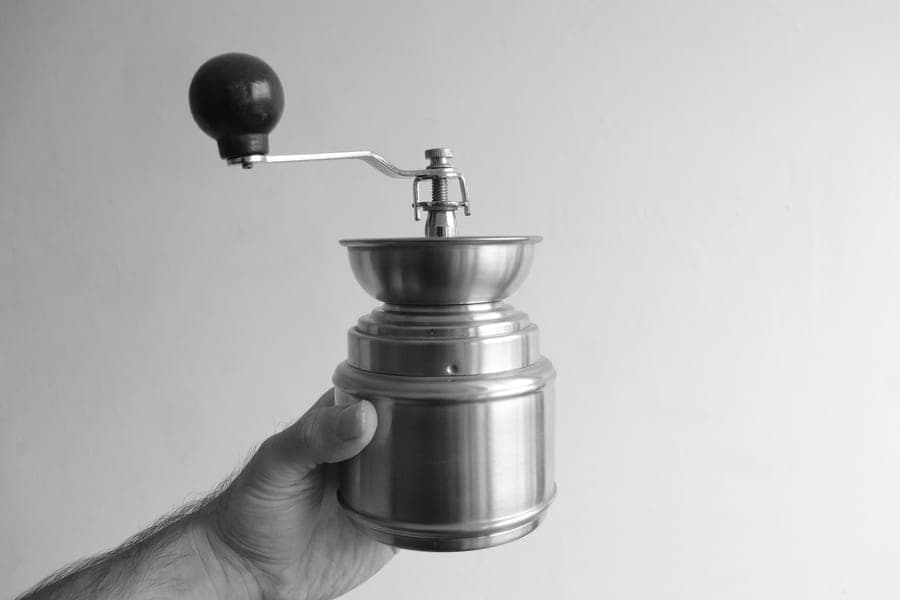
Monster Mill MM2 Two-Roller Grain Mill
Monster Brewing Hardware
Setting your own gap is worth several points of mash efficiency, and milling fresh preserves aroma. It also lowers ingredient cost permanently.
Spec sheet
- Rollers
- Two, 1.5 in diameter, knurled
- Gap
- Adjustable on both ends, 0.015-0.070 in
- Drive
- Hand crank or drill at reduced speed
- Build
- Steel, made in USA
- Throughput
- Slower per pound than the MM3
- Best for
- Most homebrewers; the MM3 is for volume
What it is not good at
Only relevant if you brew all-grain. Hopper often separate.
Who it is for
Anyone brewing all-grain with shop-crushed malt
Third purchase
Entry tier
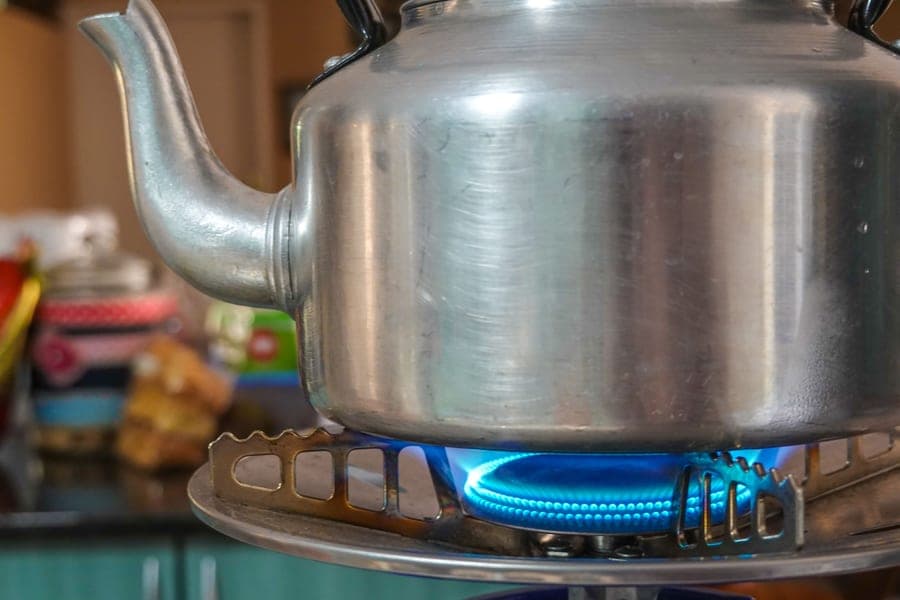
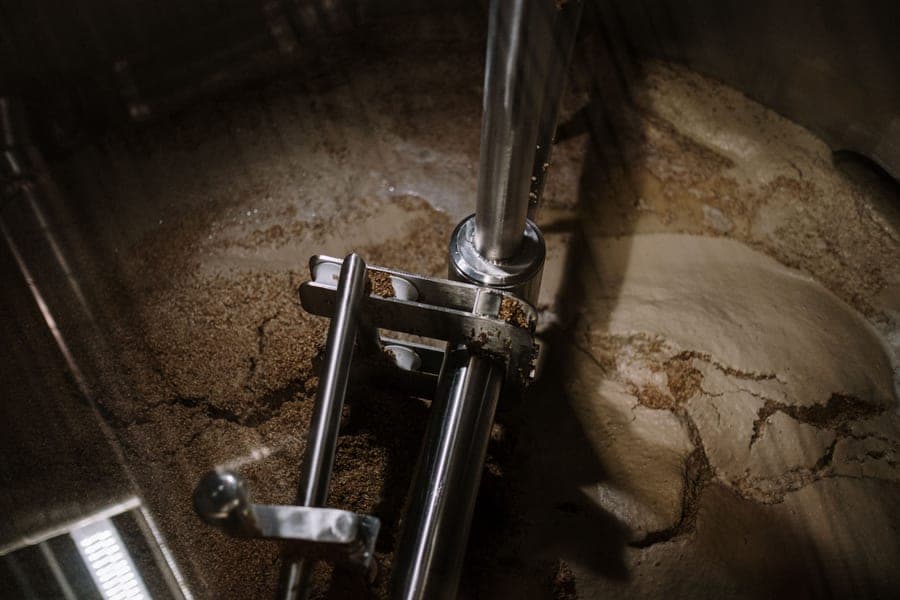
Bayou Classic Stainless Brew Kettle
Bayou Classic
A 10 gallon kettle with a valve lets you do a full boil, which fixes the darkening and low hop utilization that partial boils cause.
Spec sheet
- Capacity
- 8, 10, 16 and larger
- Material
- Stainless; tri-clad base on some models
- Ports
- Some SKUs ship with a valve and thermometer
- Heat source
- Gas burner or induction with a clad base
- Weld quality
- Stamped fittings, not welded ferrules
- Best for
- A first 10 gal kettle without the Spike price
What it is not good at
Needs a heat source that can boil 7 gallons, which may be a second purchase.
Who it is for
Brewers stuck doing partial boils in a kitchen pot
Fourth, conditionally
Entry tier
Stainless Hop Spider (300 Micron)
Various
Equipment protection rather than beer improvement. Becomes close to mandatory the moment wort passes through anything narrow.
Spec sheet
- Mesh
- 300 micron stainless screen
- Mount
- Rim-hung; fits most 5-15 gal kettles
- Capacity
- Roughly 8-10 oz of pellets
- Benefit
- Keeps pellet debris out of the pump and chiller
- Trade-off
- Restricts hop movement -- see the utilization note
- Cleaning
- No absorbent fabric; rinses clean
What it is not good at
Unnecessary if you brew with an immersion chiller and no pump.
Who it is for
Brewers who have added a pump or an inline chiller
Last, not first
Mid tier
Anvil Foundry 10.5 Gallon
Anvil Brewing Equipment
The most expensive item here and the one that improves consistency rather than flavor. Worth buying once the cheaper wins are banked.
Spec sheet
- Capacity
- 10.5 gal / 40 L
- Power
- Switchable 120V 1600W or 240V 2800W
- Heating
- Triple low-watt-density element
- Pump
- Optional recirculation pump
- Grain basket
- High-flow, dual-height false bottom
- Material
- 304 stainless
What it is not good at
Several times the cost of everything above it combined, and the pump is extra.
Who it is for
Brewers who have done the four above
FAQ
Questions brewers actually ask
What should I upgrade first in homebrewing?
Fermentation temperature control -- a dual-stage controller and a used refrigerator. It is the cheapest meaningful upgrade available and the only one that changes how your beer tastes rather than how consistently you make it, because fermentation temperature governs the flavor compounds yeast produces.
Is a brewing system or a grain mill the better upgrade?
The mill, by a wide margin on return per dollar. Setting your own crush gap commonly gains several points of mash efficiency -- more than the difference between brewing systems -- and milling fresh preserves aroma while lowering ingredient cost permanently. The system improves consistency rather than flavor, and costs several times as much.
When should I buy a hop spider?
When you add a pump or an inline chiller, and not before. Hop containment does not improve beer -- it costs a little utilization. Its job is stopping pellet debris clogging a plate chiller, jamming a pump impeller or plugging a dip tube, so it becomes necessary exactly when wort starts passing through narrow channels.
What homebrewing equipment do people buy too early?
Plate chillers, which clog on hoppy beer without containment upstream; pH meters, which give you a number before your process is stable enough to act on it; conical fermenters, which are a convenience upgrade bought instead of temperature control; and extra vessels for a three-vessel rig, which solves a throughput problem homebrewers do not have.
Do I need a bigger kettle?
If you are doing partial boils -- boiling 2 or 3 gallons and topping up with water -- then yes, and it is a quality fix rather than a convenience. Partial boils darken the wort and lower hop utilization, so the beer differs from the recipe's intent. A 10 gallon kettle with a ball valve handles a full 5 gallon batch boil properly.
Also useful
Read next
More on brew day gear
Roundup
The Best Grain Mills for Homebrewing
Grain mills compared on rollers, gap adjustment and build quality.
Roundup
The Best Fermentation Temperature Controllers
Dual-stage controllers compared, with the probe-placement rule that matters most.
Roundup
The Best Electric All-in-One Brewing Systems
Five all-in-one systems compared on finished volume, voltage and parts support.
Comparison
Hop Spider vs Hop Bag
Spider against bags against free-floating, on utilization and practicality.