Roundup
The Best Hop Spiders
Nobody buys a hop spider for better beer. You buy one because 8 ounces of pellets will clog your plate chiller solid.
The short answer
A 300 micron stainless hop spider that hangs on the kettle rim is the right choice for most brewers, holding roughly 8 to 10 ounces of pellet hops and keeping debris out of the pump and chiller. It costs a small amount of hop utilization, which is a genuine trade rather than a free improvement.
DisclosureWe earn a commission on qualifying purchases made through links on this page, at no extra cost to you. It does not change what we recommend or how we rank it -- here is how we pick and here is the full disclosure.
At a glance
Quick picks
| # | Product | Best for | Price |
|---|---|---|---|
| 1 | Best overall Stainless Hop Spider (300 Micron) A 300 micron stainless screen on a rim-hung frame, holding roughly 8 to 10 oz of pellets. Nothing absorbent, nothing to stain, and it rinses clean rather than needing washing. | Any setup with a pump or a plate chiller | |
| 2 | 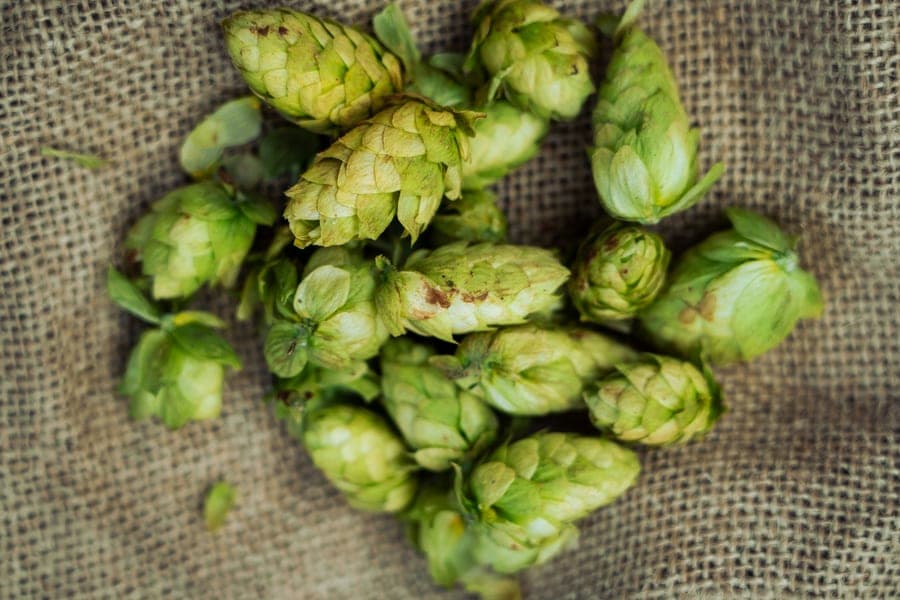 Cheapest option Reusable Nylon Hop Bags Fine nylon mesh bags with drawstrings, usable for both boil additions and dry hopping. The cheapest hop containment there is and perfectly effective. | Brewers without a pump who just want tidier trub | |
| 3 | 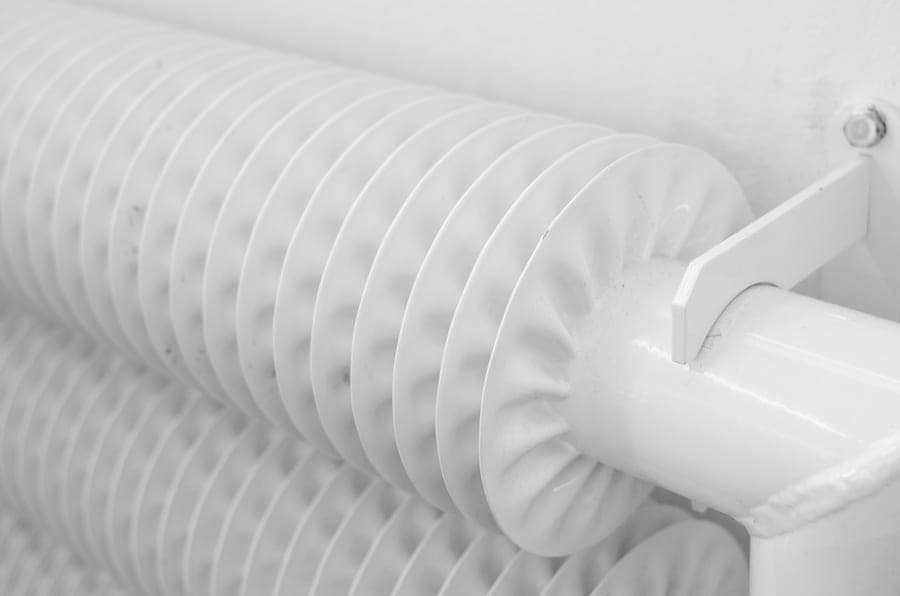 Why you need one Brazed Plate Wort Chiller (20-30 plate) Included deliberately. A plate chiller's narrow channels will block solid on a heavily hopped beer without containment upstream, and a blocked plate chiller is very difficult to recover. | Understanding the actual reason | |
| 4 | 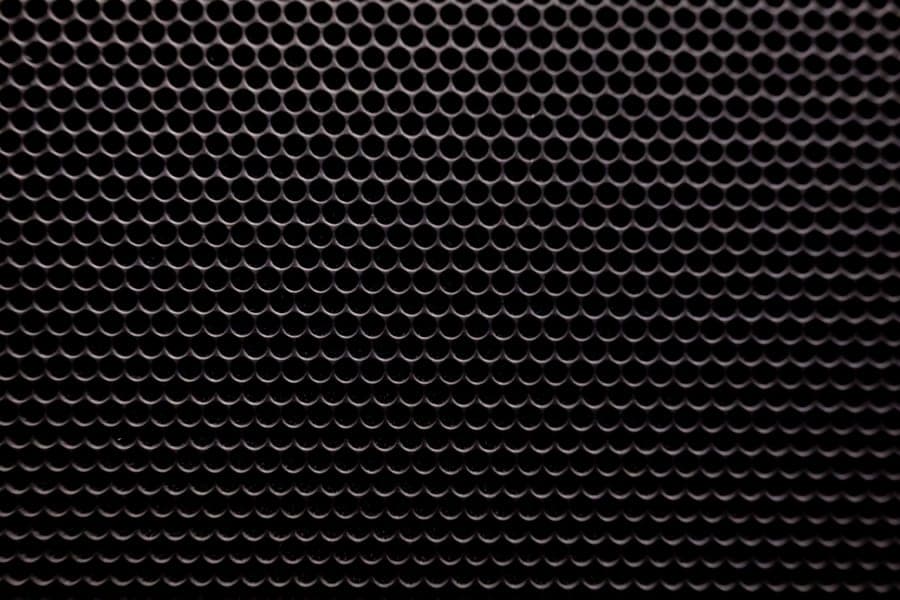 The alternative approach Stainless Domed False Bottom A kettle screen or filter at the pump pickup catches debris at the point of exit instead of containing hops at the point of addition, which preserves full utilization. | Brewers who would rather filter at the pickup |
Prices are checked on Amazon when you click. We never print a number we cannot verify.
Hop containment compared
| Hop spider | Mesh bags | Kettle screen only | |
|---|---|---|---|
| Protects the pump | Yes | Yes | Partly |
| Protects a plate chiller | Yes | Yes | Partly |
| Utilization loss | Small | Larger if packed | None |
| Capacity | 8-10 oz | Limited per bag | Unlimited |
| Absorbs aroma | No | Yes, nylon does | No |
| Cleaning | Rinses clean | Needs washing | Rinse and brush |
| Durability | Years | Bags tear | Years |
| Cost | Mid | Lowest | Varies |
An orange rule marks the better of the two on that row.
The honest reason
Equipment protection, not beer quality
Let us be clear about what this product does, because the marketing frequently is not. A hop spider does not improve your beer. It costs you a small amount of hop utilization, which if anything makes the beer marginally less hoppy for the same hop bill.
What it does is protect equipment. Eight ounces of pellet hops breaks down in the boil into a slurry of fine vegetal matter, and that matter:
- Packs into the narrow channels of a plate chiller and blocks it solid.
- Jams a pump impeller mid-recirculation.
- Plugs a kettle dip tube so you cannot transfer at all.
- Fills a counterflow chiller's channel and restricts flow.
A blocked plate chiller is particularly bad, because you cannot reach the blockage and backflushing frequently compacts it further. If you own one, hop containment stops being optional -- chiller types compared.
If you have no pump
You may not need one
Worth saying plainly, because this category gets sold to everyone. If you brew with an immersion chiller and no pump, free-floating hops cause you no equipment problems at all. The wort never goes inside anything narrow, and hop debris settles out in the kettle and gets left behind during transfer.
In that setup a hop spider buys you slightly tidier trub and costs you utilization. It is a reasonable thing to want and it is not a requirement. The case for containment strengthens exactly as your plumbing gets narrower.
Mesh size
300 micron is the number
300 micron is the standard for hop containment and it is a genuine compromise rather than an arbitrary figure. It is fine enough to hold back the bulk of pellet debris and coarse enough that wort flows through freely and hop oils are not meaningfully obstructed.
Finer mesh restricts flow and extraction more; coarser mesh lets through the fine particulate that causes the clogging you bought it for. If a product does not state its mesh size, that is informative.
Capacity
Where a spider genuinely falls down
A rim-hung spider holds roughly 8 to 10 ounces of pellets. That covers the great majority of recipes comfortably.
A heavily hopped modern IPA does not fit. Twelve ounces of pellets packs a spider solid, and a solid mass of hop matter is not being extracted at all -- the wort cannot circulate through it. At that point the spider is actively costing you the hops you paid for.
The options for very hoppy beers:
- Split the additions so no single charge packs the basket, and stir between them.
- Go free-floating and filter at the pickup with a kettle screen, accepting some clog risk in exchange for full utilization.
- Whirlpool and settle, letting the trub form a cone in the kettle center and transferring from the edge.
The full trade-off against bags is in hop spider vs bag.
The picks, in order
Every pick in detail
#1
Best overall
Entry tier
Stainless Hop Spider (300 Micron)
Various
A 300 micron stainless screen on a rim-hung frame, holding roughly 8 to 10 oz of pellets. Nothing absorbent, nothing to stain, and it rinses clean rather than needing washing.
Spec sheet
- Mesh
- 300 micron stainless screen
- Mount
- Rim-hung; fits most 5-15 gal kettles
- Capacity
- Roughly 8-10 oz of pellets
- Benefit
- Keeps pellet debris out of the pump and chiller
- Trade-off
- Restricts hop movement -- see the utilization note
- Cleaning
- No absorbent fabric; rinses clean
What it is not good at
Restricts hop movement, which reduces extraction slightly. Capacity is a real limit on a heavily hopped IPA -- 12 oz of pellets will pack it solid.
Who it is for
Any setup with a pump or a plate chiller
#2
Cheapest option
Entry tier
Reusable Nylon Hop Bags
Various
Fine nylon mesh bags with drawstrings, usable for both boil additions and dry hopping. The cheapest hop containment there is and perfectly effective.
Spec sheet
- Mesh
- Fine nylon
- Use
- Boil and dry hop
- Cost
- Cheapest containment option
What it is not good at
Nylon absorbs and stains, bags tear eventually, and a tightly packed bag restricts hop movement more than a spider does.
Who it is for
Brewers without a pump who just want tidier trub
#3
Why you need one
Mid tier
Brazed Plate Wort Chiller (20-30 plate)
Duda / Blichmann
Included deliberately. A plate chiller's narrow channels will block solid on a heavily hopped beer without containment upstream, and a blocked plate chiller is very difficult to recover.
Spec sheet
- Type
- Brazed plate heat exchanger, 20-30 plates
- Flow
- Counter-current, single pass
- Footprint
- Smallest of the three chiller types
- Speed
- Fastest per gallon of coolant
- Clog risk
- High -- requires a hop filter upstream
- Cleaning
- Backflush and recirculate; cannot be inspected
What it is not good at
If you own one, hop containment stops being optional.
Who it is for
Understanding the actual reason
#4
The alternative approach
Entry tier
Stainless Domed False Bottom
Various
A kettle screen or filter at the pump pickup catches debris at the point of exit instead of containing hops at the point of addition, which preserves full utilization.
Spec sheet
- Material
- Perforated 304 stainless
- Perforation
- Typically 1-2 mm holes
- Shape
- Domed -- resists collapse under grain weight
- Sizing
- Must match the vessel's internal diameter
- Connection
- Silicone tube to the pickup, or a center fitting
- Dead space
- Domed designs trap less wort than flat plates
What it is not good at
Can clog during the transfer rather than preventing the problem, and needs cleaning mid-process if it does.
Who it is for
Brewers who would rather filter at the pickup
FAQ
Questions brewers actually ask
What does a hop spider do?
It contains pellet hops in a 300 micron stainless basket during the boil so the debris they break down into cannot reach your pump, chiller or dip tube. It does not improve your beer -- if anything it slightly reduces hop utilization. It is an equipment protection device, and that is the honest reason to own one.
Does a hop spider reduce hop utilization?
Slightly, yes, and anyone claiming otherwise is overselling it. Restricting hop movement reduces extraction compared with free-floating pellets. The trade is deliberate: a small utilization loss in exchange for not clogging a plate chiller, jamming a pump impeller or plugging a dip tube. If you brew without a pump or inline chiller, the case for one is much weaker.
Do I need a hop spider?
Only if hop debris can reach something narrow. With a pump, a plate chiller or a counterflow chiller, containment is close to mandatory -- a blocked plate chiller is very hard to recover. With an immersion chiller and no pump, free-floating hops cause no equipment problems and a spider buys only tidier trub at a utilization cost.
What mesh size should a hop spider be?
Three hundred micron, which is the standard and a genuine compromise. It is fine enough to hold back the bulk of pellet debris and coarse enough that wort flows through freely without meaningfully obstructing hop oils. Finer mesh restricts flow and extraction; coarser mesh passes the fine particulate that causes clogging.
Can a hop spider handle a heavily hopped IPA?
Often not. A rim-hung spider holds roughly 8 to 10 ounces of pellets, and twelve ounces packs it solid -- at which point the wort cannot circulate through the mass and you are not extracting the hops you paid for. Split the additions across the boil, or go free-floating with a kettle screen at the pickup and accept some clog risk.
Read next
More on brew day gear
Comparison
Hop Spider vs Hop Bag
Spider against bags against free-floating, on utilization and practicality.
Comparison
Immersion vs Plate vs Counterflow Chiller
Three chiller types compared on speed, clog risk and cleaning confidence.
Roundup
The Best Wort Chillers
Immersion, counterflow and plate chillers compared on the trades that matter.
Guide
How to Clean a Brew Kettle
Alkaline for protein, acid for scale, and why the valve must come apart.
Roundup
The Best Grain Mills for Homebrewing
Grain mills compared on rollers, gap adjustment and build quality.