Guide
Fermenting in a Keg
Yes, you can ferment in a corny keg. The headspace maths is what decides whether you should.
The short answer
You can ferment in a 5 gallon corny keg, but only a 3.5 to 4 gallon batch -- krausen needs 20 to 25 percent headspace. Fit a spunding valve to the gas post, use a floating dip tube so you draw beer rather than trub, and expect the trade-off: no cone, no visibility, and a smaller batch than the keg's rating.
DisclosureWe earn a commission on qualifying purchases made through links on this page, at no extra cost to you. It does not change what we recommend or how we rank it -- here is how we pick and here is the full disclosure.
The short answer
Yes, and the keg is already rated for it
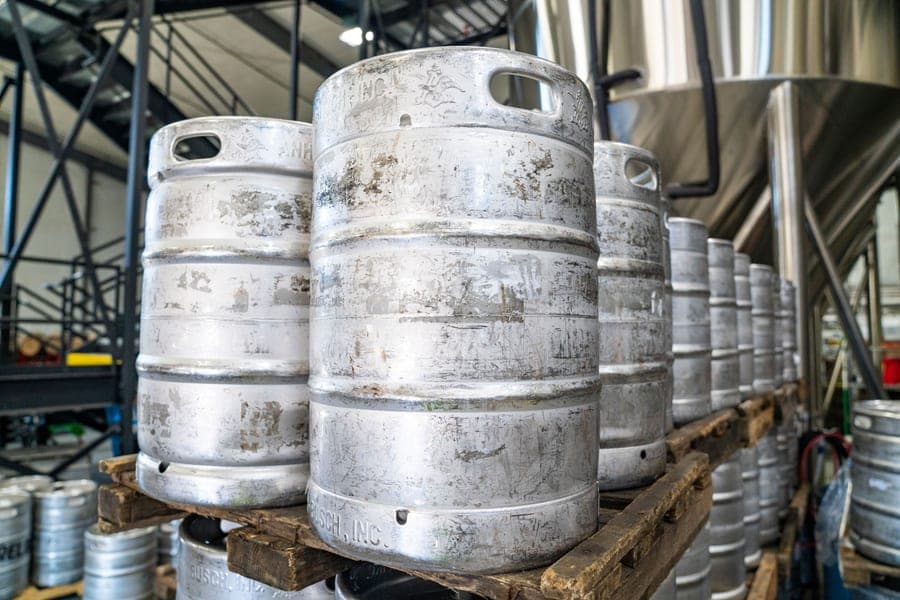
A 5 gallon ball-lock corny keg is a pressure vessel with a typical burst rating far above anything fermentation will generate and a working pressure well clear of 15 psi. Fitting a spunding valve to the gas post gives you a genuine pressure fermenter for the cost of a valve, assuming you already own a spare keg.
That makes keg fermentation the cheapest honest route into pressure fermentation for a brewer who already kegs -- and it is also the approach with the most significant practical compromise.
The headspace problem
A 5 gallon keg ferments 4 gallons at best
This is the part that catches people. Krausen needs 20 to 25 percent of the vessel volume above the beer. In a 5 gallon keg that means a maximum of about 4 gallons of wort, and 3.5 is safer for a vigorous fermentation or a high-gravity beer.
So “ferment in a keg” actually means “brew a smaller batch.” That is fine if you plan for it -- and it is a genuine surprise if you pitch 5 gallons and come back to krausen blocking the gas post.
Two workarounds brewers use:
- Brew 4 gallon batches deliberately. Clean, simple, and you get a slightly-under-full keg of finished beer.
- Use a bigger keg. A 10 gallon corny ferments a comfortable 7 to 8 gallons. Harder to find and harder to fit in a chamber.
The dip tube problem
Fit a floating dip tube
A stock corny keg’s liquid dip tube reaches almost to the bottom of the keg -- which is where all the yeast and trub will be sitting. Draw through it and your first pours, or your whole transfer, come out cloudy.
The fix is a floating dip tube: a short tube with a float on the end, so the pickup sits just below the beer surface and draws the clearest beer in the vessel regardless of level. It is an inexpensive part and it is close to mandatory for keg fermentation.
How to do it
The practical sequence
- Clean and sanitize thoroughly, including the posts, the dip tubes and the lid gasket. A keg has more fittings than a bucket.
- Fill to no more than 4 gallons in a 5 gallon keg.
- Pitch, seal, and leave the spunding valve open for the first 12 to 24 hours so the yeast gets an unrestricted start.
- Set the spunding valve to 10-15 psi on the gas post once fermentation is active.
- Hold your temperature. A keg fits any chamber a keg fits, which is the form factor’s real advantage.
- Cold crash sealed, then transfer liquid post to liquid post into a purged serving keg -- see how to pressure ferment.
Should you?
When the dedicated vessel is the better buy
Ferment in a keg if you already own spare kegs, want to try pressure fermentation cheaply, and are happy brewing 4 gallon batches. It is a legitimate technique, not a bodge.
Buy a dedicated pressure fermenter instead if you want full 5 gallon batches, if you would benefit from seeing the fermentation, or if you want a cone for yeast harvesting. A FermZilla All Rounder with its kit is frequently cheaper than buying a keg plus a floating dip tube plus a spunding valve, and it does not cost you a third of your batch volume -- see best pressure fermenters and FermZilla vs KegMenter.
Either way you will want the keg hardware sorted: corny keg sizes and parts covers posts, dip tubes, lids and dimensions.
What we recommend
The products on this page
The vessel
Entry tier
5 Gallon Ball Lock Corny Keg
AMCYL / NSI
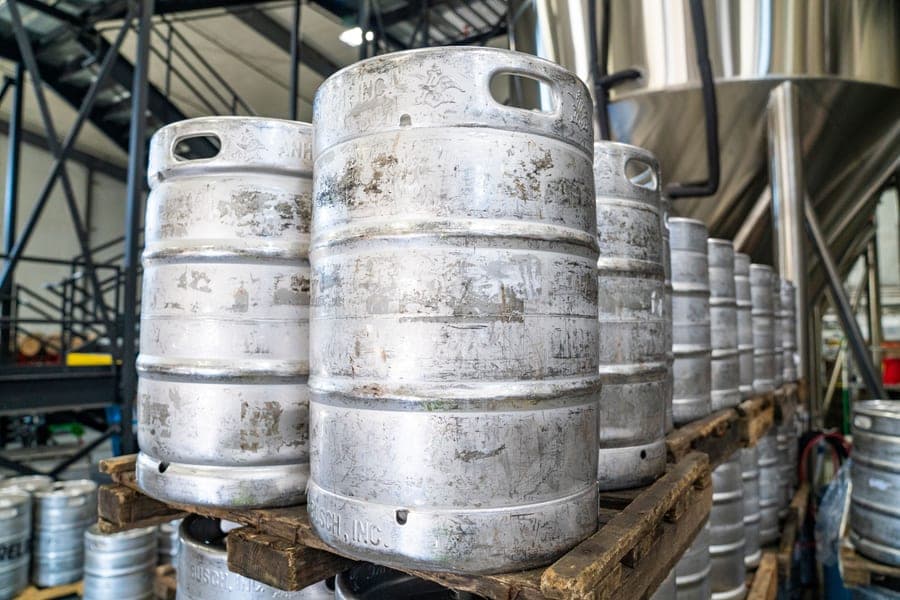
A 5 gallon corny is pressure rated well above fermentation pressures, takes ball lock posts, and you probably already have one. The cheapest pressure fermenter is a keg you own.
Spec sheet
- Capacity
- 5 gal / 19 L
- Height
- ~25 in (26 in with posts)
- Diameter
- ~8.5 in
- Connection
- Ball lock gas and liquid posts
- Pressure rating
- 130 psi typical, 55 psi working
- Lid
- Oval pry-out lid with a PRV
What it is not good at
At 5 gallons nominal you can only ferment 3.5 to 4 gallons once headspace is accounted for. No cone, no visibility, and the stock dip tube draws from the bottom.
Who it is for
Brewers who already own spare kegs
The purpose-built version
Mid tier
KegLand KegMenter Fermenter 30 L
KegLand
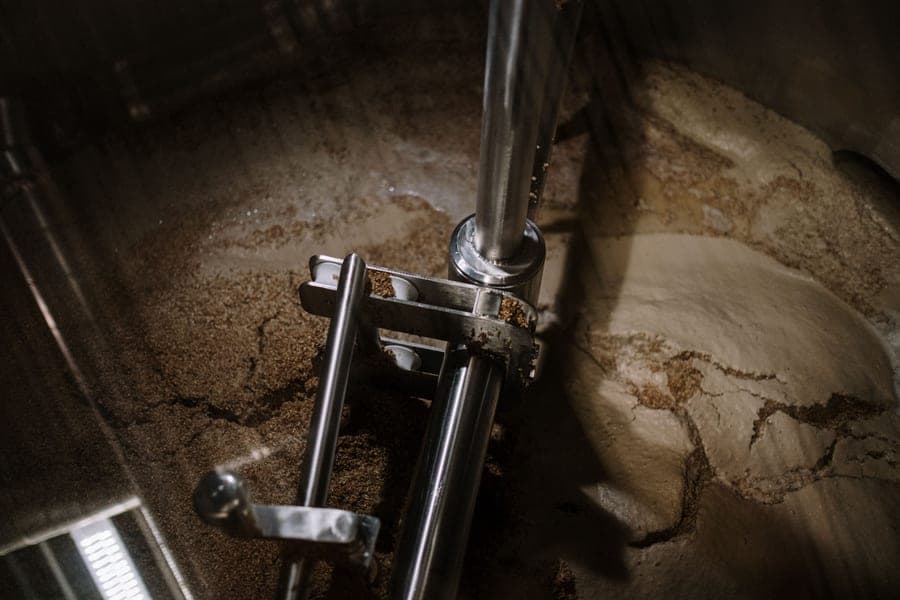
A keg-shaped stainless pressure fermenter at 30 L, so you get the footprint advantages without losing a third of your batch to headspace.
Spec sheet
- Capacity
- 30 L / 7.9 gal (also 40 L and 58 L)
- Material
- 304 stainless, keg-style body
- Pressure
- Rated for pressure fermentation and transfer
- Shape
- Flat bottom -- no trub cone
- Ports
- Ball lock posts, floating dip tube option
- Opacity
- Opaque -- you cannot see the krausen
What it is not good at
A real additional purchase rather than using something you own. Still flat-bottomed, still opaque.
Who it is for
Brewers who like the keg form factor but want full batches
The better-value alternative
Mid tier
FermZilla All Rounder 30 L
KegLand
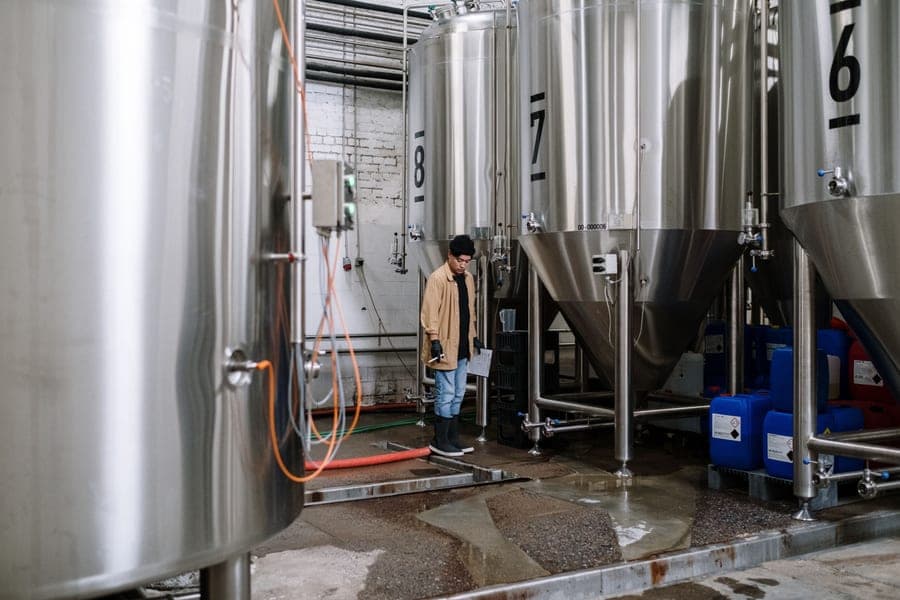
Clear, 30 L, and rated with its kit. Full batch, full visibility, and typically cheaper than buying a dedicated keg plus fittings.
Spec sheet
- Capacity
- 30 L / 7.9 gal
- Shape
- Cylindrical (no cone)
- Pressure rating
- Rated for pressure fermentation with the pressure kit
- Material
- Clear PET
- Ports
- Ball lock posts, 4 in tri-clover lid option
- Weight
- Light enough to lift full-handed
What it is not good at
PET consumable rather than stainless, and the kit is extra.
Who it is for
Brewers who want pressure fermentation and can see the point of seeing in
FAQ
Questions brewers actually ask
Can you ferment beer in a corny keg?
Yes. A 5 gallon ball-lock corny is a pressure vessel rated well above fermentation pressures, so fitting a spunding valve to the gas post turns it into a genuine pressure fermenter. The catch is volume: krausen needs 20 to 25 percent headspace, so a 5 gallon keg ferments only about 4 gallons of wort.
How much beer can you ferment in a 5 gallon keg?
Three and a half to four gallons. Krausen needs 20 to 25 percent of the vessel volume above the beer, and filling higher pushes foam into the gas post, blocks it and pressurizes the keg unpredictably. Plan a 4 gallon batch deliberately rather than discovering the limit mid-fermentation.
Do I need a floating dip tube to ferment in a keg?
Effectively yes. A stock corny dip tube reaches almost to the bottom of the keg, which is exactly where the yeast and trub settle, so drawing through it gives you cloudy beer. A floating dip tube keeps the pickup just below the beer surface so you draw the clearest beer available, and unlike cutting the dip tube it is reversible.
Is fermenting in a keg better than a dedicated pressure fermenter?
It is cheaper if you already own spare kegs, and that is its whole advantage. A dedicated pressure fermenter gives you a full 5 gallon batch instead of 4, often visibility into the fermentation, and sometimes a cone for yeast harvesting. A FermZilla with its kit frequently costs less than a keg plus a floating dip tube plus a spunding valve.
What pressure should I ferment at in a keg?
Ten to fifteen psi, the same as any pressure fermentation. Set a spunding valve on the gas post to that ceiling and let the yeast build the pressure itself. A corny keg's working pressure rating is comfortably above this range, so the keg is not the limiting factor.
Read next
More on fermenters
Guide
Pressure Fermentation, Explained
The actual mechanism, the psi to use, and what pressure cannot fix.
Roundup
The Best Pressure Fermenters
Genuinely rated pressure vessels, and what the working kit really costs.
Roundup
The Best Conical Fermenters
Stainless, plastic and pressure-capable conicals compared, with chamber-fit warnings.