Roundup
The Best Mead Fermenters
Mead sits for months, so the vessel rules are wine rules, not beer rules. Almost nobody writes this page.
The short answer
For mead, use a glass demijohn or a stainless vessel for anything aging beyond a couple of months, because mead's long timescale makes oxygen permeability matter in a way it never does for beer. A one gallon glass carboy is the right first vessel, and a variable-capacity stainless tank is the best upgrade because its floating lid eliminates headspace.

DisclosureWe earn a commission on qualifying purchases made through links on this page, at no extra cost to you. It does not change what we recommend or how we rank it -- here is how we pick and here is the full disclosure.
At a glance
Quick picks
| # | Product | Best for | Price |
|---|---|---|---|
| 1 | 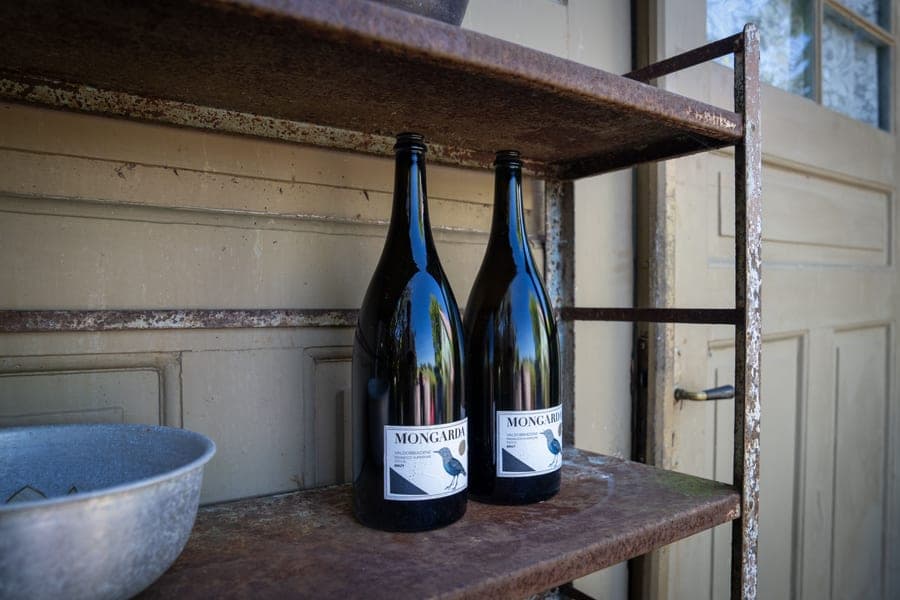 Best overall for mead Glass Demijohn 5-6 Gallon Completely oxygen-impermeable with a narrow neck that minimizes the liquid surface exposed to headspace. For a nine-month mead this is simply the correct vessel. | Bulk aging mead over months | |
| 2 | 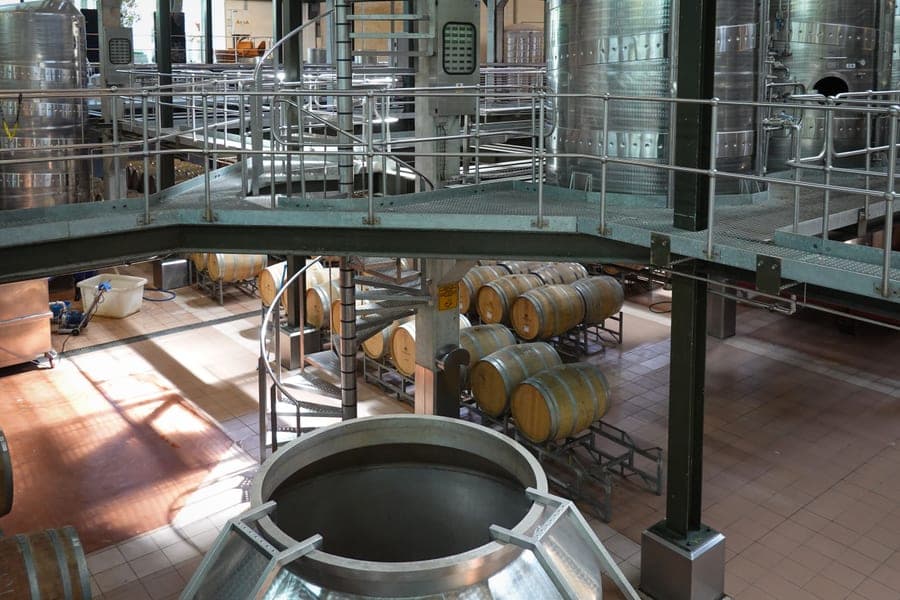 Best upgrade Variable-Capacity Stainless Wine Tank A floating lid with an inflatable gasket drops to the liquid line, so headspace is eliminated at any volume. This solves mead's central vessel problem rather than managing it. | Mead makers who have grown tired of topping up | |
| 3 |  Best first vessel Craft A Brew Mead Making Kit The kit's glass carboy is the right first mead vessel: glass, small, cheap, and reusable as your permanent experimental vessel afterwards. | A one gallon learning batch | |
| 4 | 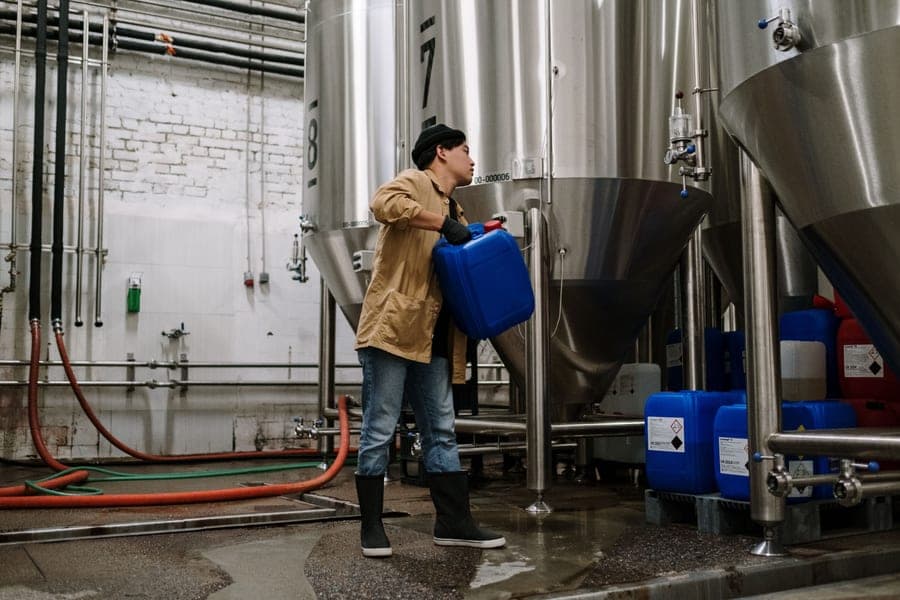 Best primary vessel Speidel Plastic Fermenter 30 L Food-grade HDPE with a wide mouth makes adding fruit, stirring in nutrient and cleaning afterwards easy, during the phase where oxygen is not yet a concern. | The vigorous first week before transferring to glass | |
| 5 | 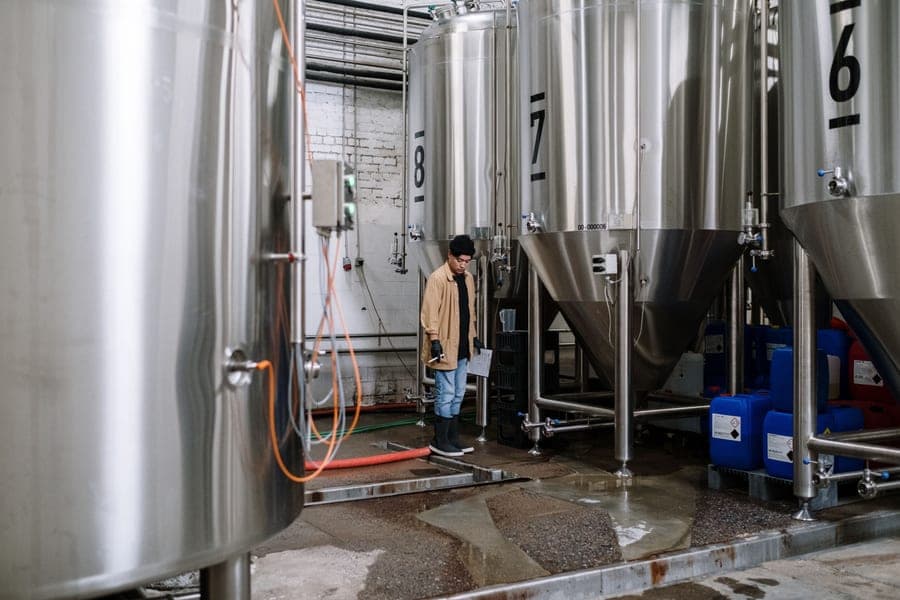 The beer vessel that does not transfer well Ss Brewtech Brew Bucket Included as a caution. Stainless is a perfect oxygen barrier, but a part-full conical has a wide flat liquid surface in contact with headspace -- the wrong geometry for long aging. | Short-aged meads only |
Prices are checked on Amazon when you click. We never print a number we cannot verify.
Vessel suitability for a long ferment
| Glass carboy | Stainless VC tank | PET carboy | Conical | |
|---|---|---|---|---|
| Oxygen barrier | Perfect | Perfect | Slightly permeable | Perfect |
| Headspace geometry | Narrow neck, minimal | None -- floating lid | Narrow neck | Wide flat surface |
| Topping up needed | Yes | No | Yes | Yes, a lot |
| Cleaning access | Brush only | Good | 4 in mouth | Wide |
| Weight when full | Very heavy | Heavy | Light | Heavy |
| Suits 9 month aging | Yes | Yes | No | Not the shape |
| Cost | Low | High | Lowest | Mid to high |
An orange rule marks the better of the two on that row.
Why this page exists
Mead vessel advice is wine advice, not beer advice
Search for a mead fermenter rather than a mead kit and you find almost nothing written for you -- the results are all beginner kit lists. That gap is real, and it matters, because the vessel rules for mead are genuinely different from the vessel rules for beer.
The difference is timescale. A beer leaves its fermenter in two or three weeks, during which active CO2 production keeps oxygen out and vessel permeability never becomes relevant. A mead commonly sits for six to twelve months, and across that span oxygen permeability, headspace geometry and topping up are the central concerns.
So beer vessel advice -- buckets are fine, PET is fine, wide mouths are better -- does not transfer. Mead follows wine.
Two phases, two vessels
Primary wide, aging narrow
The practical approach splits the ferment:
- Primary (first 1-2 weeks). Vigorous fermentation, CO2 pouring off, and you may be stirring in staggered nutrient additions or punching down fruit. A wide-mouth vessel is genuinely better here, and plastic is fine because oxygen cannot get in against the CO2 flow.
- Secondary and aging (months). Fermentation has slowed, CO2 protection is gone, and the mead is vulnerable. Transfer to glass or stainless, fill it as full as you can, and leave it alone.
Each transfer is itself an oxygen exposure, so do as few as the recipe requires -- but the one from primary to an aging vessel is worth it.
The headspace problem
And the vessel that actually solves it
Here is the issue nobody writing beginner mead content addresses. You transfer 4.5 gallons out of a 5 gallon batch into a 5 gallon carboy, and now you have half a gallon of air sitting on top of a mead that will be there for nine months. Topping up with water dilutes it; topping up with similar mead means having some; and doing nothing means slow oxidation.
The vessels that address it:
- Size down. Transfer into a vessel the mead actually fills, even if that means two smaller carboys rather than one large one. Cheapest answer and genuinely effective.
- Variable-capacity stainless tank. A floating lid with an inflatable gasket sits directly on the liquid surface at whatever level it is at, so headspace is zero by design. This is the real solution and it is almost entirely absent from home-scale mead writing.
- CO2 blanket. Flush the headspace with CO2 after each transfer. A beer brewer with a kegging setup already has the gas -- see CO2 regulators.
The picks, in order
Every pick in detail
#1
Best overall for mead
Entry tier
Glass Demijohn 5-6 Gallon
Various
Completely oxygen-impermeable with a narrow neck that minimizes the liquid surface exposed to headspace. For a nine-month mead this is simply the correct vessel.
Spec sheet
- Capacity
- 5-6 gal (smaller sizes common in Europe)
- Material
- Glass -- fully oxygen-impermeable
- Neck
- Narrow, takes a #6.5 or #7 bung
- Cleaning
- Needs a carboy brush; no wide access
- Weight
- Heavy full; use a milk-crate carrier
- Best for
- Long bulk aging where oxygen is the enemy
What it is not good at
Heavy, awkward, and a full one that slips is a real injury risk. Cleaning means a carboy brush through a narrow neck with no way to inspect properly.
Who it is for
Bulk aging mead over months
#2
Best upgrade
Prosumer tier
Variable-Capacity Stainless Wine Tank
Speidel / Marchisio
A floating lid with an inflatable gasket drops to the liquid line, so headspace is eliminated at any volume. This solves mead's central vessel problem rather than managing it.
Spec sheet
- Capacity
- 30 L to 100 L and beyond
- Lid
- Floating lid with an inflatable gasket
- Headspace
- Adjustable -- the lid drops to the wine line
- Material
- 304 stainless
- Valve
- Racking valve, optional thermowell
- Why it matters
- Solves the part-full-carboy oxidation problem
What it is not good at
Expensive and larger than a first mead needs. Overkill for a one gallon batch.
Who it is for
Mead makers who have grown tired of topping up
#3
Best first vessel
Entry tier
Craft A Brew Mead Making Kit
Craft A Brew
The kit's glass carboy is the right first mead vessel: glass, small, cheap, and reusable as your permanent experimental vessel afterwards.
Spec sheet
- Batch size
- 1 gal / 3.8 L
- Vessel
- Glass carboy
- Includes
- Yeast, nutrient, airlock, siphon, sanitizer
- Honey
- Not included -- you source 2-3 lb
- Time to drinkable
- 4-8 weeks, better at 6 months
- Reusable
- Yes -- refill with your own honey
What it is not good at
One gallon only, so it is a learning vessel rather than a production one.
Who it is for
A one gallon learning batch
#4
Best primary vessel
Entry tier
Speidel Plastic Fermenter 30 L
Speidel
Food-grade HDPE with a wide mouth makes adding fruit, stirring in nutrient and cleaning afterwards easy, during the phase where oxygen is not yet a concern.
Spec sheet
- Capacity
- 30 L / 7.9 gal
- Material
- Food-grade HDPE
- Mouth
- Wide, square footprint
What it is not good at
Plastic and opaque, so it is the wrong vessel for the long aging stage that follows.
Who it is for
The vigorous first week before transferring to glass
#5
The beer vessel that does not transfer well
Mid tier
Ss Brewtech Brew Bucket
Ss Brewtech
Included as a caution. Stainless is a perfect oxygen barrier, but a part-full conical has a wide flat liquid surface in contact with headspace -- the wrong geometry for long aging.
Spec sheet
- Capacity
- 7 gal / 26 L (5 gal batch)
- Cone angle
- 40 degrees
- Valve
- Rotating racking arm, stainless ball valve
- Lid
- Silicone-gasketed, non-pressure
- Material
- Polished 304 stainless
- Pressure rated
- No
What it is not good at
Shape, not material, is the problem. Fine for a six-week mead, poor for a nine-month one.
Who it is for
Short-aged meads only
FAQ
Questions brewers actually ask
What is the best fermenter for mead?
A glass demijohn or carboy for the long aging phase, because glass is completely oxygen-impermeable and a narrow neck minimizes the liquid surface exposed to headspace. For a one gallon learning batch a small glass carboy is ideal. The best upgrade is a variable-capacity stainless tank, whose floating lid eliminates headspace entirely.
Can I ferment mead in a plastic bucket?
For the first vigorous week or two, yes, and a wide mouth makes stirring in nutrient additions and punching down fruit much easier. For the months of aging that follow, no: plastic is slightly oxygen-permeable, and across six to twelve months that permeability dulls the mead. Transfer to glass or stainless once primary fermentation slows.
Why is headspace a problem in a mead fermenter?
Because the mead sits under it for months. Once fermentation slows there is no CO2 production keeping oxygen away, so air in the headspace slowly oxidizes the mead, dulling the honey character. Fix it by transferring into a vessel the mead actually fills, flushing the headspace with CO2, or using a floating-lid tank that eliminates headspace at any volume.
Is a conical fermenter good for mead?
The material is right and the shape is wrong. Stainless is a perfect oxygen barrier, but a part-full conical presents a wide flat liquid surface to its headspace, which is the worst geometry for long aging. A narrow-necked carboy exposes far less surface to the same volume of air. A conical is fine for a short-aged mead and poor for a nine-month one.
How often should I rack mead?
As little as the recipe requires. Every transfer exposes the mead to oxygen, so racking for its own sake does harm. The transfer from the primary vessel to a glass or stainless aging vessel is worth it because it gets the mead off the gross lees and into the right container. After that, rack only when there is a reason -- a thick lees layer, or a fruit addition.
Read next
More on wine & mead
Roundup
The Best Conical Fermenters for Mead
When a cone helps a mead and when the shape works against you.
Comparison
Demijohn vs Carboy
The terminology settled, then the glass-versus-PET decision that matters.
Roundup
The Best Wine Fermenters
Variable-capacity tanks, carboys and primaries, judged on headspace control.
Comparison
Stainless vs Plastic Fermenters
Durability, sanitation and real cost per year, honestly compared.