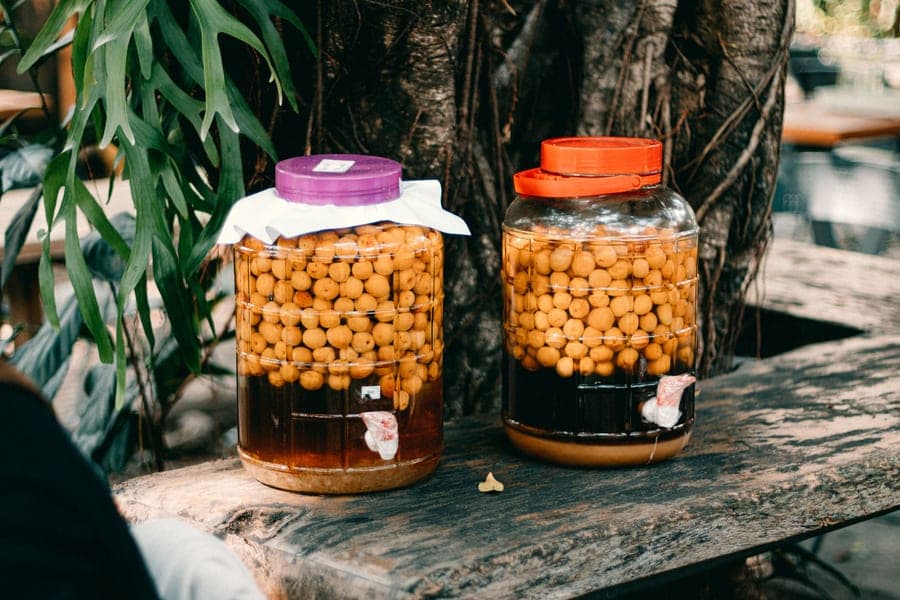
Wine & Mead
Wine & Mead Making Equipment
If you already brew beer, you own most of what mead and wine need. Here is the honest list of what transfers, what does not, and where the real differences are.
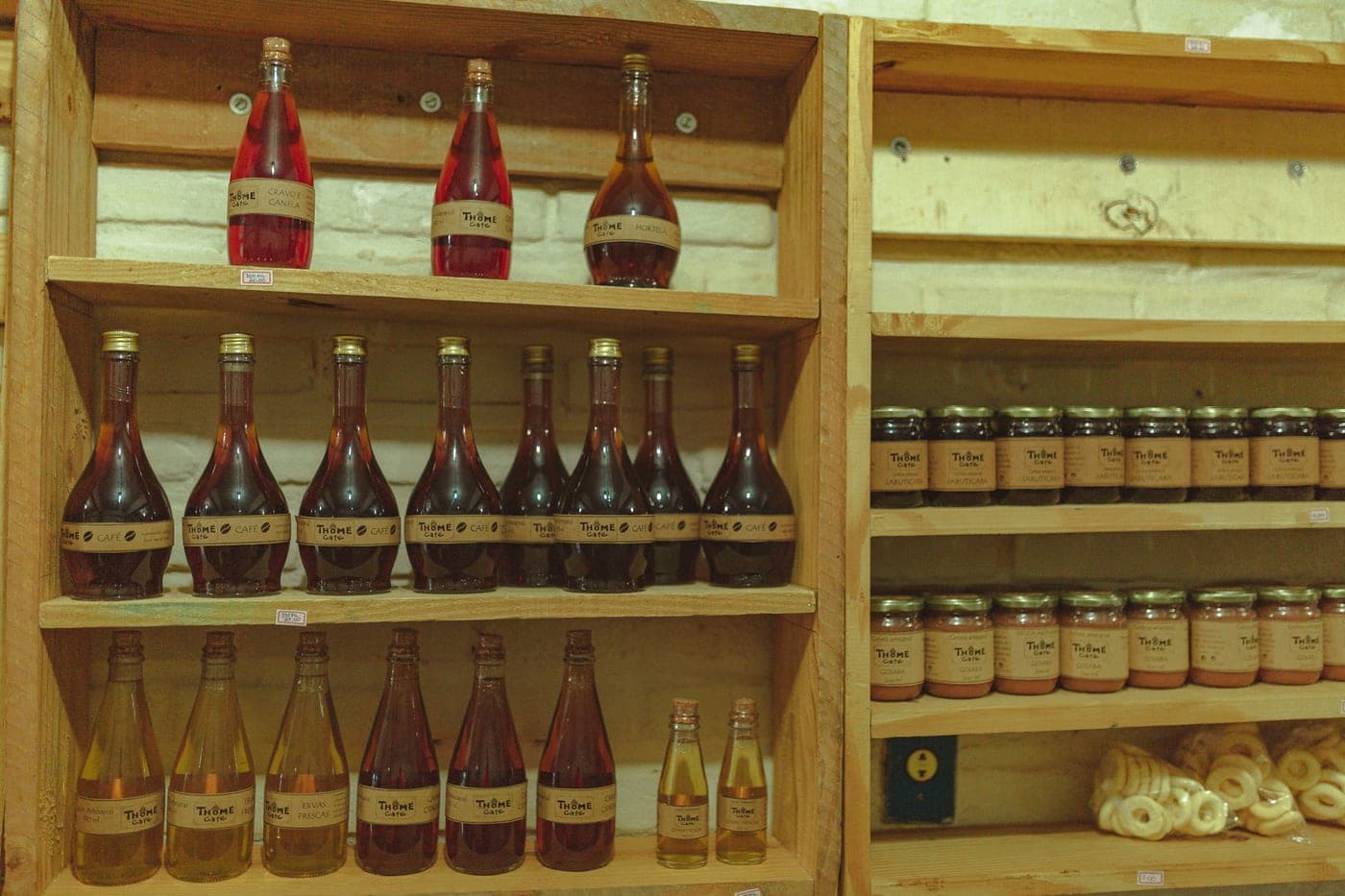
Mead and wine are the most natural second hobby for a homebrewer and the one with the lowest cost of entry, because you already own the expensive parts. Your fermenter, your airlock, your hydrometer, your auto-siphon and your sanitizer all transfer unchanged. What you need to buy is small: the right yeast, nutrient, and in the case of wine, the juice.
It is also the part of the market with the thinnest honest information. Search for a mead or wine fermenter rather than a mead or wine kit and you will find almost nothing written for you -- the roundups are all beginner kit lists. That gap is why three of the roundups in this hub are about vessels rather than kits.
Mead: the shortest path to a good one
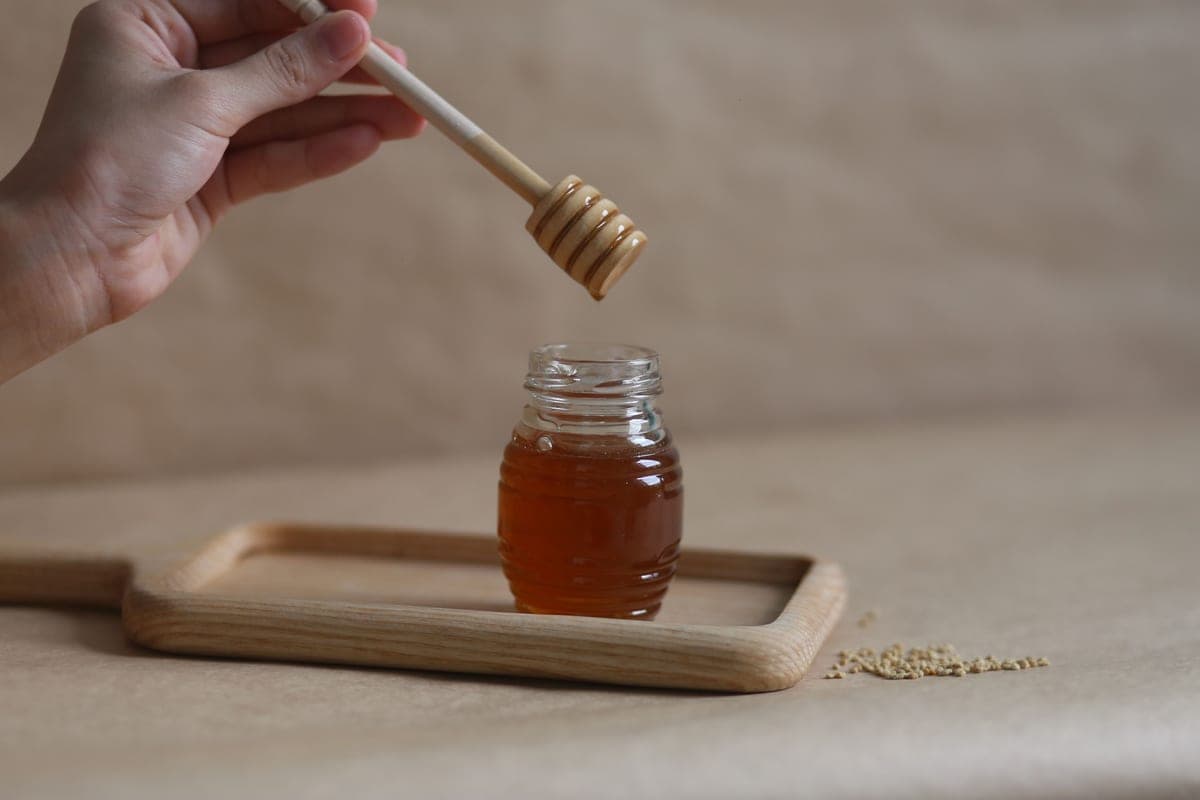
Mead is honey, water, yeast and nutrient. The entire difficulty is nutrition and patience. Honey is nearly devoid of the nitrogen yeast needs, so a mead fermented without a staggered nutrient schedule stresses its yeast, throws fusel alcohols and takes a year to become drinkable -- which is where mead’s reputation for needing to age comes from. Feed it properly and a traditional mead is pleasant at two months and good at six.
Start at one gallon. Honey is the dominant cost, a 5 gallon batch needs 12 to 15 pounds of it, and you do not want to learn the nutrient schedule at that scale. A 1 gallon mead kit plus local honey is the cheapest possible education, and the kit is reusable afterwards. The step-by-step is your first mead, step by step.
Wine: the kit tier is the whole decision
Wine from a kit is less a recipe than a logistics exercise: the kit supplies juice or concentrate, yeast and a fining schedule, and you supply time and temperature. The variable that matters is the tier. Cheaper kits are concentrate-heavy and finish thin; higher tiers carry more actual juice and more of it fresh, and taste correspondingly better. Varietal matters less than tier -- a high-tier chardonnay beats a low-tier amarone. See best wine making kits and the wine making equipment list.
What a brewer should and should not reuse
- Reuse freely: hydrometer, auto-siphon, tubing, airlocks, bungs, sanitizer, thermometer, your temperature-controlled chamber (wine and mead both benefit from a held temperature as much as beer does).
- Reuse with care: plastic buckets and PET carboys. For a two-week beer fermentation they are fine; for a nine-month mead, plastic’s slow oxygen permeability starts to matter. Use glass or stainless for long aging.
- Buy new: yeast and nutrient (wine and mead strains are not beer strains), fining agents, and a corker if you intend to bottle wine properly. Campden tablets and potassium sorbate if you plan to back-sweeten.
- Surprisingly transferable: pressure fermentation. Fermenting mead under pressure in a rated vessel works and is barely written about -- pressure fermenting mead and wine covers what actually changes.
Not sure which to start with? Mead vs wine compares them on cost, time, difficulty and what you already own, and what you need to make mead is the short shopping list.
Temperature matters here too, and almost nobody says so
Most mead and wine content online assumes you have no temperature control, which is reasonable for someone coming to it fresh and a wasted advantage for a beer brewer who already owns a chamber.
The mechanism is the same as in beer. Yeast produces more esters and more harsh fusel alcohols when it ferments warm, and mead yeast is already prone to stress because honey is nearly devoid of the nitrogen it needs. Ferment a mead at 75°F in an unfed must and you get the hot, solvent-like harshness that gives mead its reputation for needing a year. Ferment the same must at 62 to 66°F on a staggered nutrient schedule and it is pleasant at two months. Cooler is cleaner, in both beverages.
Wine behaves the same way, with an added wrinkle: whites benefit from cooler fermentation than reds, and kit instructions assume a room that sits somewhere reasonable. If you own a fermentation chamber, use it -- it is the single biggest advantage a beer brewer brings to this hub, and it costs nothing extra.
The one habit worth unlearning is casualness about headspace. A beer leaves its fermenter in two or three weeks, so oxygen never becomes a real concern; a wine or mead sits for months, and across that span the air above a part-full vessel does measurable damage. That is the whole reason the vessel pages in this hub read differently from the fermenters hub.
Roundups
What to buy
Roundup
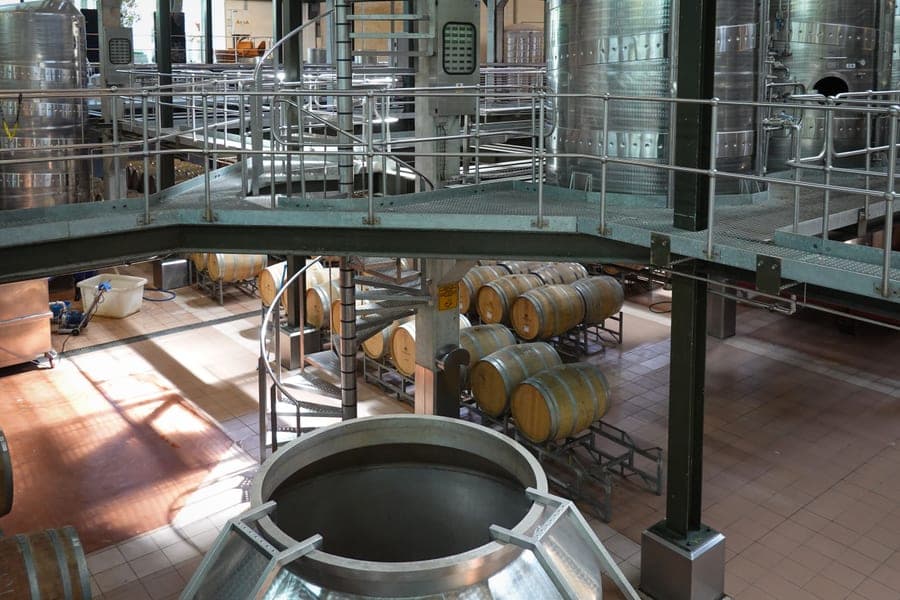
The Best Mead Fermenters
Vessels for mead's long timescale, where beer vessel advice stops applying.
Roundup
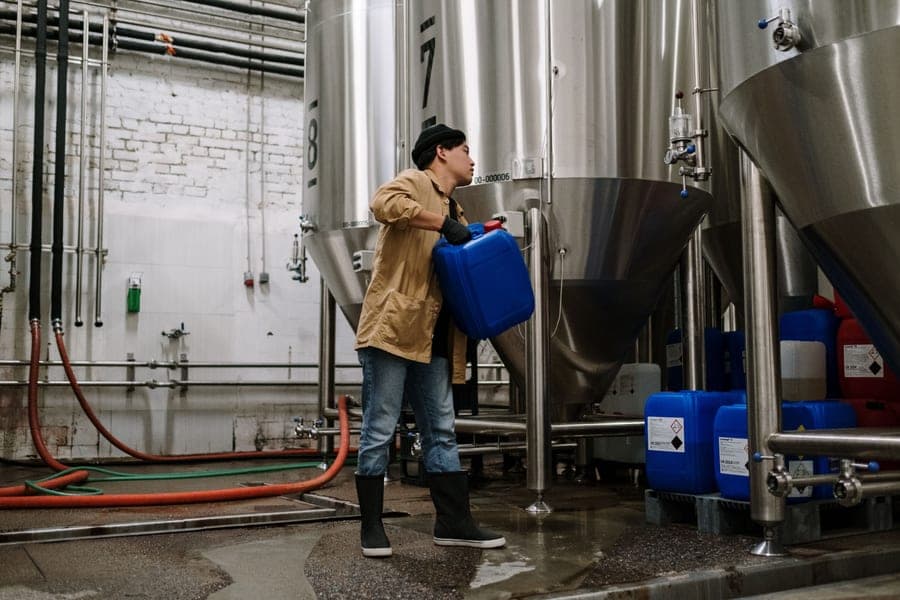
The Best Wine Fermenters
Variable-capacity tanks, carboys and primaries, judged on headspace control.
Roundup
The Best Conical Fermenters for Mead
When a cone helps a mead and when the shape works against you.
Comparisons
Head to head
Comparison
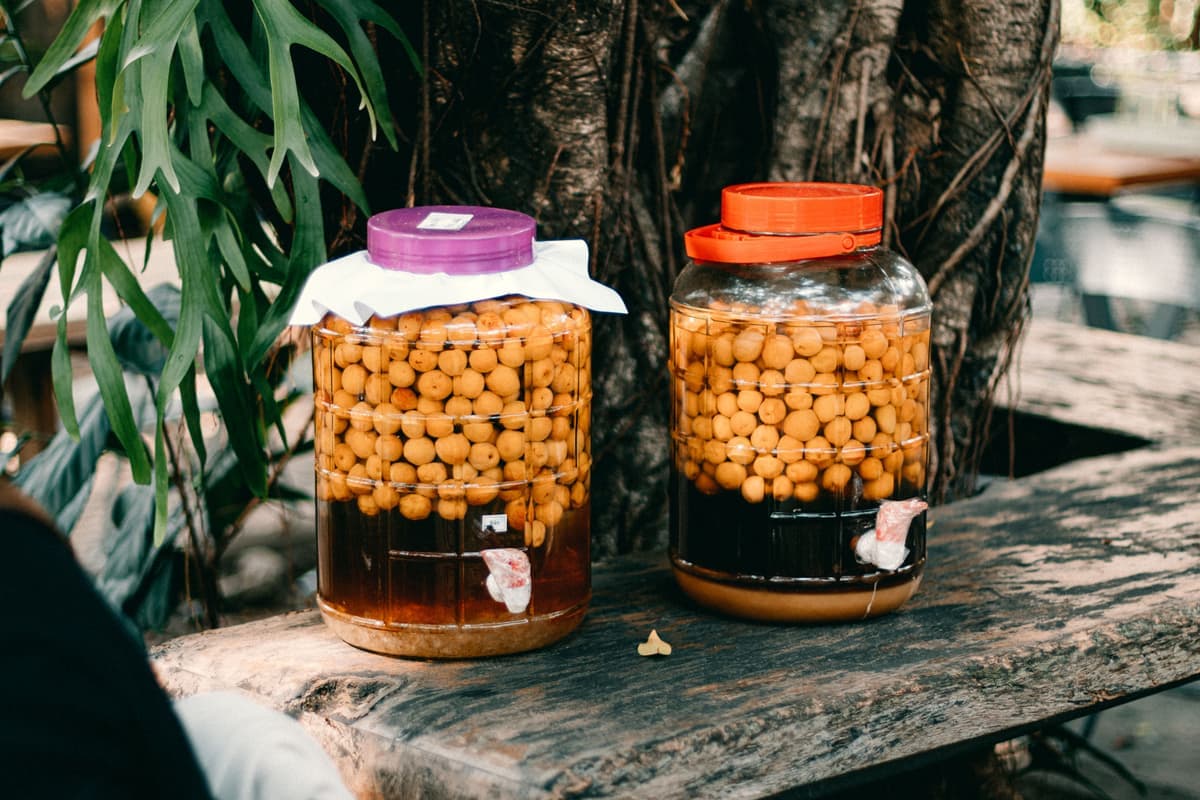
Mead vs Wine: Which to Make First
Cost, difficulty and time compared, and which suits a beer brewer first.
Comparison
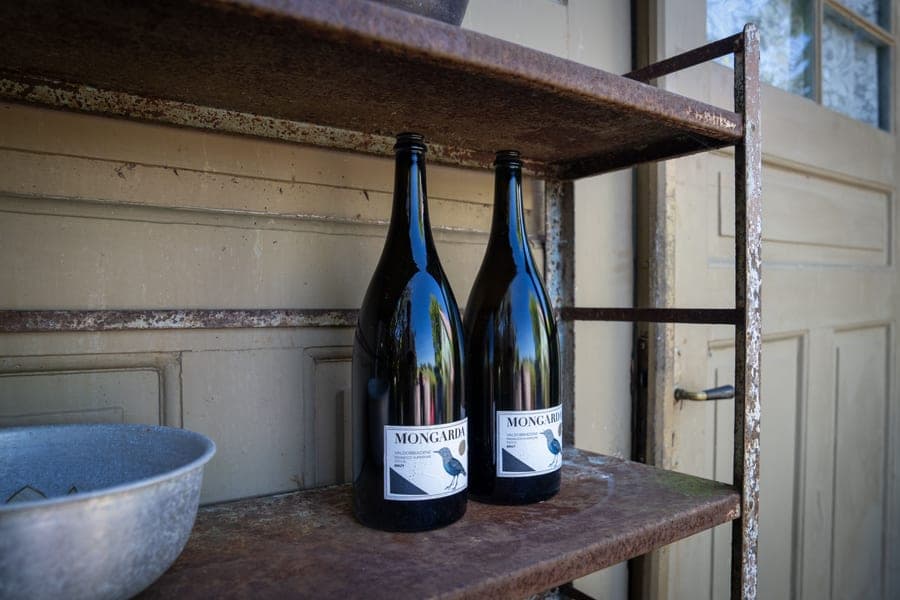
Demijohn vs Carboy
The terminology settled, then the glass-versus-PET decision that matters.
Guides
How it works
Guide
Your First Mead, Step by Step
A one gallon recipe with the staggered nutrient schedule that changes everything.
Guide
Pressure Fermenting Mead and Wine
What pressure changes for mead and wine, and why oxygen matters more here.
FAQ
Wine & Mead: common questions
Can I use my beer brewing equipment to make mead or wine?
Most of it, yes. Hydrometers, auto-siphons, airlocks, bungs, tubing, sanitizer and a temperature-controlled chamber all transfer without change. The exception is long aging: beer leaves its fermenter in weeks, while wine and mead sit for months, and over that span plastic's slow oxygen permeability starts to matter. Use glass or stainless for anything aging longer than about two months.
How long does mead take to make?
Fermentation finishes in two to four weeks. Drinkability is the longer question, and it depends almost entirely on nutrition: a mead fed a staggered nutrient schedule is pleasant at two months and good at six, while one fermented without nutrient can take a year to lose its harshness. Mead's reputation for needing long aging is mostly a reputation for under-nourished fermentation.
Do I need a different fermenter for wine than for beer?
Not for the fermentation itself, but the aging stage has different requirements. Wine benefits from a narrow-necked glass carboy or a variable-capacity stainless tank, because both minimize the headspace that lets oxygen reach the wine over months of bulk aging. A wide-mouth plastic bucket that is ideal for a two-week beer is the wrong vessel for a six-month wine.
How much honey do I need for a gallon of mead?
Between two and three pounds for a standard-strength traditional mead, depending on your target gravity and how dry you want it. Three pounds per gallon lands around 1.100 starting gravity, which with a robust wine yeast ferments to roughly 13 percent alcohol. This is why starting at one gallon rather than five is sensible advice: honey is the dominant cost of the batch.
Not sure where to start
The upgrade path puts this in order
Which upgrade is worth making next depends on what you already own. Our signature guide sequences the whole setup by return per dollar.