Roundup
The Best Wine Making Kits
The tier decides the wine, not the varietal. A high-tier chardonnay beats a low-tier amarone every time.
The short answer
RJS Craft Winemaking kits are the best wine making kits for home use, and the decision that matters is the tier rather than the grape: higher tiers contain more actual juice and less concentrate, and taste correspondingly better. A 6 gallon kit yields around 30 bottles over four to eight weeks of fermentation.
DisclosureWe earn a commission on qualifying purchases made through links on this page, at no extra cost to you. It does not change what we recommend or how we rank it -- here is how we pick and here is the full disclosure.
At a glance
Quick picks
| # | Product | Best for | Price |
|---|---|---|---|
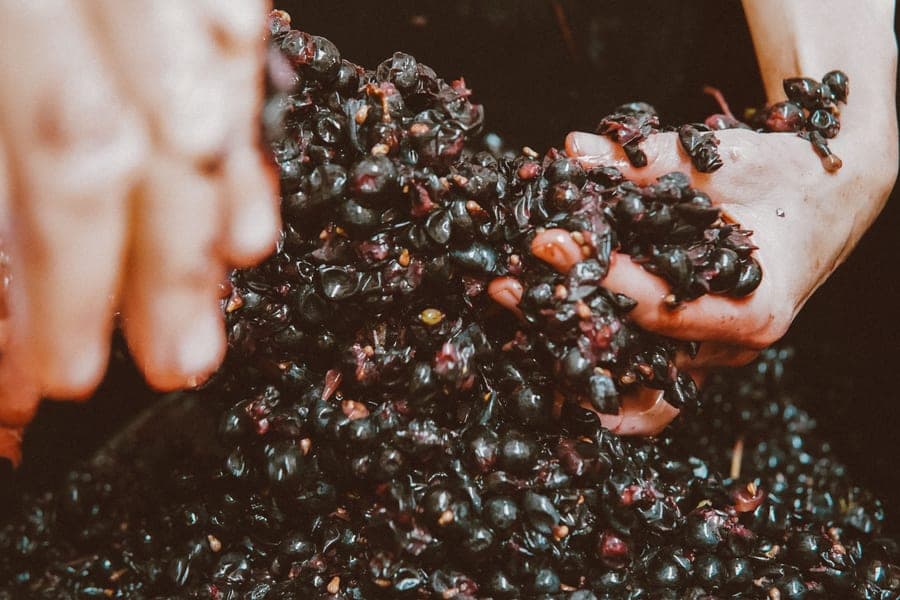
| 1 | Best overall RJS Craft Winemaking Kit Six gallons yielding around 30 bottles, across varietals from chardonnay and pinot noir to viognier and amarone, with multiple quality tiers where juice content rises with tier. | Home winemakers who want a repeatable 30-bottle batch | |
| 2 | 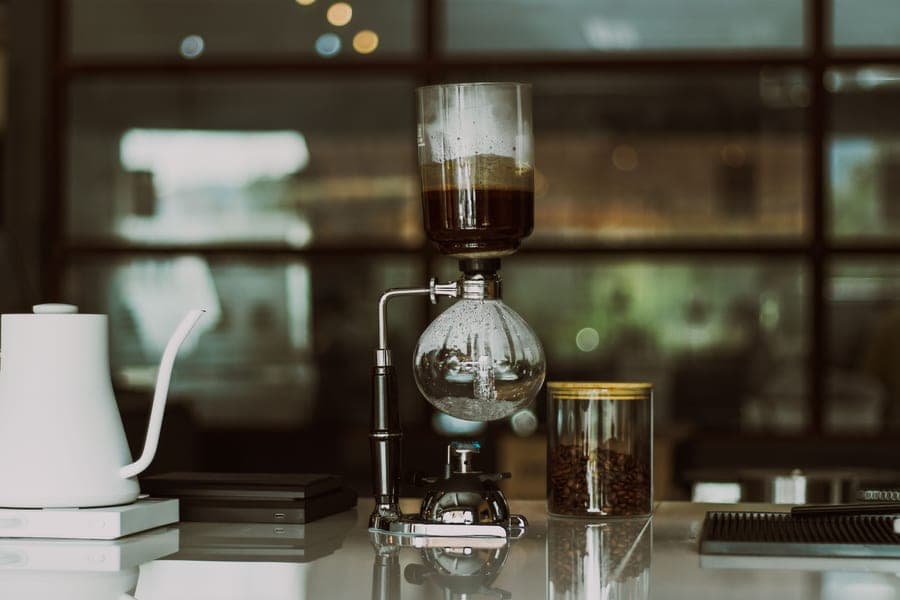 What the kit does not include Complete Wine Making Equipment Kit Primary bucket, 6 gallon carboy, airlock, auto-siphon and hydrometer. The equipment the wine kit assumes you already have. | First-time winemakers who own nothing | |
| 3 | 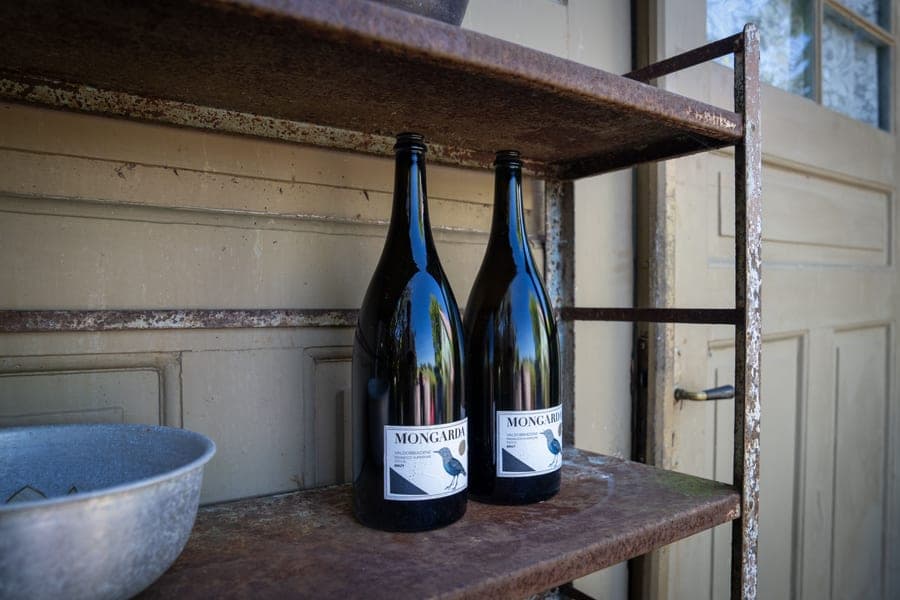 Best bulk aging vessel Glass Demijohn 5-6 Gallon Completely oxygen-impermeable with a narrow neck that minimizes headspace surface. The correct vessel for months of bulk aging. | Wine aged for months before bottling | |
| 4 | 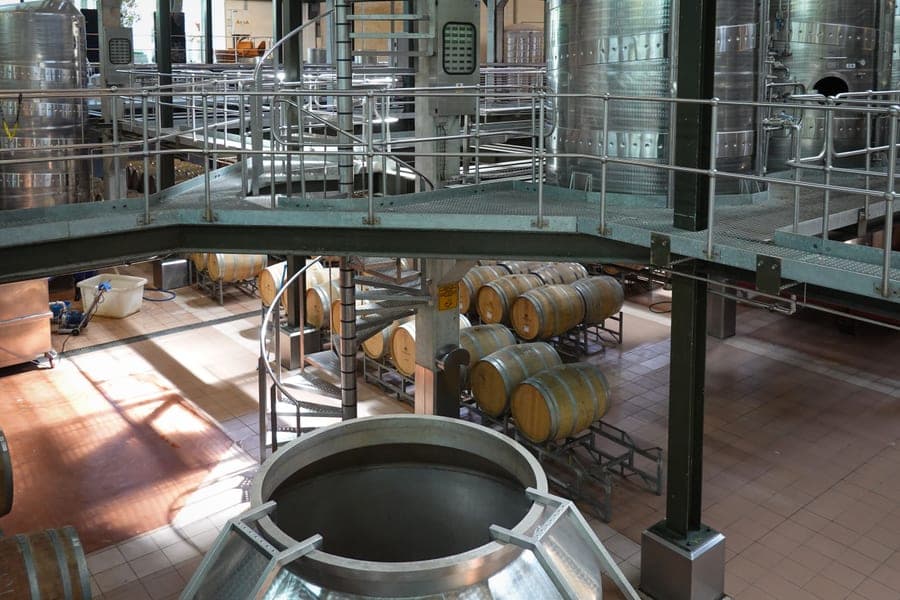 The upgrade that solves headspace Variable-Capacity Stainless Wine Tank A variable-capacity tank's floating lid drops to the wine line, so there is no headspace to top up at all. This is the real answer to wine's oxygen problem. | Winemakers tired of topping up a part-full carboy | |
| 5 | 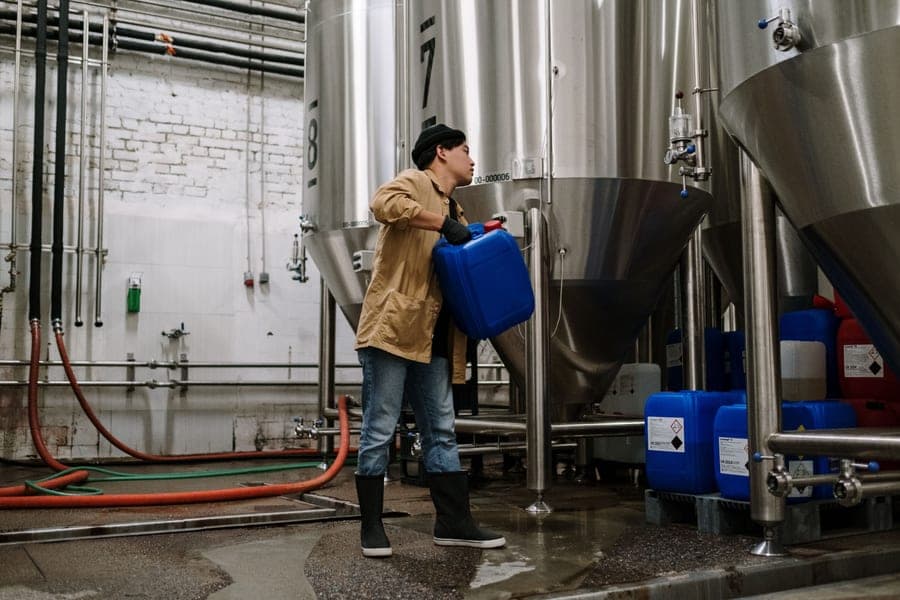 Best primary fermenter Speidel Plastic Fermenter 30 L Food-grade HDPE with a wide mouth, which makes punching down a red must and cleaning afterwards straightforward. | The vigorous first week of fermentation |
Prices are checked on Amazon when you click. We never print a number we cannot verify.
What rises with kit tier
| Lower tier | Higher tier | |
|---|---|---|
| Juice content | More concentrate | More actual juice |
| Body and mouthfeel | Thinner | Fuller |
| Time to drinkable | Sooner, peaks lower | Longer, peaks higher |
| Oak and additives | Minimal | Often included, sometimes real oak |
| Yield | ~30 bottles | ~30 bottles |
| Cost per bottle | Lowest | Still low vs retail |
An orange rule marks the better of the two on that row.
The decision that matters
Tier, not varietal
Wine kits are sold by grape variety, which is how people shop and is the wrong basis for the decision. The variable that determines whether the finished wine is good is the tier.
Lower-tier kits lean on concentrate; higher tiers carry a larger proportion of actual juice, and the difference shows up directly as body, length and mouthfeel. A high-tier chardonnay will beat a low-tier amarone, regardless of what the amarone name implies about ambition.
So the practical advice is to pick the tier first and the varietal second, within whatever your budget allows. If you want to compare varietals meaningfully, compare them within a tier.
What a kit is
Logistics rather than a recipe
A wine kit supplies juice or concentrate, yeast, and a schedule of additives -- typically a stabilizer, a fining agent, and sometimes oak. You supply water, a vessel, temperature and time. It is less a recipe than a sequence to follow, and the instructions matter more than judgment.
That is a genuine advantage for a first attempt. Where a beer recipe asks you to hit a mash temperature and judge a boil, a wine kit asks you to follow steps on dates. The main failure modes are rushing the schedule and fermenting too warm, both avoidable.
The full equipment picture is in wine making equipment list.
The oxygen problem
Different from beer in one important way
Beer leaves its fermenter in two or three weeks. Wine sits for months, and over months oxygen is the enemy -- it dulls fruit, browns whites and eventually produces sherry-like oxidation.
This is why winemaking equipment looks the way it does: narrow-necked carboys rather than wide buckets, instructions that tell you to top up, and an insistence on glass or stainless rather than plastic for the aging stage.
- Primary fermentation in a wide vessel. The first vigorous week benefits from easy access, and oxygen is not a concern while CO2 is being produced rapidly.
- Secondary and aging in glass or stainless, kept full. PET is slightly oxygen-permeable, which does not matter over two weeks and does over six months.
- Top up or reduce headspace. A part-full carboy is a real risk, not a cosmetic one. Top up with a similar wine, or use a vessel that eliminates headspace entirely.
Timelines
What patience actually buys
Kit instructions typically give four to eight weeks from pitching to bottling. That is accurate, and bottling at the earliest permitted date produces a wine that is drinkable and thin.
Most kit wines improve substantially over several months in the bottle, and reds more than whites. The practical approach is to bottle on schedule and then leave the case alone for three to six months, opening one occasionally to track it. Wine that tastes unremarkable at bottling frequently tastes considerably better at month five.
The picks, in order
Every pick in detail
#1
Best overall
Mid tier
RJS Craft Winemaking Kit
RJS Craft Winemaking
Six gallons yielding around 30 bottles, across varietals from chardonnay and pinot noir to viognier and amarone, with multiple quality tiers where juice content rises with tier.
Spec sheet
- Batch size
- 6 gal / ~30 bottles
- Varietals
- Chardonnay, pinot noir, viognier, amarone and more
- Tiers
- Multiple tiers; juice content rises with tier
- Time
- 4-8 weeks to bottle, months to peak
- Includes
- Juice, yeast, additives, fining agents
- Equipment
- Not included -- needs a fermenter and carboy
What it is not good at
Equipment is not included -- you need a primary fermenter and a carboy. Four to eight weeks to bottle and months more to peak, so patience is part of the purchase.
Who it is for
Home winemakers who want a repeatable 30-bottle batch
#2
What the kit does not include
Entry tier
Complete Wine Making Equipment Kit
Midwest / Northern Brewer
Primary bucket, 6 gallon carboy, airlock, auto-siphon and hydrometer. The equipment the wine kit assumes you already have.
Spec sheet
- Batch size
- 6 gal
- Primary
- Food-grade bucket with a lid and airlock grommet
- Secondary
- 6 gal glass or PET carboy
- Transfer
- Auto-siphon and tubing
- Measurement
- Hydrometer and test jar
- Not included
- The wine kit itself, and usually a corker
What it is not good at
Redundant for a beer brewer, who already owns most of it. A corker is usually a separate purchase.
Who it is for
First-time winemakers who own nothing
#3
Best bulk aging vessel
Entry tier
Glass Demijohn 5-6 Gallon
Various
Completely oxygen-impermeable with a narrow neck that minimizes headspace surface. The correct vessel for months of bulk aging.
Spec sheet
- Capacity
- 5-6 gal (smaller sizes common in Europe)
- Material
- Glass -- fully oxygen-impermeable
- Neck
- Narrow, takes a #6.5 or #7 bung
- Cleaning
- Needs a carboy brush; no wide access
- Weight
- Heavy full; use a milk-crate carrier
- Best for
- Long bulk aging where oxygen is the enemy
What it is not good at
Heavy and awkward, and cleaning means a carboy brush through a narrow neck.
Who it is for
Wine aged for months before bottling
#4
The upgrade that solves headspace
Prosumer tier
Variable-Capacity Stainless Wine Tank
Speidel / Marchisio
A variable-capacity tank's floating lid drops to the wine line, so there is no headspace to top up at all. This is the real answer to wine's oxygen problem.
Spec sheet
- Capacity
- 30 L to 100 L and beyond
- Lid
- Floating lid with an inflatable gasket
- Headspace
- Adjustable -- the lid drops to the wine line
- Material
- 304 stainless
- Valve
- Racking valve, optional thermowell
- Why it matters
- Solves the part-full-carboy oxidation problem
What it is not good at
A substantial purchase and considerably more vessel than one 6 gallon kit needs.
Who it is for
Winemakers tired of topping up a part-full carboy
#5
Best primary fermenter
Entry tier
Speidel Plastic Fermenter 30 L
Speidel
Food-grade HDPE with a wide mouth, which makes punching down a red must and cleaning afterwards straightforward.
Spec sheet
- Capacity
- 30 L / 7.9 gal
- Material
- Food-grade HDPE
- Mouth
- Wide, square footprint
What it is not good at
Opaque, and plastic is the wrong vessel for the long aging stage.
Who it is for
The vigorous first week of fermentation
FAQ
Questions brewers actually ask
What is the best wine making kit for beginners?
An RJS Craft Winemaking kit in the highest tier you can justify, in whatever varietal appeals. The tier matters more than the grape: higher tiers contain more actual juice and less concentrate, and that difference shows up directly as body and length. A high-tier chardonnay beats a low-tier amarone.
How many bottles does a wine kit make?
Around 30 bottles from a standard 6 gallon kit. That is a meaningful quantity, which is part of why wine kits are good value compared with retail wine of similar quality, and also why bottling day is a job rather than a task -- budget an afternoon and have the bottles washed in advance.
Do wine kits include the equipment?
No, they are ingredients only. You need a primary fermenter, a 6 gallon carboy for secondary and aging, an airlock and bung, an auto-siphon and a hydrometer. A beer brewer already owns most of that. A corker is usually a separate purchase and is worth borrowing before buying.
How long does wine from a kit take?
Four to eight weeks from pitching to bottling, following the kit schedule. Drinkability is a longer question: most kit wines improve substantially over three to six months in the bottle, reds more than whites. Bottling at the earliest permitted date gives you a wine that is drinkable and noticeably thin.
Why does wine need topping up but beer does not?
Because of timescale. Beer leaves its fermenter in two or three weeks, during which CO2 production keeps oxygen out. Wine sits for months, and across months the oxygen in a part-full vessel's headspace dulls the fruit and eventually produces sherry-like oxidation. Top up with a similar wine, or use a variable-capacity tank whose floating lid eliminates headspace entirely.
Read next
More on wine & mead
Roundup
The Best Wine Fermenters
Variable-capacity tanks, carboys and primaries, judged on headspace control.
Comparison
Mead vs Wine: Which to Make First
Cost, difficulty and time compared, and which suits a beer brewer first.
Comparison
Demijohn vs Carboy
The terminology settled, then the glass-versus-PET decision that matters.
Roundup
The Best Mead Fermenters
Vessels for mead's long timescale, where beer vessel advice stops applying.