Guide
What You Need to Make Mead
Six items, and a beer brewer already owns four of them. Here is the honest list.
The short answer
To make one gallon of mead you need 2-3 lb of honey, a wine or mead yeast, yeast nutrient, a one gallon glass carboy with a bung and airlock, an auto-siphon, a hydrometer and sanitizer. A beer brewer already owns everything except the honey, yeast and nutrient.
DisclosureWe earn a commission on qualifying purchases made through links on this page, at no extra cost to you. It does not change what we recommend or how we rank it -- here is how we pick and here is the full disclosure.
Essential
The six things you cannot skip
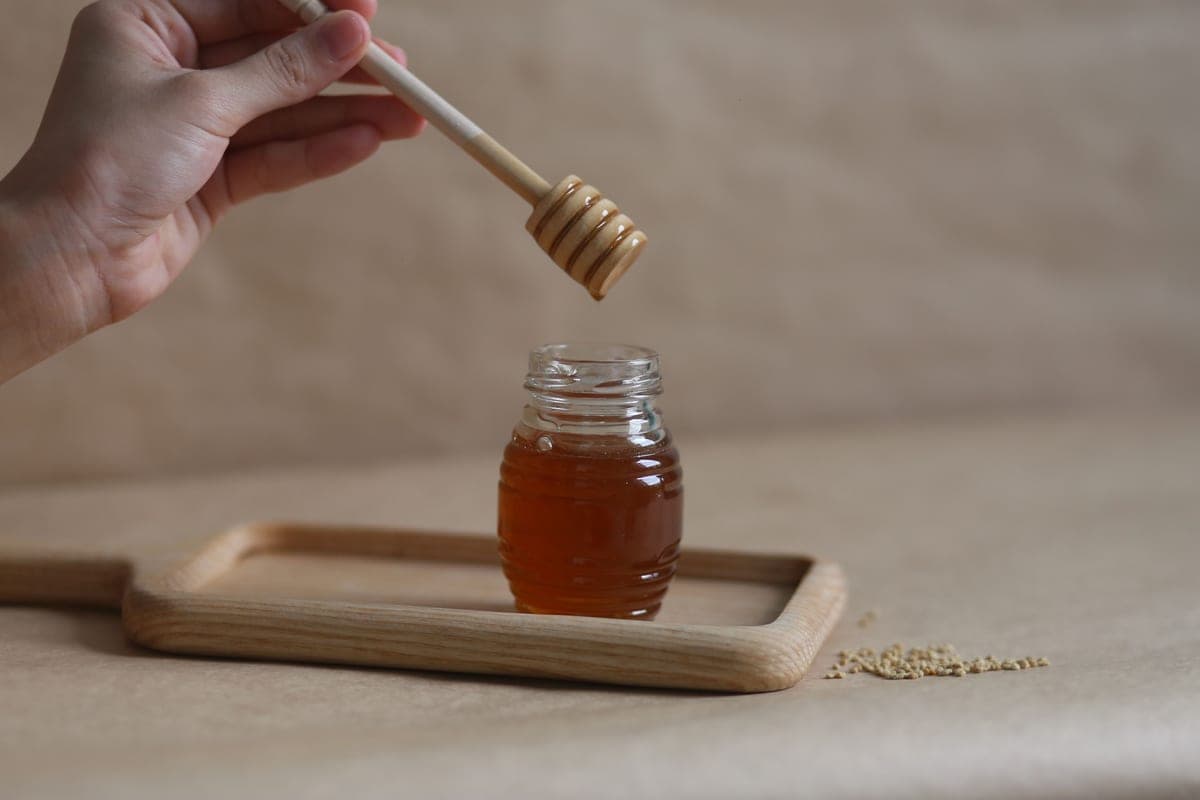
- Honey -- 2 to 3 lb per gallon. Three pounds per gallon lands around 1.100 starting gravity, which with a robust wine yeast ferments to roughly 13 percent alcohol. Buy by weight, not volume -- honey is far denser than water. Local apiary honey is usually cheaper per pound than supermarket honey and the variety is identifiable, which matters when you want to repeat a good batch.
- Wine or mead yeast. Not a beer strain: beer yeasts generally have lower alcohol tolerance than mead’s 12 to 14 percent target. A robust wine yeast is the standard choice.
- Yeast nutrient. The item that actually decides whether your mead is good. See below -- this is not optional and it is not one dose.
- A vessel with a bung and airlock. One gallon glass carboy for a first batch. Glass rather than PET, because mead ages for months and PET is slightly oxygen-permeable over that span.
- An auto-siphon and tubing, for racking off the lees without aerating the mead or starting a siphon by mouth.
- A hydrometer and test jar, plus sanitizer. The hydrometer is the only way to know your starting gravity, your finishing gravity and therefore your alcohol content.
The one that matters
Nutrient, staggered
Honey is nearly devoid of the nitrogen yeast needs to build healthy cell walls. Pitch into straight honey must with nothing added and the yeast gets stressed, and stressed yeast produces fusel alcohols -- the hot, solvent-like harshness that is the entire reason mead has a reputation for needing a year to become drinkable.
The fix is to feed it, and to feed it in stages rather than all at once. A single large dose at the start is partly wasted because the yeast cannot use it all, and leaves the population unsupported later when it needs help most. Staggered additions -- typically at pitch, then at intervals through the first few days of active fermentation -- keep the yeast healthy throughout.
Fed this way, a traditional mead is pleasant at two months and good at six. That is the single highest-value thing in this guide. Follow the schedule on your nutrient product, and the practical walkthrough is your first mead, step by step.
Already own it
What transfers from beer brewing
If you brew beer, your shopping list is three items: honey, yeast and nutrient. Everything else is on your shelf:
- Hydrometer and test jar
- Auto-siphon and tubing
- Airlocks and bungs
- Sanitizer
- Thermometer
- A temperature-controlled chamber -- mead benefits from a held temperature as much as beer does, and most mead advice online assumes you do not have one
The one habit to change is about vessels: use glass or stainless rather than PET for the months of aging, and think about headspace in a way beer never requires -- best mead fermenters covers it.
Optional
Useful, and not for batch one
- Campden tablets (potassium metabisulphite) and potassium sorbate -- needed only if you intend to back-sweeten, because together they stop the yeast restarting on the added honey. Essential for a sweet mead, irrelevant for a dry one.
- Fining agents for clarity. Mead clears well on its own given time, so patience is the free alternative.
- Acid blend and a pH meter for adjusting balance. Genuine tools, and not a first-batch concern.
- Bottles and a capper or corker. Mead bottles well in beer bottles if it is still, or wine bottles with corks. Needed on bottling day, not on day one.
- A degassing wand for stirring out dissolved CO2 before fining. Useful on a 5 gallon batch, unnecessary on a gallon.
What we recommend
The products on this page
Everything except the honey
Entry tier
Craft A Brew Mead Making Kit
Craft A Brew
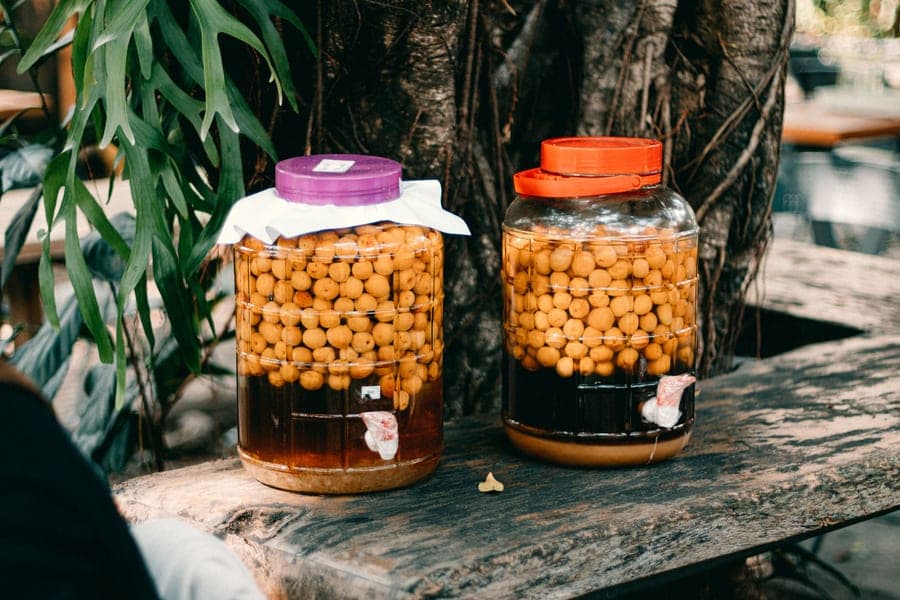
One gallon glass carboy, yeast, nutrient, airlock, siphon and sanitizer in one purchase, and the carboy is reusable afterwards.
Spec sheet
- Batch size
- 1 gal / 3.8 L
- Vessel
- Glass carboy
- Includes
- Yeast, nutrient, airlock, siphon, sanitizer
- Honey
- Not included -- you source 2-3 lb
- Time to drinkable
- 4-8 weeks, better at 6 months
- Reusable
- Yes -- refill with your own honey
What it is not good at
Honey not included, and largely redundant if you already brew beer -- check what you own first.
Who it is for
People starting from nothing
If you scale up
Entry tier
Glass Demijohn 5-6 Gallon
Various
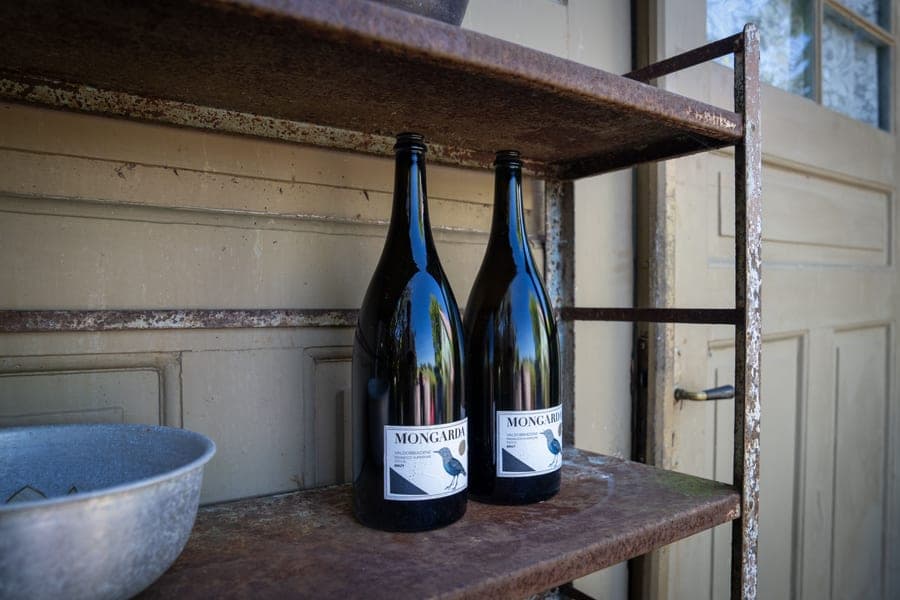
The right vessel once you move past one gallon. Oxygen-impermeable with a narrow neck, which is what mead's long timescale demands.
Spec sheet
- Capacity
- 5-6 gal (smaller sizes common in Europe)
- Material
- Glass -- fully oxygen-impermeable
- Neck
- Narrow, takes a #6.5 or #7 bung
- Cleaning
- Needs a carboy brush; no wide access
- Weight
- Heavy full; use a milk-crate carrier
- Best for
- Long bulk aging where oxygen is the enemy
What it is not good at
Heavy and fragile. Keep it full and handle it carefully.
Who it is for
Aging a 5 gallon batch for months
More than you think
Entry tier
Five Star Star San Sanitizer
Five Star Chemicals
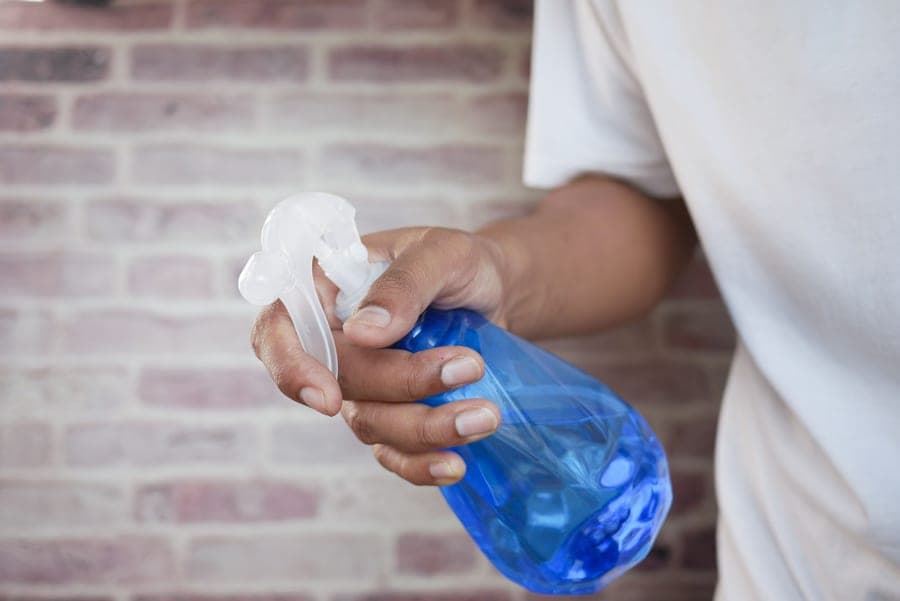
A mead sits for months and gets transferred more than a beer, which means more sanitizing opportunities and more places to get it wrong.
Spec sheet
- Type
- Acid-anionic, no-rinse
- Contact time
- 1-2 minutes
- Dilution
- 1 oz per 5 gal
What it is not good at
Clean first -- sanitizer does not work through soil. Needs low-alkalinity water.
Who it is for
Every vessel and every transfer across months
FAQ
Questions brewers actually ask
What do you need to make mead at home?
Honey at 2 to 3 lb per gallon, a wine or mead yeast, yeast nutrient, a glass carboy with a bung and airlock, an auto-siphon and tubing, a hydrometer and test jar, and sanitizer. A beer brewer already owns everything except the honey, yeast and nutrient, which makes mead the cheapest second hobby in fermentation.
How much honey per gallon of mead?
Two to three pounds. Three pounds per gallon gives a starting gravity around 1.100, which with a robust wine yeast ferments out to roughly 13 percent alcohol. Buy by weight rather than volume, because honey is far denser than water and a volume substitution will put you well off target.
Do I need yeast nutrient for mead?
Yes, and it is the single most important item on the list. Honey is nearly devoid of the nitrogen yeast needs, so without nutrient the yeast gets stressed and produces fusel alcohols -- the hot harshness responsible for mead's reputation for needing a year. Add it in stages through early fermentation rather than as one dose at the start.
Can I use bread yeast for mead?
It will ferment, and the result is unlikely to be good. Bread yeast has low alcohol tolerance relative to mead's 12 to 14 percent target and contributes flavors selected for dough rather than drinks. A packet of robust wine yeast costs very little and is the standard choice for good reason.
Should I boil honey before making mead?
No. Heating honey drives off the delicate aromatics that distinguish one honey variety from another, which is most of what you are paying for when you buy good honey. Mix it into cool or warm water instead and rely on sanitation. Honey is naturally hostile to microbes, so the pasteurization step older recipes call for is unnecessary.
Read next
More on wine & mead
Guide
Your First Mead, Step by Step
A one gallon recipe with the staggered nutrient schedule that changes everything.
Roundup
The Best Mead Fermenters
Vessels for mead's long timescale, where beer vessel advice stops applying.
Comparison
Mead vs Wine: Which to Make First
Cost, difficulty and time compared, and which suits a beer brewer first.
Roundup
The Best Fermentation Chambers
Chest freezer, upright fridge or build -- compared on height and running cost.