Guide
Is Pressure Fermentation Worth It?
It is worth it for two specific reasons and oversold for about four others. Here is which camp you are in.
The short answer
Pressure fermentation is worth it if you keg and brew clean styles: it suppresses esters so you can ferment lagers warmer and faster, and it lets you transfer to a keg without ever touching air. It is not worth it for bottlers, for hazy IPA brewers, or as a substitute for temperature control.
DisclosureWe earn a commission on qualifying purchases made through links on this page, at no extra cost to you. It does not change what we recommend or how we rank it -- here is how we pick and here is the full disclosure.
Benefit one
Suppressed esters, warmer lagers
Yeast under pressure produces fewer esters. That is the mechanism behind every claim made for the technique, and it is real and well established. Dissolved CO2 in the beer changes how the yeast handles its own byproducts, and the fruity, estery character that warm fermentation normally creates is substantially reduced.
The practical payoff is lager-like beer from warmer, faster fermentations. Pitch a lager yeast at the warm end of its range under fifteen psi and you get a clean result in a fraction of the time a cold fermentation takes, in a garage where holding 50°F for three weeks would be a struggle.
For a brewer who wants lagers and does not have serious cold-side capability, that single benefit can justify the whole setup -- how to pressure ferment a lager has the schedule.
Benefit two
The beer never meets air
The second benefit has nothing to do with yeast. A pressure-rated fermenter can push its contents into a purged keg under CO2, so the beer goes from boil to keg without a single moment of air contact. No siphon pulling air in behind the beer, no splashing into an open keg, no headspace full of oxygen.
Oxidation is the quiet killer of homebrew. It is what turns a bright hoppy pale ale into something papery and dull in three weeks, and it is invisible on brew day. Closed transfer removes it from the process almost entirely -- closed transfer to keg.
The honest costs
What it actually takes
- A rated vessel. A fermenter genuinely rated to hold pressure, with a working PRV. A bucket with a lid clamped on is not this, and treating it as one is how people get hurt.
- Gas control. A spunding valve or a regulator with a gauge, so the pressure is a number you chose rather than a number the yeast happened to reach.
- A keg to land in. Without one, you lose the closed transfer and the free carbonation, which is half the case for the method.
- More seals to maintain. Every pressure setup has gaskets, posts and a PRV, and all of them eventually leak. A pressure system that will not hold pressure overnight is a weekend of soapy water and new O-rings.
Where it is oversold
Four claims to discount
- “It replaces temperature control.” It does not. Pressure reduces how much a few degrees of warmth cost you, but the beer still generates heat and still drifts. A controller and a chamber are still doing the work -- fermentation temperature control.
- “It is faster for everything.” High pressure slows yeast as well as quieting it. The speed gain comes from fermenting warmer, which pressure permits -- not from the pressure itself.
- “It improves every style.” It improves styles that want to be clean. A hefeweizen, a Belgian, a hazy IPA all want ester character that pressure suppresses.
- “You can skip the cold crash.” Pressure helps clarity a little by keeping things settled, but cold crashing still drops yeast and haze faster than anything else.
The verdict by brewer
Four straight answers
You keg and brew lagers or clean ales: yes, clearly worth it. Both benefits land, and the free carbonation is a bonus on top.
You keg and brew hoppy beer: worth it for the closed transfer alone, since hoppy beer is what oxidation ruins fastest. Run lower pressure so you keep more of the hop-driven character.
You bottle: probably not. The transfer benefit evaporates at the bottling wand, and you are paying for a rated vessel to get half the method -- kegging vs bottling is the decision to make first.
You brew Belgians and hefeweizens: no. You would be spending money to remove the character the style is built on -- pressure fermentation explained covers the mechanism in more detail.
What we recommend
The products on this page
Entry tier
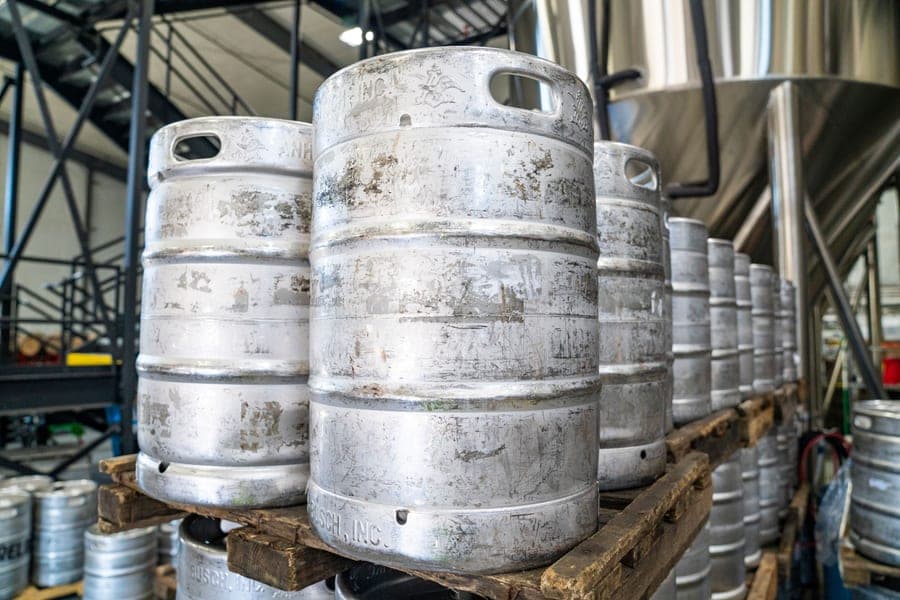
5 Gallon Ball Lock Corny Keg
AMCYL / NSI
The cheapest honest way to find out. A corny keg holds pressure, takes a spunding valve on the gas post and transfers out of the liquid post, so you can run the whole method for the price of a keg you will use anyway.
Spec sheet
- Capacity
- 5 gal / 19 L
- Height
- ~25 in (26 in with posts)
- Diameter
- ~8.5 in
- Connection
- Ball lock gas and liquid posts
- Pressure rating
- 130 psi typical, 55 psi working
- Lid
- Oval pry-out lid with a PRV
What it is not good at
Limited headspace for krausen in a 5 gallon body, and no cone to dump trub from.
Who it is for
Trying pressure fermentation before buying a dedicated vessel
Mid tier
FermZilla All Rounder 30 L
KegLand
If the trial works, this is the cheapest purpose-built step up: clear PET rated for pressure with the kit, ball-lock posts, and enough headspace that you are not fighting krausen into the gas post.
Spec sheet
- Capacity
- 30 L / 7.9 gal
- Shape
- Cylindrical (no cone)
- Pressure rating
- Rated for pressure fermentation with the pressure kit
- Material
- Clear PET
- Ports
- Ball lock posts, 4 in tri-clover lid option
- Weight
- Light enough to lift full-handed
What it is not good at
PET scratches and ages; the pressure kit is usually a separate purchase.
Who it is for
Brewers convinced by the method and not ready for stainless
Mid tier
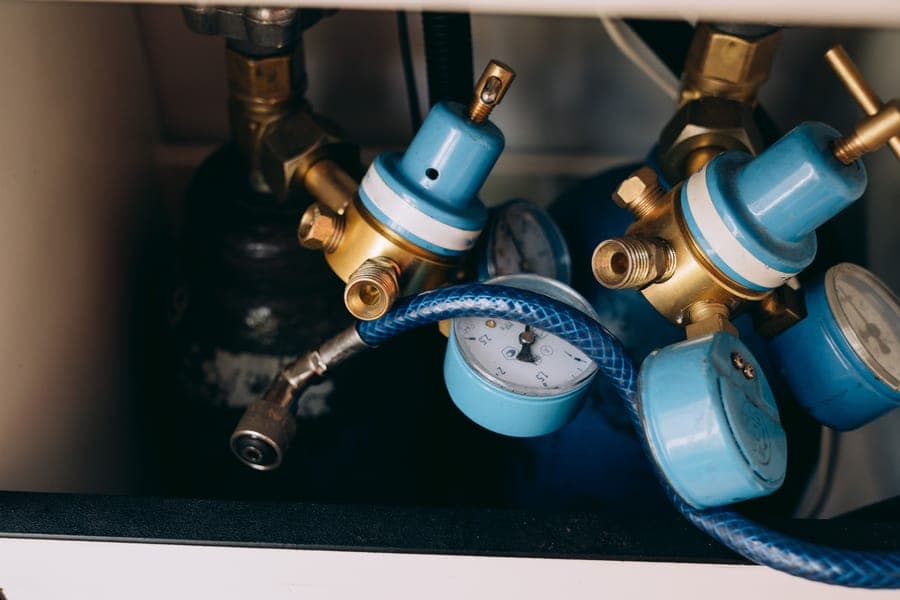
Taprite Dual-Gauge CO2 Regulator
Taprite
Whatever vessel you use, you need gas control with a gauge. One dual-gauge regulator sets the spunding ceiling, pushes the transfer and carbonates the keg afterwards.
Spec sheet
- Gauges
- Dual -- output pressure and tank contents
- Output range
- 0-60 psi
- Inlet
- CGA-320 CO2 tank thread
- Outlet
- 1/4 in MFL or barb
- Body
- Forged brass
- Serviceable
- Rebuild kits widely available
What it is not good at
A dedicated spunding valve is more precise for the relief job specifically.
Who it is for
Anyone running pressure on any vessel
FAQ
Questions brewers actually ask
Is pressure fermentation worth it for a homebrewer?
It is worth it if you keg and brew clean styles. Suppressed esters let you ferment lagers warmer and faster, and a closed transfer means the beer never meets air on its way to the keg. It is not worth it if you bottle, or if you brew styles that depend on ester character.
What are the benefits of pressure fermentation?
Two that matter. Fewer esters, so lagers and clean ales can be fermented warmer and faster without fruity off-character. And a sealed transfer into a purged keg, so oxidation is removed from the process. A third, smaller benefit is that the beer arrives in the keg already partly carbonated.
Does pressure fermentation make beer faster?
Indirectly. Pressure itself slightly slows yeast. The speed comes from being able to ferment at a warmer temperature without the ester penalty that normally brings, which is a real and substantial gain on lagers in particular.
What is the cheapest way to try pressure fermentation?
A 5 gallon ball-lock corny keg and a spunding valve. The keg holds pressure, the valve sets the ceiling on the gas post, and you transfer out of the liquid post into a second keg. If the method does not suit you, you still own kegs you were going to buy.
Can you pressure ferment in a plastic bucket?
No. A fermenting bucket is not a pressure vessel and clamping the lid down does not make it one. Use a vessel with a stated pressure rating and a working pressure relief valve -- a corny keg, a rated stainless fermenter, or a PET fermenter with its manufacturer's pressure kit fitted.
Does pressure fermentation hurt hoppy beer?
High pressure can mute some hop-derived character along with the esters, so brewers running hazy and heavily hopped styles usually use lower pressure or none during active fermentation. The closed-transfer half of the method still helps those beers more than any other, because they oxidize fastest.
Read next
More on fermenters
Guide
Pressure Fermentation, Explained
The actual mechanism, the psi to use, and what pressure cannot fix.
Roundup
The Best Pressure Fermenters
Genuinely rated pressure vessels, and what the working kit really costs.
Roundup
Best Pressure Brewing Systems
Complete pressure brewing setups ranked -- vessel, gas control and the keg at the end of it.
Guide
Closed Transfer to Keg
The purge, the jumper line and the return gas path that move beer without oxygen.
Roundup
The Best Conical Fermenters
Stainless, plastic and pressure-capable conicals compared, with chamber-fit warnings.