Guide
Fermentation Temperature Control
The highest-value thing you can get right in brewing. Here are the temperatures, and the probe-placement rule that makes them real.
The short answer
Hold ale fermentation at 65 to 68 degrees Fahrenheit measured at the beer, not the air, and hold it hardest during the first 48 hours when yeast produces most of its flavor compounds. Active fermentation runs several degrees above ambient, so tape the controller probe to the fermenter under insulation rather than letting it read the chamber air.
DisclosureWe earn a commission on qualifying purchases made through links on this page, at no extra cost to you. It does not change what we recommend or how we rank it -- here is how we pick and here is the full disclosure.
Why this is the priority
Temperature decides what yeast makes
Yeast does not just convert sugar to alcohol. It produces a set of secondary compounds whose quantities depend heavily on temperature: fruity esters, harsh solvent-like fusel alcohols, buttery diacetyl, sulfur compounds. Run warm and you get more esters and fusels; run cold and the yeast under-attenuates or stalls.
This matters more than your mash profile, your water chemistry, your kettle or your vessel. It is the reason a first batch often tastes “homemade”: fermented in a 72°F kitchen, with the beer itself reaching 78°F, the yeast made exactly the compounds that flavor describes. It is a temperature problem, not a skill problem.
Target temperatures
By yeast type
Measured at the beer, not the air
| Yeast type | Target | Notes |
|---|---|---|
| Clean American ale | 65-68 F | The default. Hold hard for 48h, then free rise |
| English ale | 64-68 F | Esters are wanted; a touch warmer is fine |
| German lager | 48-54 F | Slow and clean; needs a chamber or pressure |
| Kolsch, cream ale | 58-62 F | Cool ale fermentation, very clean |
| Hefeweizen | 62-68 F | Temperature steers banana vs clove |
| Belgian, saison | 68-80 F+ | Deliberately warm; esters are the point |
| Kveik | 80-100 F | Genuinely clean at temperatures that would ruin others |
| Wine and mead yeast | 60-68 F | Cooler is cleaner; see the wine and mead hub |
These are starting points. The yeast manufacturer’s stated range is the authority for a specific strain, and strains within a style vary considerably. What is universal is that the beer temperature is the number that matters.
The one rule
Measure the beer, not the air
This is the single most important detail on this page, and it costs nothing to get right.
Active fermentation is exothermic. A vigorous 5 gallon batch generates enough heat that the beer sits several degrees -- commonly four to six, sometimes more -- above the air around it during the first 48 hours. So a probe hanging in a chamber reports a perfect 66°F while the yeast works at 72°F and makes exactly the flavors you built the chamber to prevent.
- Best: a thermowell in the vessel, so the probe sits in the liquid.
- Nearly as good: tape the probe to the side of the fermenter and cover it with a scrap of bubble wrap or foam. The insulation stops the chamber air influencing the reading.
- Wrong: probe hanging in the air. This is the default arrangement and it is the reason many controlled fermentations still run too warm.
A cheap controller measuring the beer beats an expensive one measuring the air. It is not close.
The first 48 hours
Hold hard, then let it rise
Yeast produces the overwhelming majority of its flavor compounds during the growth and early fermentation phase -- the first two days. That is when temperature control earns its keep, and when a few degrees of overshoot does lasting damage.
- Pitch at or slightly below target. Pitching warm wort into a cold chamber means the beer starts fermenting on the way down, at a temperature you did not choose.
- Hold the target hard for 48 hours. This is the critical window. Expect the controller to work: active fermentation is pushing heat out and the chamber is removing it.
- Then free rise. Once the bulk of fermentation is done, letting the temperature drift up a few degrees helps the yeast finish properly: it reabsorbs diacetyl and acetaldehyde and attenuates more fully. Many brewers raise the setpoint by 2 to 4°F around day three.
- Cold crash at the end. 32 to 38°F for 48 hours pulls yeast and protein out of suspension for a clearer beer.
Cheapest to best
Four ways to actually do it
- Swamp cooler. A tub of water, a wet towel wicking up the fermenter, and a frozen bottle swapped twice daily. Free, genuinely effective within a few degrees, and tedious enough that almost nobody keeps it up.
- Chamber plus dual-stage controller. The sweet spot for essentially everyone. A used chest freezer or fridge plus a controller holds a setpoint within a degree for months -- best fermentation chambers.
- Pressure fermentation. Not temperature control, but it widens the usable window dramatically by suppressing the ester production that warm temperatures cause -- pressure fermentation explained.
- Glycol loop. The prosumer answer. Cools the vessel wall directly, so height stops mattering and multiple vessels can run at different setpoints -- best glycol chillers.
What we recommend
The products on this page
The controller
Entry tier
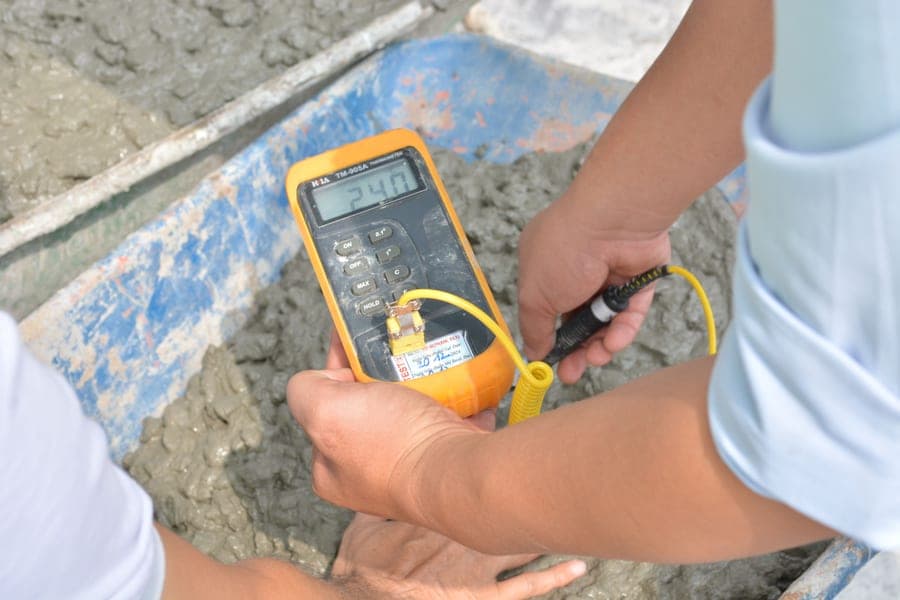
Inkbird ITC-308 Dual-Stage Temperature Controller
Inkbird
Two switched outlets so it can heat as well as cool, a calibratable probe, and a compressor delay. This plus any used appliance is the whole solution.
Spec sheet
- Stages
- Dual -- one heating and one cooling outlet
- Outlet rating
- ~1100W per outlet
- Probe
- NTC sensor on a 2 m lead
- Calibration
- User offset
- Compressor delay
- Configurable
- Wifi version
- ITC-308 Wifi sold separately
What it is not good at
One probe per unit, so one controlled vessel per controller.
Who it is for
Any fridge or freezer conversion
The chamber
Mid tier
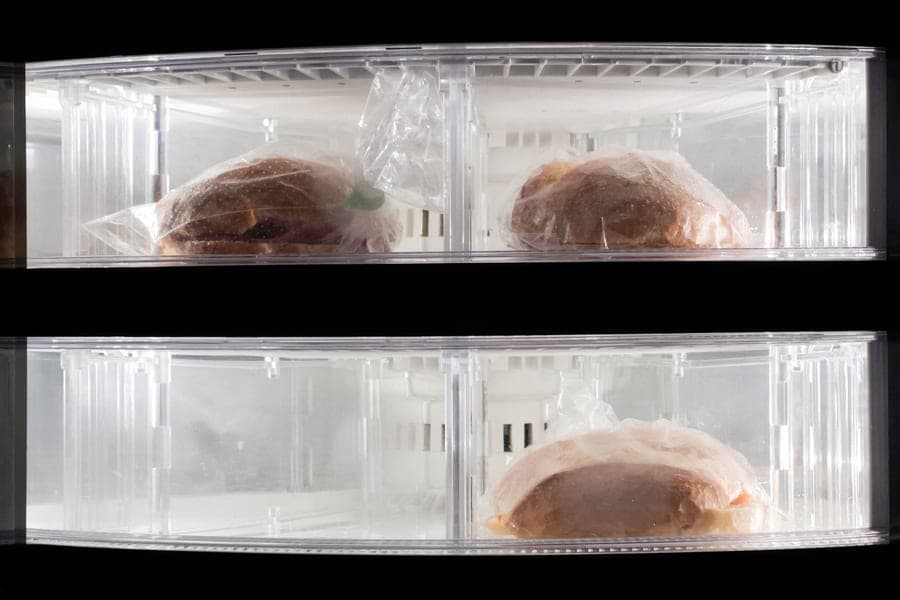
Chest Freezer Fermentation Chamber (with controller)
Chest freezer + Inkbird
A used chest freezer holds a setpoint within a degree and covers everything from lager temperatures to a 32 F cold crash at the lowest running cost available.
Spec sheet
- Approach
- Chest freezer with an external dual-stage controller
- Capacity
- 5-7 cu ft fits one or two 5 gal fermenters
- Range
- Lager temps through a 32 F cold crash
- Heat side
- Pair with a wrap heater for winter ale temps
- Energy
- Cheapest running cost per degree of any method
- Limitation
- Vessel height is the binding constraint
What it is not good at
Interior height is the hard constraint on which vessels fit.
Who it is for
One or two 5 gallon fermenters
The heating half
Entry tier
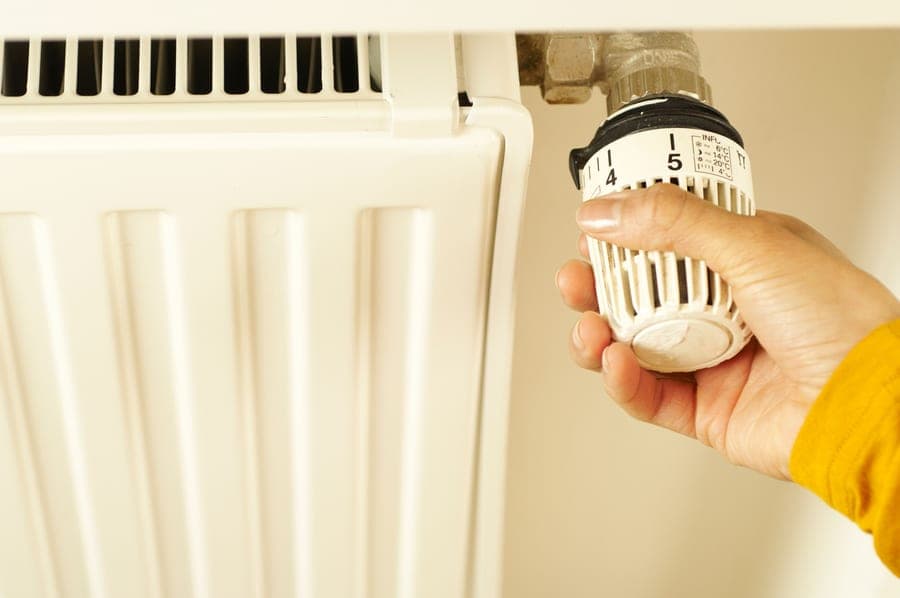
FermWrap Fermenter Heater
FermWrap
A flexible wrap heater on the controller's heating outlet is what turns a cooling-only setup into a year-round one.
Spec sheet
- Type
- Flexible wrap heater
- Power
- ~40W
- Pairs with
- Dual-stage controller
What it is not good at
Must be run through a controller. Unregulated, it overshoots badly.
Who it is for
Garages and basements that drop below your target
FAQ
Questions brewers actually ask
What temperature should I ferment ale at?
Between 65 and 68 degrees Fahrenheit measured at the beer rather than the surrounding air. The critical window is the first 48 hours, when yeast produces most of its flavor compounds: a rise above about 72 degrees in that period generates the fruity esters and solvent-like fusel alcohols people describe as homemade. Hold hard early, then let it free rise a few degrees to finish.
Why is my beer warmer than my fermentation chamber?
Because fermentation is exothermic. A vigorous 5 gallon batch generates enough heat that the beer sits four to six degrees above the air around it during the first 48 hours. That is why a probe hanging in the chamber air reports a correct setpoint while the yeast actually works far too warm, and why probe placement matters more than controller accuracy.
Should I raise the temperature at the end of fermentation?
Usually yes, by two to four degrees around day three. Once the bulk of fermentation is complete, a warmer finish helps the yeast reabsorb diacetyl and acetaldehyde and attenuate more fully. The reason to hold the temperature down early and let it rise late is that the flavor-critical compounds are produced early.
Does a cold crash let oxygen into the beer?
In an airlocked vessel, yes. Beer contracts as it cools and the vessel equalizes by drawing room air -- and airlock sanitizer -- back in through the airlock, which introduces oxygen to finished beer at its most vulnerable point. Fit a CO2 blanket or a balloon over the airlock port, or use a pressure-rated vessel and keep it sealed.
Can I control fermentation temperature without buying anything?
A swamp cooler works: stand the fermenter in a tub of water with a wet towel wicking up the sides, and swap a frozen bottle into the water twice a day. Evaporation plus thermal mass holds the beer within a few degrees. It is genuinely effective and tedious enough that most brewers buy a controller and a used fridge within a few batches.
What temperature should I ferment a lager at?
Between 48 and 54 degrees Fahrenheit for a traditional cold fermentation, which requires a dedicated chamber since no room sits there reliably. The alternative is pressure fermentation: at 10 to 15 psi a lager yeast can ferment in the low 60s and still come out clean, because the dissolved CO2 suppresses the esters that temperature would otherwise produce.
Read next
More on temperature control
Roundup
The Best Fermentation Temperature Controllers
Dual-stage controllers compared, with the probe-placement rule that matters most.
Roundup
The Best Fermentation Chambers
Chest freezer, upright fridge or build -- compared on height and running cost.
Guide
DIY Fermentation Chamber Build
The build, the settings, and the condensation and airflow details.
Guide
Pressure Fermentation, Explained
The actual mechanism, the psi to use, and what pressure cannot fix.
Guide
Homebrewing for Beginners: Your First Batch
The five stages of a first batch, and the two mistakes that ruin most of them.
Roundup
The Best Glycol Chillers for Homebrewing
Glycol chillers sized for homebrewing, and when a freezer is the better buy.