Guide
Spunding Valve Explained
An adjustable pressure relief valve that turns the CO2 your yeast is already making into the carbonation you would otherwise buy.
The short answer
A spunding valve is an adjustable pressure relief valve fitted to a sealed fermenter. It vents gas above a pressure you set and holds everything below it, so the beer carbonates on its own CO2 during fermentation. Set it to the pressure matching your target volumes at fermentation temperature.
DisclosureWe earn a commission on qualifying purchases made through links on this page, at no extra cost to you. It does not change what we recommend or how we rank it -- here is how we pick and here is the full disclosure.
What it is
An adjustable relief valve, nothing more
A spunding valve is an adjustable pressure relief valve with a gauge, fitted to the gas side of a sealed fermenter. You dial in a pressure. Below that pressure it stays shut and the vessel holds gas. Above it, it vents. That is the whole mechanism, and everything interesting about spunding comes from what fermentation does underneath it.
Yeast produces carbon dioxide continuously. In an open fermenter that gas leaves through an airlock and is lost. In a sealed, pressure-rated fermenter with a spunding valve set to, say, 12 psi, the gas has nowhere to go until it reaches 12 psi -- so it dissolves into the beer instead. By the time fermentation finishes, the beer is carbonated. You have bought carbonation with gas you were throwing away.
The second thing it buys is control. Fermenting under pressure suppresses the ester and fusel production that warm fermentation otherwise causes, which is why brewers use it to ferment lager strains warmer and faster than a traditional schedule allows. The mechanism is covered in pressure fermentation explained; this page is about the valve itself.
Safety first
The vessel has to be rated, and the valve is not optional
Spunding only belongs on a vessel the manufacturer rates for pressure. A plastic bucket, a glass carboy or a non-rated stainless fermenter is not a pressure vessel, and sealing one is genuinely dangerous rather than merely inadvisable. The rated vessels in this hobby state a working pressure; stay inside it.
The practical check before every use: open the valve fully, seal the fermenter, and let fermentation purge the headspace of air for the first few hours. Then close the valve down to your target. Purging first means the pressure you build is carbon dioxide rather than a mixture that includes the oxygen that was sitting above your wort.
Setting it
Pressure, temperature and the carbonation you want
Carbonation is a function of pressure and temperature together. The same 12 psi dissolves far more CO2 into cold beer than warm beer, so a spunding setting only means something alongside the temperature you are fermenting at. Warm fermentation needs more pressure to reach the same volumes; cold fermentation needs less.
In practice brewers work in one of two ways. Either you set the valve to the pressure that corresponds to your target volumes at your fermentation temperature and let the beer arrive fully carbonated, or you spund at a lower pressure for the flavour effect and finish the carbonation in the keg. The second is more forgiving, and it is the right starting point if you have not spunded before.
- Ferment open for the first day. Valve fully open so the headspace purges with CO2.
- Close the valve to your target as krausen peaks. There is still plenty of fermentation left to build pressure with.
- Watch the gauge, not the clock. It should climb to your setting and sit there while the valve vents the excess.
- Cold crash under pressure. The pressure keeps the carbonation in solution and keeps air out as the beer contracts.
- Transfer closed. Push the finished beer into a purged keg on its own gas -- see closed transfer.
What goes wrong
Three failures worth recognising
Nothing happens. The gauge never climbs. Usually a leak rather than a dead fermentation -- lid gasket, post seal or the valve itself. Spray the joints with sanitizer solution and watch for bubbles, exactly as you would hunt a CO2 leak on a kegerator.
Pressure climbs past the setting. The valve is stuck or set higher than the gauge suggests. Vent manually, take the valve off and clean it. Krausen finds its way into valve bodies, and dried krausen is what makes them stick.
The beer is flat anyway. Usually the valve was closed too late -- after fermentation had slowed, there was not enough gas left to build the pressure you wanted. Close it earlier next time, or accept the spund as a flavour tool and finish carbonation in the keg.
What we recommend
The products on this page
Mid tier
FermZilla Tri-Conical 27 L
KegLand
Pressure capable with the kit, with a collection butt underneath so you can drop trub out before you seal the vessel and start building pressure. Clear, so you can see when krausen is falling and it is time to close the valve down.
Spec sheet
- Capacity
- 27 L / 7.1 gal (also 55 L)
- Cone
- Detachable collection butt for yeast harvest
- Fitting
- 3 in tri-clover ferrule molded into the tank
- Valve
- Redesigned tri-clover dump valve
- Material
- Clear PET body
- Pressure
- Yes, with the pressure kit
Who it is for
Spunding with a cone you can dump yeast from
Mid tier
KegLand KegMenter Fermenter 30 L
KegLand
A 304 stainless keg-style vessel rated for pressure fermentation and transfer, with ball lock posts that take a spunding valve and a gas line without adapters. The simplest route into spunding if you already keg.
Spec sheet
- Capacity
- 30 L / 7.9 gal (also 40 L and 58 L)
- Material
- 304 stainless, keg-style body
- Pressure
- Rated for pressure fermentation and transfer
- Shape
- Flat bottom -- no trub cone
- Ports
- Ball lock posts, floating dip tube option
- Opacity
- Opaque -- you cannot see the krausen
Who it is for
Stainless pressure fermentation on ball lock posts
Prosumer tier
Spike Brewing CF5 Conical Fermenter
Spike Brewing
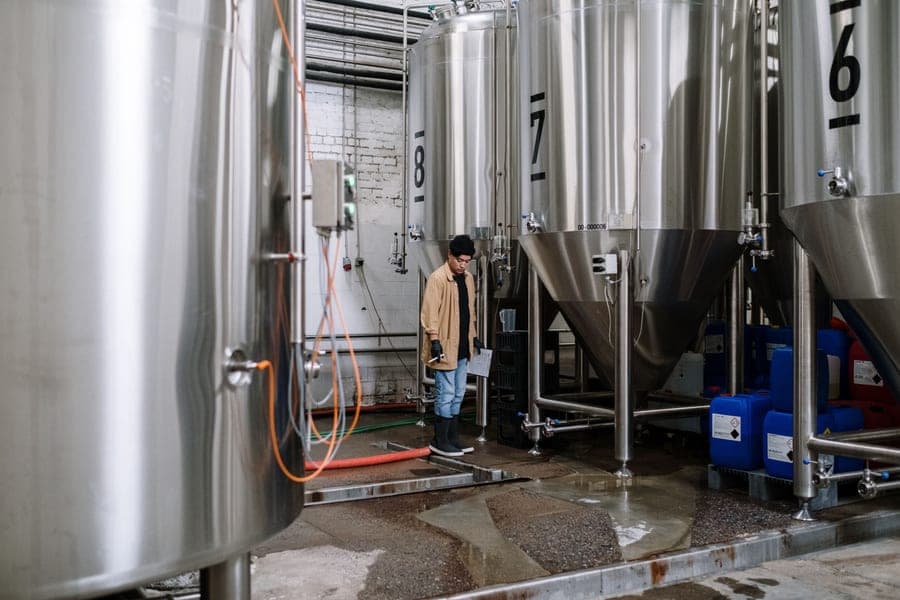
Rated for pressure transfer and spunding, with tri-clamp ports throughout and a full cone. The vessel to spund in if you want stainless, a cone and the option of a cooling coil in one tank.
Spec sheet
- Capacity
- 8 gal / 30 L (5 gal batch)
- Material
- Welded 304 stainless, no crevices
- Pressure
- Rated for pressure transfer and spunding
- Ports
- Tri-clamp throughout
- Cone
- Full cone with a dump valve
- Options
- Cooling coil, thermowell, CIP arm
Who it is for
Welded stainless with a pressure rating and a dump valve
FAQ
Questions brewers actually ask
What does a spunding valve do?
It holds a sealed fermenter at a pressure you choose, venting anything above it. The carbon dioxide the yeast produces dissolves into the beer instead of escaping through an airlock, so the beer carbonates itself during fermentation and ferments cleaner under pressure.
What pressure should I set a spunding valve to?
The pressure that matches your target carbonation at your fermentation temperature -- warmer beer needs more pressure for the same volumes. If you are new to it, spund lower for the flavour benefit and finish carbonation in the keg, which is far more forgiving than trying to land it exactly.
Can you use a spunding valve on any fermenter?
No. Only on a vessel the manufacturer rates for pressure, such as a KegMenter, a FermZilla with the pressure kit, or a rated stainless conical. Sealing a bucket, a carboy or an unrated fermenter is dangerous, not just ineffective.
When should you close the spunding valve during fermentation?
As krausen peaks, with active fermentation still to come. Leave it open before that so the headspace purges with CO2 rather than trapping oxygen. Close it too late and there is not enough gas left to reach your pressure.
Does spunding replace force carbonating?
It can. A beer spunded at the right pressure arrives in the keg already carbonated, which saves days of conditioning. Many brewers spund partially for the fermentation benefits and top the carbonation up in the keg, which is the more forgiving approach.
Sources
Read next
More on fermenters
Guide
Pressure Fermentation, Explained
The actual mechanism, the psi to use, and what pressure cannot fix.
Guide
Closed Transfer to Keg
The purge, the jumper line and the return gas path that move beer without oxygen.
Roundup
The Best Unitanks for Homebrewing
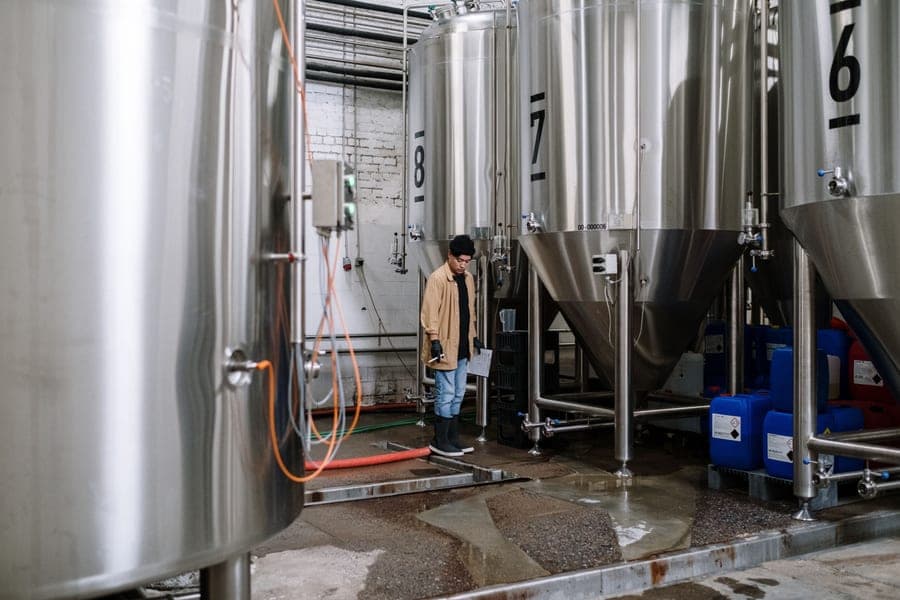
One-vessel fermenters compared on pressure rating, cooling method, cone design and what each one needs to buy alongside it.
Guide
Is Pressure Fermentation Worth It?
The real costs and real benefits of pressure fermenting, and who should skip it.
Roundup
The Best Conical Fermenters
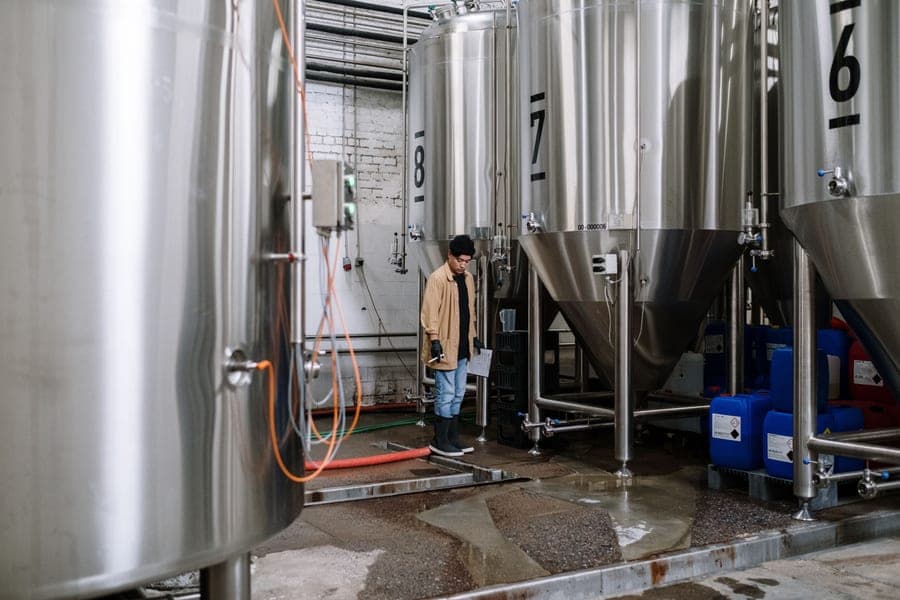
Stainless, plastic and pressure-capable conicals compared, with chamber-fit warnings.
Roundup
The Best Stainless Conical Fermenters
Welded against formed stainless, and which vessels justify the price.