Comparison
Kegerator vs Keezer: Which Should You Build?
A keezer holds more kegs per dollar and insulates better. A kegerator works this weekend and looks deliberate indoors. That is the trade.
The short answer
Build a keezer if you want four or more taps and do not mind a weekend with a saw: a chest freezer holds more kegs per dollar and insulates far better than any upright cabinet. Buy a kegerator if you want it working immediately, warrantied, and looking finished in a living space.

DisclosureWe earn a commission on qualifying purchases made through links on this page, at no extra cost to you. It does not change what we recommend or how we rank it -- here is how we pick and here is the full disclosure.
The real comparison
| Kegerator | Keezer | |
|---|---|---|
| Kegs per dollar | Lower | Higher |
| Insulation | Upright, thinner walls | Chest freezer, thick walls |
| Cold air loss on opening | Falls out of the door | Stays in the box |
| Running cost | Higher | Lower |
| Max practical taps | 1-3 | As many as the collar takes |
| Ready to use | Day one | After a build weekend |
| Warranty | Yes | Void on the conversion |
| Looks finished indoors | Yes | Depends on your woodwork |
| Keg handling | Slide in at floor level | Lift down into the box |
| First-pour temperature | Tower holds warm beer | Collar shanks stay cold |
An orange rule marks the better of the two on that row.
Why the freezer wins on physics
Insulation and the shape of a box
A chest freezer is better insulated than an upright refrigerator because it was built to hold a lower temperature, and it loses far less cold air when opened because cold air sinks. Open an upright cabinet and the cold air pours out of the bottom of the doorway; open a chest freezer and it stays in the box.
That shows up in two places that matter. Running cost is meaningfully lower for the same volume at the same setpoint. And temperature stability is better, which means the carbonation level you set actually holds rather than drifting as the cabinet cycles.
The collar helps too. Shanks drilled through a wooden collar sit at the top of a cold box rather than at the end of a tower full of room-temperature air, so the first pour of an evening is cold instead of foamy -- which is the single most common complaint about tower kegerators.
Why the cabinet wins on practicality
It works, and it looks like it belongs
A kegerator arrives assembled, thermostatted and warrantied. You plug it in, set 38°F, connect a keg and pour beer. There is no saw, no collar, no silicone, and no evening spent discovering that your chest freezer lid hinge does not clear the collar you just built.
It also looks intentional in a room where people live. A well-built keezer can look superb; an average one looks like a chest freezer with a plank on it, and that matters if the appliance is going in a kitchen rather than a garage.
Finally, keg handling. A kegerator loads at floor level and you slide kegs in. A keezer means lifting a full 5 gallon keg -- about 55 pounds -- down into a box and back out again. That is a real consideration and it gets more real over time.
The practical answer
Where you are putting it decides it
In our view this comes down to location more than budget. A garage, basement or utility room is keezer territory: the value is better, the capacity is higher, and nobody minds what it looks like. A kitchen, dining room or den is kegerator territory, because a finished appliance in a living space is worth paying for.
If you are building a keezer, the parts list and collar dimensions are in the keezer build guide. If you are buying a cabinet, start with best kegerators for homebrew and check the internal height against a corny with a disconnect fitted.
Our verdict
Which one should you buy?
Buy a kegerator if
Kegco Full-Size Digital Kegerator
- It is going in a space people live in
- You want it pouring this weekend with a warranty
- One to three taps is enough
- Lifting full kegs into a box does not appeal
Build a keezer if
Chest Freezer Fermentation Chamber (with controller)
- It lives in a garage, basement or utility room
- You want four or more taps
- Running cost and temperature stability matter
- You are happy with a weekend of basic woodwork
What we recommend
The products on this page
The kegerator
Mid tier
Kegco Full-Size Digital Kegerator
Kegco
Four cornies or one half barrel, a digital thermostat, casters and a tap tower. Working the day it arrives, warrantied, and it looks like furniture rather than a project.
Spec sheet
- Keg capacity
- 1 half barrel, or 4 ball-lock corny kegs
- Control
- Digital thermostat
- Temperature range
- Draft serving range
- Taps
- Single, dual and triple configurations sold
- Gas
- CO2 regulator included on most SKUs
- Mobility
- Casters
What it is not good at
Upright cabinets lose cold air every time the door opens, and the tower holds warm beer between pours. Fewer kegs per dollar than a freezer.
Who it is for
Brewers who want a finished appliance in a kitchen or living room
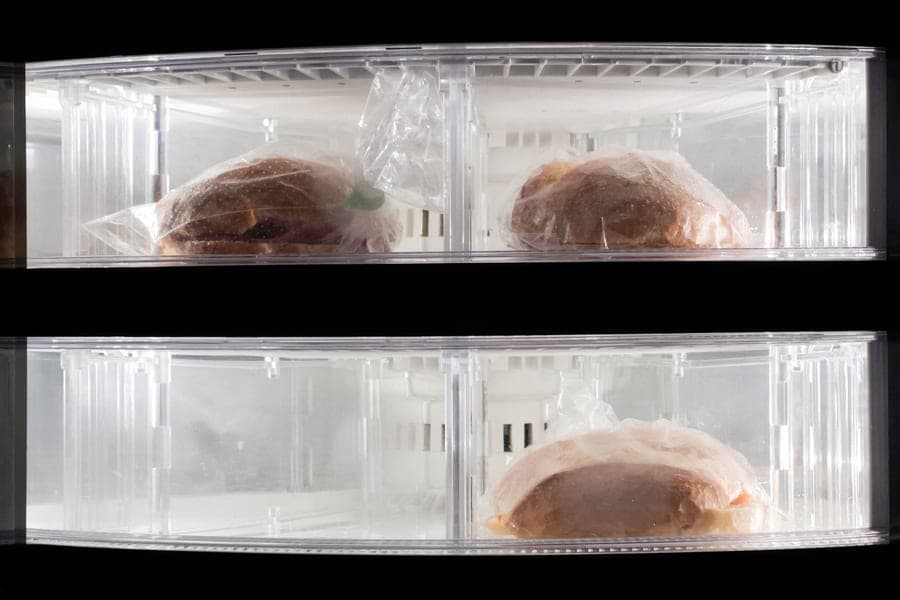
The keezer base
Mid tier
Chest Freezer Fermentation Chamber (with controller)
Chest freezer + Inkbird
A chest freezer plus an external dual-stage controller. Far better insulated than any upright, and a collar lets you drill as many shanks as you want.
Spec sheet
- Approach
- Chest freezer with an external dual-stage controller
- Capacity
- 5-7 cu ft fits one or two 5 gal fermenters
- Range
- Lager temps through a 32 F cold crash
- Heat side
- Pair with a wrap heater for winter ale temps
- Energy
- Cheapest running cost per degree of any method
- Limitation
- Vessel height is the binding constraint
What it is not good at
Requires building a collar: a weekend, a saw and some basic woodwork. No warranty on the conversion, and you lift kegs down into it.
Who it is for
Brewers who want maximum taps and lowest running cost

What makes a keezer work
Entry tier
Inkbird ITC-308 Dual-Stage Temperature Controller
Inkbird
A freezer thermostat cannot be set to 38 F. An external dual-stage controller overrides it entirely, switching the compressor to hold whatever setpoint you choose.
Spec sheet
- Stages
- Dual -- one heating and one cooling outlet
- Outlet rating
- ~1100W per outlet
- Probe
- NTC sensor on a 2 m lead
- Calibration
- User offset
- Compressor delay
- Configurable
- Wifi version
- ITC-308 Wifi sold separately
What it is not good at
The probe needs to read inside the cabinet, away from the compressor wall, or the setpoint will drift.
Who it is for
Converting a freezer to serving temperature
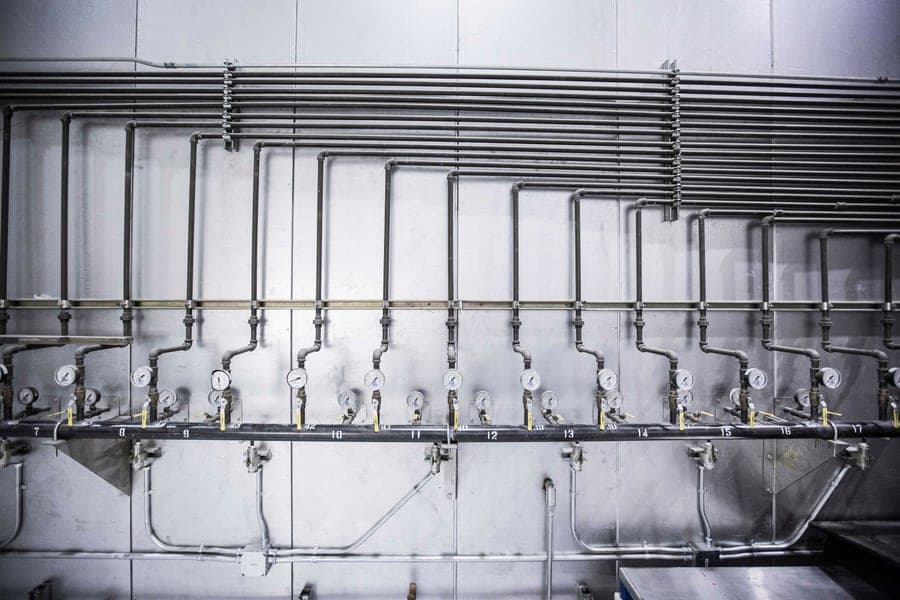
Needed on either, at two taps
Prosumer tier
Secondary CO2 Regulator Manifold
Taprite / Duotight
Independently settable bodies mean each keg gets the pressure its style wants, instead of all of them sharing one.
Spec sheet
- Outputs
- 2, 3 or 4 bodies
- Adjustment
- Each body set independently
- Feed
- Runs off the primary regulator
- Gauges
- One per body on gauged versions
- Shutoff
- Per-body shutoff on most models
- Why
- Serve a stout at 8 psi beside a saison at 14
What it is not good at
Takes interior space in a cabinet already short of it.
Who it is for
Any multi-keg setup
FAQ
Questions brewers actually ask
Is a keezer better than a kegerator?
On value and physics, yes. A chest freezer holds more kegs per dollar, is better insulated, loses almost no cold air when opened because cold air sinks, and costs less to run. It also pours a colder first glass because collar-mounted shanks sit in the cold box rather than at the end of a warm tower. A kegerator wins on being finished, warrantied and acceptable in a living room.
How many kegs fit in a keezer?
It depends on the freezer, but far more than a comparable kegerator. A 7 cubic foot chest freezer typically holds four to six 5 gallon cornies plus a CO2 cylinder, and the collar can take as many shanks as you care to drill. The binding constraint is usually floor area in the box rather than height, since the collar adds the clearance a keg with a disconnect needs.
Do you need a temperature controller for a keezer?
Yes. A chest freezer's own thermostat cannot be set to serving temperature because it was built to hold freezing temperatures, so an external dual-stage controller overrides it entirely: the controller switches the compressor on and off to hold whatever setpoint you choose. Place the probe inside the cabinet away from the compressor wall.
Does building a keezer void the freezer warranty?
Drilling the cabinet or the lid certainly would, which is why the standard approach is a wooden collar that sits between the freezer body and the lid with the shanks drilled through the collar instead. The freezer itself is left unmodified, though running it at 38 degrees via an external controller is still outside its intended use.
Why is the first pour from a kegerator foamy but not from a keezer?
Because of the tower. A kegerator's tap tower sits above the insulated cabinet, so the last few inches of beer line sit in room-temperature air and warm up between pours. A keezer's shanks pass through a collar at the top of the cold box, so the beer at the faucet stays cold and the first pour is the same as the last.
Read next
More on kegging
Roundup
The Best Kegerators for Homebrew
Kegerators compared on corny capacity, internal height and temperature range.
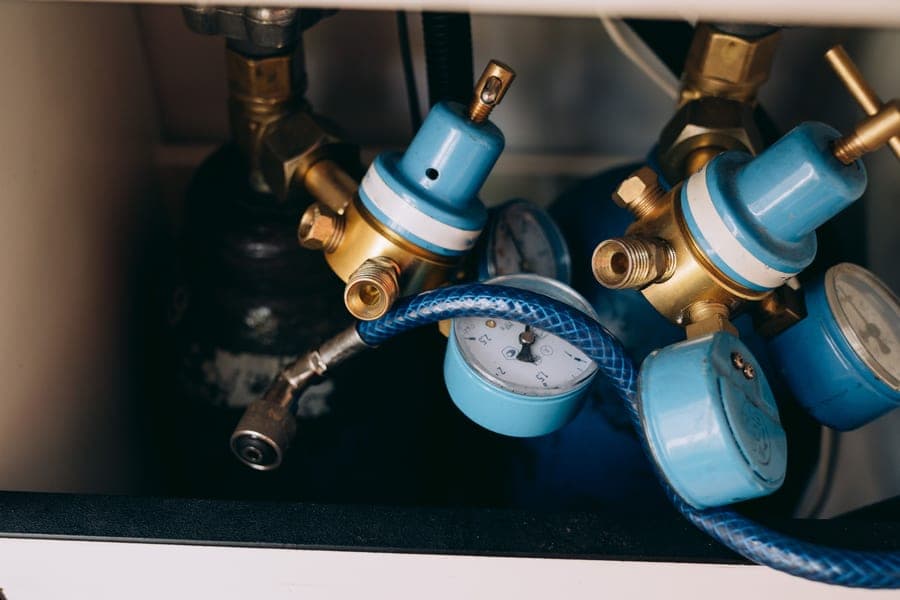
Guide
CO2 Regulator Settings: PSI by Temperature and Style
PSI by temperature and style, with the line-balancing numbers.
Roundup
The Best Fermentation Chambers
Chest freezer, upright fridge or build -- compared on height and running cost.
Roundup
The Best Homebrew Keg Systems
What a kegging kit includes, what it omits, and the complete cost.