Comparison
Stainless vs Plastic Fermenters
Stainless is cheaper per year, but only if the years happen. Here is how to work out which side of that line you are on.
The short answer
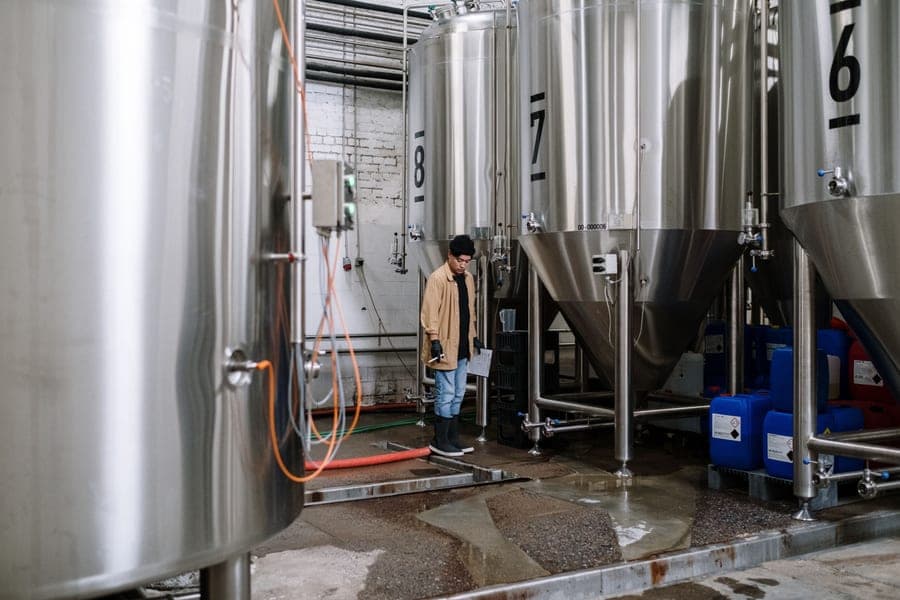
Stainless fermenters last decades and cost less per year of use, but only if you keep brewing. Plastic PET vessels cost a fraction up front, let you see the fermentation, and last several years before scratching makes them a sanitation risk. Choose plastic if you are unsure about the hobby, stainless if you are not.
DisclosureWe earn a commission on qualifying purchases made through links on this page, at no extra cost to you. It does not change what we recommend or how we rank it -- here is how we pick and here is the full disclosure.
This question gets argued as though one material is correct. It is not -- they fail at different things, and which failure matters depends on facts about you rather than facts about the vessel.
Material comparison
| Stainless (304) | PET | HDPE | |
|---|---|---|---|
| Expected life | Decades | Several years | Many years |
| Scratch resistance | High | Low | Moderate |
| Oxygen barrier | Complete | Slightly permeable | Slightly permeable |
| Visibility | None | Clear | None |
| Weight when full | Heavy | Light | Light |
| Caustic tolerant | Yes | No | Limited |
| Pressure capability | On rated models | On rated models with kit | No |
| Up-front cost | High | Low | Low |
| Cost per year, 15 yr horizon | Lowest | Higher | Moderate |
An orange rule marks the better of the two on that row.
The real argument
Scratches, not strength
Plastic fermenters are not flimsy. PET pressure vessels hold 15 psi reliably, and HDPE buckets survive being dropped. The limitation is surface integrity.
A scratch in a vessel wall is a groove that soil sits in and that sanitizer cannot flush at normal contact times. That is how an infected batch becomes a second infected batch. Stainless does not scratch in normal use, tolerates caustic cleaners, and can be scrubbed if necessary, so this failure mode simply does not exist for it.
Which means the practical advice for plastic is about technique:
- Soak with a non-caustic alkaline brewery wash; do not scrub.
- Soft cloth or soft sponge only -- never a scouring pad.
- Rinse immediately after transfer, before the krausen ring dries.
- Retire the vessel when the interior stops looking clear.
The arithmetic
Cost per year, honestly
Stainless is cheaper per year across a long horizon. A good stainless conical bought now and used for twenty years costs very little per year, and the only consumables are gaskets. A PET vessel replaced every four or five years costs less each time but keeps costing.
The condition is the horizon, and this is where people deceive themselves. If you have brewed three batches and are enthusiastic, stainless is not thrift -- it is a bet on a version of yourself that may not exist in five years. Plastic is the correct, unembarrassing purchase for an uncertain future, and the beer is identical.
If on the other hand you have brewed steadily for three years, you already know. Buy the stainless.
Our verdict
Which one should you buy?
Buy stainless if
Ss Brewtech Brew Bucket
- You have brewed consistently for a year or more
- You want to clean aggressively without worrying
- You will bulk age wine or mead in it
- Cost per year matters more than cost today
Buy plastic if
FermZilla All Rounder 30 L
- You are early in the hobby and genuinely unsure
- Seeing the fermentation would help you learn
- You want pressure capability at the lowest price
- Lifting a full vessel alone matters
What we recommend
The products on this page
The stainless case
Mid tier
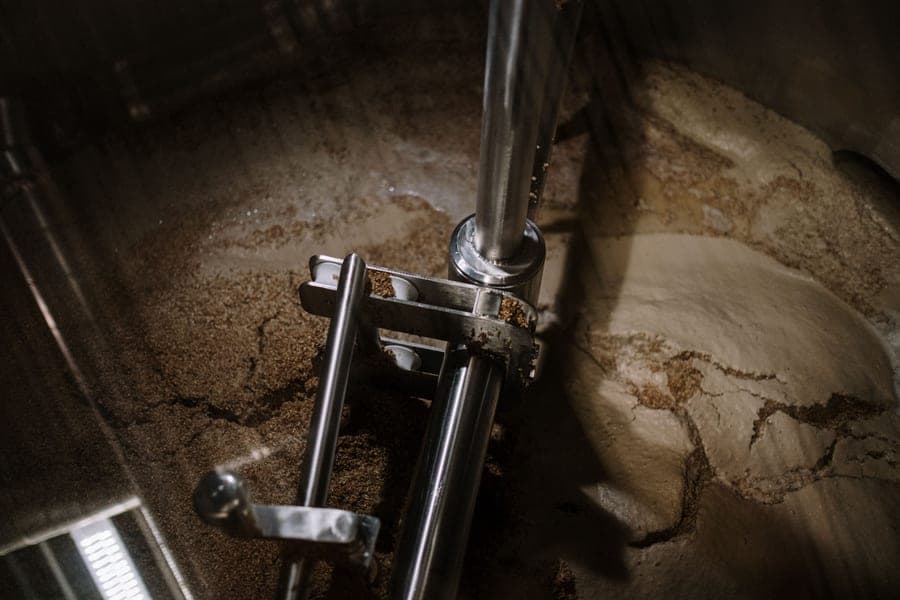
Ss Brewtech Brew Bucket
Ss Brewtech
Polished 304 stainless with a 40-degree cone and a racking arm. Nothing about it degrades, so across fifteen years it is the cheapest fermenter you can own.
Spec sheet
- Capacity
- 7 gal / 26 L (5 gal batch)
- Cone angle
- 40 degrees
- Valve
- Rotating racking arm, stainless ball valve
- Lid
- Silicone-gasketed, non-pressure
- Material
- Polished 304 stainless
- Pressure rated
- No
What it is not good at
A real up-front cost, opaque, and heavy when full. Not pressure rated.
Who it is for
Brewers certain they are staying in the hobby
The plastic case
Mid tier
FermZilla All Rounder 30 L
KegLand
Clear PET, pressure-capable with its kit, light enough to lift full. Buys you closed transfer at a price stainless cannot match.
Spec sheet
- Capacity
- 30 L / 7.9 gal
- Shape
- Cylindrical (no cone)
- Pressure rating
- Rated for pressure fermentation with the pressure kit
- Material
- Clear PET
- Ports
- Ball lock posts, 4 in tri-clover lid option
- Weight
- Light enough to lift full-handed
What it is not good at
Scratches, and a scratched interior holds soil sanitizer cannot reach. Plan on replacement in years rather than decades.
Who it is for
Brewers who want capability now and are not sure about the next decade
The HDPE option
Entry tier
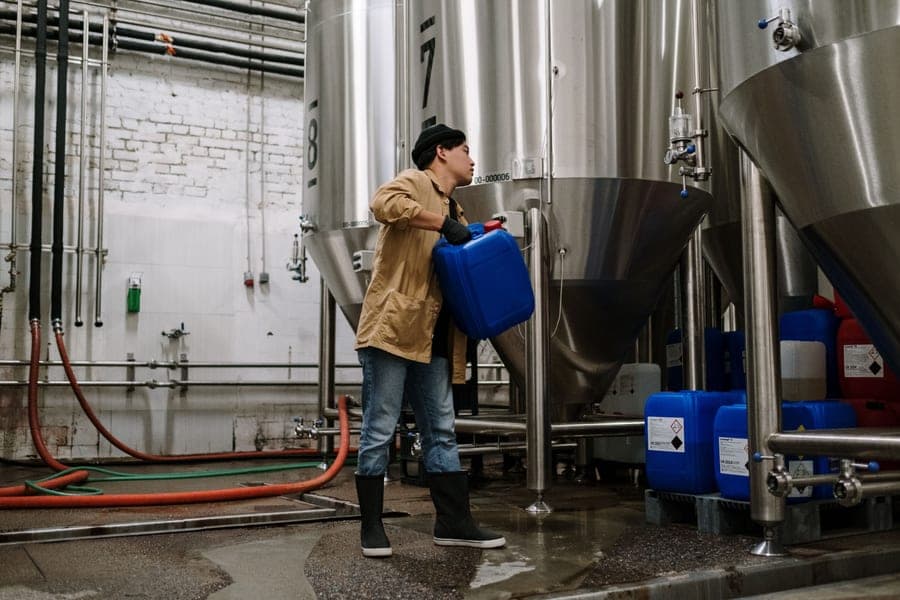
Speidel Plastic Fermenter 30 L
Speidel
Food-grade HDPE in a square footprint with a wide mouth. Tougher and more scratch-tolerant than PET, and it stacks sensibly in a chamber.
Spec sheet
- Capacity
- 30 L / 7.9 gal
- Material
- Food-grade HDPE
- Mouth
- Wide, square footprint
What it is not good at
Opaque, so no visibility, and not pressure rated. Square shape wastes some chamber volume.
Who it is for
Brewers who want robust plastic without PET's fragility
FAQ
Questions brewers actually ask
Is a stainless fermenter worth it over plastic?
It is if you keep brewing long enough. Stainless does not scratch, tolerates caustic cleaners and lasts decades with only gasket replacements, which makes it the cheapest fermenter per year of use over a long horizon. Early in the hobby, plastic is the sensible purchase: the beer is identical and you have not bet on a future that may not happen.
Why do plastic fermenters need replacing?
Because they scratch. A scratch in the vessel wall is a groove that holds soil where sanitizer contact time cannot reach it, which turns an infection into a recurring one. The plastic itself remains perfectly strong; it is surface integrity that fails. Clean by soaking rather than scrubbing and a PET vessel will last several years.
Can you use caustic cleaner in a plastic fermenter?
No. Caustic attacks PET and is not recommended for HDPE either. Use a non-caustic alkaline brewery wash at warm temperature and let it soak for twenty to thirty minutes, which removes soil chemically without mechanical scrubbing. Stainless tolerates caustic, which is part of why it is easier to clean thoroughly.
Does plastic let oxygen into the beer?
Slightly, over long periods. PET has a low but non-zero oxygen transmission rate, which is immaterial across a two-week beer fermentation and becomes genuinely relevant across a multi-month wine or mead aging. For beer it is not a reason to choose stainless; for long bulk aging, use glass or stainless.
Is HDPE better than PET for a fermenter?
It is tougher and more scratch-tolerant, which means a longer practical life, and it is the material most brewing buckets are made from. What you give up is visibility, since HDPE is opaque, and pressure capability, since HDPE vessels are not rated for pressure. For a brewer who wants robust and cheap without needing to see inside, it is a good choice.
Read next
More on fermenters
Roundup
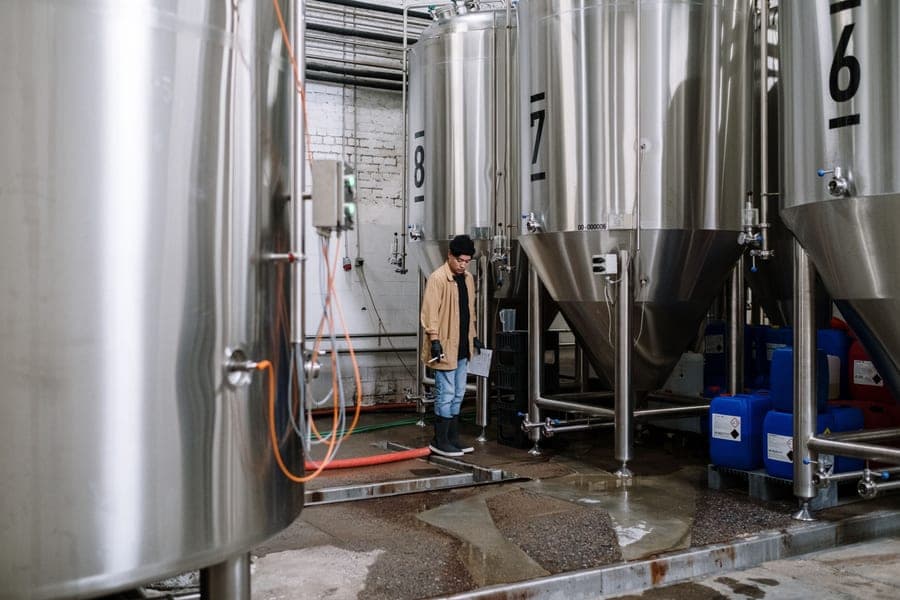
The Best Stainless Conical Fermenters
Welded against formed stainless, and which vessels justify the price.
Comparison
Conical Fermenter vs Carboy
Oxygen exclusion against access and safety, and which beverage needs which.
Roundup
The Best Wine Fermenters
Variable-capacity tanks, carboys and primaries, judged on headspace control.
Roundup
The Best Conical Fermenters
Stainless, plastic and pressure-capable conicals compared, with chamber-fit warnings.