Roundup
The Best Homebrew Keg Systems
Every kit covers the dispense side. Almost none covers the cold side. Here is the complete picture and what it really costs.
The short answer
A complete homebrew kegging starter kit gives you a 5 gallon corny keg, a CO2 cylinder, a dual-gauge regulator, gas and beverage lines and a picnic tap. What it does not include is cooling -- budget separately for a kegerator, a keezer build or a spare refrigerator, or you will have a keg of warm beer.
DisclosureWe earn a commission on qualifying purchases made through links on this page, at no extra cost to you. It does not change what we recommend or how we rank it -- here is how we pick and here is the full disclosure.
At a glance
Quick picks
| # | Product | Best for | Price |
|---|---|---|---|
| 1 | Best overall kit Complete Homebrew Kegging Starter Kit Keg, CO2 cylinder, dual-gauge regulator, gas and beverage lines and a picnic tap. Everything on the dispense side in one purchase, which is where a first-time kegger gets confused. | Brewers switching from bottles who already have a spare fridge | |
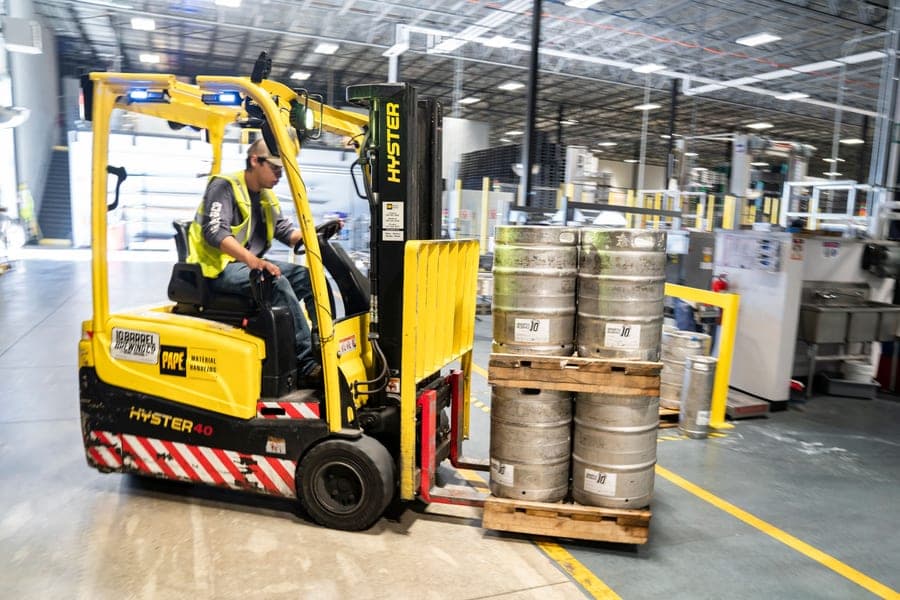
| 2 | 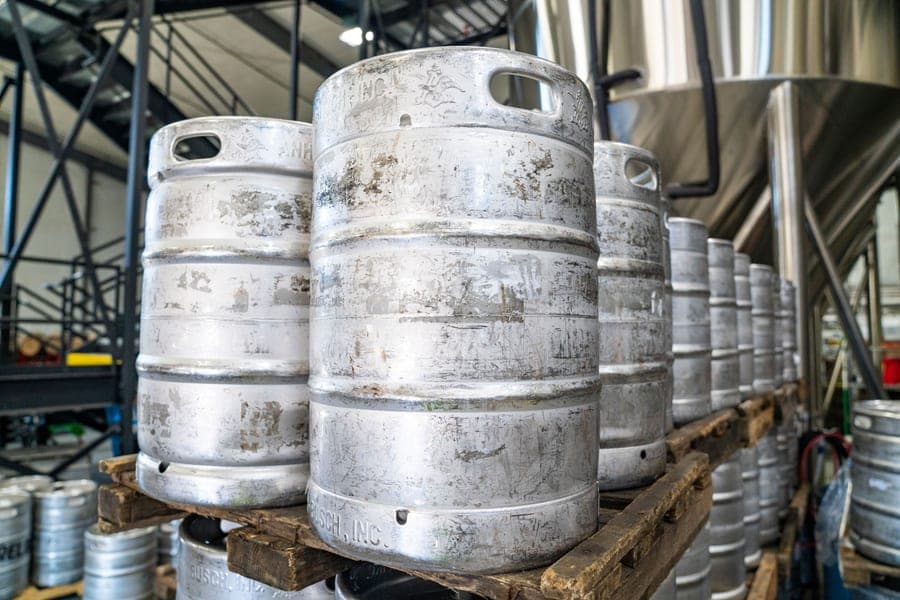 Buy a second one 5 Gallon Ball Lock Corny Keg One keg means you cannot brew again until it is empty. A second keg is the cheapest capacity upgrade in the whole hobby and it is why kits ship with one. | Anyone who kegs more than one batch at a time | |
| 3 |  Best regulator Taprite Dual-Gauge CO2 Regulator Forged brass with dual gauges, a 0-60 psi output range and rebuild kits available for years. The regulator is the part you should not economize on. | Brewers who want to see output pressure and tank level | |
| 4 | 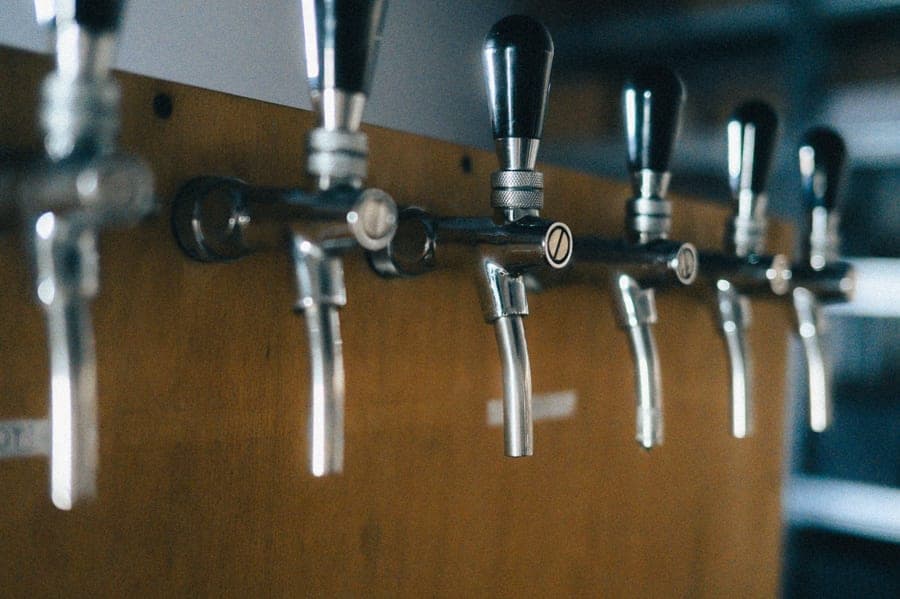 Best upgrade from a picnic tap Intertap Stainless Forward-Sealing Faucet Forward-sealing stainless, so no beer sits in the faucet body between pours. The single most noticeable quality-of-life improvement in a home draft system. | Brewers tired of a plastic tap that drips | |
| 5 |  The part everyone forgets Beer Line Cleaning Kit Biofilm in beer lines will sour everything passing through them within a few months. Twenty minutes with a cleaning kit prevents the most common cause of mysteriously bad draft beer. | Every two weeks of service |
Prices are checked on Amazon when you click. We never print a number we cannot verify.
What a kegging kit includes and omits
| Item | In a typical kit | Notes |
|---|---|---|
| 5 gal corny keg | Yes, one | Buy a second early |
| CO2 cylinder | Yes, usually 5 lb | Usually ships EMPTY |
| Regulator | Yes, single body | Dual gauge is standard |
| Gas and beverage line | Yes | Line length affects foam |
| Disconnects | Yes, ball lock | Check ball vs pin lock |
| Picnic tap | Yes | Functional, not permanent |
| Faucet and shank | No | Needs a cabinet first |
| Cooling | No | The big omission |
| Line cleaning kit | No | Buy it at the same time |
The honest budget
Two purchases, and kits only cover one
This is the thing that catches every first-time kegger. There are two separate purchases in a draft setup, and a “complete kegging kit” is only one of them.
The dispense side is the keg, the CO2 cylinder, the regulator, the lines and a tap. That is what a kit contains, and a kit is genuinely the right way to buy it -- the fittings and thread standards are fiddly enough that assembling it piecemeal invites mismatches.
The cold side is a refrigerator that will hold the keg at serving temperature. It is almost never included, and without it you have a keg of warm beer and a picnic tap in a fridge door. Budget for both from the start: a kegerator, a keezer build, or a spare refrigerator you already own.
The day-one gotchas
Three things that stop a new kit working
- The CO2 cylinder arrives empty. Almost universally. You need to find a local gas supplier, welding shop or fire extinguisher service to fill or exchange it, and that is a trip you did not plan. Sort it before the beer is ready.
- Ball lock or pin lock. Two incompatible connection standards. Ball lock is the homebrew default and what nearly all kits use; pin lock kegs turn up cheaply secondhand and need different disconnects. Do not mix them.
- Reconditioned kegs need new seals. Good value, and they come from commercial service with old lid gaskets, old post O-rings and old dip tube O-rings. Replace the whole seal set before first use -- it is a cheap kit and it prevents a week of hunting a slow leak.
Where to spend
The regulator, and not much else
Most of a kegging kit is commodity hardware -- a keg is a keg, line is line, disconnects are disconnects. The one component where quality genuinely shows is the regulator, because it is the part that has to hold a set pressure accurately for years and the part whose failure mode is a slowly emptying CO2 cylinder.
A forged brass dual-gauge regulator with available rebuild kits is worth the small premium over a budget one. Beyond that, a secondary manifold is the upgrade that matters once you have more than two kegs, because it lets you serve a stout at 8 psi beside a saison at 14.
Setting it all up for the first time: homebrew kegging setup. Deciding whether to switch at all: kegging vs bottling.
The picks, in order
Every pick in detail
#1
Best overall kit
Mid tier
Complete Homebrew Kegging Starter Kit
Kegco / KOMOS / MoreBeer
Keg, CO2 cylinder, dual-gauge regulator, gas and beverage lines and a picnic tap. Everything on the dispense side in one purchase, which is where a first-time kegger gets confused.
Spec sheet
- Keg
- One 5 gal ball-lock corny (new or reconditioned)
- Gas
- 5 lb CO2 cylinder (usually empty on arrival)
- Regulator
- Single-body dual-gauge
- Lines
- Gas line, beverage line, disconnects
- Dispense
- Picnic (party) tap on most kits
- Not included
- Cooling -- that is the kegerator decision
What it is not good at
No cooling. The CO2 cylinder usually arrives empty and needs filling or exchanging locally, which catches people on day one.
Who it is for
Brewers switching from bottles who already have a spare fridge
#2
Buy a second one
Entry tier
5 Gallon Ball Lock Corny Keg
AMCYL / NSI
One keg means you cannot brew again until it is empty. A second keg is the cheapest capacity upgrade in the whole hobby and it is why kits ship with one.
Spec sheet
- Capacity
- 5 gal / 19 L
- Height
- ~25 in (26 in with posts)
- Diameter
- ~8.5 in
- Connection
- Ball lock gas and liquid posts
- Pressure rating
- 130 psi typical, 55 psi working
- Lid
- Oval pry-out lid with a PRV
What it is not good at
Reconditioned kegs are good value but need their posts, dip tubes and lid gasket replaced before first use.
Who it is for
Anyone who kegs more than one batch at a time
#3
Best regulator
Mid tier
Taprite Dual-Gauge CO2 Regulator
Taprite
Forged brass with dual gauges, a 0-60 psi output range and rebuild kits available for years. The regulator is the part you should not economize on.
Spec sheet
- Gauges
- Dual -- output pressure and tank contents
- Output range
- 0-60 psi
- Inlet
- CGA-320 CO2 tank thread
- Outlet
- 1/4 in MFL or barb
- Body
- Forged brass
- Serviceable
- Rebuild kits widely available
What it is not good at
A single body means every keg runs at the same pressure. Add a secondary manifold if you want per-keg control.
Who it is for
Brewers who want to see output pressure and tank level
#4
Best upgrade from a picnic tap
Mid tier
Intertap Stainless Forward-Sealing Faucet
Intertap
Forward-sealing stainless, so no beer sits in the faucet body between pours. The single most noticeable quality-of-life improvement in a home draft system.
Spec sheet
- Seal type
- Forward sealing
- Material
- 304 stainless
- Spout
- Interchangeable (stout, growler)
What it is not good at
Requires a shank and a tower or through-door mount, which means the cabinet decision has to be made first.
Who it is for
Brewers tired of a plastic tap that drips
#5
The part everyone forgets
Entry tier
Beer Line Cleaning Kit
Mark's Keg Wash / Kegco
Biofilm in beer lines will sour everything passing through them within a few months. Twenty minutes with a cleaning kit prevents the most common cause of mysteriously bad draft beer.
Spec sheet
- Method
- Hand pump or CO2-pressurized bottle
- Cleaner
- Alkaline line cleaner concentrate
- Fittings
- Ball lock disconnect and faucet thread adapters
- Brushes
- Faucet and shank brushes included
- Cycle time
- 15-20 minutes for a two-tap system
- Frequency
- Every two weeks of active service
What it is not good at
The alkaline cleaner needs thorough rinsing before the next keg goes on.
Who it is for
Every two weeks of service
FAQ
Questions brewers actually ask
What do you need to start kegging homebrew?
A corny keg, a CO2 cylinder, a regulator, gas and beverage lines, disconnects, a tap, and cooling. A kegging starter kit covers everything except the cooling, which is the significant omission: without a refrigerator that holds the keg at serving temperature you have warm beer. Budget for the cold side as a separate decision from the start.
Does a kegging kit come with CO2?
It usually comes with a cylinder, but the cylinder is almost always empty. You will need a local gas supplier, welding shop or fire extinguisher service to fill or exchange it, which is a trip worth making before your beer is ready rather than after. This catches nearly every first-time kegger.
What is the difference between ball lock and pin lock kegs?
They are two incompatible connection standards. Ball lock is the homebrew default and what nearly every kit uses; pin lock kegs come from a different commercial lineage and need different disconnects. Pin lock kegs often turn up cheaply secondhand, which is fine as long as you buy matching disconnects and do not try to mix the two systems.
Should I buy reconditioned corny kegs?
Yes, they are good value, but replace the seals before first use. Reconditioned kegs come out of commercial service with old lid gaskets, post O-rings and dip tube O-rings, and a complete seal kit is inexpensive. Fitting one up front prevents a week of hunting a slow leak that is quietly emptying your CO2 cylinder.
How many kegs do I need?
Start with two and aim for three. With one keg you cannot brew again until it is empty, so your brewing schedule is dictated by your drinking schedule. Two lets you serve one while the next carbonates. Three means you always have one serving, one carbonating and one free for the next brew day.
Sources
Read next
More on kegging
Guide
Homebrew Kegging Setup, Step by Step
The setup order, plus the three day-one failures and how to avoid them.
Roundup
The Best Kegerators for Homebrew
Kegerators compared on corny capacity, internal height and temperature range.
Roundup
The Best CO2 Regulators for Homebrew
Primary regulators and secondary manifolds, and what to check before buying.