Roundup
The Best Kegerators for Homebrew
Rated for a half barrel means nothing if four cornies with disconnects will not fit. Here are the specs that actually matter.
The short answer
The KOMOS Kegerator is the best kegerator for homebrewers because its 26-82 degree Fahrenheit range means the same cabinet serves beer or doubles as a fermentation chamber. The Kegco full-size digital kegerator is the better value if you only need serving temperatures and want a tidy finished appliance.
DisclosureWe earn a commission on qualifying purchases made through links on this page, at no extra cost to you. It does not change what we recommend or how we rank it -- here is how we pick and here is the full disclosure.
At a glance
Quick picks
| # | Product | Best for | Price |
|---|---|---|---|
| 1 | 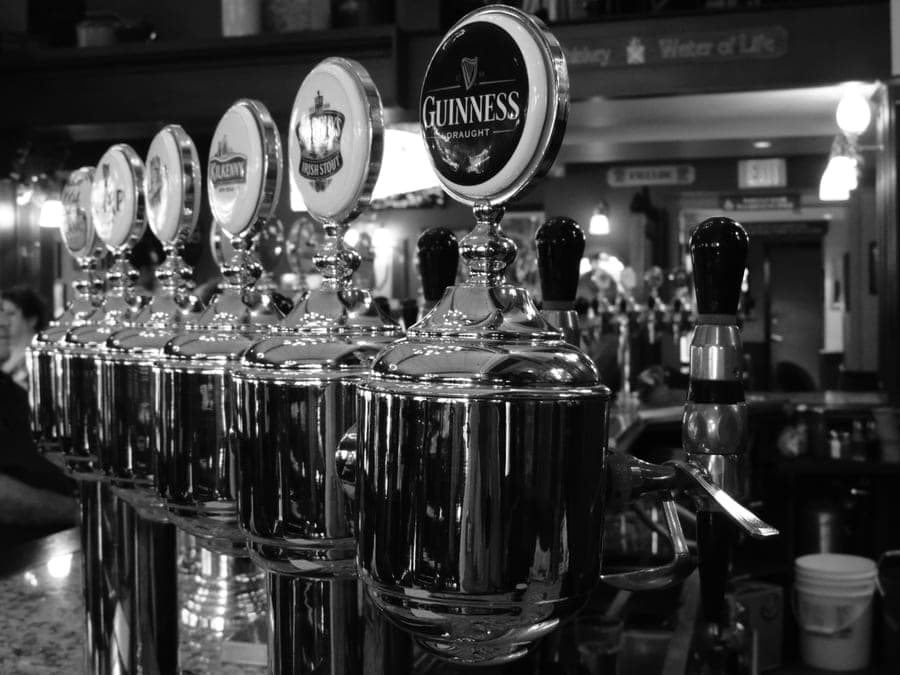 Best overall KOMOS Kegerator The 26-82 F extended range is the standout spec: hold beer at 38 F to serve, or hold a fermenter at 68 F in the weeks you are between kegs. Stainless Intertap faucets on most SKUs. | Brewers who want one appliance to serve beer and ferment batches | |
| 2 | Best value Kegco Full-Size Digital Kegerator Four ball-lock cornies or one half barrel, a digital thermostat, a regulator on most SKUs and casters. Does the serving job properly at a lower price. | Brewers who want a finished serving kegerator and nothing more | |
| 3 | 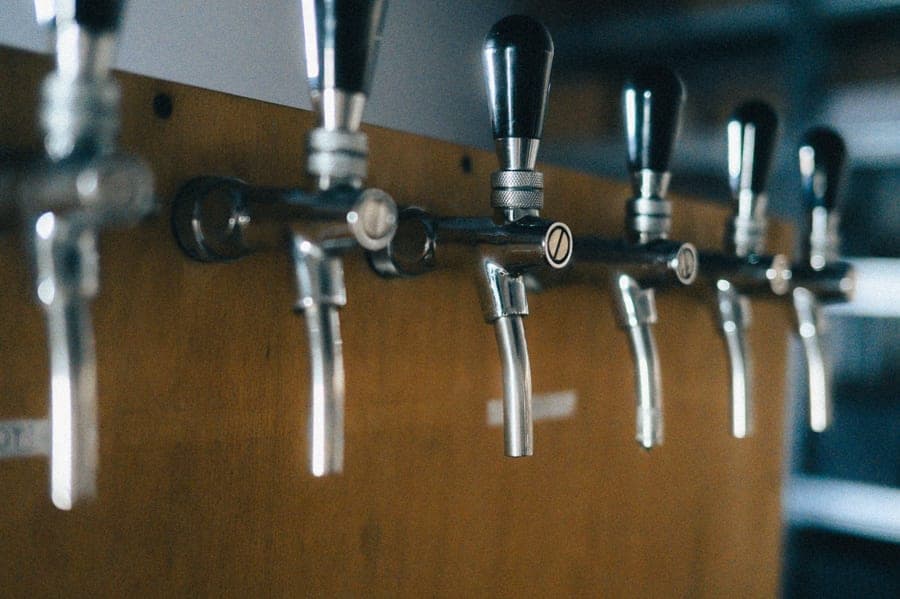 Best first upgrade Intertap Stainless Forward-Sealing Faucet Forward-sealing stainless means no beer sits in the faucet body between pours, which is where the sticky residue and the off-flavors come from on a stock tap. | Any kegerator with a stock rear-sealing faucet | |
| 4 |  Buy it with the kegerator Beer Line Cleaning Kit Beer lines grow biofilm and will sour everything passing through them within a few months. This is the most-skipped maintenance in home draft and the cause of the most wasted beer. | Everyone, every two weeks of service | |
| 5 |  The cheaper alternative Chest Freezer Fermentation Chamber (with controller) A chest freezer plus an external controller holds more kegs per dollar and insulates better than any upright cabinet. Add a collar and you have a keezer. | Brewers who would rather build than buy |
Prices are checked on Amazon when you click. We never print a number we cannot verify.
What to check before ordering
| Spec | Why it matters | What to look for |
|---|---|---|
| Internal height | A corny with posts and disconnects is ~27 in, not 25 | 27+ in clear |
| Corny capacity | Half-barrel rating does not guarantee 4 cornies fit | Stated corny count |
| Temperature range | Wide range lets it double as a fermentation chamber | 26-82 F if dual use |
| Faucet type | Rear-sealing faucets hold beer between pours | Forward sealing |
| Regulator included | Often is, sometimes is not | Dual gauge |
| Tower vs through-door | Tower lines warm between pours | Insulated tower or through-door |
The two specs that matter
Internal height and temperature range
Kegerator marketing leads with keg capacity, which is the spec least likely to cause a problem. The two that actually decide whether you are happy are internal height and temperature range.
Internal height. A 5 gallon corny keg is about 25 inches tall on its own. Fit the posts and push ball-lock disconnects onto them and the assembly is closer to 27 inches. A cabinet that technically holds a half barrel may not clear a corny with a disconnect attached, and discovering that after delivery is a bad day. Check the stated internal height, not the keg count.
Temperature range. Most kegerators run roughly 32 to 45°F, which is everything you need to serve. A few -- the KOMOS units are the common example -- run from the high 20s to the low 80s. That matters because it means one cabinet can hold a fermenter at 68°F during the weeks you are not serving from it, which is two appliances for the price of one.
The maintenance nobody mentions
Line cleaning is not optional
Beer lines develop biofilm. After a few months of service an uncleaned line will sour everything passing through it, and the brewer invariably blames the beer, the yeast or the recipe. It is the line.
Clean every two weeks of active service with a proper alkaline line cleaner, and always between kegs of very different beers. A cleaning kit costs less than one wasted batch and the cycle takes twenty minutes for a two-tap system. See best beer line cleaning kits.
Tower or through-door
A real difference in the first pour
A tap tower sits above the cabinet, which means the last few inches of beer line sit in room-temperature air between pours. The first pour of an evening comes out warm and foamy as a result, and you dump it.
Fixes: a through-door faucet with the shank passing straight through the insulated wall, an insulated tower, or a small fan pushing cold air up into the tower. If you are choosing between models and both suit you otherwise, the through-door arrangement pours better.
How we picked
The basis for these five
Selected from published manufacturer specifications, current US retail availability and documented homebrewer consensus. We have not run these cabinets side by side for a season and do not claim to. Where a judgment reflects reported owner experience -- tower pours, line cleaning intervals -- it is identified as such. See how we pick.
The picks, in order
Every pick in detail
#1
Best overall
Prosumer tier
KOMOS Kegerator
KOMOS
The 26-82 F extended range is the standout spec: hold beer at 38 F to serve, or hold a fermenter at 68 F in the weeks you are between kegs. Stainless Intertap faucets on most SKUs.
Spec sheet
- Keg capacity
- 1 half barrel or 4 ball-lock corny kegs
- Temperature range
- 26-82 F -- unusually wide
- Secondary use
- Doubles as a fermentation chamber
- Control
- Extended-range digital controller
- Taps
- Stainless Intertap faucets on most SKUs
- Mobility
- Casters, regulator included
What it is not good at
Priced above a basic serving kegerator, and running it as a fermentation chamber means you are not serving from it that week.
Who it is for
Brewers who want one appliance to serve beer and ferment batches
#2
Best value
Mid tier
Kegco Full-Size Digital Kegerator
Kegco
Four ball-lock cornies or one half barrel, a digital thermostat, a regulator on most SKUs and casters. Does the serving job properly at a lower price.
Spec sheet
- Keg capacity
- 1 half barrel, or 4 ball-lock corny kegs
- Control
- Digital thermostat
- Temperature range
- Draft serving range
- Taps
- Single, dual and triple configurations sold
- Gas
- CO2 regulator included on most SKUs
- Mobility
- Casters
What it is not good at
Serving range only, so it will not double as a fermentation chamber. Check the internal height against a keg with posts fitted.
Who it is for
Brewers who want a finished serving kegerator and nothing more
#3
Best first upgrade
Mid tier
Intertap Stainless Forward-Sealing Faucet
Intertap
Forward-sealing stainless means no beer sits in the faucet body between pours, which is where the sticky residue and the off-flavors come from on a stock tap.
Spec sheet
- Seal type
- Forward sealing
- Material
- 304 stainless
- Spout
- Interchangeable (stout, growler)
What it is not good at
Needs a shank thread match. Interchangeable spouts are an extra purchase.
Who it is for
Any kegerator with a stock rear-sealing faucet
#4
Buy it with the kegerator
Entry tier
Beer Line Cleaning Kit
Mark's Keg Wash / Kegco
Beer lines grow biofilm and will sour everything passing through them within a few months. This is the most-skipped maintenance in home draft and the cause of the most wasted beer.
Spec sheet
- Method
- Hand pump or CO2-pressurized bottle
- Cleaner
- Alkaline line cleaner concentrate
- Fittings
- Ball lock disconnect and faucet thread adapters
- Brushes
- Faucet and shank brushes included
- Cycle time
- 15-20 minutes for a two-tap system
- Frequency
- Every two weeks of active service
What it is not good at
Takes twenty minutes per cycle. The caustic cleaner needs careful rinsing.
Who it is for
Everyone, every two weeks of service
#5
The cheaper alternative
Mid tier
Chest Freezer Fermentation Chamber (with controller)
Chest freezer + Inkbird
A chest freezer plus an external controller holds more kegs per dollar and insulates better than any upright cabinet. Add a collar and you have a keezer.
Spec sheet
- Approach
- Chest freezer with an external dual-stage controller
- Capacity
- 5-7 cu ft fits one or two 5 gal fermenters
- Range
- Lager temps through a 32 F cold crash
- Heat side
- Pair with a wrap heater for winter ale temps
- Energy
- Cheapest running cost per degree of any method
- Limitation
- Vessel height is the binding constraint
What it is not good at
Requires a weekend and a saw to become a keezer. No finished tap tower, no warranty on the conversion.
Who it is for
Brewers who would rather build than buy
FAQ
Questions brewers actually ask
How many corny kegs fit in a kegerator?
Most full-size kegerators rated for one half barrel hold four 5 gallon ball-lock cornies, provided the internal height clears a keg with its posts and disconnects fitted. That assembly is roughly 27 inches tall rather than the keg's stated 25, so check the cabinet's internal height specification rather than trusting the keg count.
Can a kegerator be used as a fermentation chamber?
Only if its temperature range reaches ale fermentation temperatures. Most kegerators run roughly 32 to 45 degrees Fahrenheit, which is serving range only. A few models -- KOMOS units are the common example -- run from the high 20s to the low 80s, and those genuinely double as fermentation chambers in the weeks you are not serving from them.
Why is my first pour from a kegerator always foamy?
Because of the tap tower. The last few inches of beer line sit in room-temperature air above the insulated cabinet, so the beer in them warms between pours and foams when it comes out. Fixes are a through-door faucet whose shank passes straight through the insulated wall, an insulated tower, or a small fan pushing cold air up into the tower.
What temperature should a kegerator be set to?
Around 38 degrees Fahrenheit for most beers. Temperature and pressure work together: CO2 solubility rises as temperature falls, so the pressure that carbonates correctly at 38 degrees will over-carbonate the same beer at 45. Set the temperature first, then pick the pressure that delivers the style's target carbonation at that temperature.
Is a kegerator worth it for homebrewing?
If bottling has stopped being fun, yes. Kegging replaces two hours of sanitizing, filling and capping per batch plus two weeks of bottle conditioning with about twenty minutes and a gas line. Almost nobody who switches switches back, which is unusual among homebrewing upgrades. Budget for both the dispense hardware and the cold side, because kits usually only cover the first.
Sources
Read next
More on kegging
Comparison
Kegerator vs Keezer: Which Should You Build?
Kegs per dollar, insulation and build effort, compared properly.
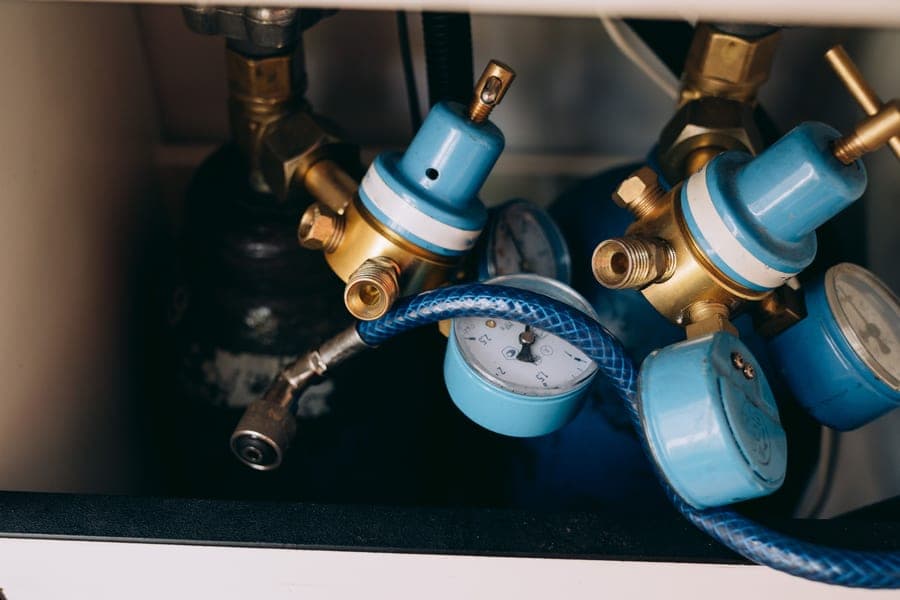
Guide
CO2 Regulator Settings: PSI by Temperature and Style
PSI by temperature and style, with the line-balancing numbers.
Roundup
The Best Beer Line Cleaning Kits
What to buy, how often to clean, and what grows if you do not.
Roundup
The Best Homebrew Keg Systems
What a kegging kit includes, what it omits, and the complete cost.