Roundup
The Best Mead Making Kits
Honey is the dominant cost, so learn on one gallon. The nutrient schedule matters more than the kit.
The short answer
The Craft A Brew mead making kit is the best starting point: a one gallon glass carboy with yeast, nutrient, airlock and siphon, with honey bought locally. One gallon is the right first batch because honey dominates the cost -- a five gallon batch needs 12 to 15 pounds of it.
DisclosureWe earn a commission on qualifying purchases made through links on this page, at no extra cost to you. It does not change what we recommend or how we rank it -- here is how we pick and here is the full disclosure.
At a glance
Quick picks
| # | Product | Best for | Price |
|---|---|---|---|
| 1 | Best first mead kit Craft A Brew Mead Making Kit One gallon in a glass carboy with yeast, nutrient, airlock, siphon and sanitizer. Reusable afterwards, so the carboy becomes your small-batch vessel permanently. | Learning the nutrient schedule before committing to honey money | |
| 2 |  Best second batch Northern Brewer Mead Recipe Kit A 5 gallon recipe kit with traditional, melomel and spiced options and a nutrient schedule included. The step up once you know the process works. | Brewers who got a one gallon batch right and want volume | |
| 3 |  The right aging vessel Glass Demijohn 5-6 Gallon Glass is completely oxygen-impermeable and a narrow neck minimizes the surface where oxygen reaches the mead. For a nine-month batch this is the correct vessel. | Bulk aging mead for months | |
| 4 | 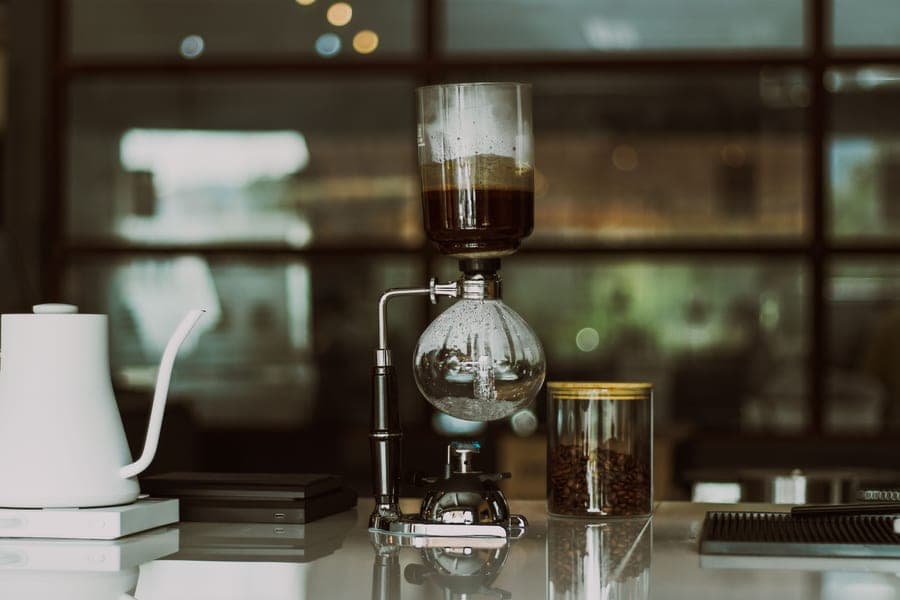 If you own nothing yet Complete Wine Making Equipment Kit Primary bucket, carboy, airlock, siphon and hydrometer. A beer brewer already owns all of this, which is why mead is the cheapest second hobby in fermentation. | Non-brewers starting from scratch | |
| 5 |  Needed throughout Five Star Star San Sanitizer A mead sits for months rather than weeks, which means more transfers and more opportunities for contamination than a beer. | Every vessel and every transfer across a long ferment |
Prices are checked on Amazon when you click. We never print a number we cannot verify.
One gallon against five
| 1 gallon | 5 gallons | |
|---|---|---|
| Honey needed | 2-3 lb | 12-15 lb |
| Yield | ~10 bottles | ~25 bottles |
| Cost of a mistake | Low | Substantial |
| Work required | Nearly identical | Nearly identical |
| Vessel needed | 1 gal carboy | 5-6 gal carboy |
| Time to drinkable | 4-8 weeks | 6-8 weeks |
| Right for a first batch | Yes | No |
An orange rule marks the better of the two on that row.
Start small, and here is why
Honey is the whole cost
Mead is honey, water, yeast and nutrient. Three of those are inexpensive and one is not: a five gallon batch at standard strength needs 12 to 15 pounds of honey, which is the dominant line item by a wide margin.
That changes the calculus compared with beer. With beer, a one gallon batch is usually a mistake -- nearly the same work for a tenth of the output. With mead, a one gallon batch is the sensible first move, because the thing you are learning (nutrient scheduling) is exactly the thing that goes wrong, and learning it on three pounds of honey rather than fifteen is simply cheaper.
The kit is also reusable. The one gallon carboy becomes your permanent small-batch vessel for experiments, and the only consumables are yeast and nutrient.
The thing that actually matters
Nutrient, not the kit
Honey is nearly devoid of the nitrogen yeast needs to build healthy cells. Pitched into straight honey must with no nutrient, yeast gets stressed, and stressed yeast throws fusel alcohols -- the hot, solvent-like harshness that gives mead its reputation for needing a year to become drinkable.
Fed properly, on a staggered nutrient schedule rather than one dose at the start, the same mead is pleasant at two months and good at six. That single practice is the difference between the two experiences, and it is why we weight the nutrient schedule above the kit brand.
The step-by-step is your first mead, step by step. The short shopping list is what you need to make mead.
Honey
Buy local, and vary it
Honey variety is the single biggest flavor lever in traditional mead, and it is one of the few places where the raw ingredient genuinely changes the finished drink. Orange blossom, clover, buckwheat and wildflower produce recognizably different meads from an identical process.
- Buy local where you can. A local apiary is usually cheaper per pound than supermarket honey and the variety is identifiable, which matters when you want to repeat a good batch.
- Raw or pasteurized both work. You are not heating the must -- boiling honey drives off exactly the aromatics you want -- so the distinction matters less than people expect.
- Buy by weight, not volume. Recipes specify pounds. Honey is far denser than water and a volume substitution will be wrong.
Aging
The vessel question nobody addresses
A beer leaves its fermenter in two or three weeks. A mead sits for months, and over months oxygen permeability stops being theoretical. This is why the vessel advice for mead differs from beer advice and why carboys and demijohns persist in winemaking long after beer brewers moved to buckets.
For bulk aging, use glass or stainless, not PET. And keep the vessel full -- a part-full carboy has a large liquid surface in contact with headspace. See demijohn vs carboy and best mead fermenters, which covers the vessels specifically rather than the kits.
How we picked
The basis for these
Selected from published product specifications, current US retail availability, and documented homebrewer and mead-maker consensus -- particularly on nutrient scheduling, which is where the strongest published agreement exists. We have not fermented these kits side by side and do not claim to. See how we pick.
The picks, in order
Every pick in detail
#1
Best first mead kit
Entry tier
Craft A Brew Mead Making Kit
Craft A Brew
One gallon in a glass carboy with yeast, nutrient, airlock, siphon and sanitizer. Reusable afterwards, so the carboy becomes your small-batch vessel permanently.
Spec sheet
- Batch size
- 1 gal / 3.8 L
- Vessel
- Glass carboy
- Includes
- Yeast, nutrient, airlock, siphon, sanitizer
- Honey
- Not included -- you source 2-3 lb
- Time to drinkable
- 4-8 weeks, better at 6 months
- Reusable
- Yes -- refill with your own honey
What it is not good at
Honey is not included -- you source 2 to 3 lb yourself, which is most of the batch cost. One gallon is about ten bottles, so the effort per bottle is high.
Who it is for
Learning the nutrient schedule before committing to honey money
#2
Best second batch
Mid tier
Northern Brewer Mead Recipe Kit
Northern Brewer
A 5 gallon recipe kit with traditional, melomel and spiced options and a nutrient schedule included. The step up once you know the process works.
Spec sheet
- Batch size
- 5 gal / 19 L
- Styles
- Traditional, melomel and spiced options
- Includes
- Honey or honey allowance, yeast, nutrient schedule
- Equipment
- Not included -- needs a fermenter and carboy
- Time
- 6-8 weeks to bottle, 6-12 months to peak
- Best for
- A second mead once the 1 gal batch worked
What it is not good at
Needs a fermenter and carboy you already own. Five gallons of mead is a real honey outlay and a 6 to 12 month wait to peak.
Who it is for
Brewers who got a one gallon batch right and want volume
#3
The right aging vessel
Entry tier
Glass Demijohn 5-6 Gallon
Various
Glass is completely oxygen-impermeable and a narrow neck minimizes the surface where oxygen reaches the mead. For a nine-month batch this is the correct vessel.
Spec sheet
- Capacity
- 5-6 gal (smaller sizes common in Europe)
- Material
- Glass -- fully oxygen-impermeable
- Neck
- Narrow, takes a #6.5 or #7 bung
- Cleaning
- Needs a carboy brush; no wide access
- Weight
- Heavy full; use a milk-crate carrier
- Best for
- Long bulk aging where oxygen is the enemy
What it is not good at
Heavy and awkward, and a full one that slips is a genuine injury risk. Cleaning needs a carboy brush.
Who it is for
Bulk aging mead for months
#4
If you own nothing yet
Entry tier
Complete Wine Making Equipment Kit
Midwest / Northern Brewer
Primary bucket, carboy, airlock, siphon and hydrometer. A beer brewer already owns all of this, which is why mead is the cheapest second hobby in fermentation.
Spec sheet
- Batch size
- 6 gal
- Primary
- Food-grade bucket with a lid and airlock grommet
- Secondary
- 6 gal glass or PET carboy
- Transfer
- Auto-siphon and tubing
- Measurement
- Hydrometer and test jar
- Not included
- The wine kit itself, and usually a corker
What it is not good at
Redundant if you already brew beer -- check what you have before buying a kit of duplicates.
Who it is for
Non-brewers starting from scratch
#5
Needed throughout
Entry tier
Five Star Star San Sanitizer
Five Star Chemicals
A mead sits for months rather than weeks, which means more transfers and more opportunities for contamination than a beer.
Spec sheet
- Type
- Acid-anionic, no-rinse
- Contact time
- 1-2 minutes
- Dilution
- 1 oz per 5 gal
What it is not good at
Clean first; sanitizer does not work through soil.
Who it is for
Every vessel and every transfer across a long ferment
FAQ
Questions brewers actually ask
What is the best mead making kit for a beginner?
A one gallon kit such as the Craft A Brew mead kit, with honey bought locally. One gallon is the right first batch because honey dominates the cost of mead -- a five gallon batch needs 12 to 15 pounds of it -- and the thing you are learning is the nutrient schedule, which is cheaper to get wrong on three pounds than fifteen.
How much honey do I need for mead?
Two to three pounds per gallon for a standard-strength traditional mead. Three pounds per gallon lands around 1.100 starting gravity, which with a robust wine yeast ferments to roughly 13 percent alcohol. That means a five gallon batch needs 12 to 15 pounds, which is why starting at one gallon is sensible advice rather than timidity.
Why does mead need yeast nutrient?
Because honey is nearly devoid of the nitrogen yeast needs to build healthy cells. Without nutrient the yeast gets stressed and produces fusel alcohols, which is the hot solvent-like harshness responsible for mead's reputation for needing a year to become drinkable. A staggered nutrient schedule rather than a single dose produces a mead that is pleasant at two months.
Can I use my beer brewing equipment for mead?
Most of it. Hydrometers, auto-siphons, airlocks, bungs, tubing, sanitizer and a temperature-controlled chamber all transfer unchanged, which makes mead the cheapest second hobby available to a beer brewer. The exception is long aging: use glass or stainless rather than PET for anything sitting more than a couple of months.
Should I boil the honey when making mead?
No. Heating honey drives off the delicate aromatics that distinguish one variety from another, which is most of what you are paying for. Modern practice is to mix honey into cool or warm water, pitch yeast and nutrient, and rely on sanitation rather than pasteurization. Honey is naturally hostile to microbes to begin with.
Read next
More on wine & mead
Guide
Your First Mead, Step by Step
A one gallon recipe with the staggered nutrient schedule that changes everything.
Roundup
The Best Mead Fermenters
Vessels for mead's long timescale, where beer vessel advice stops applying.
Comparison
Mead vs Wine: Which to Make First
Cost, difficulty and time compared, and which suits a beer brewer first.
Comparison
Demijohn vs Carboy
The terminology settled, then the glass-versus-PET decision that matters.