Roundup
The Best Homebrew Starter Kits
Most starter kits are missing the same two things. Here is which kit to buy, and the cheap additions that decide whether your first batch is any good.
The short answer
The Northern Brewer Brew. Share. Enjoy. kit is the best homebrew starter kit for most beginners: a full 5 gallon setup with a recipe included, at a batch size worth the effort. Add a dual-stage temperature controller and an auto-siphon, because almost no kit includes either and both matter more than anything the kit contains.
DisclosureWe earn a commission on qualifying purchases made through links on this page, at no extra cost to you. It does not change what we recommend or how we rank it -- here is how we pick and here is the full disclosure.
At a glance
Quick picks
| # | Product | Best for | Price |
|---|---|---|---|
| 1 | Best overall starter kit Northern Brewer Brew. Share. Enjoy. Starter Kit A complete 5 gallon extract setup with a fermenter, airlock, bottling hardware and a recipe kit. Five gallons is roughly 50 bottles, which is the right first batch size -- big enough to matter, small enough to drink. | A first batch at a size that is worth the afternoon | |
| 2 |  Best small first batch Craft A Brew 1-Gallon Beer Making Kit One gallon in a glass carboy. Fits on a kitchen counter, boils in a normal pot, and makes about ten bottles. The cheapest honest introduction to the process. | Apartment brewers and anyone who wants to try it on a stovetop with no storage | |
| 3 | 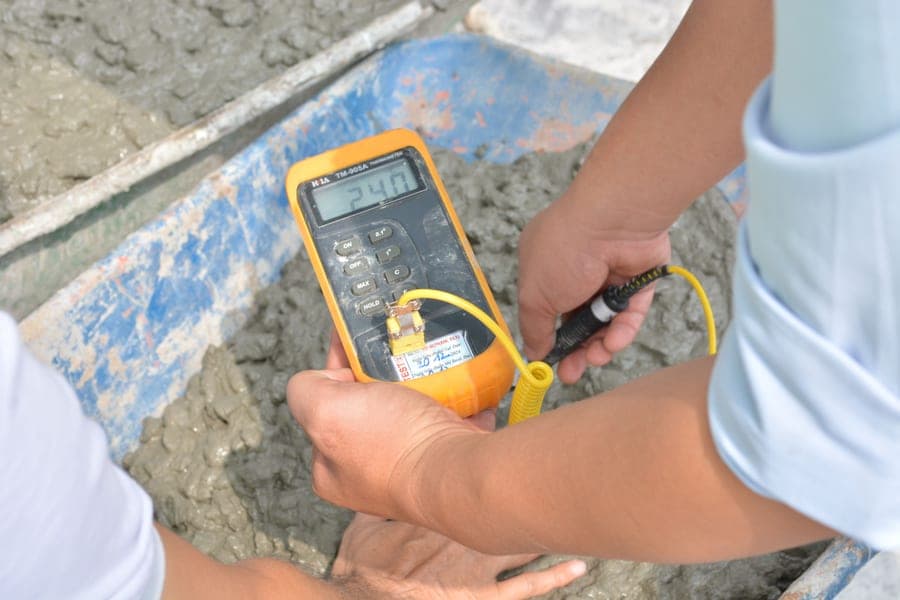 The missing piece Inkbird ITC-308 Dual-Stage Temperature Controller Not in any starter kit, and the single thing most likely to determine whether your first beer tastes clean. Pair it with any fridge or chest freezer and you control fermentation from batch one. | Anyone whose house is not reliably 65-68 F | |
| 4 | 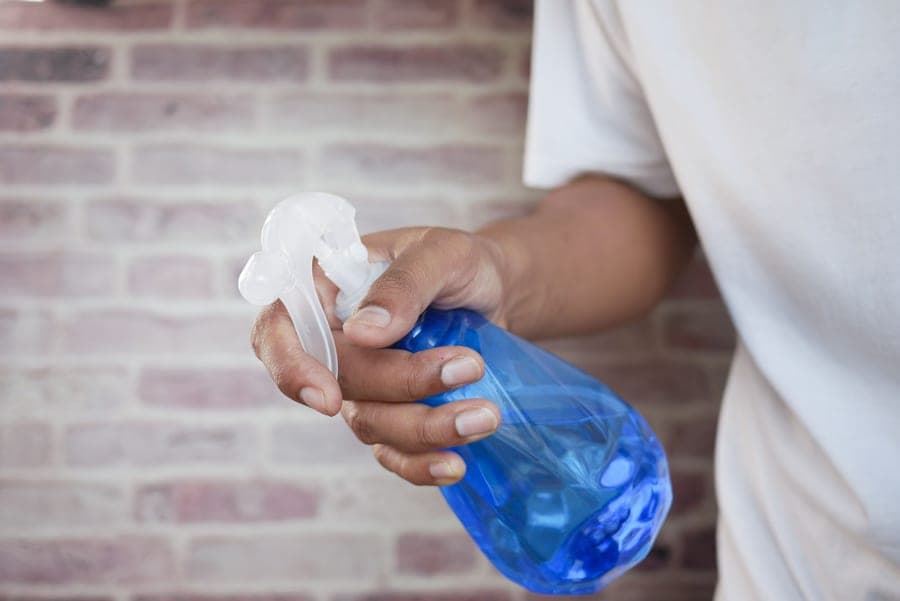 Buy more than the kit includes Five Star Star San Sanitizer Kits include a sachet. You will use it in two batches. No-rinse acid sanitizer at an ounce per five gallons is the cheapest insurance in brewing, and infection is the most common beginner failure. | Every brewer, every batch, forever | |
| 5 |  Best first fermenter upgrade Northern Brewer Big Mouth Bubbler A wide-mouth 6.5 gallon vessel you can reach into with a hand and a cloth. Cleaning is most of what a fermenter asks of you, and this makes it a two-minute job. | Brewers who found cleaning a narrow-neck carboy miserable |
Prices are checked on Amazon when you click. We never print a number we cannot verify.
What starter kits typically include and omit
| Item | Usually included | Why it matters |
|---|---|---|
| Fermenter and airlock | Yes | The vessel and the gas escape |
| Sanitizer (sample size) | Yes, 1-2 batches worth | Infection is the main beginner failure |
| Recipe kit | Often | First batch ingredients |
| Bottling bucket and capper | Often | Needed on day 14, not day 1 |
| Hydrometer | Sometimes | The only way to know fermentation finished |
| Auto-siphon | Sometimes | Transferring without aerating the beer |
| Temperature control | Almost never | Determines the flavor compounds yeast makes |
| A big enough pot | Never | A full boil needs 5+ gallons of kettle |
The real advice
The kit matters less than two things it omits
Starter kits are broadly similar and broadly fine. They contain a vessel, an airlock, some sanitizer and usually a recipe, and any of them will produce beer. Choosing between them is a smaller decision than the marketing implies, and the two things that actually decide whether your first batch is good are usually not in the box.
Fermentation temperature is the first. Ale yeast wants to be held around 65 to 68°F measured at the beer. Active fermentation generates its own heat, so a kitchen at 72°F ferments at closer to 78°F, and at 78°F the yeast produces fruity esters and harsh fusel alcohols that beginners describe as “it tastes homemade.” That flavor is not inexperience. It is temperature, and it is fixable for the price of a controller and a borrowed fridge. See fermentation temperature control.
Boil volume is the second. Extract kits are written for a partial boil -- 2 or 3 gallons topped up with water -- because that is what fits a kitchen pot. Partial boils darken the wort, lower hop utilization and make the beer taste subtly different from the recipe’s intent. A larger kettle is the cheapest route to a beer that matches its description.
Batch size
One gallon or five
One-gallon kits look like the sensible cautious choice and are usually a mistake for anyone with the space for five. The work is nearly identical: the same sanitizing, the same boil, the same two weeks of waiting, the same bottling session. You just get ten bottles instead of fifty at the end of it.
Buy one gallon if your constraint is genuinely space or storage -- an apartment with no cupboard for a 6.5 gallon vessel is a real reason. Otherwise five gallons is the batch size that makes the afternoon worth it, and it is the size nearly every published recipe is written for.
What comes next
The order to spend money in after the kit
Once you have brewed two or three batches and know you are staying, the sequence that returns the most per dollar is temperature control, then kegging, then the hot side. Temperature control improves the beer itself. Kegging removes the chore that makes people quit -- kegging vs bottling has the real cost comparison. Only then is a brewing system the right purchase, and by then you will know what you want from it.
The full sequencing argument, with the reasoning for each step, is the upgrade path. If you want the beginner walkthrough rather than the shopping order, start with the homebrew beginners guide.
The picks, in order
Every pick in detail
#1
Best overall starter kit
Entry tier
Northern Brewer Brew. Share. Enjoy. Starter Kit
Northern Brewer
A complete 5 gallon extract setup with a fermenter, airlock, bottling hardware and a recipe kit. Five gallons is roughly 50 bottles, which is the right first batch size -- big enough to matter, small enough to drink.
Spec sheet
- Batch size
- 5 gal
- Method
- Extract, stovetop
- Includes
- Fermenter, airlock, recipe kit
What it is not good at
Stovetop extract brewing means a partial boil in most kitchens, which affects hop utilization and color. No temperature control included, which is the thing that most determines how the beer turns out.
Who it is for
A first batch at a size that is worth the afternoon
#2
Best small first batch
Entry tier
Craft A Brew 1-Gallon Beer Making Kit
Craft A Brew
One gallon in a glass carboy. Fits on a kitchen counter, boils in a normal pot, and makes about ten bottles. The cheapest honest introduction to the process.
Spec sheet
- Batch size
- 1 gal
- Method
- Extract, glass carboy
- Positioning
- Smallest viable entry kit
What it is not good at
One gallon is nearly as much work as five, so the effort-per-bottle is poor. You will want to scale up quickly, and the vessel will not come with you.
Who it is for
Apartment brewers and anyone who wants to try it on a stovetop with no storage
#3
The missing piece
Entry tier
Inkbird ITC-308 Dual-Stage Temperature Controller
Inkbird
Not in any starter kit, and the single thing most likely to determine whether your first beer tastes clean. Pair it with any fridge or chest freezer and you control fermentation from batch one.
Spec sheet
- Stages
- Dual -- one heating and one cooling outlet
- Outlet rating
- ~1100W per outlet
- Probe
- NTC sensor on a 2 m lead
- Calibration
- User offset
- Compressor delay
- Configurable
- Wifi version
- ITC-308 Wifi sold separately
What it is not good at
Needs a refrigerator or freezer to control; it is a controller, not a chamber. The probe must go on the fermenter, not in the air, or it will lie to you.
Who it is for
Anyone whose house is not reliably 65-68 F
#4
Buy more than the kit includes
Entry tier
Five Star Star San Sanitizer
Five Star Chemicals
Kits include a sachet. You will use it in two batches. No-rinse acid sanitizer at an ounce per five gallons is the cheapest insurance in brewing, and infection is the most common beginner failure.
Spec sheet
- Type
- Acid-anionic, no-rinse
- Contact time
- 1-2 minutes
- Dilution
- 1 oz per 5 gal
What it is not good at
Needs to be mixed with low-alkalinity water to stay effective, and the foam alarms people -- it is harmless and should not be rinsed off.
Who it is for
Every brewer, every batch, forever
#5
Best first fermenter upgrade
Entry tier
Northern Brewer Big Mouth Bubbler
Northern Brewer
A wide-mouth 6.5 gallon vessel you can reach into with a hand and a cloth. Cleaning is most of what a fermenter asks of you, and this makes it a two-minute job.
Spec sheet
- Capacity
- 6.5 gal
- Opening
- Wide mouth
- Material
- PET or glass
What it is not good at
Not pressure rated and not a cone, so it does not enable closed transfer or yeast harvesting. A lateral move rather than a step up the tier ladder.
Who it is for
Brewers who found cleaning a narrow-neck carboy miserable
FAQ
Questions brewers actually ask
What is the best homebrew starter kit for a beginner?
A complete 5 gallon extract kit such as the Northern Brewer Brew. Share. Enjoy. setup, which includes the fermenter, airlock, bottling hardware and a first recipe. Five gallons yields roughly 50 bottles, which is the smallest batch size where the effort feels worthwhile. Budget separately for a dual-stage temperature controller and a bigger pot, because almost no kit includes either and both affect the beer more than the kit contents do.
What is not included in a homebrew starter kit?
Three things, consistently. Temperature control, which is the single biggest determinant of how your beer tastes. A kettle large enough for a full boil, since kits assume a partial boil in a kitchen pot. And enough sanitizer for more than one or two batches. A hydrometer and auto-siphon are also frequently missing, and both are cheap and genuinely useful.
Should I start with a 1 gallon or 5 gallon kit?
Five gallons, unless space is a real constraint. A one gallon batch requires nearly the same work as a five gallon batch at every stage: the same sanitizing, boil, fermentation wait and bottling session, for a tenth of the beer. One gallon makes sense in an apartment with nowhere to put a 6.5 gallon vessel, and not much otherwise.
Why does my first homebrew taste homemade?
Almost always fermentation temperature. Yeast produces fruity esters and harsh, solvent-like fusel alcohols when it ferments too warm, and active fermentation generates enough heat that a 72 degree room ferments beer at around 78. That is the flavor people recognize as homemade, and it is a temperature problem rather than a skill problem. Holding the beer at 65 to 68 degrees fixes it.
Do I need a glass carboy to brew beer?
No, and for a beginner it is usually the wrong choice. Glass is heavy, awkward to clean through a narrow neck, and dangerous if a full one slips. Wide-mouth PET or a food-grade bucket is easier to clean and safer to handle. Glass's advantage is that it is completely oxygen-impermeable, which matters for wine aged over months rather than beer fermented over two weeks.
Also useful
Read next
More on brewing systems
Guide
Homebrewing for Beginners: Your First Batch
The five stages of a first batch, and the two mistakes that ruin most of them.
Guide
Fermentation Temperature Control
Target temperatures, probe placement and the first 48 hours that decide flavor.
Roundup
The Best Electric All-in-One Brewing Systems
Five all-in-one systems compared on finished volume, voltage and parts support.
Roundup
The Best All-Grain Brewing Systems
Single-vessel, hybrid and welded all-grain approaches compared on time, space and cost.