Roundup
The Best Wort Chillers
Three chiller types, three different trades. The right one depends on whether you own a pump and whether you filter hops.
The short answer
A 25 ft stainless immersion chiller is the best wort chiller for most homebrewers: it cannot clog, needs no pump, and drops a 5 gallon batch to pitching temperature in twenty to thirty minutes. Move to a counterflow or plate chiller when you brew 10 gallon batches, where the immersion coil's chilling time roughly doubles.
DisclosureWe earn a commission on qualifying purchases made through links on this page, at no extra cost to you. It does not change what we recommend or how we rank it -- here is how we pick and here is the full disclosure.
At a glance
Quick picks
| # | Product | Best for | Price |
|---|---|---|---|
| 1 | Best overall Stainless Immersion Wort Chiller 25 ft Water inside, wort outside, so it physically cannot clog with hop debris. No pump needed, cleaning is exterior only, and a 25 ft coil chills 5 gallons in twenty to thirty minutes. | 5 gallon batches, and anyone without a pump | |
| 2 | 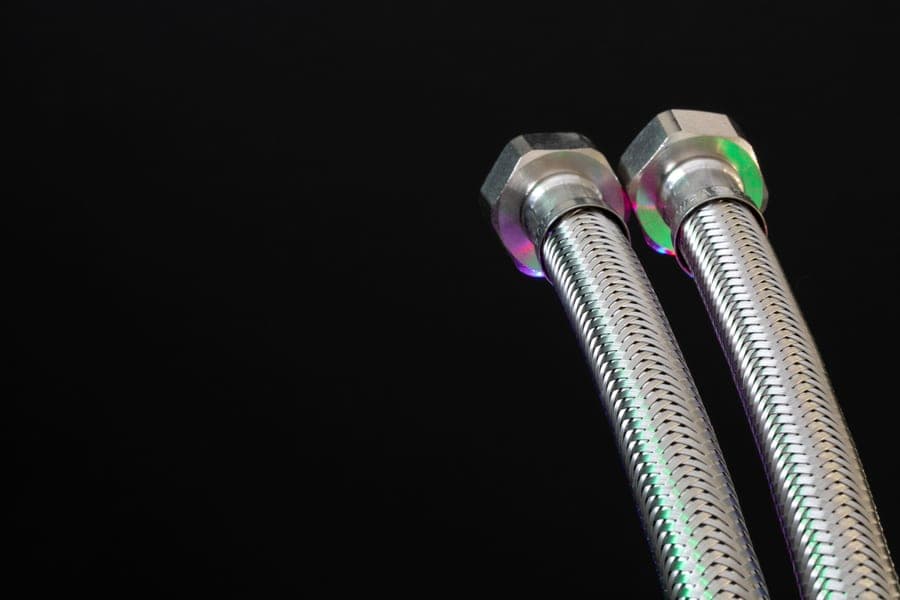 Best for 10 gallon batches Counterflow Wort Chiller Tube-in-tube counter-current flow chills in a single pass as you transfer, so chilling time depends on flow rate rather than batch volume. Lower water use than immersion for the same drop. | Larger batches, with a pump already in the setup | |
| 3 | 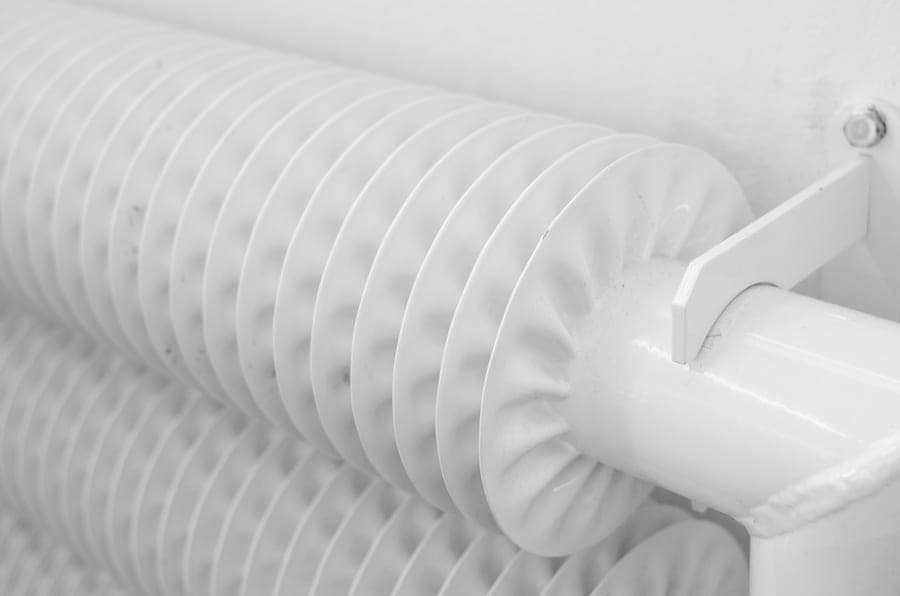 Fastest and smallest Brazed Plate Wort Chiller (20-30 plate) A 20 to 30 plate brazed heat exchanger is the most efficient of the three per gallon of coolant, and the smallest to store by a wide margin. | Brewers who filter hops properly and value footprint | |
| 4 | 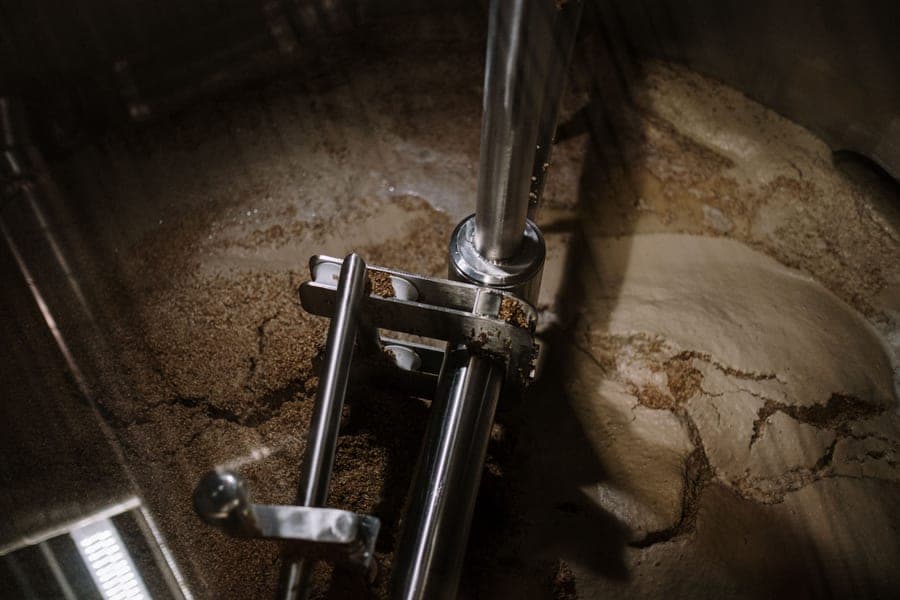 Required with a plate chiller Stainless Hop Spider (300 Micron) Containing pellet hops in a 300 micron basket is what stops a plate chiller clogging. The small utilization loss is the price of a chiller that still works next month. | Anyone running wort through a plate or counterflow chiller |
Prices are checked on Amazon when you click. We never print a number we cannot verify.
The three types compared
| Immersion | Counterflow | Plate | |
|---|---|---|---|
| Pump required | No | Yes | Yes |
| Clog risk | None | Moderate | High |
| Cleaning | Exterior only, visible | Recirculate, unseen | Backflush, unseen |
| Speed, 5 gal | 20-30 min | Single pass | Single pass |
| Speed, 10 gal | 40-60 min | Single pass | Single pass |
| Water use | High | Lower | Lowest |
| Storage size | Bulky coil | Bulky | Smallest |
| Sanitation confidence | High -- you can see it | Moderate | Lowest |
| Cost | Lowest | Mid | Mid |
An orange rule marks the better of the two on that row.
Why chill fast
Two reasons, both real
Infection risk. Boiled wort is sterile and defenseless. Between about 140°F and pitching temperature it is an ideal growth medium for anything airborne, and the longer it sits in that window the more chance something colonizes it before your yeast does. Getting below 80°F quickly and pitching the same evening is the goal.
Cold break. Rapid chilling causes proteins and polyphenols to precipitate out of suspension as cold break, which you then leave behind in the kettle. Slow chilling leaves more of that material in the beer, which shows up as haze and, over time, as a rougher mouthfeel.
Immersion
The default, and why it stays the default
A coil of tubing you drop into the kettle with cold water running through it. It is the cheapest option, it needs no pump, and it has one decisive structural advantage: the wort never goes inside it. Water is inside the tube and wort is outside, so there is nothing for hop debris to clog and nothing hidden from view when you clean it.
That matters more than it sounds. The other two chiller types are closed channels you cannot see into, and you are trusting that a cleaning cycle worked. With a coil you can look at it.
The limitation is scaling. Chilling rate depends on the coil’s surface area and the temperature difference, and neither improves when you double the batch. A 25 ft coil that chills 5 gallons in 25 minutes takes roughly twice as long on 10 gallons -- which is the point at which the other types start to make sense.
Counterflow and plate
Single pass, and the clog problem
Both chill wort as it flows through them rather than chilling a kettleful in place, which means chilling time is a function of flow rate rather than batch volume. You pump hot wort in one end and pitching-temperature wort comes out the other, straight into the fermenter. For a 10 gallon batch this is transformative.
The cost is that wort now goes inside a narrow channel:
- Plate chillers have the narrowest channels and the highest efficiency. They will block solid on a heavily hopped beer without a hop filter upstream, and a blocked plate chiller is extremely difficult to recover.
- Counterflow chillers have a wider channel -- a tube inside a tube -- so clog risk is moderate rather than high. Bulkier to store, slightly less efficient, considerably more forgiving.
Cleaning either means recirculating hot caustic through the unit and then rinsing and sanitizing, with no way to inspect the result. Do it immediately after every brew day, not the next morning. Full comparison: immersion vs plate vs counterflow.
The picks, in order
Every pick in detail
#1
Best overall
Entry tier
Stainless Immersion Wort Chiller 25 ft
NY Brew Supply / Coldbreak
Water inside, wort outside, so it physically cannot clog with hop debris. No pump needed, cleaning is exterior only, and a 25 ft coil chills 5 gallons in twenty to thirty minutes.
Spec sheet
- Length
- 25 ft (50 ft available)
- Tubing
- 1/2 in OD
- Material
- 304 stainless or copper
- Batch size
- 5-10 gal
- Cleaning
- Exterior only -- easiest of the three types
- Clog risk
- None (water inside, wort outside)
What it is not good at
Uses a lot of tap water, and chilling time roughly doubles at 10 gallon batch sizes because the coil surface area does not scale with volume.
Who it is for
5 gallon batches, and anyone without a pump
#2
Best for 10 gallon batches
Mid tier
Counterflow Wort Chiller
Coldbreak / Blichmann
Tube-in-tube counter-current flow chills in a single pass as you transfer, so chilling time depends on flow rate rather than batch volume. Lower water use than immersion for the same drop.
Spec sheet
- Type
- Tube-in-tube counterflow
- Flow
- Single pass, kettle to fermenter
- Water use
- Lower than immersion for the same drop
- Clog risk
- Moderate -- wider channel than a plate chiller
- Cleaning
- Recirculate hot caustic, then rinse and sanitize
- Size
- Bulkier than a plate chiller, tidier than a coil
What it is not good at
Needs a pump. Cleaning means recirculating hot caustic through a channel you cannot inspect, and moderate clog risk from hop debris.
Who it is for
Larger batches, with a pump already in the setup
#3
Fastest and smallest
Mid tier
Brazed Plate Wort Chiller (20-30 plate)
Duda / Blichmann
A 20 to 30 plate brazed heat exchanger is the most efficient of the three per gallon of coolant, and the smallest to store by a wide margin.
Spec sheet
- Type
- Brazed plate heat exchanger, 20-30 plates
- Flow
- Counter-current, single pass
- Footprint
- Smallest of the three chiller types
- Speed
- Fastest per gallon of coolant
- Clog risk
- High -- requires a hop filter upstream
- Cleaning
- Backflush and recirculate; cannot be inspected
What it is not good at
High clog risk -- it will block solid on a heavily hopped beer without a filter upstream. You cannot see inside it, so you never know whether cleaning worked.
Who it is for
Brewers who filter hops properly and value footprint
#4
Required with a plate chiller
Entry tier
Stainless Hop Spider (300 Micron)
Various
Containing pellet hops in a 300 micron basket is what stops a plate chiller clogging. The small utilization loss is the price of a chiller that still works next month.
Spec sheet
- Mesh
- 300 micron stainless screen
- Mount
- Rim-hung; fits most 5-15 gal kettles
- Capacity
- Roughly 8-10 oz of pellets
- Benefit
- Keeps pellet debris out of the pump and chiller
- Trade-off
- Restricts hop movement -- see the utilization note
- Cleaning
- No absorbent fabric; rinses clean
What it is not good at
Restricts hop movement, which reduces extraction slightly. Not needed if you only use an immersion coil.
Who it is for
Anyone running wort through a plate or counterflow chiller
FAQ
Questions brewers actually ask
What is the best wort chiller for homebrewing?
A 25 ft stainless immersion coil for most brewers. It needs no pump, cannot clog because the wort stays outside the tubing, cleans on the exterior where you can see it, and chills a 5 gallon batch in twenty to thirty minutes. Counterflow and plate chillers become worthwhile at 10 gallon batches, where an immersion coil's chilling time roughly doubles.
How fast should I chill wort?
Fast enough to pitch yeast the same evening, which in practice means getting below about 80 degrees Fahrenheit in twenty to thirty minutes. Two reasons: boiled wort is defenseless against airborne contamination in the window between 140 degrees and pitching temperature, and rapid chilling drops cold break out of suspension for a clearer finished beer.
Do plate chillers clog?
Yes, readily, and a blocked plate chiller is very difficult to recover. The channels are narrow and pellet hop debris packs into them, so a plate chiller on a heavily hopped beer without a hop filter upstream will block solid. Containing hops in a 300 micron spider or bag is effectively mandatory if you use one.
Why will my chiller not get the wort cold enough in summer?
Because your tap water is too warm. A chiller can only approach the temperature of its coolant, so 75 degree tap water cannot produce 68 degree wort regardless of how long you run it. The fix is a pre-chiller: a second coil sitting in a bucket of ice water, plumbed in front of your main chiller to drop the supply water near freezing.
Do I need a pump for a wort chiller?
Not for an immersion coil, where gravity and convection do the work and tap pressure pushes water through the tube. You do need one for a counterflow or plate chiller, because both require wort to be pumped through the unit. That makes the immersion coil the only option for a setup without a pump.
Read next
More on temperature control
Comparison
Immersion vs Plate vs Counterflow Chiller
Three chiller types compared on speed, clog risk and cleaning confidence.
Guide
Fermentation Temperature Control
Target temperatures, probe placement and the first 48 hours that decide flavor.
Roundup
The Best 10 Gallon Brewing Systems
Ten gallon systems, and why element power matters more than vessel size.
Guide
How to Clean a Brew Kettle
Alkaline for protein, acid for scale, and why the valve must come apart.
Roundup
The Best Glycol Chillers for Homebrewing
Glycol chillers sized for homebrewing, and when a freezer is the better buy.