Roundup
The Best 10 Gallon Brewing Systems
Doubling batch size is not just a bigger vessel. Element power, voltage and chilling all have to scale with it, and most systems only scale two of the three.
The short answer
The Anvil Foundry 10.5 on 240V is the best 10 gallon all-in-one for most brewers, because its 2800W setting holds a real boil at full volume. A welded 5500W rig like the Clawhammer boils harder still and is the better choice if you brew 10 gallon batches routinely rather than occasionally.
DisclosureWe earn a commission on qualifying purchases made through links on this page, at no extra cost to you. It does not change what we recommend or how we rank it -- here is how we pick and here is the full disclosure.
At a glance
Quick picks
| # | Product | Best for | Price |
|---|---|---|---|
| 1 |  Best 10 gallon all-in-one Anvil Foundry 10.5 Gallon At 240V the 2800W element holds a genuine rolling boil on a full batch, and the 10.5 gallon vessel gives enough freeboard that hot break does not become a boilover. | Brewers stepping up to 10 gallons without rebuilding their setup | |
| 2 | Best boil power Clawhammer Supply 10 Gallon Electric Brewing System 5500W on 240V is roughly double the mid tier, which shows up as a shorter heat-up and a boil you control rather than coax. Welded fittings mean it is repairable indefinitely. | Frequent 10 gallon brewing where boil-off rate and brew day length matter | |
| 3 |  Best automated at volume Grainfather G40 A 40 L vessel that genuinely delivers around 30 L finished, with the best app control and pump management in the group and a counterflow chiller included. | Brewers who want programmed step mashes on a larger batch | |
| 4 | 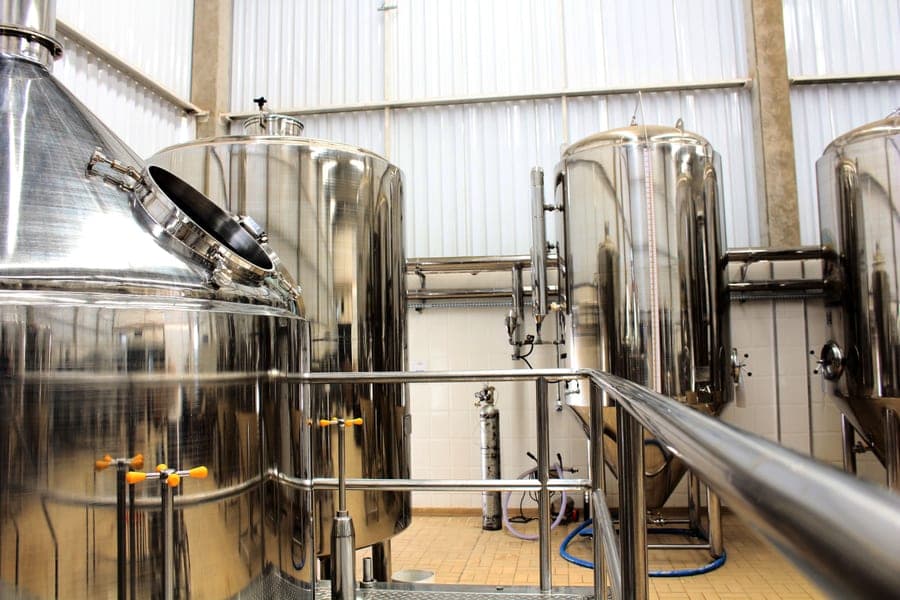 Best vessel for a custom 10 gallon build Spike Brewing Kettle (10 or 15 Gallon) A 15 gallon welded kettle with tri-clamp ferrules and an etched volume scale is the right vessel for a 10 gallon batch, with headroom that an exactly-sized kettle does not have. | Brewers assembling their own rig around existing control hardware | |
| 5 | 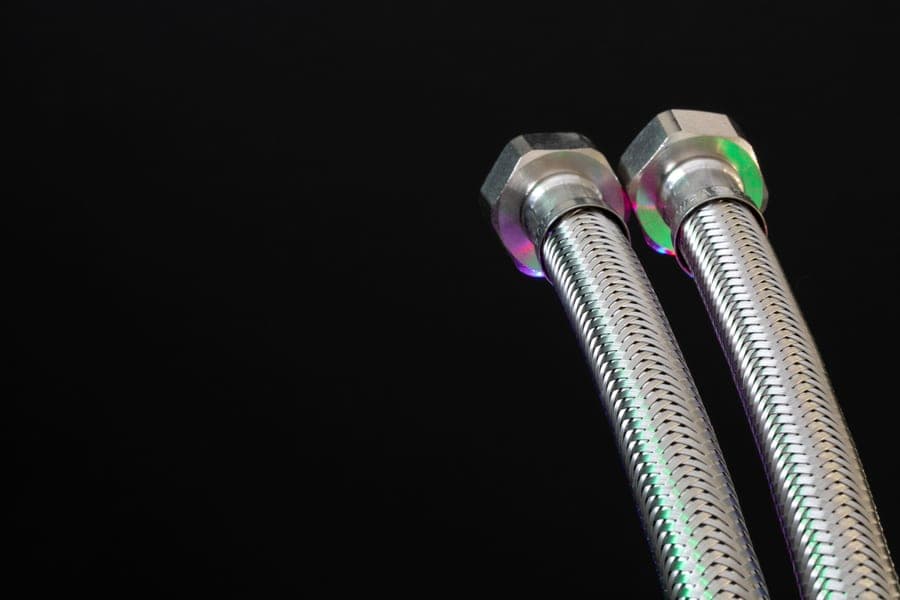 The part people forget to scale Counterflow Wort Chiller Chilling time roughly doubles with volume on an immersion coil. A counterflow chiller chills in a single pass as you transfer, which is what keeps a 10 gallon brew day from running long. | Anyone moving from 5 to 10 gallon batches |
Prices are checked on Amazon when you click. We never print a number we cannot verify.
Element power against batch size
| Element | 5 gal batch | 10 gal batch |
|---|---|---|
| 1600W (120V) | Adequate, gentle boil | Will not hold a vigorous boil |
| 2500-2800W (240V) | Strong | Adequate rolling boil |
| 5500W (240V) | More than needed | Strong, fast heat-up |
An orange rule marks the better of the two on that row.
What changes at 10 gallons
Three things scale, and most systems scale two
Moving from 5 to 10 gallon batches is usually framed as buying a bigger vessel. It is not. Three things have to scale together, and a system that scales only the first two will make your brew day longer and your beer worse.
- Vessel volume. The easy one. You need roughly 50 percent more than finished volume: a 10 gallon batch has a pre-boil volume around 12 to 13 gallons, so a 15 gallon vessel is the comfortable size and 10.5 gallons is the practical floor for an all-in-one that mashes thick.
- Element power. The one people under-buy. Boil vigor is a function of watts per gallon. A 1600W element that gives a 5 gallon batch a decent boil gives a 10 gallon batch a simmer, and a simmer does not drive off dimethyl sulfide or achieve the hot break you need. This is why 240V stops being optional at this volume.
- Chilling capacity. The one nobody budgets for. Twice the wort takes roughly twice as long to chill with the same immersion coil, and a long slow chill means more time in the range where bacteria are happy. A counterflow or plate chiller fixes this by chilling in a single pass during transfer.
The electrical reality
Work out the circuit before you choose the system
A 5500W 240V element draws roughly 23A and wants a 30A circuit. A 2800W 240V element draws around 12A and will run on a 20A circuit. A 1600W 120V element draws about 13A and is at the practical limit of a standard 15A household circuit, which is why those systems trip breakers when something else is on the same run.
Decide what circuit you can actually have, then buy the element that fits it. Buying a 5500W system first and discovering the panel cannot feed it is an expensive sequence. If you are not sure, a switchable dual-voltage system lets you brew at 5 gallons on 120V now and scale to 10 gallons on 240V later without replacing the hardware.
The cold side scales too
Twice the beer needs twice the fermenter
A 10 gallon batch does not fit a 7 gallon fermenter, and splitting it across two 7 gallon vessels is a legitimate strategy with a real advantage: you can pitch different yeast in each half and get two beers from one brew day. What it is not is free -- you need two vessels and chamber space for both.
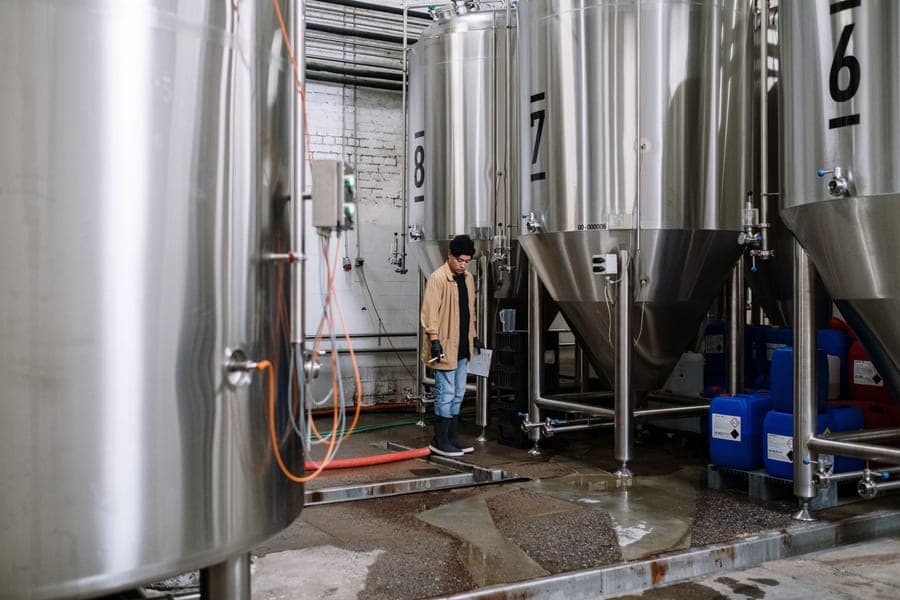
If you would rather ferment it in one vessel, you are into unitank territory, and a vessel that size usually needs a glycol loop rather than a chamber, because nothing that tall fits in a chest freezer. Budget for that before the brewing system, not after.
The picks, in order
Every pick in detail
#1
Best 10 gallon all-in-one
Mid tier
Anvil Foundry 10.5 Gallon
Anvil Brewing Equipment
At 240V the 2800W element holds a genuine rolling boil on a full batch, and the 10.5 gallon vessel gives enough freeboard that hot break does not become a boilover.
Spec sheet
- Capacity
- 10.5 gal / 40 L
- Power
- Switchable 120V 1600W or 240V 2800W
- Heating
- Triple low-watt-density element
- Pump
- Optional recirculation pump
- Grain basket
- High-flow, dual-height false bottom
- Material
- 304 stainless
What it is not good at
On 120V at this volume it is underpowered for a vigorous boil -- the dual voltage is a migration path, not a choice you can decline at 10 gallons.
Who it is for
Brewers stepping up to 10 gallons without rebuilding their setup
#2
Best boil power
Prosumer tier
Clawhammer Supply 10 Gallon Electric Brewing System
Clawhammer Supply
5500W on 240V is roughly double the mid tier, which shows up as a shorter heat-up and a boil you control rather than coax. Welded fittings mean it is repairable indefinitely.
Spec sheet
- Capacity
- 10 gal / 38 L
- Power
- 240V 5500W
- Build
- Welded 304 stainless
What it is not good at
Needs a dedicated 240V circuit and more assembly and tuning than an appliance-style system. Controller is functional rather than refined.
Who it is for
Frequent 10 gallon brewing where boil-off rate and brew day length matter
#3
Best automated at volume
Prosumer tier
Grainfather G40
Grainfather
A 40 L vessel that genuinely delivers around 30 L finished, with the best app control and pump management in the group and a counterflow chiller included.
Spec sheet
- Capacity
- 40 L / 10.5 gal
- Max batch
- ~30 L / 8 gal into the fermenter
- Control
- Bluetooth app, programmable step mash
- Pump
- Variable-speed recirculation pump
- Chiller
- Counterflow wort chiller included
- Grain capacity
- ~9 kg / 20 lb
What it is not good at
Premium price, proprietary accessories, and heavy enough that it lives wherever you first put it.
Who it is for
Brewers who want programmed step mashes on a larger batch
#4
Best vessel for a custom 10 gallon build
Prosumer tier
Spike Brewing Kettle (10 or 15 Gallon)
Spike Brewing
A 15 gallon welded kettle with tri-clamp ferrules and an etched volume scale is the right vessel for a 10 gallon batch, with headroom that an exactly-sized kettle does not have.
Spec sheet
- Capacity
- 10 or 15 gal (20 and 30 also sold)
- Fittings
- Welded tri-clamp ferrules
- Base
- Tri-clad for induction and gas
- Markings
- Etched internal volume scale
- Lid
- Vented and hinged options
- Warranty
- Lifetime on the vessel
What it is not good at
A vessel, not a system -- element, controller, pump and basket are all separate purchases and decisions.
Who it is for
Brewers assembling their own rig around existing control hardware
#5
The part people forget to scale
Mid tier
Counterflow Wort Chiller
Coldbreak / Blichmann
Chilling time roughly doubles with volume on an immersion coil. A counterflow chiller chills in a single pass as you transfer, which is what keeps a 10 gallon brew day from running long.
Spec sheet
- Type
- Tube-in-tube counterflow
- Flow
- Single pass, kettle to fermenter
- Water use
- Lower than immersion for the same drop
- Clog risk
- Moderate -- wider channel than a plate chiller
- Cleaning
- Recirculate hot caustic, then rinse and sanitize
- Size
- Bulkier than a plate chiller, tidier than a coil
What it is not good at
Needs a pump and a hop filter upstream, and cleaning means recirculating caustic through a channel you cannot inspect.
Who it is for
Anyone moving from 5 to 10 gallon batches
FAQ
Questions brewers actually ask
Can I brew 10 gallon batches on a 120V system?
You can mash, but you will struggle to boil properly. Boil vigor depends on watts per gallon, and a 1600W element that gives a 5 gallon batch a solid rolling boil gives a 10 gallon batch a simmer. A weak boil does not drive off dimethyl sulfide or achieve a good hot break, so the beer suffers in ways you can taste. At 10 gallons, 240V stops being optional.
What size vessel do I need for a 10 gallon batch?
Fifteen gallons is comfortable and 10.5 is the practical floor for an all-in-one. Pre-boil volume for a 10 gallon batch is around 12 to 13 gallons, and you need freeboard above that for the hot break foam in the first minutes of the boil. A vessel sized exactly to pre-boil volume means watching the kettle instead of brewing.
Should I split a 10 gallon batch across two fermenters?
It is often the better answer. Two 7 gallon fermenters cost less than one vessel large enough for 10 gallons plus the cooling to serve it, and splitting lets you pitch different yeast strains in each half and get two distinct beers from one brew day. The cost is chamber space for two vessels and twice the cleaning.
How much longer does a 10 gallon brew day take?
Not much, if your element and chiller scaled with the batch. Mash and boil times are unchanged, so the only additional time is heating more water and chilling more wort. With a 240V element and a counterflow chiller the difference is maybe thirty minutes. With a 120V element and an immersion coil it can add two hours, which is why those two components matter more than the vessel.
Read next
More on brewing systems
Roundup
The Best Electric All-in-One Brewing Systems
Five all-in-one systems compared on finished volume, voltage and parts support.
Guide
Electric vs Propane Brewing
Heat source compared on cost, power, safety and where you can actually brew.
Roundup
The Best Wort Chillers
Immersion, counterflow and plate chillers compared on the trades that matter.
Comparison
Conical Fermenter vs Unitank
What the glycol jacket and pressure rating add, and whether you need them.
Roundup
The Best All-Grain Brewing Systems
Single-vessel, hybrid and welded all-grain approaches compared on time, space and cost.