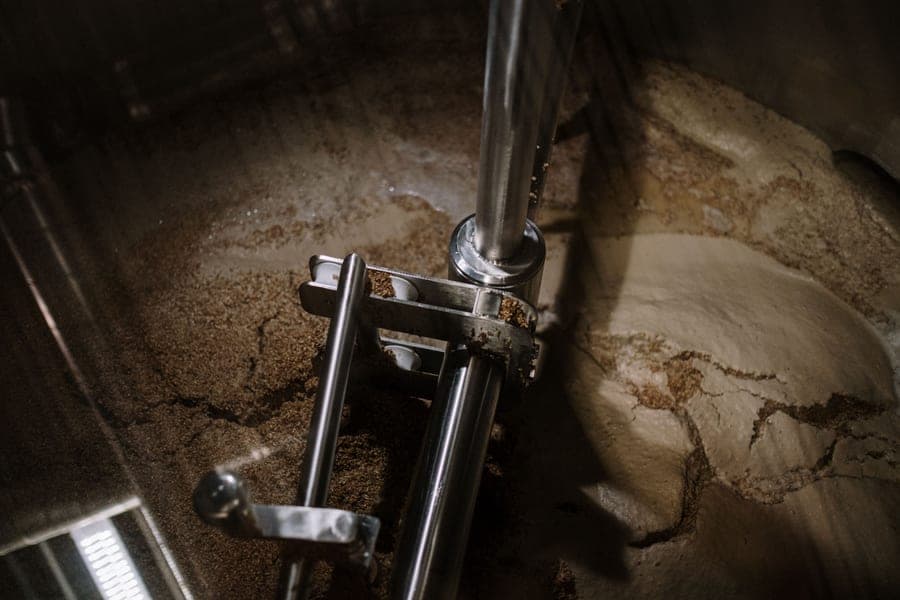
Comparison
Conical Fermenter vs Bucket
A bucket makes award-winning beer. Here is exactly what a cone adds, and when it is the wrong purchase.
The short answer
A conical fermenter does not make better beer than a bucket at the same temperature. It adds trub separation, bottom yeast harvesting and -- on pressure-rated models -- closed transfer. If you harvest yeast or keg hoppy beer, the upgrade pays; if you just want better beer, buy temperature control instead.
DisclosureWe earn a commission on qualifying purchases made through links on this page, at no extra cost to you. It does not change what we recommend or how we rank it -- here is how we pick and here is the full disclosure.
Thousands of competition-winning beers have been fermented in a food-grade pail with a drilled lid. Any comparison that implies otherwise is selling something. So this page is not about whether a bucket is adequate -- it is -- but about which specific capabilities a cone adds and whether you will use them.
What actually differs
| Bucket | Conical | |
|---|---|---|
| Beer quality at the same temperature | Equal | Equal |
| Trub separation | Settles flat on the bottom | Settles into the cone, dumpable |
| Yeast harvesting | Scrape the cake, mixed with trub | Two-stage from the valve, clean slurry |
| Closed transfer | No | On pressure-rated models |
| Cleaning | Easy, wide open | More fittings and gaskets to clean |
| Fits any chamber | Yes, short and flat | Often too tall |
| Cost | Very low | Many times higher |
| Lifespan | A few years | Decades in stainless |
An orange rule marks the better of the two on that row.
The three real gains
What you are actually paying for
Dumping trub mid-fermentation. Cold break and dead yeast collect in the cone within the first day or two, and dumping them means the beer spends the rest of fermentation on a cleaner bed. The effect on flavor is modest and debated; the effect on how clear your transfer runs is not.
Clean yeast harvesting. In a bucket, the yeast cake is a single mixed layer of trub, dead cells and healthy yeast, and harvesting from it gets you all three. In a cone you dump the first fraction -- the trub and dead cells -- and collect the next, which is clean, viable slurry. If you repitch regularly this is a genuine quality and cost gain.
Closed transfer, on rated vessels only. This is the big one, and it is not inherent to the cone shape -- it comes from the pressure rating. Pushing beer to a purged keg under CO2 instead of siphoning through air is the largest single quality improvement available to a homebrewer on hoppy beer. A non-pressure conical such as the Brew Bucket does not do this. See best pressure fermenters.
The counter-case
Three reasons to keep the bucket
- Buckets are easier to clean. A conical has a valve, a racking arm, a lid gasket and sometimes a dump assembly, all of which need cleaning. A bucket has a lid and a wall. Fewer places for an infection to hide is a real advantage, not a consolation.
- Buckets fit everywhere. Short and flat-bottomed, they go into any chest freezer or fridge. A coned vessel on a stand frequently does not, and discovering that after ordering is the most common conical regret.
- The money has a better home. If you are still fermenting at room temperature, the cost of a conical would buy temperature control outright, and that changes how your beer tastes in a way a cone does not.
Our verdict
Which one should you buy?
Upgrade to a conical if
Ss Brewtech Brew Bucket
- You harvest and repitch yeast regularly
- You want tidier transfers and a clearer keg
- You already have temperature control sorted
- Your chamber can actually fit the vessel
Buy this instead if
Inkbird ITC-308 Dual-Stage Temperature Controller
- Your beer has off-flavors rather than cosmetic issues
- You still ferment at whatever temperature the room is
- Your budget only stretches to one purchase
- You want the change that actually affects flavor
Next
Related reading
If a cone is the plan, start with best conical fermenters and why use a conical fermenter. If you are comparing vessel shapes more broadly, see conical vs carboy.
What we recommend
The products on this page
The upgrade
Mid tier
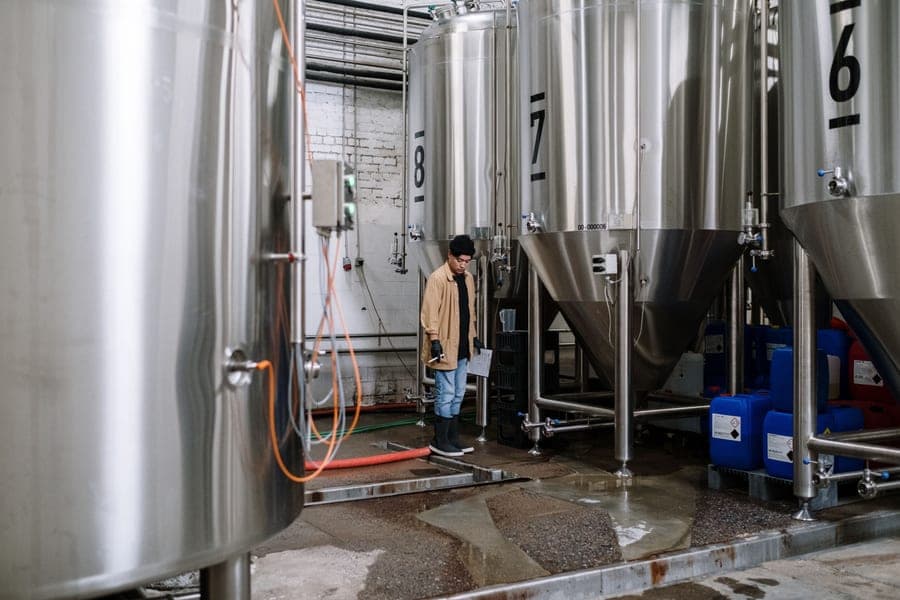
Ss Brewtech Brew Bucket
Ss Brewtech
A 40-degree stainless cone with a rotating racking arm, which lets you draw clear beer from above the sediment rather than siphoning around it.
Spec sheet
- Capacity
- 7 gal / 26 L (5 gal batch)
- Cone angle
- 40 degrees
- Valve
- Rotating racking arm, stainless ball valve
- Lid
- Silicone-gasketed, non-pressure
- Material
- Polished 304 stainless
- Pressure rated
- No
What it is not good at
Not pressure rated, so it does not solve the oxygen problem. Costs many times a bucket for convenience rather than quality.
Who it is for
Brewers who harvest yeast or want tidier transfers
The incumbent, done well
Entry tier
Northern Brewer Big Mouth Bubbler
Northern Brewer
A 6.5 gallon wide-mouth vessel you can reach into. If what annoys you about your current fermenter is cleaning it, this fixes that for very little.
Spec sheet
- Capacity
- 6.5 gal
- Opening
- Wide mouth
- Material
- PET or glass
What it is not good at
No cone, no pressure, no yeast harvesting. It is a better bucket, which is sometimes exactly the right answer.
Who it is for
Brewers whose real complaint is cleaning, not fermentation
Buy this first
Entry tier
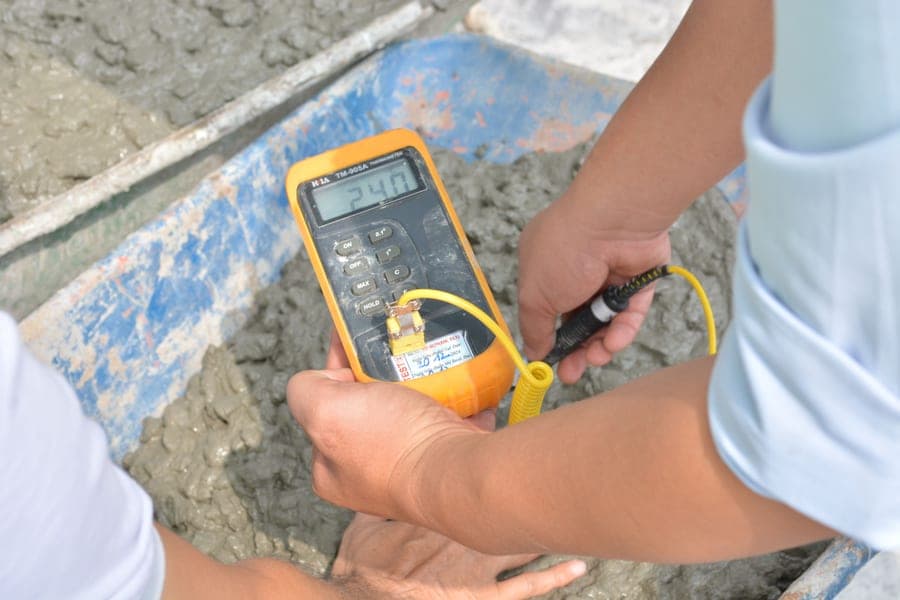
Inkbird ITC-308 Dual-Stage Temperature Controller
Inkbird
If the goal is better beer rather than more convenience, this plus a spare fridge beats any vessel upgrade, because fermentation temperature governs flavor and a cone does not.
Spec sheet
- Stages
- Dual -- one heating and one cooling outlet
- Outlet rating
- ~1100W per outlet
- Probe
- NTC sensor on a 2 m lead
- Calibration
- User offset
- Compressor delay
- Configurable
- Wifi version
- ITC-308 Wifi sold separately
What it is not good at
Needs a fridge or freezer to switch. The probe must be on the vessel, not in the air.
Who it is for
Any brewer still fermenting at room temperature
FAQ
Questions brewers actually ask
Does a conical fermenter make better beer than a bucket?
Not at the same fermentation temperature. The yeast does not care what shape the vessel is. What a conical adds is trub separation, clean two-stage yeast harvesting and, on pressure-rated models, closed transfer under CO2. Those are real benefits, but they are convenience and process benefits rather than a direct quality upgrade.
Should I buy a conical fermenter or a temperature controller first?
The temperature controller, without question. Fermentation temperature determines which flavor compounds yeast produces, and a bucket held at a steady 66 degrees Fahrenheit makes better beer than a stainless conical in a 76 degree garage. A conical bought before temperature control is a convenience purchase dressed up as a quality one.
Is a bucket harder to clean than a conical?
No, easier. A bucket has a lid and a smooth wall; a conical has a valve, often a racking arm, a lid gasket and sometimes a dump assembly, every one of which needs cleaning attention. Fewer places for soil and bacteria to hide is a genuine advantage of the bucket rather than a consolation prize.
Can you harvest yeast from a bucket?
Yes, but the slurry is mixed. The yeast cake in a bucket is a single layer containing cold break, dead cells and healthy yeast together, so whatever you scrape off contains all three. A cone lets you dump the first fraction and collect clean viable slurry from the next, which is the real harvesting advantage.
Also useful
Read next
More on fermenters
Roundup
The Best Conical Fermenters
Stainless, plastic and pressure-capable conicals compared, with chamber-fit warnings.

Comparison
Conical Fermenter vs Carboy
Oxygen exclusion against access and safety, and which beverage needs which.

Guide
Fermentation Temperature Control
Target temperatures, probe placement and the first 48 hours that decide flavor.
Roundup
The Best Stainless Conical Fermenters
Welded against formed stainless, and which vessels justify the price.