Guide
Pressure Fermenting Mead and Wine
Barely anyone writes about this. It works, and the reason to do it is different from the reason beer brewers do it.
The short answer
Pressure fermenting mead and wine works in a rated vessel at 10 to 15 psi, and it suppresses the fusel alcohols that under-nourished honey must produces. The bigger benefit is oxygen exclusion across a long ferment and a closed transfer to the aging vessel, which matters more for mead and wine than for beer.
DisclosureWe earn a commission on qualifying purchases made through links on this page, at no extra cost to you. It does not change what we recommend or how we rank it -- here is how we pick and here is the full disclosure.
Why this is worth knowing
Nobody writes about it
Pressure fermentation is thoroughly covered for beer and almost entirely absent from mead and wine content. That is a gap rather than a verdict: the technique works for both, and for mead in particular the benefits line up unusually well with the problems mead actually has.
The mechanism is the same as in beer -- see pressure fermentation explained -- but the reasons to do it are different, which is the point of this page.
Benefit one
Fusel suppression, which mead needs most
Elevated dissolved CO2 suppresses the yeast metabolic pathways that produce esters and fusel alcohols. In beer that is used to ferment lagers clean at warm temperatures.
In mead it addresses the category’s signature fault. Honey is nearly devoid of nitrogen, so mead yeast is prone to stress, and stressed yeast throws fusel alcohols -- the hot, solvent-like harshness that is the whole reason mead is said to need a year. Pressure suppresses exactly those compounds.
Important caveat: this does not replace a nutrient schedule. Pressure masks a symptom of malnourished yeast; it does not nourish the yeast. Do both -- stagger your nutrient properly per your first mead, step by step -- and the pressure is a belt alongside the braces.
Benefit two
Oxygen exclusion, which matters more here than in beer
This is the stronger argument, and it is specific to these beverages.
A beer ferments for two or three weeks and gets packaged. A mead or wine ferments for two to four weeks and then ages for months. Across that span oxygen is the dominant threat: it dulls honey character, browns whites, and eventually produces sherry-like oxidation. Every exposure counts more because there is more time for the damage to accumulate.
- A sealed pressurized vessel cannot draw air in. An airlocked vessel does, every time the temperature drops -- the contracting liquid pulls room air and airlock sanitizer back through the airlock.
- Closed transfer to the aging vessel. This is the big one. Instead of siphoning through air into a carboy, you push the mead or wine across under CO2. Starting a nine-month age with less dissolved oxygen is worth real money.
- The headspace is CO2, not air, for the whole fermentation.
What it does not do
Three honest limits
It does not carbonate your wine, usefully. In beer, partial carbonation at transfer is a benefit. For a still wine or a still mead it is something you then have to remove, which means degassing. If you want a sparkling mead it is an advantage; otherwise vent the vessel down before transferring and expect to degas.
It does not fix headspace during aging. Pressure helps during fermentation. Once the mead is in its aging vessel for nine months, the vessel’s geometry and fill level are what matter -- see best mead fermenters and best wine fermenters.
It does not suit every style. As in beer, pressure suppresses yeast expression. For a traditional mead where you want the honey and the yeast character to show, or a wine where varietal character is the point, heavy pressure flattens things you wanted. Keep to 10 to 12 psi rather than 15 for these.
How to do it
The practical sequence
- Use a rated vessel. A FermZilla with its pressure kit, a KegMenter, or a rated conical. Never an unrated vessel -- best pressure fermenters.
- Aerate the must thoroughly and pitch yeast with the first nutrient dose.
- Leave it vented for 12 to 24 hours so the growth phase is unrestricted.
- Set the spunding valve to 10 to 12 psi. Lower than a beer, because yeast expression matters more here and you do not want the carbonation.
- Add nutrient on schedule. This means venting and opening, which is the one practical awkwardness of pressure fermenting a mead. Vent fully before opening.
- When fermentation finishes, vent down and do a closed transfer to the aging vessel under low pressure.
What we recommend
The products on this page
The cheapest rated vessel
Mid tier
FermZilla All Rounder 30 L
KegLand
Rated with its pressure kit, clear so you can watch, and cylindrical so it fits a chamber. The lowest-cost honest entry for either beverage.
Spec sheet
- Capacity
- 30 L / 7.9 gal
- Shape
- Cylindrical (no cone)
- Pressure rating
- Rated for pressure fermentation with the pressure kit
- Material
- Clear PET
- Ports
- Ball lock posts, 4 in tri-clover lid option
- Weight
- Light enough to lift full-handed
What it is not good at
PET, so it is a primary vessel rather than an aging one. The pressure kit is a separate purchase.
Who it is for
Trying pressure fermentation on a mead or wine
Best for a long ferment
Mid tier
KegLand KegMenter Fermenter 30 L
KegLand
304 stainless rated for pressure, which means it is also a perfect oxygen barrier for a ferment that may run for weeks.
Spec sheet
- Capacity
- 30 L / 7.9 gal (also 40 L and 58 L)
- Material
- 304 stainless, keg-style body
- Pressure
- Rated for pressure fermentation and transfer
- Shape
- Flat bottom -- no trub cone
- Ports
- Ball lock posts, floating dip tube option
- Opacity
- Opaque -- you cannot see the krausen
What it is not good at
Flat bottom and opaque. Still not the right shape for months of part-full aging.
Who it is for
Mead makers who want pressure and stainless
The non-pressure alternative
Prosumer tier
Variable-Capacity Stainless Wine Tank
Speidel / Marchisio
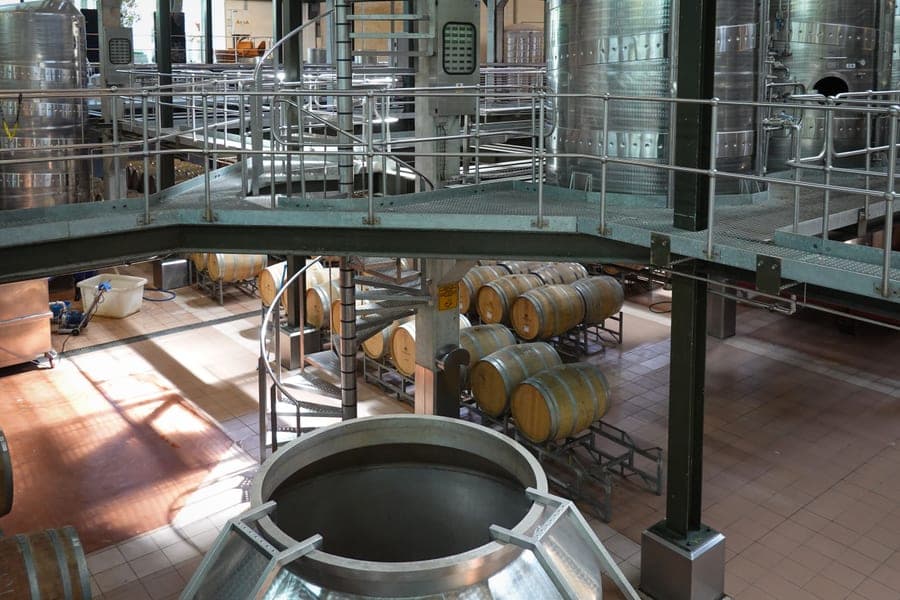
A floating lid eliminates headspace at every volume, which addresses wine's actual oxygen problem more directly than pressure does.
Spec sheet
- Capacity
- 30 L to 100 L and beyond
- Lid
- Floating lid with an inflatable gasket
- Headspace
- Adjustable -- the lid drops to the wine line
- Material
- 304 stainless
- Valve
- Racking valve, optional thermowell
- Why it matters
- Solves the part-full-carboy oxidation problem
What it is not good at
Not a pressure vessel, so none of the ester suppression applies.
Who it is for
Winemakers whose real problem is headspace, not esters
FAQ
Questions brewers actually ask
Can you pressure ferment mead?
Yes, in a vessel explicitly rated for pressure, at around 10 to 12 psi. It suppresses the fusel alcohols that under-nourished honey must tends to produce, and more importantly it excludes oxygen throughout a ferment that will be followed by months of aging. It does not replace a staggered nutrient schedule -- do both.
What pressure should I ferment wine or mead at?
Ten to twelve psi, which is slightly lower than the 12 to 15 used for beer. The reason is that pressure suppresses yeast expression, and in mead and wine the honey or varietal character is more of the point than it is in a clean lager. Lower pressure also leaves less dissolved CO2 to degas before bottling a still drink.
Does pressure fermentation replace yeast nutrient in mead?
No. Pressure suppresses the fusel alcohols that stressed yeast produces, which masks a symptom; it does not supply the nitrogen that honey lacks. Yeast fermenting an unfed honey must is still malnourished and still underperforming. Stagger your nutrient properly and treat pressure as an additional benefit rather than a substitute.
How do you add nutrient to a pressurized mead?
Vent the vessel fully, open it, add and gently stir in the nutrient, then reseal and let the pressure rebuild. It is the one genuine awkwardness of pressure fermenting a mead, since the nutrient schedule requires several additions across the first week. Always vent completely before opening a pressurized vessel.
Will pressure fermentation carbonate my wine?
Partially, yes, which is a benefit in beer and a nuisance in a still wine. The dissolved CO2 has to be removed before bottling, either by venting down and letting the wine sit, or by degassing with a wand. If you want a sparkling mead it is an advantage; for a still drink, vent the vessel down before transferring.
Read next
More on wine & mead
Guide
Pressure Fermentation, Explained
The actual mechanism, the psi to use, and what pressure cannot fix.
Roundup
The Best Pressure Fermenters
Genuinely rated pressure vessels, and what the working kit really costs.
Guide
Your First Mead, Step by Step
A one gallon recipe with the staggered nutrient schedule that changes everything.

Roundup
The Best Mead Fermenters
Vessels for mead's long timescale, where beer vessel advice stops applying.