Guide
Your First Mead, Step by Step
One gallon, three pounds of honey, and a nutrient schedule. That last part is what makes it drinkable in two months instead of twelve.
The short answer
Mix 3 lb of honey into water to make one gallon, aerate, pitch a robust wine yeast with the first nutrient addition, then add nutrient in two or three further stages across the first week. Ferment at 60-68 degrees Fahrenheit, rack off the lees after two to three weeks, and age in a full glass vessel.
DisclosureWe earn a commission on qualifying purchases made through links on this page, at no extra cost to you. It does not change what we recommend or how we rank it -- here is how we pick and here is the full disclosure.
Step 1
Sanitize everything, then make the must
- Sanitize the carboy, bung, airlock, siphon, hydrometer, test jar and anything else that will touch the must.
- Pour roughly half a gallon of cool or warm -- not hot -- water into the carboy.
- Add 3 lb of honey. Warming the jar in a sink of warm water first makes it pour rather than crawl. Do not boil it.
- Top up to one gallon, leaving two or three inches of headspace for the fermentation to come.
- Seal and shake hard, or stir vigorously, until the honey is fully dissolved and the must is uniformly cloudy. Honey sinks and will sit in a layer at the bottom if you let it.
Step 2
Take a gravity reading, then aerate and pitch
Draw a sample into the test jar and read the hydrometer. Target around 1.090 to 1.100. If you are low, add more honey; if you are high, add water. Write the number down -- it is half of your eventual alcohol calculation.
Then aerate deliberately. This is the one point in a fermentation where you want oxygen in the liquid, because the yeast needs it to build healthy cell walls during its growth phase. Shake the sealed carboy hard for a minute, or stir vigorously.
Pitch the yeast and the first dose of nutrient together.
Step 3
The staggered nutrient schedule
This is the part most beginner recipes get wrong by calling for a single dose. Divide your nutrient into three or four portions and add them across the first week:
A workable staggered schedule
| When | What | Why |
|---|---|---|
| At pitch | First nutrient dose | Supports the growth phase |
| 24 hours | Second dose | Fermentation now active, demand is high |
| 48 hours | Third dose | Peak activity, peak nitrogen need |
| ~1/3 sugar consumed | Final dose | Last useful addition |
| After that | Nothing | Late nutrient feeds spoilage, not yeast |
Follow the specific schedule on your nutrient product where it differs -- formulations vary in nitrogen content. The principle is universal: several smaller additions across early fermentation, nothing after roughly the one-third point.
Stir gently when you add nutrient, both to mix it in and to release dissolved CO2, which otherwise suppresses the yeast.
Step 4
Ferment at 60 to 68 degrees
Cooler is cleaner. Mead yeast will work warmer, and warmer fermentation produces more of the fusel character you are trying to avoid. If you own a fermentation chamber, use it -- most mead advice assumes you do not, and a held temperature is as valuable here as in beer.
Expect visible activity within 24 to 48 hours and vigorous fermentation for a week or so. Fermentation typically finishes in two to four weeks.
Step 5
Rack, then wait
- Confirm it has finished. Two identical hydrometer readings 48 hours apart. A dry mead will be at or below 1.000 -- possibly as low as 0.995, since there is nothing unfermentable in honey the way there is in wort.
- Rack off the lees into a sanitized vessel, gently, with the tubing outlet below the surface so you are not splashing. This is the point where oxygen does damage rather than good.
- Fill the aging vessel as full as you can. Headspace is the main oxidation risk across months of aging. Size the vessel to the mead you actually have, or flush the headspace with CO2 if you have a kegging setup.
- Wait. Taste at one month, two months, four months. A properly nourished mead improves noticeably across that span and the change is instructive.
What we recommend
The products on this page
The kit this recipe assumes
Entry tier
Craft A Brew Mead Making Kit
Craft A Brew
Glass carboy, yeast, nutrient, airlock, siphon and sanitizer. Add three pounds of honey and you have everything this recipe calls for.
Spec sheet
- Batch size
- 1 gal / 3.8 L
- Vessel
- Glass carboy
- Includes
- Yeast, nutrient, airlock, siphon, sanitizer
- Honey
- Not included -- you source 2-3 lb
- Time to drinkable
- 4-8 weeks, better at 6 months
- Reusable
- Yes -- refill with your own honey
What it is not good at
Honey not included. Redundant if you already brew beer.
Who it is for
A first one gallon batch
Every step needs it
Entry tier
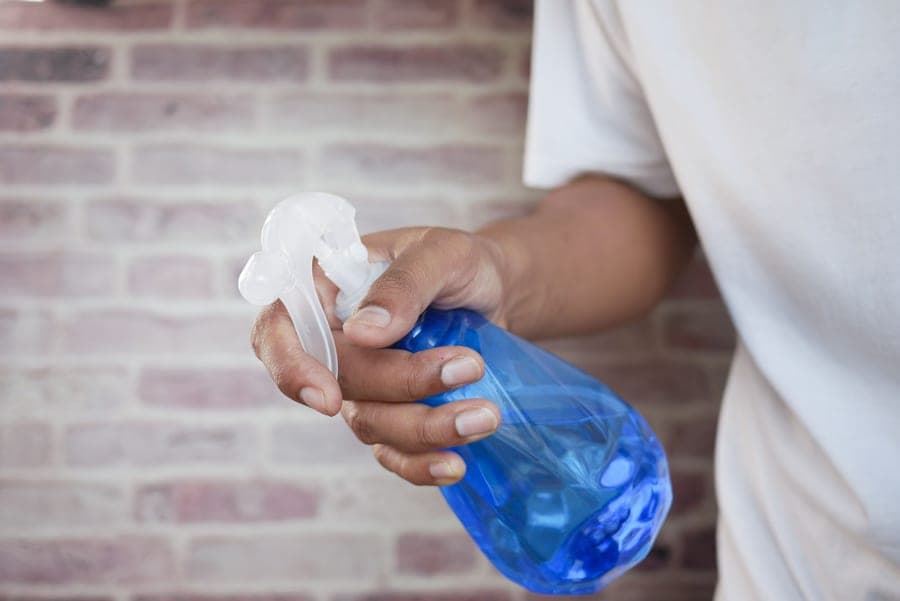
Five Star Star San Sanitizer
Five Star Chemicals
No-rinse acid sanitizer at an ounce per five gallons. A mead sits for months, so an infection has a long time to develop.
Spec sheet
- Type
- Acid-anionic, no-rinse
- Contact time
- 1-2 minutes
- Dilution
- 1 oz per 5 gal
What it is not good at
Clean first; sanitizer does not work through soil.
Who it is for
Carboy, airlock, siphon, hydrometer and test jar
For the scale-up
Entry tier
Glass Demijohn 5-6 Gallon
Various
Once the one gallon process works, the same method scales directly. A glass demijohn is the right aging vessel for the larger batch.
Spec sheet
- Capacity
- 5-6 gal (smaller sizes common in Europe)
- Material
- Glass -- fully oxygen-impermeable
- Neck
- Narrow, takes a #6.5 or #7 bung
- Cleaning
- Needs a carboy brush; no wide access
- Weight
- Heavy full; use a milk-crate carrier
- Best for
- Long bulk aging where oxygen is the enemy
What it is not good at
Heavy when full, and you need to keep it full.
Who it is for
A five gallon second batch
FAQ
Questions brewers actually ask
How do you make a simple mead?
Dissolve 3 lb of honey into water to make one gallon, take a gravity reading around 1.090 to 1.100, aerate hard, then pitch a robust wine yeast with the first dose of nutrient. Add nutrient in two or three further stages across the first week, ferment at 60 to 68 degrees Fahrenheit, rack off the lees after two to three weeks, and age in a full glass vessel.
What gravity should mead start at?
Around 1.090 to 1.100 for a standard-strength traditional mead, which comes from roughly 3 lb of honey per gallon. With a robust wine yeast that ferments out to approximately 13 percent alcohol. Record the reading, because it is half of the calculation you need to work out your final ABV.
When do you add yeast nutrient to mead?
In stages across the first week: one dose at pitch, another at 24 hours, another at 48 hours, and a final one around the point where a third of the sugar has been consumed. Nothing after that, because late nutrient additions feed spoilage organisms rather than yeast. Follow your specific product's schedule where it differs.
How long does mead take to ferment?
Two to four weeks for fermentation itself, confirmed by two identical hydrometer readings 48 hours apart. A dry mead finishes at or below 1.000, sometimes as low as 0.995, because honey has nothing unfermentable in it the way wort does. Drinkability takes longer: two months if well nourished, six months to be good.
How do you make mead sweet?
Back-sweeten after fermentation finishes, and stabilize first or the yeast will simply ferment the added honey. Add Campden tablets and potassium sorbate together, wait 24 hours, then sweeten to taste. Never bottle a back-sweetened mead without stabilizing it, because refermentation in a sealed bottle builds dangerous pressure.
Why does my mead smell like nail polish?
Fusel alcohols from stressed yeast, almost always caused by insufficient nutrient or fermenting too warm. Honey has almost no nitrogen, so yeast fermenting it without staggered nutrient additions becomes malnourished and produces those harsh compounds. They do mellow with long aging, which is where mead's year-long reputation comes from, but the real fix is feeding the yeast properly next time.
Read next
More on wine & mead
Roundup
The Best Mead Fermenters
Vessels for mead's long timescale, where beer vessel advice stops applying.
Guide
Pressure Fermenting Mead and Wine
What pressure changes for mead and wine, and why oxygen matters more here.
Guide
Fermentation Temperature Control
Target temperatures, probe placement and the first 48 hours that decide flavor.