Comparison
Demijohn vs Carboy
Mostly the same vessel under two names. The real decision is glass against PET, and it comes down to how long the liquid sits.
The short answer
Demijohn and carboy are largely interchangeable terms for a narrow-necked bulk fermentation vessel; demijohn is the older British and European term, often implying glass and sometimes a wicker or plastic cradle. The decision that matters is glass versus PET: glass is completely oxygen-impermeable and heavy, PET is light and slightly permeable.
DisclosureWe earn a commission on qualifying purchases made through links on this page, at no extra cost to you. It does not change what we recommend or how we rank it -- here is how we pick and here is the full disclosure.
The terminology
Two words, mostly one thing
These terms get argued about more than they deserve. In practice they describe the same category of vessel: a narrow-necked container for bulk fermentation and aging, sealed with a bung and airlock.
- Demijohn is the older British and European term. It frequently implies glass, and historically implied a wicker or plastic protective cradle. European sizes are often smaller -- 5 liter and 10 liter demijohns are common where American carboys start at 3 gallons.
- Carboy is the standard American term, and is used for both glass and PET. A “wide-mouth carboy” is a distinctly modern variant with a 4 inch opening, which arguably stops being a carboy in the traditional sense.
So if a supplier offers you a “5 gallon demijohn” and a “5 gallon glass carboy,” you are almost certainly looking at the same vessel. Buy on material, size and neck diameter rather than on the word.
The real decision
Glass or PET
What actually differs
| Glass | PET | |
|---|---|---|
| Oxygen barrier | Complete | Slightly permeable |
| Suits months of aging | Yes | No |
| Weight when full | Very heavy | A third of glass |
| Breakage risk | Real, and dangerous | None |
| Cleaning access | Brush through the neck | Wide-mouth versions reach inside |
| Scratch resistance | High | Low |
| Thermal shock | Can crack | Tolerant |
| Expected life | Indefinite if not dropped | Several years |
| Cost | Low | Lowest |
An orange rule marks the better of the two on that row.
Everything here reduces to timescale. Over two or three weeks -- a beer fermentation -- PET’s oxygen permeability is immaterial and its practical advantages are decisive. Over six to twelve months -- a wine or a mead -- permeability starts to matter and glass is the correct choice.
The glass warning
Do not use glass for beer
Glass carboys are still sold as the premium beer fermenter and they should not be. The reasons are practical and serious:
- Weight. A full 6 gallon glass carboy weighs around 60 pounds, with no handle and a wet, slippery surface.
- Breakage. Glass fails without warning under thermal shock or impact, and a full carboy breaking is a serious laceration risk. Milk-crate carriers exist precisely because this happens.
- Cleaning. A narrow neck means a brush and optimism. You cannot reach a krausen ring with a cloth or properly inspect the interior.
For beer, a wide-mouth PET carboy gives you the same shape at a third of the weight with no breakage risk, and the oxygen advantage of glass is irrelevant on a two-week timescale. See conical fermenter vs carboy.
The problem neither solves
Headspace
Both vessel types share the same limitation: the lid or bung is fixed at the top, so a part-full vessel has air above the liquid. For a wine or mead aging for months that is the central oxidation risk, and the standard advice -- top up, or flush with CO2 -- is a mitigation rather than a solution.
The vessel that actually solves it is a variable-capacity stainless tank, whose floating lid drops to the liquid line so headspace is zero at every volume. It is expensive, and it is the only thing that removes the problem rather than managing it.
The cheap version of the same idea: size the aging vessel to the liquid you actually have. Two smaller carboys both full beat one large one that is not.
Our verdict
Which one should you buy?
Use glass if
Glass Demijohn 5-6 Gallon
- The liquid will sit for more than a couple of months
- You are making wine or mead rather than beer
- You will keep the vessel full and handle it carefully
- Complete oxygen exclusion is the priority
Use PET if
FerMonster 7 Gallon Wide Mouth Carboy
- You are fermenting beer
- The liquid leaves within a couple of months
- Cleaning access and weight matter to you
- A dropped full glass carboy is not a risk you want
What we recommend
The products on this page
The glass option
Entry tier
Glass Demijohn 5-6 Gallon
Various
Completely oxygen-impermeable with a narrow neck. For anything sitting more than a couple of months, this is the correct vessel regardless of what you call it.
Spec sheet
- Capacity
- 5-6 gal (smaller sizes common in Europe)
- Material
- Glass -- fully oxygen-impermeable
- Neck
- Narrow, takes a #6.5 or #7 bung
- Cleaning
- Needs a carboy brush; no wide access
- Weight
- Heavy full; use a milk-crate carrier
- Best for
- Long bulk aging where oxygen is the enemy
What it is not good at
Heavy, and a full one that slips is a serious laceration risk. Cleaning means a brush through a neck you cannot see into.
Who it is for
Wine and mead aged over months
The PET option
Entry tier
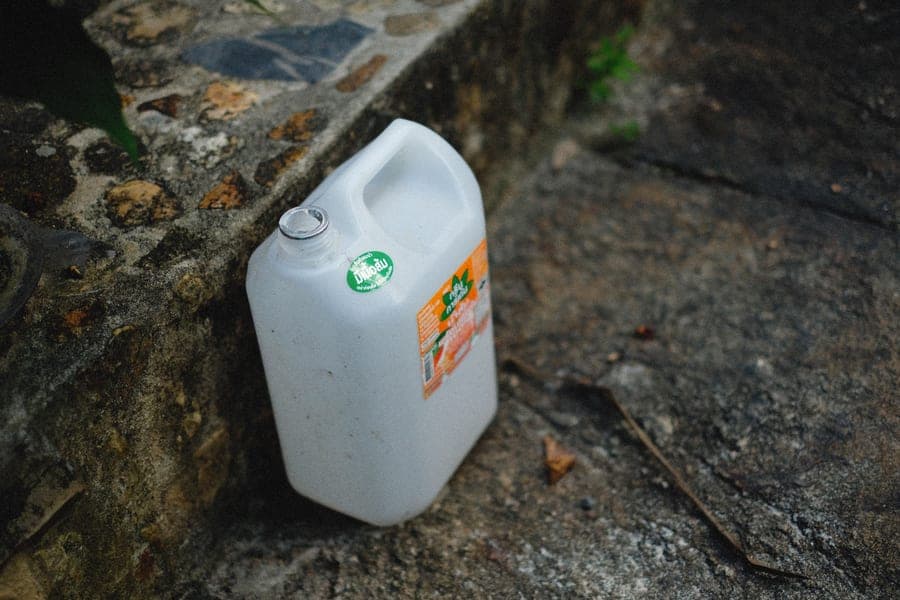
FerMonster 7 Gallon Wide Mouth Carboy
FerMonster
A 7 gallon wide-mouth PET vessel at a third of the weight, with a 4 inch opening you can reach into. Cleaning drops from a chore to a two-minute job.
Spec sheet
- Capacity
- 7 gal / 26 L
- Opening
- 4 in wide mouth
- Material
- PET
What it is not good at
Slightly oxygen-permeable over months, and it scratches. A multi-year consumable rather than a lifetime vessel.
Who it is for
Beer, and short-aged wine or mead
The vessel that beats both
Prosumer tier
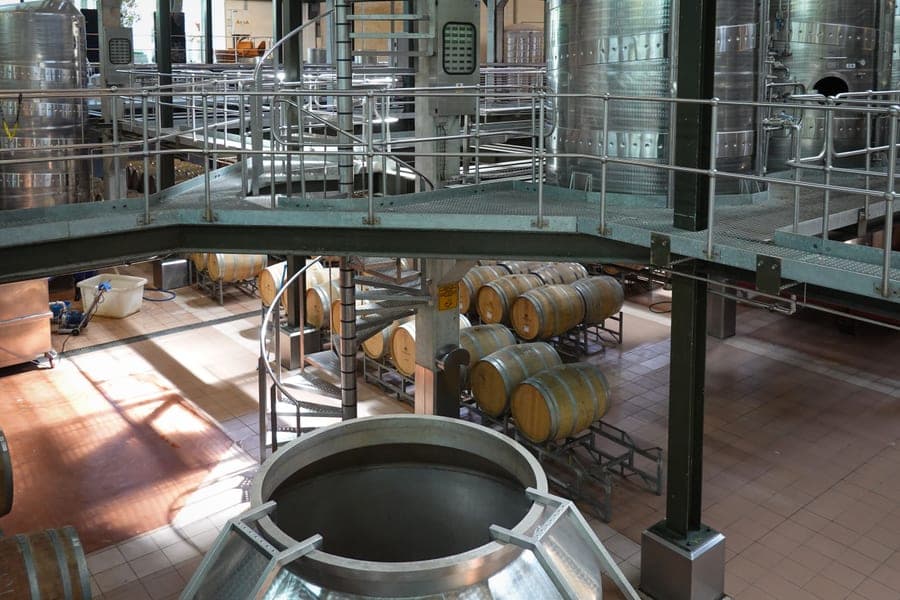
Variable-Capacity Stainless Wine Tank
Speidel / Marchisio
A floating lid drops to the liquid line, so the topping-up problem that both of these vessels have simply does not arise.
Spec sheet
- Capacity
- 30 L to 100 L and beyond
- Lid
- Floating lid with an inflatable gasket
- Headspace
- Adjustable -- the lid drops to the wine line
- Material
- 304 stainless
- Valve
- Racking valve, optional thermowell
- Why it matters
- Solves the part-full-carboy oxidation problem
What it is not good at
Far more expensive, and larger than one 6 gallon batch needs.
Who it is for
Winemakers who want headspace solved rather than managed
FAQ
Questions brewers actually ask
What is the difference between a demijohn and a carboy?
Mostly the word. Both describe a narrow-necked vessel for bulk fermentation and aging sealed with a bung and airlock. Demijohn is the older British and European term, often implying glass and historically a protective cradle, with smaller European sizes common. Carboy is the standard American term and covers both glass and PET. Buy on material and size, not the name.
Should I use a glass or plastic carboy?
Glass if the liquid sits for months, PET if it does not. Glass is completely oxygen-impermeable, which matters for wine and mead aged over six to twelve months. PET is a third of the weight, cannot shatter, and wide-mouth versions let you reach inside to clean -- all decisive advantages over a two or three week beer fermentation where permeability is immaterial.
Are glass carboys dangerous?
A full one is genuinely risky. It weighs around 60 pounds with no handle and a wet surface, and glass fails without warning under thermal shock or impact. A full carboy breaking is a serious laceration risk, which is why purpose-made carriers and milk crates are standard advice. Never carry one by the neck.
How do you clean a demijohn?
Soak with a non-caustic alkaline brewery wash, warm, for twenty to thirty minutes, then use a long-handled carboy brush to work the walls and the shoulder where the krausen ring forms. Rinse thoroughly and sanitize. The limitation is that you cannot inspect the interior properly, so rinse immediately after emptying rather than letting residue dry on.
What size demijohn do I need?
Size it to the liquid you will actually have after transfer, not the batch you started with. If a 6 gallon batch becomes 5.5 gallons after racking, two smaller vessels both full beat one 6 gallon vessel with half a gallon of air above it, because headspace is the main oxidation risk during months of aging.
Read next
More on wine & mead
Roundup
The Best Wine Fermenters
Variable-capacity tanks, carboys and primaries, judged on headspace control.
Roundup
The Best Mead Fermenters
Vessels for mead's long timescale, where beer vessel advice stops applying.
Comparison
Conical Fermenter vs Carboy
Oxygen exclusion against access and safety, and which beverage needs which.
Comparison
Stainless vs Plastic Fermenters
Durability, sanitation and real cost per year, honestly compared.