Guide
Wine Making Equipment List
Everything a 6 gallon kit assumes you have, in three tiers, with the items people buy too early.
The short answer
To make a 6 gallon wine kit you need a primary fermenter, a 6 gallon carboy for secondary and aging, a bung and airlock, an auto-siphon and tubing, a hydrometer and test jar, and sanitizer. A corker and bottles are needed on bottling day, and a beer brewer already owns most of the rest.
DisclosureWe earn a commission on qualifying purchases made through links on this page, at no extra cost to you. It does not change what we recommend or how we rank it -- here is how we pick and here is the full disclosure.
Tier 1
Essential: a kit assumes you have all of these
- A primary fermenter, 7-8 gallons. A food-grade bucket or a wide-mouth HDPE vessel. You need headspace above a 6 gallon must, and for reds you need access to punch down the cap of skins that forms.
- A 6 gallon carboy or demijohn for secondary and bulk aging. Glass is correct here -- the wine sits for months and glass is the only completely oxygen-impermeable common option.
- A bung and airlock sized to the carboy neck. A #6.5 or #7 bung fits most 6 gallon carboys; check yours.
- An auto-siphon and tubing. Wine gets racked more than beer does, and each rack is an oxygen risk, so a siphon that starts cleanly and runs gently matters.
- A hydrometer and test jar. The only way to know your starting gravity, confirm fermentation finished, and calculate ABV.
- No-rinse sanitizer, more than you expect. Wine involves more transfers across a longer period than beer.
- A long-handled spoon or paddle for stirring the must and punching down reds.
Tier 2
Needed on bottling day, not day one
- Thirty wine bottles. A 6 gallon kit yields around 30 bottles. Used bottles are fine if thoroughly cleaned and label-stripped; avoid any with screw threads if you are corking.
- A corker and corks. Hand corkers exist and are miserable for 30 bottles; a floor corker is the right tool and is the classic thing to borrow from a local club or shop rather than buy.
- A bottling wand or a bottle filler, so you fill to a consistent level without splashing.
- A bottle tree or drying rack, which turns the sanitizing step from a juggling act into a process.
Tier 3
Buy later, or never
- A variable-capacity stainless tank. Genuinely the best vessel for wine, because its floating lid eliminates headspace at every volume. Also expensive and larger than one kit needs. Buy it when you know you will keep making wine -- best wine fermenters.
- A degassing wand. Useful for stirring dissolved CO2 out before fining on a 6 gallon batch, and a long spoon and patience will also do it.
- A pH meter and acid test kit. Real tools for adjusting balance, and not a first-kit concern -- kits are formulated to land in range.
- A filter system. Produces brilliant clarity and strips some character doing it. Time and fining agents achieve most of the same result for free.
- Oak cubes, spirals or chips beyond what the kit includes. Worth experimenting with later; do not add oak to a first batch on top of what the kit already specifies.
Already own it
What transfers from beer brewing
If you brew beer, your actual shopping list for a wine kit is short: the kit, 30 bottles, corks and access to a corker. Everything else is on your shelf -- hydrometer, auto-siphon, tubing, airlocks, bungs, sanitizer, a long spoon, and a temperature-controlled chamber that wine benefits from as much as beer does.
The one habit to change concerns vessels. Beer leaves its fermenter in weeks, so a PET carboy or a bucket is fine. Wine sits for months, which makes oxygen permeability and headspace the central concerns -- use glass or stainless for aging, and keep it full. The full reasoning is in demijohn vs carboy.
What we recommend
The products on this page
Everything in tier one
Entry tier
Complete Wine Making Equipment Kit
Midwest / Northern Brewer
Primary bucket, 6 gallon carboy, airlock, auto-siphon and hydrometer in one purchase, which avoids assembling it piecemeal.
Spec sheet
- Batch size
- 6 gal
- Primary
- Food-grade bucket with a lid and airlock grommet
- Secondary
- 6 gal glass or PET carboy
- Transfer
- Auto-siphon and tubing
- Measurement
- Hydrometer and test jar
- Not included
- The wine kit itself, and usually a corker
What it is not good at
Largely redundant for a beer brewer. A corker is usually separate.
Who it is for
First-time winemakers who own nothing
Best primary fermenter
Entry tier
Speidel Plastic Fermenter 30 L
Speidel
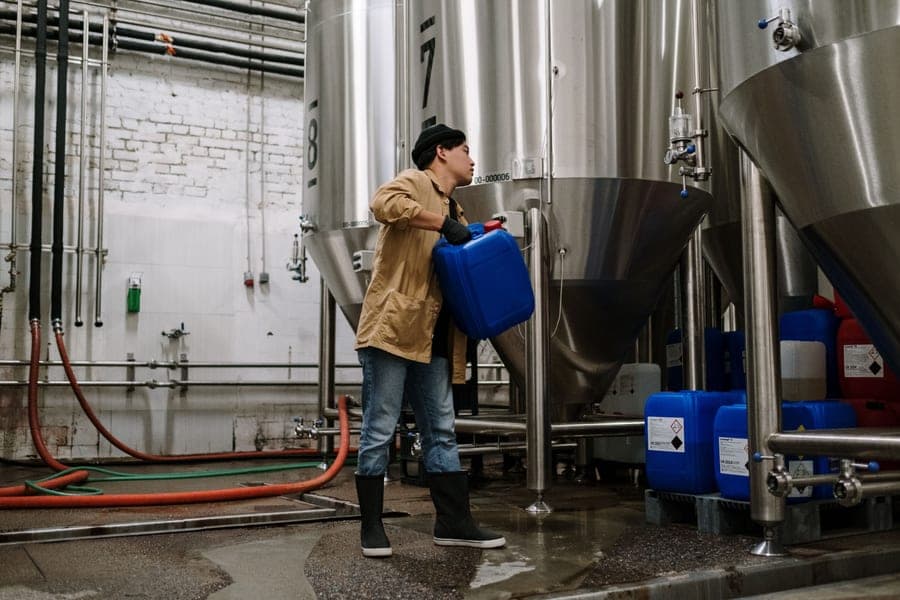
Food-grade HDPE, wide mouth, square footprint. Punching down a red must and cleaning afterwards both need access, which is what this provides.
Spec sheet
- Capacity
- 30 L / 7.9 gal
- Material
- Food-grade HDPE
- Mouth
- Wide, square footprint
What it is not good at
Opaque, and plastic is the wrong vessel for the aging stage.
Who it is for
The vigorous first week, especially for reds
Best secondary and aging vessel
Entry tier
Glass Demijohn 5-6 Gallon
Various
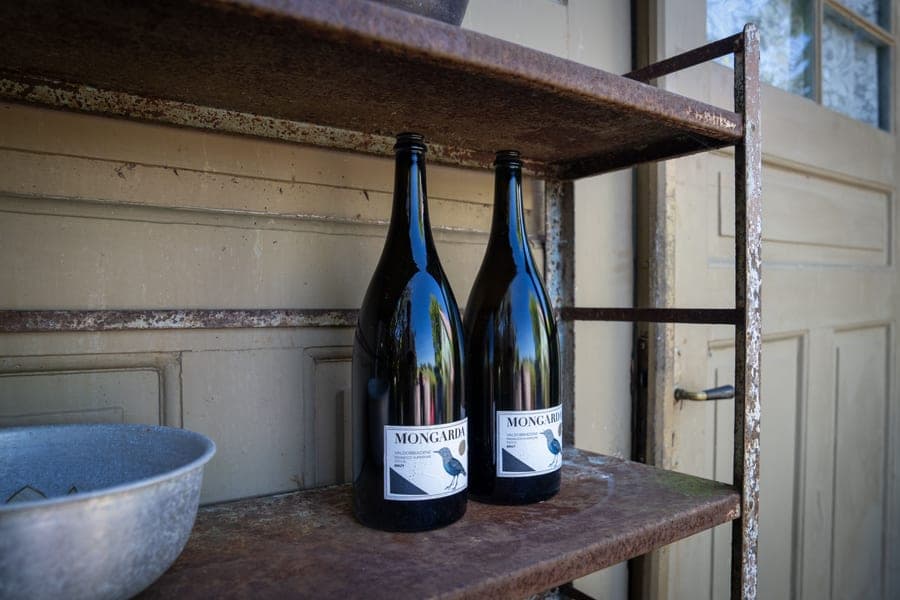
Oxygen-impermeable with a narrow neck. For the stage where oxygen is the enemy, this is the correct vessel.
Spec sheet
- Capacity
- 5-6 gal (smaller sizes common in Europe)
- Material
- Glass -- fully oxygen-impermeable
- Neck
- Narrow, takes a #6.5 or #7 bung
- Cleaning
- Needs a carboy brush; no wide access
- Weight
- Heavy full; use a milk-crate carrier
- Best for
- Long bulk aging where oxygen is the enemy
What it is not good at
Heavy, fragile, and you still need to keep it full.
Who it is for
Months of bulk aging
The tier-three upgrade
Prosumer tier
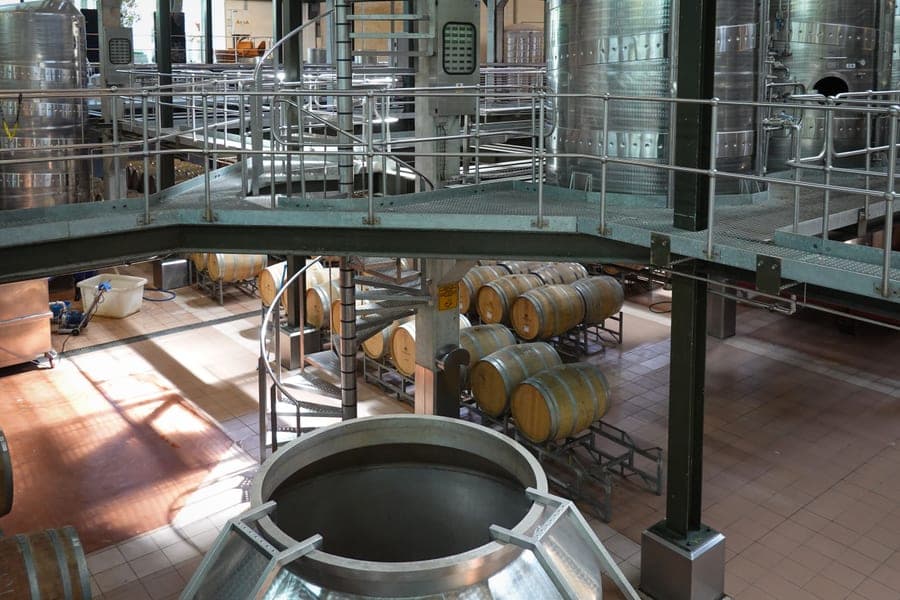
Variable-Capacity Stainless Wine Tank
Speidel / Marchisio
A floating lid eliminates headspace at any volume, which is the only genuine solution to wine's central aging problem.
Spec sheet
- Capacity
- 30 L to 100 L and beyond
- Lid
- Floating lid with an inflatable gasket
- Headspace
- Adjustable -- the lid drops to the wine line
- Material
- 304 stainless
- Valve
- Racking valve, optional thermowell
- Why it matters
- Solves the part-full-carboy oxidation problem
What it is not good at
Expensive, and more vessel than one kit needs. Buy it after you know you will keep making wine.
Who it is for
Winemakers tired of topping up
FAQ
Questions brewers actually ask
What equipment do you need to make wine at home?
A 7 to 8 gallon primary fermenter, a 6 gallon glass carboy for secondary and aging, a bung and airlock, an auto-siphon and tubing, a hydrometer and test jar, sanitizer and a long stirring spoon. On bottling day you also need around 30 bottles, corks and a corker. A beer brewer already owns most of the first list.
Do I need two vessels to make wine?
In practice, yes. The vigorous first week benefits from a wide-mouth primary vessel you can punch down a red must in and clean easily, and the months of aging that follow need a narrow-necked glass or stainless vessel where oxygen cannot reach the wine. Using one vessel for both means compromising on one of the two stages.
Should I buy a corker or borrow one?
Borrow for your first batches. A floor corker is the right tool for 30 bottles -- hand corkers are genuinely miserable at that volume -- but it is used for one afternoon per batch and is bulky to store. Homebrew shops and clubs frequently lend or rent them. Buy one when you are making several batches a year.
Do I need a pH meter for winemaking?
Not for kit wines, which are formulated to land in the right acid range without intervention. A pH meter and acid test kit become useful when you are working with fresh fruit or juice where the chemistry varies, or when you are adjusting a kit deliberately. For a first batch it is a number without an action attached.
Can I use my beer equipment to make wine?
Nearly all of it. Hydrometers, auto-siphons, tubing, airlocks, bungs, sanitizer, spoons and a temperature-controlled chamber all transfer unchanged. The exception is the aging vessel: beer leaves its fermenter in weeks so a bucket or PET carboy is fine, while wine sits for months and needs glass or stainless kept full.
Read next
More on wine & mead
Roundup
The Best Wine Fermenters
Variable-capacity tanks, carboys and primaries, judged on headspace control.
Comparison
Demijohn vs Carboy
The terminology settled, then the glass-versus-PET decision that matters.
Comparison
Mead vs Wine: Which to Make First
Cost, difficulty and time compared, and which suits a beer brewer first.
Guide
Hydrometer vs Refractometer
Sample size against accuracy, plus the alcohol correction problem explained.