Comparison
Mead vs Wine: Which to Make First
Mead is simpler and the ingredient costs more. Wine is more prescribed and the kit does the thinking. Both use gear you already own.
The short answer
Make mead first if you want to learn fermentation with four ingredients and full control; make wine from a kit first if you want a predictable 30-bottle result by following a schedule. Mead's dominant cost is honey, wine's is the kit, and a beer brewer already owns nearly all the equipment for both.
DisclosureWe earn a commission on qualifying purchases made through links on this page, at no extra cost to you. It does not change what we recommend or how we rank it -- here is how we pick and here is the full disclosure.
Mead against wine for a home fermenter
| Mead | Wine (from a kit) | |
|---|---|---|
| Ingredients | Honey, water, yeast, nutrient | Juice or concentrate, yeast, additives |
| Dominant cost | Honey | The kit |
| Process complexity | Simple but needs judgment | Prescribed schedule |
| Where it goes wrong | Under-nourished yeast | Rushing the schedule |
| Smallest sensible batch | 1 gallon | 6 gallons |
| Yield | ~10 bottles at 1 gal | ~30 bottles |
| Fermentation time | 2-4 weeks | 4-8 weeks to bottle |
| Time to good | 2-6 months fed properly | 3-6 months in bottle |
| Control over the result | Complete | Limited to tier and process |
| Repeatability | Depends on your honey | High -- the kit is standardized |
An orange rule marks the better of the two on that row.
Mead
Four ingredients, one thing to get right
Mead is honey, water, yeast and nutrient. There is no mash, no boil, no hop schedule, and no recipe to follow beyond a target gravity. That simplicity is genuinely appealing -- it is the most direct fermentation you can run.
The one thing that goes wrong is nutrition. Honey is nearly devoid of the nitrogen yeast needs, so a mead pitched into straight honey must with no nutrient stresses its yeast, which throws fusel alcohols -- the hot, solvent-like harshness responsible for mead’s reputation for needing a year.
Fed on a staggered nutrient schedule, the same mead is pleasant at two months and good at six. That single practice is the whole difference, which is why mead rewards learning a process rather than following a recipe. The walkthrough is your first mead, step by step.
Wine
A schedule rather than a recipe
Wine from a kit is a different kind of exercise. The kit supplies juice or concentrate, yeast, and a sequence of additives with dates attached. You supply water, a vessel, temperature and patience, and follow instructions.
That is a real advantage for a first attempt: there is very little judgment required and the failure modes are narrow. The main ones are rushing the schedule -- bottling at the earliest permitted date gives a thin wine -- and fermenting too warm.
The variable that determines quality is the kit tier, not the grape on the label. Higher tiers carry more actual juice and less concentrate, and a high-tier chardonnay beats a low-tier amarone. See best wine making kits.
What transfers from beer
Almost everything
This is the part that makes either one cheap to start. A beer brewer already owns the expensive items:
- Transfers unchanged: hydrometer, auto-siphon, tubing, airlocks, bungs, sanitizer, thermometer, and a temperature-controlled chamber. Wine and mead both benefit from a held temperature as much as beer does.
- Transfers with care: plastic buckets and PET carboys. Fine for primary; the wrong vessel for months of aging, because PET is slightly oxygen-permeable over that span.
- Buy new: wine or mead yeast (not beer strains), nutrient, fining agents, and a corker if you intend to bottle wine properly. Campden tablets and potassium sorbate if you plan to back-sweeten.
Which first
It depends what you want from it
Mead first if you enjoy process and want control. One gallon, three pounds of local honey, and you are learning something transferable about yeast health rather than following a sheet.
Wine first if you want a result. Thirty bottles of something genuinely drinkable, by following dates, with very little that can go wrong.
Both are cheap for a beer brewer, and neither needs anything you cannot get from the equipment you already have plus a visit to a homebrew shop. The short shopping lists are what you need to make mead and wine making equipment list.
Our verdict
Which one should you buy?
Make mead if
Craft A Brew Mead Making Kit
- You want full control over a four-ingredient ferment
- A one gallon learning batch suits you better than six
- Local honey varieties interest you
- You enjoy process more than following a schedule
Make wine if
RJS Craft Winemaking Kit
- You want 30 bottles of a predictable result
- Following dates appeals more than exercising judgment
- You already own a 6 gallon carboy
- You want the lowest-risk first attempt
What we recommend
The products on this page
Start here for mead
Entry tier
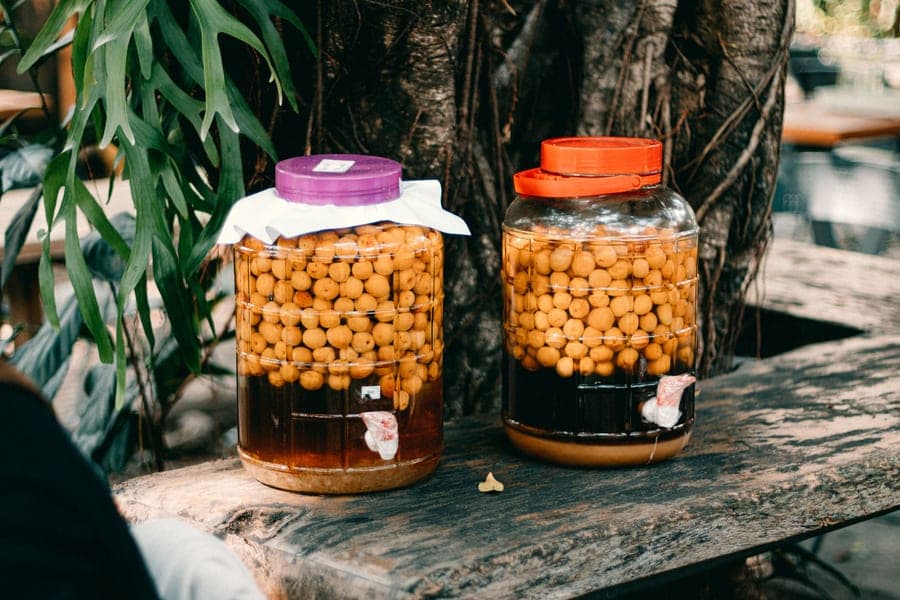
Craft A Brew Mead Making Kit
Craft A Brew
One gallon, glass carboy, everything except the honey. Mead is four ingredients, so the learning is process rather than recipe.
Spec sheet
- Batch size
- 1 gal / 3.8 L
- Vessel
- Glass carboy
- Includes
- Yeast, nutrient, airlock, siphon, sanitizer
- Honey
- Not included -- you source 2-3 lb
- Time to drinkable
- 4-8 weeks, better at 6 months
- Reusable
- Yes -- refill with your own honey
What it is not good at
Honey is most of the cost and is not included. Ten bottles for nearly the work of fifty.
Who it is for
Learning the nutrient schedule on one gallon
Start here for wine
Mid tier
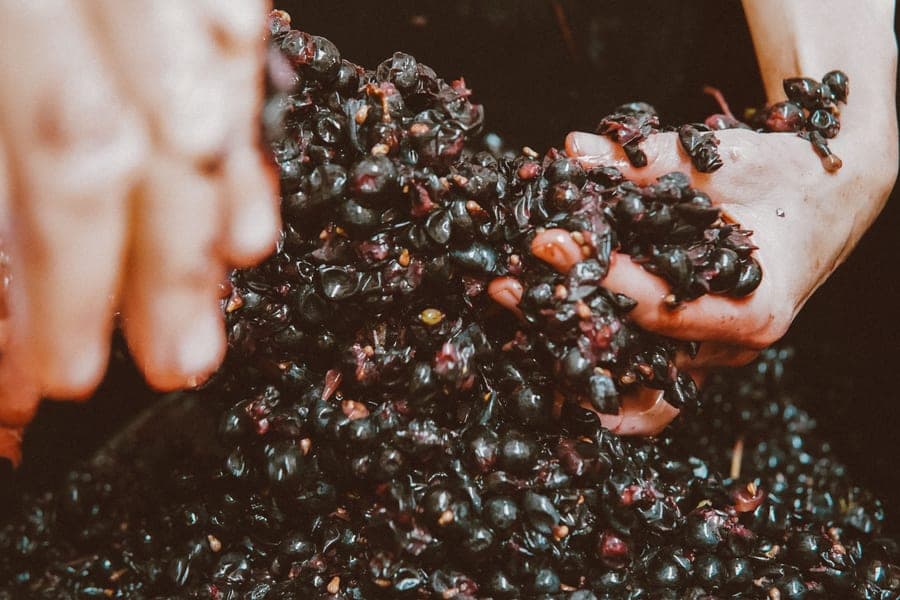
RJS Craft Winemaking Kit
RJS Craft Winemaking
Six gallons, around 30 bottles, with juice, yeast and a full additive schedule. The instructions do the thinking, which is a real advantage first time.
Spec sheet
- Batch size
- 6 gal / ~30 bottles
- Varietals
- Chardonnay, pinot noir, viognier, amarone and more
- Tiers
- Multiple tiers; juice content rises with tier
- Time
- 4-8 weeks to bottle, months to peak
- Includes
- Juice, yeast, additives, fining agents
- Equipment
- Not included -- needs a fermenter and carboy
What it is not good at
Equipment not included, and the tier matters more than the varietal on the label.
Who it is for
A predictable 30-bottle batch by following a schedule
Both need this
Entry tier
Glass Demijohn 5-6 Gallon
Various
Mead and wine both sit for months, which makes an oxygen-impermeable narrow-necked vessel the right home for both after primary.
Spec sheet
- Capacity
- 5-6 gal (smaller sizes common in Europe)
- Material
- Glass -- fully oxygen-impermeable
- Neck
- Narrow, takes a #6.5 or #7 bung
- Cleaning
- Needs a carboy brush; no wide access
- Weight
- Heavy full; use a milk-crate carrier
- Best for
- Long bulk aging where oxygen is the enemy
What it is not good at
Heavy, fragile, and you still have to keep it full.
Who it is for
The months of aging either one requires
FAQ
Questions brewers actually ask
Is mead easier to make than wine?
Simpler, not easier. Mead has four ingredients and no mash or boil, but it requires judgment about yeast nutrition that nothing on the label tells you. Wine from a kit is more complex in its additive schedule and requires almost no judgment, because the instructions specify what to add and when. For a first attempt, the kit is the lower-risk option.
Which is cheaper to make, mead or wine?
Per bottle they are comparable, but the costs sit in different places. Mead's dominant cost is honey, at two to three pounds per gallon, which is why starting at one gallon is sensible. Wine's dominant cost is the kit itself, which yields around 30 bottles. For a beer brewer who owns the equipment, both are inexpensive to try.
Can I make mead with beer yeast?
You can, and a wine or mead strain is a better choice. Beer yeasts generally have lower alcohol tolerance than mead's typical 12 to 14 percent target and are selected for flavor contributions that suit beer rather than honey. A robust wine yeast with a staggered nutrient schedule is the standard approach and gives a cleaner result.
Does mead really take a year to be drinkable?
Only if it was under-nourished. Honey lacks the nitrogen yeast needs, and a mead fermented without a staggered nutrient schedule stresses its yeast and throws fusel alcohols that genuinely do need a year to mellow. Fed properly, the same mead is pleasant at two months and good at six. The reputation is a reputation for bad nutrient practice.
What equipment do I need beyond my beer brewing gear?
Very little. Hydrometers, auto-siphons, tubing, airlocks, bungs, sanitizer and a temperature-controlled chamber all transfer unchanged. You need wine or mead yeast rather than beer strains, nutrient, fining agents, and a corker if you intend to bottle wine properly. For aging, use glass or stainless rather than the PET you might use for beer.
Read next
More on wine & mead
Guide
Your First Mead, Step by Step
A one gallon recipe with the staggered nutrient schedule that changes everything.
Roundup
The Best Mead Fermenters
Vessels for mead's long timescale, where beer vessel advice stops applying.