Guide
How to Back Sweeten Mead
Adding honey to a dry mead is the easy half. Making sure the yeast does not eat it in the bottle is the half that matters.
The short answer
To back sweeten mead safely, ferment it fully dry, rack it clear, then stabilize with potassium sorbate and potassium metabisulfite before adding honey. Sweeten in small measured increments, tasting as you go, and let the mead rest a week before bottling so the flavors marry.
DisclosureWe earn a commission on qualifying purchases made through links on this page, at no extra cost to you. It does not change what we recommend or how we rank it -- here is how we pick and here is the full disclosure.
Sweetener options for a finished mead
| Sweetener | What it adds | Notes |
|---|---|---|
| The same honey | Honey character, cleanly | The default; warm it to pour |
| A different honey | A varietal note of its own | Orange blossom, buckwheat, wildflower |
| Maple syrup | Caramel and woodiness | Use sparingly; it dominates |
| Fruit or fruit juice | Sweetness plus fruit | Also adds fermentable sugar |
| Non-fermentable sweetener | Sweetness, no risk | No stabilizing needed; tastes different |
| Stabilizers | Protection from refermenting | Sorbate plus sulfite, before sweetening |
Why back sweeten at all
Dry happens whether you want it or not
Honey is almost entirely fermentable, so a healthy yeast given enough nutrient will take a mead down to bone dry nearly every time. If you wanted a semi-sweet or sweet mead, you do not get there by hoping the yeast stops -- you get there by letting it finish and then adding honey back.
The alternative approach, trying to arrest fermentation at a target gravity, is unreliable and genuinely risky. Yeast that was slowed rather than stopped wakes up in the bottle, and a bottle of mead carbonating under a cork is a hazard, not a surprise -- first mead step by step covers getting to dry in the first place.
Step one
Confirm it is actually finished
Take hydrometer readings several days apart. Two identical readings, at a final gravity around or below 1.000, means fermentation is complete rather than stalled. A stall looks exactly like a finish on a single reading, and a stall that resumes after sweetening is the problem you are trying to prevent.
Then rack the mead off the lees into a clean vessel and let it clear. Sweetening a cloudy mead full of active yeast is the worst possible moment to do it -- how to calculate ABV has the gravity arithmetic.
Step two
Stabilize, before any honey goes in
This is the step that makes back sweetening safe, and the order matters. Add potassium sorbate and potassium metabisulfite to the clear, finished mead and give it a day or two before you sweeten.
The two do different jobs. Potassium metabisulfite releases sulfur dioxide that stuns the remaining yeast and protects the mead from oxidation. Potassium sorbate prevents the surviving yeast from reproducing, which is what stops a small residual population turning into a fermentation when you hand it fresh sugar.
Follow the dosage on the product you buy rather than a number from a forum, and use both together. Sulfite alone is routinely overcome by a healthy yeast population given fresh honey.
Step three
Sweeten in measured increments
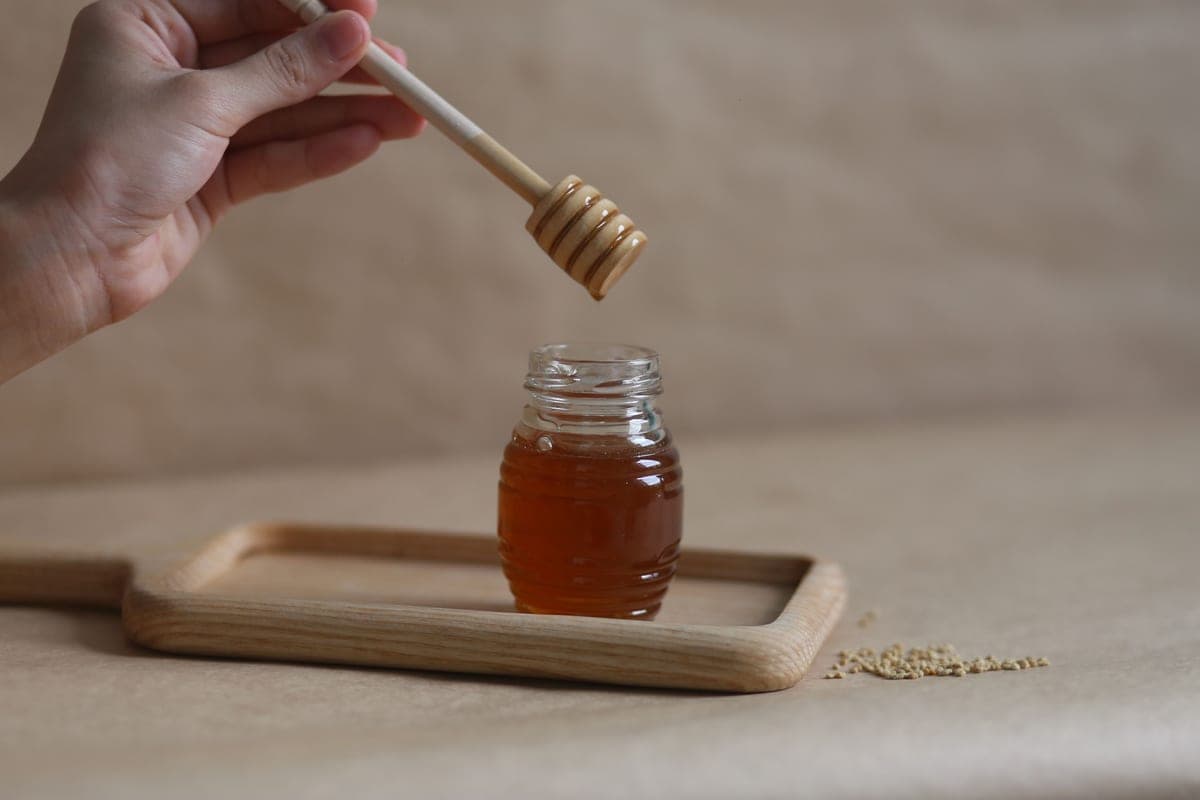
Now the enjoyable part. Warm your honey slightly so it pours and dissolves -- a jar standing in warm water is plenty, and boiling honey drives off the aromatics you are adding it for.
- Mix the honey into a small volume of the mead first to make a slurry, rather than dropping neat honey into the carboy where it sinks and sits.
- Stir the slurry in gently, keeping agitation low so you do not oxidize a finished mead.
- Taste. Then wait ten minutes and taste again -- palate fatigue sets in quickly and the second taste is the honest one.
- Repeat in small steps. You can always add more honey; removing it means blending in another batch.
Record how much you added and the gravity you ended at. That number is the recipe for next time, and it is the single most useful note a meadmaker keeps.
What to sweeten with
Honey, and the alternatives
- The same honey. The default, and the cleanest. It adds sweetness and honey character without introducing a new flavor to balance.
- A different honey. A deliberate technique: finishing a wildflower mead with orange blossom or buckwheat adds an aromatic layer that fermentation would have stripped out -- what you need to make mead.
- Fruit or juice. Sweetens and flavors at once, and turns a traditional mead into a melomel. Remember it adds fermentable sugar too, so stabilizing first matters even more.
- Non-fermentable sweeteners. Carry no refermentation risk at all, so no stabilizing is needed. They also do not taste like honey, which is usually the point of the exercise.
Step four
Rest, then bottle
Give the sweetened mead at least a week in the vessel before bottling. Freshly added honey tastes disjointed -- sweet on top of mead rather than part of it -- and a week of rest lets it integrate. Mead rewards far longer than a week, and a few months of bulk aging in glass will do more for it than anything else you can do.
Watch the airlock during that rest. Any sign of renewed activity means the stabilizing did not hold, and that mead should not go into bottles until it is still again -- mead vs wine and best mead fermenters cover the aging side.
What we recommend
The products on this page
Entry tier
Craft A Brew Mead Making Kit
Craft A Brew
A 1 gallon batch is the right size to learn back sweetening on, because a gallon lets you taste, adjust and even split the batch into sweet and dry without risking five gallons.
Spec sheet
- Batch size
- 1 gal / 3.8 L
- Vessel
- Glass carboy
- Includes
- Yeast, nutrient, airlock, siphon, sanitizer
- Honey
- Not included -- you source 2-3 lb
- Time to drinkable
- 4-8 weeks, better at 6 months
- Reusable
- Yes -- refill with your own honey
What it is not good at
Honey is not included -- you source two to three pounds yourself, which is also the point.
Who it is for
Learning the technique before scaling it up
Mid tier
Northern Brewer Mead Recipe Kit
Northern Brewer
The five gallon follow-up, with a nutrient schedule included. At this volume back sweetening is worth doing properly, because an error is five gallons of mead rather than one.
Spec sheet
- Batch size
- 5 gal / 19 L
- Styles
- Traditional, melomel and spiced options
- Includes
- Honey or honey allowance, yeast, nutrient schedule
- Equipment
- Not included -- needs a fermenter and carboy
- Time
- 6-8 weeks to bottle, 6-12 months to peak
- Best for
- A second mead once the 1 gal batch worked
What it is not good at
Equipment is not included; you need a fermenter and a carboy for bulk aging.
Who it is for
A second or third mead once the technique is familiar
Entry tier
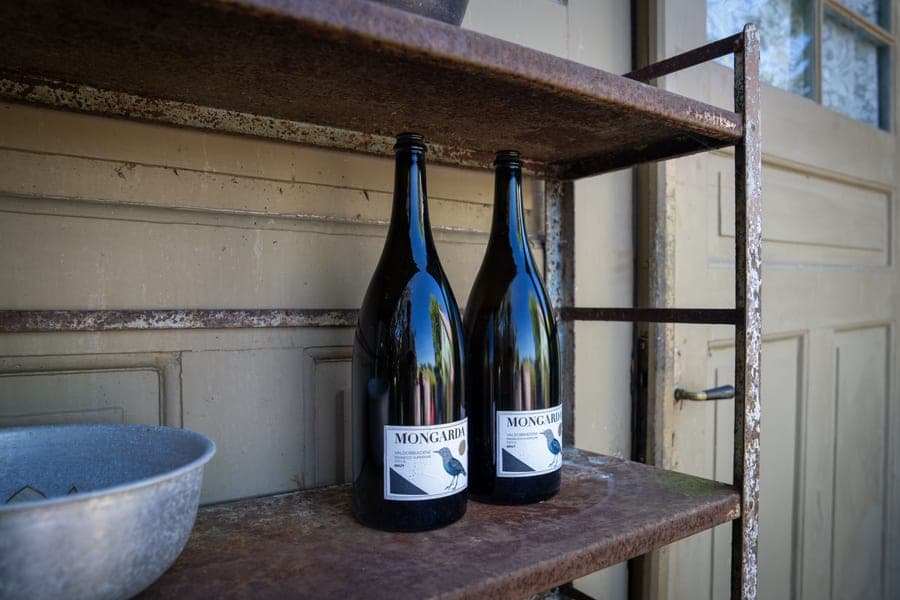
Glass Demijohn 5-6 Gallon
Various
Mead rewards bulk aging more than almost anything else you can ferment, and glass is fully oxygen-impermeable. Back sweeten in the demijohn and let it sit a week before bottling.
Spec sheet
- Capacity
- 5-6 gal (smaller sizes common in Europe)
- Material
- Glass -- fully oxygen-impermeable
- Neck
- Narrow, takes a #6.5 or #7 bung
- Cleaning
- Needs a carboy brush; no wide access
- Weight
- Heavy full; use a milk-crate carrier
- Best for
- Long bulk aging where oxygen is the enemy
What it is not good at
Heavy when full, narrow neck, and needs a carboy brush to clean.
Who it is for
Bulk aging mead and letting a sweetened batch settle
Entry tier
Five Star Star San Sanitizer
Five Star Chemicals
Back sweetening means opening a finished mead and stirring something into it. Everything that touches the mead at that point -- spoon, measuring jug, funnel -- gets sanitized first.
Spec sheet
- Type
- Acid-anionic, no-rinse
- Contact time
- 1-2 minutes
- Dilution
- 1 oz per 5 gal
What it is not good at
Foams enthusiastically. The foam is harmless.
Who it is for
Every stage, and especially this one
FAQ
Questions brewers actually ask
How do you back sweeten mead without it refermenting?
Ferment it fully dry, confirm with two matching hydrometer readings, rack it off the lees, then add potassium sorbate and potassium metabisulfite and wait a day or two. Only then add honey. Sorbate stops the remaining yeast reproducing, which is what prevents the fresh honey restarting fermentation.
How much honey do you add to back sweeten mead?
Add it in small measured increments and taste between each one rather than following a fixed figure, because perceived sweetness depends on the mead's acidity and alcohol as much as on sugar. Record the amount and the final gravity you settled on -- that is your recipe for the next batch.
Will potassium sorbate stop an active fermentation?
No. Sorbate prevents yeast from reproducing; it does not kill yeast or halt a fermentation that is already running. That is exactly why the mead has to be genuinely finished and racked clear before you stabilize, and why sorbate alone is not a way to leave residual sweetness.
Can you back sweeten mead with maple syrup or fruit?
Yes. Maple syrup adds a caramel, woody note and dominates quickly, so use it sparingly. Fruit or juice sweetens and flavors at once and turns a traditional mead into a melomel, but it also adds fermentable sugar, so stabilizing beforehand matters even more than with honey.
Should you back sweeten before or after bottling?
Always before. Sweeten in the carboy, let the mead rest at least a week so the honey integrates, and watch the airlock for any renewed activity. Adding sugar at bottling time with live yeast present is how bottles carbonate unexpectedly and burst.
Why is my back sweetened mead fizzy?
The yeast restarted. Either the mead was not truly finished when you stabilized, or the sorbate and sulfite dose was too low for the yeast population present. Move the bottles somewhere cool and safe, open them carefully, and in future stabilize only a fully dry, racked and clear mead.
Read next
More on wine & mead
Guide
Your First Mead, Step by Step
A one gallon recipe with the staggered nutrient schedule that changes everything.
Roundup
The Best Mead Fermenters
Vessels for mead's long timescale, where beer vessel advice stops applying.
Comparison
Mead vs Wine: Which to Make First
Cost, difficulty and time compared, and which suits a beer brewer first.