Comparison
Inkbird ITC-308 vs ITC-310T
Both hold a setpoint to within a degree. Only one can change that setpoint on its own while you are at work.
The short answer
Buy the ITC-308 if you ferment ales at one temperature: it holds a setpoint as accurately as anything and costs less. Buy the ITC-310T if you lager, free-rise for a diacetyl rest, or cold crash on a schedule, because its 12-step timer changes the setpoint for you without you standing there.
DisclosureWe earn a commission on qualifying purchases made through links on this page, at no extra cost to you. It does not change what we recommend or how we rank it -- here is how we pick and here is the full disclosure.
The two controllers, side by side
| ITC-308 | ITC-310T | |
|---|---|---|
| Stages | Dual -- heat and cool | Dual -- heat and cool |
| Switched outlets | 2 | 2 |
| Setpoints held at once | 1 | 1 |
| Programmed periods | None | Up to 12 |
| Changes setpoint on a timer | No | Yes |
| Compressor delay | Configurable | Configurable |
| Calibration offset | Yes | Yes |
| Probe | NTC on a 2 m lead | NTC on a lead |
| Wifi variant sold | Yes, ITC-308 Wifi | No |
| Setup time | Minutes | An evening with the manual |
| Cost | Lower | Higher |
An orange rule marks the better of the two on that row.
What is actually different
One number, held or scheduled
These two units are closer than their model numbers suggest. Both are dual-stage: one outlet switches a cooling device, the other switches a heater, and the controller decides which to energize based on what the probe reads. Both have a configurable compressor delay so a fridge is not short-cycled to death, and both let you calibrate the probe against a known-good thermometer.
The difference is what happens when the target temperature needs to change. The ITC-308 holds whatever number you set until you set a different one. The ITC-310T holds a sequence of numbers: up to twelve periods, each with its own setpoint and its own duration, run one after the other.
So the question is not which controller is more accurate. It is whether your fermentations ask for more than one temperature.
When the schedule pays
Three fermentations that want a timer
- Lagers. A lager ferments cold, then free-rises for a diacetyl rest, then drops to lagering temperature. Done on the 308 that is three manual changes spread across two weeks, each on a day you might be away. Programmed on the 310T it is one setup and then nothing -- how to pressure ferment a lager walks the schedule itself.
- Timed cold crashes. Dropping a finished beer to 34°F for forty-eight hours and then holding it at serving temperature is two setpoint changes at awkward hours. One program step handles it.
- Ramped ale fermentations. Pitching at 64°F and letting the beer climb to 70°F over three days is a real technique for clean ester profiles and full attenuation. On the 308 it is a dial you nudge daily and usually forget.
What neither one fixes
Probe placement beats model choice
A controller measures where you put its probe, and nothing else. Taped to the fermenter wall under a square of insulation, either unit reads the beer and controls the beer. Dangling in the air of the chamber, either unit reads the air, which during active fermentation is several degrees cooler than the beer it is supposed to be managing.
That one decision outweighs the difference between these two models by a wide margin. A calibrated ITC-308 on the vessel wall will out-control a programmed ITC-310T measuring air every time, which is worth knowing before you spend the upgrade money. The same rule applies to a glycol setup with a thermowell -- glycol chiller installation makes the point again.
Both also need something to switch. The controller is a brain with two relays; a fermentation chamber on the cooling outlet and a wrap heater on the heating outlet are what make it do anything at all.
The wifi wrinkle
A reason to stay on the 308
Inkbird sells a wifi version of the ITC-308 and does not sell one of the ITC-310T. For a brewer whose chamber lives in a garage, remote monitoring and a high-temperature alert on your phone can be worth more than a twelve-step program -- a failed compressor you find out about at midnight is a saved batch, and one you find out about on Saturday is not.
It is a genuine fork: schedule automation on one side, remote visibility on the other, and no single Inkbird unit that does both. Brewers who want both usually run the plain 310T for the schedule and add a Bluetooth hydrometer for the monitoring, which also logs gravity.
Running two vessels
Why the answer is two controllers
Neither model controls two vessels independently. Each has one probe and one pair of outlets, so a lager at 50°F and an ale at 68°F need two controllers and two cooling devices regardless of which model you pick. People buy the 310T expecting its twelve periods to mean twelve zones; they mean twelve periods in time, on one zone.
If running several setpoints at once is the actual requirement, the upgrade is a glycol loop with a controller and solenoid per vessel, not a fancier plug-in thermostat -- glycol chiller vs fermentation fridge weighs that properly.
Our verdict
Which one should you buy?
Buy the ITC-308 if
Inkbird ITC-308 Dual-Stage Temperature Controller
- You ferment ales at one setpoint
- This is your first chamber build
- You want the wifi variant for remote alerts
- You would rather spend the difference on the freezer
Buy the ITC-310T if
Inkbird ITC-310T Programmable Controller
- You brew lagers and want the rest and lagering steps automated
- You cold crash on a timer
- You ramp ale temperatures deliberately
- You are away from the chamber for days at a time
What we recommend
The products on this page
Best for most brewers
Entry tier
Inkbird ITC-308 Dual-Stage Temperature Controller
Inkbird
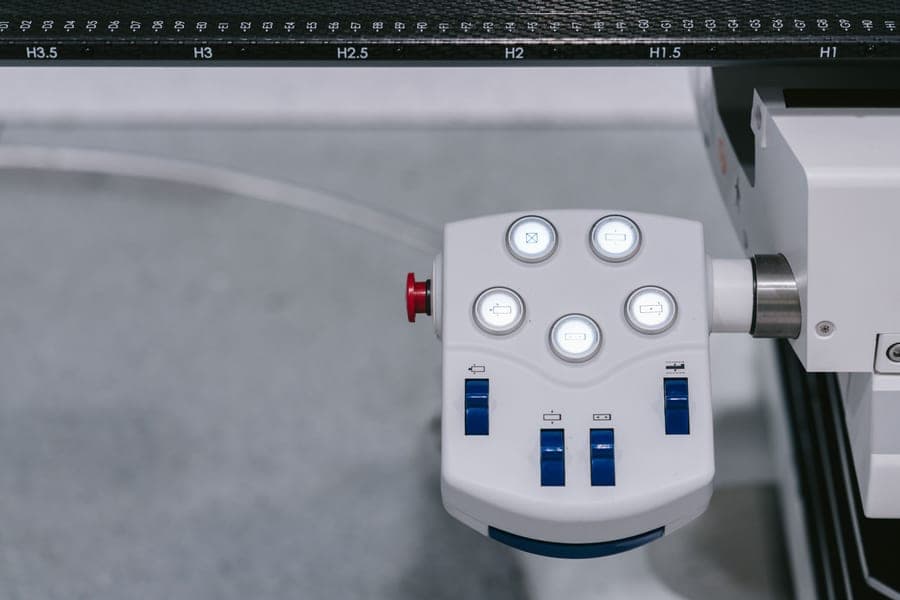
Two switched outlets, one heating and one cooling, a configurable compressor delay and a user calibration offset. That is the whole job for a brewer fermenting at 66 degrees and it does it as accurately as the more expensive unit.
Spec sheet
- Stages
- Dual -- one heating and one cooling outlet
- Outlet rating
- ~1100W per outlet
- Probe
- NTC sensor on a 2 m lead
- Calibration
- User offset
- Compressor delay
- Configurable
- Wifi version
- ITC-308 Wifi sold separately
What it is not good at
One setpoint at a time. Every temperature change in a schedule is a trip to the chamber to turn a dial.
Who it is for
Ales held at a single setpoint, and any first chamber build
Best for lagering and crash schedules
Mid tier
Inkbird ITC-310T Programmable Controller
Inkbird
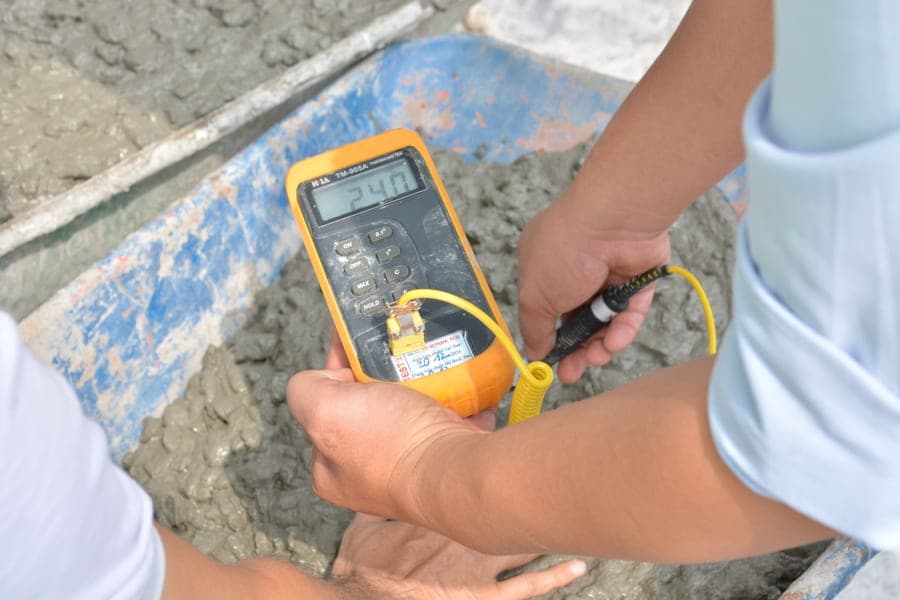
Up to twelve programmed periods, each with its own setpoint and duration, running in sequence. Program the lager ramp once and the controller walks the beer from 50 degrees to a rest to a crash without you touching it.
Spec sheet
- Stages
- Dual, time-programmable
- Steps
- Up to 12 programmed periods
- Use
- Ramped rest and cold crash
What it is not good at
Costs more and the programming interface is fiddly. If you only ever ferment ales at one temperature you are paying for a feature you will never arm.
Who it is for
Lagers, diacetyl rests, timed cold crashes, step programs
What either controller plugs into
Mid tier
Chest Freezer Fermentation Chamber (with controller)
Chest freezer + Inkbird
Neither controller cools anything by itself. A chest freezer on the cooling outlet is what turns either one into actual fermentation control, and it is the cheapest cooling per degree a homebrewer can buy.
Spec sheet
- Approach
- Chest freezer with an external dual-stage controller
- Capacity
- 5-7 cu ft fits one or two 5 gal fermenters
- Range
- Lager temps through a 32 F cold crash
- Heat side
- Pair with a wrap heater for winter ale temps
- Energy
- Cheapest running cost per degree of any method
- Limitation
- Vessel height is the binding constraint
What it is not good at
Vessel height is the binding constraint, and one chamber holds one temperature for everything inside it.
Who it is for
Any brewer who wants real temperature control at the lowest cost
The heat side of either controller
Entry tier
FermWrap Fermenter Heater
FermWrap
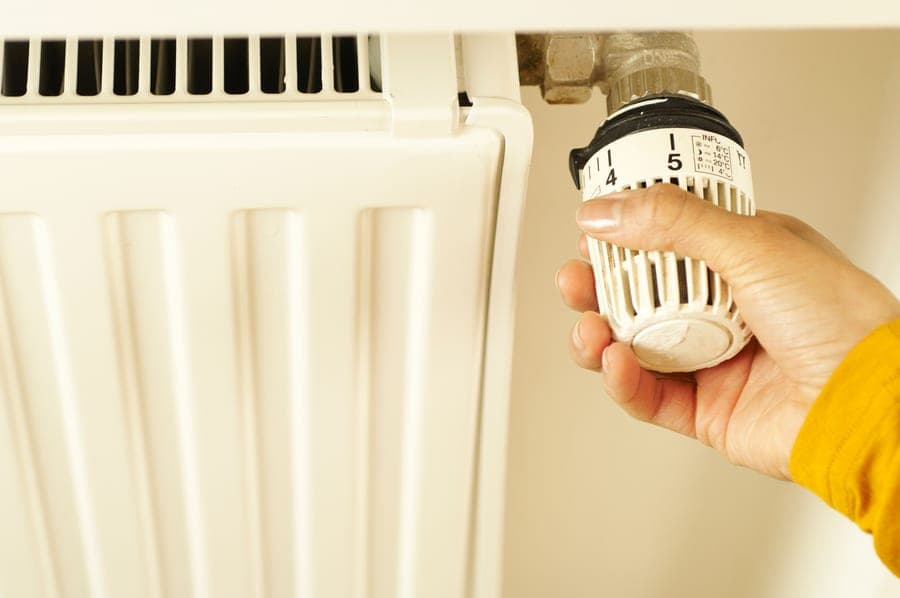
A 40W wrap on the heating outlet is what makes a dual-stage controller dual-stage. Without it you own a thermostat that can only ever cool.
Spec sheet
- Type
- Flexible wrap heater
- Power
- ~40W
- Pairs with
- Dual-stage controller
What it is not good at
Heats the vessel wall it touches, so it needs insulation around the chamber to be efficient.
Who it is for
Garage and basement fermentation below ale temperatures
FAQ
Questions brewers actually ask
What is the difference between the Inkbird ITC-308 and the ITC-310T?
Both are dual-stage controllers with one heating and one cooling outlet, and both hold a setpoint within about a degree. The ITC-310T adds a timer: up to twelve programmed periods, each with its own setpoint and duration, run in sequence. The ITC-308 holds one setpoint until you change it by hand.
Is the ITC-310T worth the extra money?
It is if you lager, cold crash on a schedule, or ramp fermentation temperature deliberately, because the controller makes those changes for you on days you are not home. If you ferment ales at a single temperature and leave them alone, the twelve-step program will never get used and the ITC-308 is the better buy.
Can the ITC-310T control two fermenters at different temperatures?
No. It has one probe and one pair of outlets, so it manages one zone. Its twelve periods are steps in time, not separate vessels. Two setpoints at once means two controllers and two cooling devices, or a glycol loop with a solenoid per vessel.
Does the ITC-310T come in a wifi version?
No. Inkbird sells a wifi variant of the ITC-308 but not of the ITC-310T, so you choose between schedule automation and remote monitoring. Brewers who want both usually run the plain 310T for the schedule and add a Bluetooth hydrometer for visibility, which logs gravity at the same time.
Where should the temperature probe go?
Taped to the fermenter wall with a square of foam insulation over it, so it reads the beer rather than the air. Hanging in the chamber air it will read several degrees cooler than the fermenting beer, and the controller will under-cool the batch. Probe placement matters more than the difference between these two models.
Do I need a heater as well as a fridge?
If your chamber lives anywhere that drops below your fermentation temperature -- a garage, a basement, a cold laundry room -- yes. A 40W wrap heater on the heating outlet is what makes a dual-stage controller dual-stage. Without it, both of these units can only ever cool.
Sources
Read next
More on temperature control
Roundup
Inkbird ITC-308 Alternatives
Temperature controllers that replace an Inkbird ITC-308, compared on stages, relay rating, wiring and build.
Roundup
The Best Fermentation Temperature Controllers
Dual-stage controllers compared, with the probe-placement rule that matters most.

Guide
Fermentation Temperature Control
Target temperatures, probe placement and the first 48 hours that decide flavor.
Guide
DIY Fermentation Chamber Build
The build, the settings, and the condensation and airflow details.
Roundup
The Best Fermentation Chambers
Chest freezer, upright fridge or build -- compared on height and running cost.