Roundup
The Best Digital Hydrometers
A floating sensor that reports gravity and temperature every few minutes, without opening the fermenter. The upgrade that tells you what fermentation is actually doing.
The short answer
The standard Tilt is the digital hydrometer most homebrewers should buy: 0.990 to 1.120 gravity range, plus or minus 0.002 accuracy, a 12 to 24 month battery and a free app, in a device sized for carboys and buckets. Step up to the Tilt Pro for 0.0001 resolution and a 3 to 5 year battery, or the Pro Mini if your fermenter has a 1.5 inch tri-clamp port.
DisclosureWe earn a commission on qualifying purchases made through links on this page, at no extra cost to you. It does not change what we recommend or how we rank it -- here is how we pick and here is the full disclosure.
At a glance
Quick picks
| # | Product | Best for | Price |
|---|---|---|---|
| 1 | Best overall Tilt Bluetooth Hydrometer and Thermometer The device that created this category and still the sensible default. 0.990 to 1.120 gravity range, plus or minus 0.002 accuracy, plus or minus 1 F on temperature, Bluetooth 4.0 to a free app, and a pre-installed battery rated for 12 to 24 months. Eight colors so several batches can log at once without confusion. | Glass carboys, plastic buckets and most homebrew fermenters | |
| 2 | 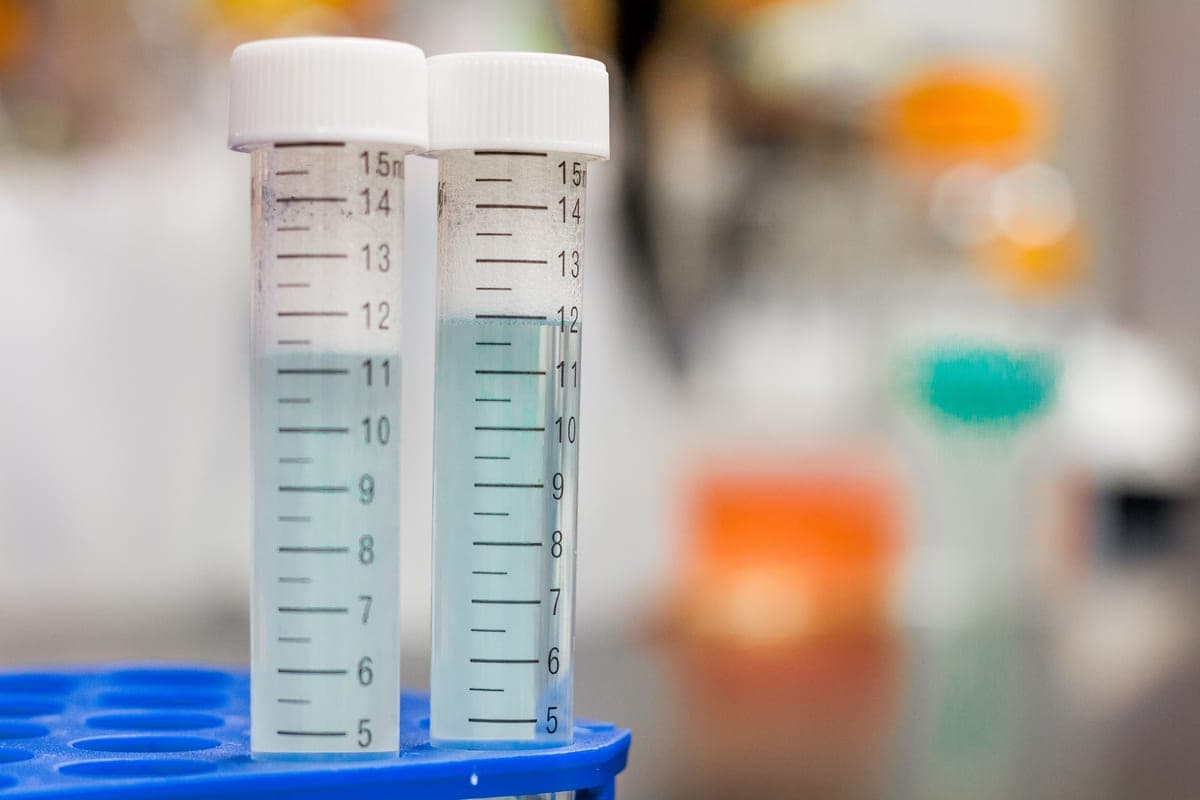 Best for stainless fermenters Tilt Pro Wireless Hydrometer and Thermometer A larger body -- 1.7 inches by 5.4 inches -- carrying two AA lithium cells rated at 3 to 5 years, 0.0001 gravity resolution, 0.1 degree temperature resolution, and Bluetooth 5 LE with the transmit power the bigger case allows. The extra mass also settles more steadily at high krausen, which is where cheap floating sensors get noisy. | Brewers running stainless conicals or unitanks who want years between batteries | |
| 3 | 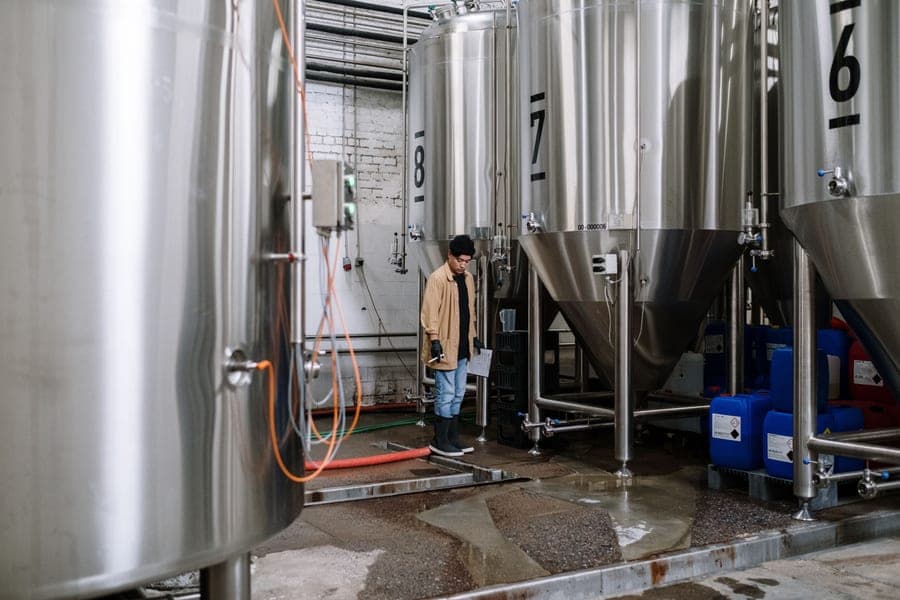 Best for conicals with a tri-clamp port Tilt Pro Mini Hydrometer and Thermometer 1.13 inches by 4.51 inches, which is the specification that matters: it passes through a 1.5 inch tri-clamp drain port, so you can get it in and out of a sealed stainless vessel without pulling the lid. Same 0.0001 resolution as the Pro, and up to eight devices can broadcast at once. | Anyone whose fermenter is loaded and unloaded through a 1.5 inch dump port |
Prices are checked on Amazon when you click. We never print a number we cannot verify.
What to check on a digital hydrometer
| Spec | Why it matters | What to want |
|---|---|---|
| Accuracy | Resolution is not accuracy | +/- 0.002 SG is the current class standard |
| Gravity range | Big beers and meads start high | 0.990 to 1.120 covers almost everything |
| Battery | A dead sensor mid-ferment is useless | 12 months minimum, user-replaceable if possible |
| Signal path | Stainless blocks Bluetooth | A larger body, or a bridge outside the vessel |
| Physical size | It has to get in and out | Measure your port before you buy |
| App and logging | The graph is the point | Free app, cloud or spreadsheet export |
| US availability | Several rivals are hard to buy here | A model a US retailer actually stocks |
What it changes
The graph, not the number
A glass hydrometer tells you where gravity is today. A digital hydrometer tells you what fermentation is doing -- the steepness of the drop, the hour activity started, the plateau that means attenuation has finished rather than stalled, and the temperature rise the yeast caused while doing it. You get that without opening the fermenter, which is the other half of the value: every sample you pull is a dose of oxygen and an opportunity for infection.
Three practical things fall out of having the curve. You stop guessing when to raise the temperature for a diacetyl rest, because you can see the last third of attenuation arriving. You stop cold crashing a beer that has not finished. And you can tell a genuinely stuck fermentation from a slow one on the first day it matters, instead of three days later when you finally pull a sample.
It pairs with control rather than replacing it. A dual-stage controller decides the temperature; the hydrometer tells you what the yeast did with it. The pairing is what makes a lager fermentation schedule something you execute rather than estimate.
Accuracy
Resolution is not accuracy, and the difference costs money
Every Tilt model publishes the same accuracy figure: plus or minus 0.002 SG within the factory calibrated range. The Pro and Pro Mini publish a resolution of 0.0001, which is how finely the device reports -- not how close to true that report is. Resolution makes the curve smooth and the trend legible. It does not make your final gravity reading more correct.
Plus or minus 0.002 is fine for the job these do. On a beer finishing at 1.012 it is the difference between 1.010 and 1.014, which changes a calculated ABV by roughly half a percent. For deciding that fermentation has finished, that is immaterial. For a competition entry or a recipe you are documenting carefully, confirm the final number with a calibrated glass hydrometer or a refractometer correction -- which is the honest argument in hydrometer vs refractometer, and the reason how to calculate ABV still starts with a good gravity reading.
Signal
Stainless is the problem nobody mentions before you buy
Bluetooth does not travel well through a steel wall. In a glass carboy or a plastic bucket the standard Tilt is reliable at normal room distances. Put the same device inside a stainless conical, close the lid, and the signal has to get out through metal -- then usually through a fridge or freezer wall as well. This is the single most common disappointment with cheap floating hydrometers, and it is physics rather than a defect.
There are two answers. The first is a bigger transmitter, which is part of what the Tilt Pro's larger body buys. The second is to shorten the path: put a phone, tablet or Raspberry Pi running the logging software right next to the fermentation chamber, rather than relying on reaching a device across the house. If your vessel is stainless and your chamber is a chest freezer, plan for a receiver on top of the freezer.
Fit
Measure the opening before you measure the beer
A floating hydrometer has to get into the vessel and back out of it. On a bucket or a wide-mouth fermenter that is trivial. On a sealed stainless conical it is the whole decision: the usual way out is the 1.5 inch tri-clamp dump port at the bottom, and only a device narrow enough to pass it can leave without the lid coming off.
- Standard Tilt and Tilt Pro: fine through a carboy neck or a wide lid. The Pro is 1.7 inches across and 5.4 inches long, so it needs depth and will not pass a 1.5 inch port.
- Tilt Pro Mini: 1.13 inches across and 4.51 inches long, specified to pass a 1.5 inch tri-clamp drain port. This is why it exists.
- Under pressure: if you ferment under pressure, remember that retrieving the device means depressurizing the vessel first. Plan the sequence into your pressure fermentation routine rather than improvising it at cold crash.
Why this list is mostly one brand
The honest state of the US market
It would be a better article if we could line up four manufacturers. We checked, and here is what we found when we looked on 24 October 2026 for devices a US buyer can actually receive.
RAPT Pill (KegLand). Technically the most interesting rival -- wifi as well as Bluetooth, which solves the stainless problem differently by letting the device reach a router instead of a phone. US retail availability has been poor, we could not find it stocked at the US homebrew retailers we check, and we will not feature a product we cannot point you to. Worth revisiting if a US distributor picks it up.
iSpindel. An open-source DIY floating hydrometer with a genuine following. It is a project, not a product: you source a board, a sensor and a tube and build it. If that appeals, it is the cheapest route to a gravity curve by some distance. It is not a purchase we can responsibly rank alongside finished hardware.
BrewBrain Float. A wifi hydrometer that is well distributed in Europe and thinly distributed here. Same conclusion as the Pill: real product, hard to buy in the US today.
Plaato Airlock. Discontinued. It measured fermentation activity through the airlock rather than gravity directly, and support has been removed from the brewing apps that integrated it. Do not buy one second hand expecting a working ecosystem.
So the list is Tilt, in three sizes, because that is what is on the shelf. We would rather say that plainly than pad a roundup with hardware you would have to import.
Do you need one
The case against, briefly
A digital hydrometer does not improve your beer by itself. Nothing it reports changes the wort, and a brewer with a $7 glass hydrometer and good temperature control will out-brew a brewer with a $250 sensor and a fermenter in a swinging garage every time. If your fermentation temperature is still uncontrolled, buy the controller and the chamber first -- fermentation temperature control is the higher-return purchase and it is not close.
Where these earn their place is in the next tier: pressure fermentation where opening the vessel is expensive, lagers where the schedule depends on knowing attenuation, and anyone running several batches at once. That is also the point at which the alternative -- pulling samples -- starts costing you real beer and real oxygen exposure.
How we picked
The basis for these
Selected from the manufacturer’s published specifications for accuracy, resolution, battery and dimensions, and from current US retail listings checked on 24 October 2026 -- all three picks were listed in stock at a US homebrew retailer when this was written. We have not run all three in the same fermenter against a calibrated lab reference, and do not claim to. See how we pick.
The picks, in order
Every pick in detail
#1
Best overall
Mid tier
Tilt Bluetooth Hydrometer and Thermometer
Tilt
The device that created this category and still the sensible default. 0.990 to 1.120 gravity range, plus or minus 0.002 accuracy, plus or minus 1 F on temperature, Bluetooth 4.0 to a free app, and a pre-installed battery rated for 12 to 24 months. Eight colors so several batches can log at once without confusion.
Spec sheet
- Measures
- Specific gravity and temperature
- Method
- Floating inclinometer
- Link
- Bluetooth LE
- Logging
- Phone app, cloud, Google Sheets
- Battery
- User-replaceable coin cell
- Pro version
- Tilt Pro adds resolution and a longer body
What it is not good at
The battery is not designed for casual replacement, so a dead Tilt is closer to a consumable than a repair. Signal through a thick stainless wall is the weak point, and it is intended for glass and plastic vessels rather than metal ones.
Who it is for
Glass carboys, plastic buckets and most homebrew fermenters
#2
Best for stainless fermenters
Prosumer tier
Tilt Pro Wireless Hydrometer and Thermometer
Tilt
A larger body -- 1.7 inches by 5.4 inches -- carrying two AA lithium cells rated at 3 to 5 years, 0.0001 gravity resolution, 0.1 degree temperature resolution, and Bluetooth 5 LE with the transmit power the bigger case allows. The extra mass also settles more steadily at high krausen, which is where cheap floating sensors get noisy.
Spec sheet
- Gravity resolution
- 0.0001 SG
- Gravity accuracy
- +/- 0.002 within the factory calibrated range
- Temperature
- +/- 1 F (0.5 C), 0.1 degree resolution
- Battery
- Two user-replaceable 1.5V AA lithium cells, 3-5 years
- Dimensions
- 1.7 in (43 mm) diameter x 5.4 in (140 mm) tall
- Link
- Bluetooth 5 LE; Tilt app, Tilt Pi, Tilt Pico
What it is not good at
It is nearly twice the price of a standard Tilt, and the accuracy specification is still plus or minus 0.002 -- the extra digits are resolution, not a more accurate reading. The length means it needs a vessel with real depth, and it will not pass through a 1.5 inch port.
Who it is for
Brewers running stainless conicals or unitanks who want years between batteries
#3
Best for conicals with a tri-clamp port
Prosumer tier
Tilt Pro Mini Hydrometer and Thermometer
Tilt
1.13 inches by 4.51 inches, which is the specification that matters: it passes through a 1.5 inch tri-clamp drain port, so you can get it in and out of a sealed stainless vessel without pulling the lid. Same 0.0001 resolution as the Pro, and up to eight devices can broadcast at once.
Spec sheet
- Gravity resolution
- 0.0001 SG
- Gravity accuracy
- +/- 0.002 within the factory calibrated range
- Temperature
- +/- 1 F (0.5 C)
- Battery
- One user-replaceable CR123A lithium cell, 1-2 years
- Dimensions
- 1.13 in (29 mm) diameter x 4.51 in (115 mm) tall
- Port
- Passes through a 1.5 in tri-clamp drain port
- Link
- Bluetooth LE, up to 8 devices at once
What it is not good at
The CR123A cell is rated 1 to 2 years rather than the Pro's 3 to 5, so you trade battery life for the smaller body. It costs more than a standard Tilt while giving no accuracy gain, and if your fermenter is a bucket you are paying for a constraint you do not have.
Who it is for
Anyone whose fermenter is loaded and unloaded through a 1.5 inch dump port
FAQ
Questions brewers actually ask
How accurate is a digital hydrometer?
The current class standard, and the figure Tilt publishes for all three of its brewing models, is plus or minus 0.002 specific gravity. That is accurate enough to tell you fermentation has finished and to track the shape of the curve, but on a beer finishing near 1.012 it is roughly half a percent of calculated ABV either way. Confirm a number that matters with a calibrated glass hydrometer.
What is the difference between the Tilt and the Tilt Pro?
Size, battery and resolution -- not accuracy. The Pro is larger at 1.7 by 5.4 inches, runs two AA lithium cells rated 3 to 5 years instead of a 12 to 24 month cell, and reports to 0.0001 SG resolution. Both are specified at plus or minus 0.002 accuracy. The Pro's larger body also transmits better out of a stainless vessel.
Will a digital hydrometer work in a stainless fermenter?
With planning. Bluetooth does not pass through steel easily, so the standard Tilt is aimed at glass and plastic vessels. For stainless, either use a larger-bodied device such as the Tilt Pro or shorten the path by putting the receiving phone, tablet or Raspberry Pi right next to the fermenter rather than across the house.
Which digital hydrometer fits through a tri-clamp port?
The Tilt Pro Mini, at 1.13 inches diameter by 4.51 inches tall, is specified to pass through a 1.5 inch tri-clamp drain port. The standard Tilt and the full-size Pro are too large for that, which means retrieving them from a sealed conical involves opening the lid.
Can I use a digital hydrometer for mead and wine?
Yes, within the range. The Tilt reads 0.990 to 1.120, which covers most mead and wine musts as well as big beers, and it keeps reporting below 1.000 as a dry ferment finishes. Honey musts are the place to be most careful about calibration drift, so check the device in water before pitching.
Is a digital hydrometer worth it?
It is worth it once temperature is already under control. The gravity curve tells you when attenuation has genuinely finished, when a ferment is stalling and when to warm a lager for its rest, all without opening the vessel and adding oxygen. If your fermentation temperature still swings with the room, a controller and a chamber will improve your beer far more for less money.
Sources
- Tilt Hydrometer published specifications: range, accuracy, battery and colors
- Tilt Pro published specifications: resolution, battery, dimensions and Bluetooth 5
- Tilt Pro Mini published specifications: dimensions and 1.5 in tri-clamp port fit
- US retail availability and current pricing for the Tilt range (Adventures in Homebrewing)
- Plaato device support removed from Brewfather (Brewfather documentation)
Read next
More on temperature control
Review
Tilt Hydrometer Review
Continuous gravity logging reviewed -- what it tells you and what it does not.
Guide
Hydrometer vs Refractometer
Sample size against accuracy, plus the alcohol correction problem explained.
Guide
How to Calculate ABV From Your Gravity Readings
The ABV formula, which multiplier to use, and the refractometer correction people forget.
Roundup
The Best Fermentation Temperature Controllers
Dual-stage controllers compared, with the probe-placement rule that matters most.
Guide
Fermentation Temperature Control
Target temperatures, probe placement and the first 48 hours that decide flavor.

Roundup
The Best Glycol Chillers for Homebrewing
Glycol chillers sized for homebrewing, and when a freezer is the better buy.