Roundup
The Best Fermentation Heaters for Cold-Weather Brewing
Cooling gets all the attention, but most homebrewers lose more batches to a cold garage in January than to a warm one in July.
The short answer
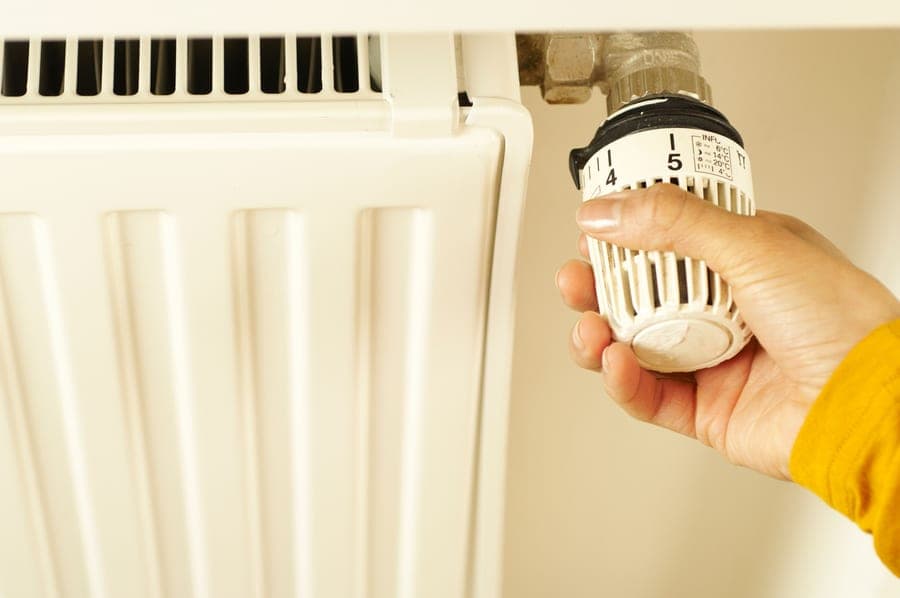
A FermWrap heater on the fermenter plus a dual-stage Inkbird ITC-308 controlling it is the best fermentation heating setup for most homebrewers: around 40W applied directly to the vessel wall, switched by a probe reading the beer rather than the air. Heat the vessel, not the room, and always control it with a thermostat.
DisclosureWe earn a commission on qualifying purchases made through links on this page, at no extra cost to you. It does not change what we recommend or how we rank it -- here is how we pick and here is the full disclosure.
At a glance
Quick picks
| # | Product | Best for | Price |
|---|---|---|---|
| 1 | Best overall FermWrap Fermenter Heater A flexible wrap heater of around 40W that goes directly against the fermenter wall, so the heat goes into the beer rather than into the room. Low wattage means it cannot cook the yeast if the controller sticks on briefly. | Holding ale temperatures in a cold garage or basement | |
| 2 | 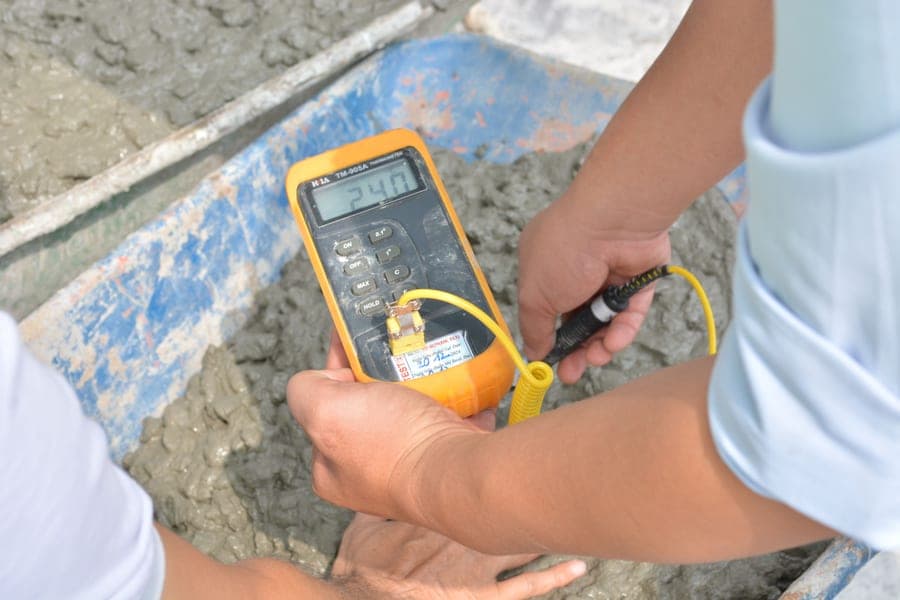 The part that makes it work Inkbird ITC-308 Dual-Stage Temperature Controller Dual-stage control with separate heating and cooling outlets rated around 1100W each, plus a probe on a 2 m lead and a user calibration offset. This is what turns a heater into temperature control. | Any heating setup at all | |
| 3 |  Best for programmed ramps Inkbird ITC-310T Programmable Controller Dual-stage with up to twelve time-programmable periods, which is what you want for a scheduled ramp from fermentation temperature to a diacetyl rest and down to a crash without touching it. | Lager schedules and ramped diacetyl rests | |
| 4 |  The full-year answer Chest Freezer Fermentation Chamber (with controller) A 5 to 7 cubic foot chest freezer with a dual-stage controller, with a wrap heater inside for the heat side. One enclosure that holds 48 F for a lager and 66 F for an ale with the same hardware. | Brewers who need heating in winter and cooling in summer |
Prices are checked on Amazon when you click. We never print a number we cannot verify.
Heating options by ambient temperature
| Ambient | What you need | Why |
|---|---|---|
| 60-66 F | Nothing, or a wrap on standby | Fermentation makes its own heat |
| 50-60 F | Wrap heater + dual-stage controller | Small deficit, direct heat covers it |
| 40-50 F | Wrap + controller + insulated enclosure | The enclosure stops you fighting the room |
| Below 40 F | Insulated chamber + wrap + controller | Heat loss exceeds what a wrap can replace |
The overlooked half
Fermentation is exothermic, until it is not
Active fermentation generates real heat. A 5 gallon batch in vigorous primary can sit several degrees above ambient on its own, which is why summer advice is all about cooling. What that fact conceals is the second half of the fermentation: once the yeast slows, the heat stops, and the beer falls to whatever the room is.
In a 45 F garage that means a beer that started at 66 F and fermented happily for three days drifts down into the fifties exactly when the yeast still has work to do. Attenuation stalls, diacetyl does not get cleaned up, and the beer finishes sweet with a buttery edge. The homebrewer blames the yeast.
Heating is the fix, and it is cheap -- substantially cheaper than cooling, because you are adding energy rather than moving it. Forty watts applied to a vessel wall under a controller solves the whole problem for the price of a few recipe kits. The broader mechanism is in fermentation temperature control.
Rule one
Heat the vessel, not the room
The instinct is to put a space heater in the garage. It is the wrong answer for three reasons: a garage has enormous heat loss so you are heating the outdoors, space heaters draw hundreds or thousands of watts to do it, and the air temperature swings widely between cycles so the beer never sits still.
A wrap heater against the fermenter wall does the opposite. The heat goes into roughly twenty liters of liquid with high thermal mass, which smooths the swings out to almost nothing, and 40W is enough because you are only replacing the heat leaving one vessel rather than one building.
Low wattage is also a safety feature. A 40W wrap cannot cook a batch even if the controller sticks on for an hour. A 1500W space heater pointed at a carboy absolutely can.
Rule two
A heater without a thermostat is not temperature control
This is where most cold-weather setups fail. A wrap heater plugged directly into the wall runs continuously and will take a fermenter well past its setpoint -- not because 40W is a lot, but because there is nothing telling it to stop. The result is a fermentation running warmer than you intended, with the ester profile to prove it.
A dual-stage controller fixes it by switching the heater on only when the probe reads below setpoint. Dual-stage matters because it also gives you a cooling outlet, so the same hardware handles a July ale and a January one. A single-stage heating controller works in winter and is useless in summer, for very little saving.
Probe placement is the detail that decides whether any of this works. Tape the probe to the vessel wall, then put the insulation over the top of it. That reads something close to beer temperature. A probe hanging in the air reads the garage, which is the thing you are trying not to control. A thermowell is better still, and the ITC-308 review covers the calibration offset worth setting.
Rule three
Below 40 F, use an enclosure
There is a point at which direct heating stops being enough. If the ambient is 38 F and you want 66 F, the vessel is losing heat across a 28 degree gradient continuously, and 40W cannot keep up no matter how well you insulate.
The answer is an enclosure rather than a bigger heater. A chest freezer that is not running, or an old fridge, or a purpose-built insulated box, turns the 28 degree gradient into a much smaller one because the air immediately around the vessel is itself warm. The wrap then only has to heat the inside of the box.
- A chest freezer works both ways. With a dual-stage controller it cools in summer and holds heat in winter, which is why it is the single most useful piece of temperature control hardware a homebrewer can own.
- A purpose-built box is cheaper. If you only need heating, insulated panels and a wrap do the job for very little. The build details are in DIY fermentation chamber.
- Do not use a heat lamp or a bulb in a sealed box. It is a fire risk and the heat is radiant and uneven. A wrap or a low wattage pad is the right tool.
How we picked
The basis for these
Selected on published manufacturer specifications for wattage, outlet ratings, probe type and programmability, plus long-standing homebrew practice on probe placement and vessel insulation. The ambient thresholds in the table are practical guidance derived from the physics of a fixed-wattage heater against a widening temperature gradient, not measurements from our own instrumented garage. See how we pick.
The picks, in order
Every pick in detail
#1
Best overall
Entry tier
FermWrap Fermenter Heater
FermWrap
A flexible wrap heater of around 40W that goes directly against the fermenter wall, so the heat goes into the beer rather than into the room. Low wattage means it cannot cook the yeast if the controller sticks on briefly.
Spec sheet
- Type
- Flexible wrap heater
- Power
- ~40W
- Pairs with
- Dual-stage controller
What it is not good at
Must be paired with a controller -- a wrap left permanently on will overshoot. Not enough on its own to heat a large chamber from very cold ambient.
Who it is for
Holding ale temperatures in a cold garage or basement
#2
The part that makes it work
Entry tier
Inkbird ITC-308 Dual-Stage Temperature Controller
Inkbird
Dual-stage control with separate heating and cooling outlets rated around 1100W each, plus a probe on a 2 m lead and a user calibration offset. This is what turns a heater into temperature control.
Spec sheet
- Stages
- Dual -- one heating and one cooling outlet
- Outlet rating
- ~1100W per outlet
- Probe
- NTC sensor on a 2 m lead
- Calibration
- User offset
- Compressor delay
- Configurable
- Wifi version
- ITC-308 Wifi sold separately
What it is not good at
The probe must be taped to the vessel wall under insulation, not left dangling in the air, or you are controlling the garage instead of the beer.
Who it is for
Any heating setup at all
#3
Best for programmed ramps
Mid tier
Inkbird ITC-310T Programmable Controller
Inkbird
Dual-stage with up to twelve time-programmable periods, which is what you want for a scheduled ramp from fermentation temperature to a diacetyl rest and down to a crash without touching it.
Spec sheet
- Stages
- Dual, time-programmable
- Steps
- Up to 12 programmed periods
- Use
- Ramped rest and cold crash
What it is not good at
More complex to set up than a single setpoint, and overkill if you only ever ferment ales at one temperature.
Who it is for
Lager schedules and ramped diacetyl rests
#4
The full-year answer
Mid tier
Chest Freezer Fermentation Chamber (with controller)
Chest freezer + Inkbird
A 5 to 7 cubic foot chest freezer with a dual-stage controller, with a wrap heater inside for the heat side. One enclosure that holds 48 F for a lager and 66 F for an ale with the same hardware.
Spec sheet
- Approach
- Chest freezer with an external dual-stage controller
- Capacity
- 5-7 cu ft fits one or two 5 gal fermenters
- Range
- Lager temps through a 32 F cold crash
- Heat side
- Pair with a wrap heater for winter ale temps
- Energy
- Cheapest running cost per degree of any method
- Limitation
- Vessel height is the binding constraint
What it is not good at
Vessel height is the binding constraint, and the enclosure holds one temperature for everything inside it.
Who it is for
Brewers who need heating in winter and cooling in summer
FAQ
Questions brewers actually ask
Do I need a fermentation heater?
If your fermentation space drops below about 60 F you probably do. Active fermentation makes its own heat for the first few days, but once the yeast slows the beer falls to ambient, and a stall at that point leaves the beer under-attenuated with diacetyl that never gets cleaned up. Heating is much cheaper than cooling.
Can I use a space heater to warm my fermenter?
You can, but it is the worst option. A garage has huge heat loss, so a space heater draws hundreds or thousands of watts to heat air that immediately escapes, and the air temperature swings between cycles. A 40W wrap against the vessel wall puts heat directly into the beer and holds far steadier.
Do I need a controller with a fermentation heater?
Yes. A wrap plugged straight into the wall runs continuously and will take the beer past your setpoint, because nothing is telling it to stop. A dual-stage controller switches the heater only when the probe reads low, and gives you a cooling outlet for summer with the same hardware.
Where should the temperature probe go?
Taped to the fermenter wall with the insulation over the top of it, so it reads something close to beer temperature. A probe left hanging in the air reads the room, which is exactly what you are trying not to control. A thermowell in the beer is better still if the vessel has a port for one.
How cold is too cold for a wrap heater alone?
Around 40 F ambient is the practical limit. Below that the vessel is losing heat across such a wide gradient that a fixed 40W heater cannot keep up regardless of insulation. At that point add an enclosure -- an unplugged chest freezer, an old fridge or an insulated box -- and let the wrap heat the box.
Read next
More on temperature control
Roundup
The Best Fermentation Temperature Controllers
Dual-stage controllers compared, with the probe-placement rule that matters most.
Guide
Fermentation Temperature Control
Target temperatures, probe placement and the first 48 hours that decide flavor.
Guide
DIY Fermentation Chamber Build
The build, the settings, and the condensation and airflow details.
Roundup
The Best Fermentation Chambers
Chest freezer, upright fridge or build -- compared on height and running cost.
Roundup
The Best Glycol Chillers for Homebrewing
Glycol chillers sized for homebrewing, and when a freezer is the better buy.