Guide
DIY Fermentation Chamber Build
A used appliance, a dual-stage controller and a wrap heater. An afternoon of work for the biggest quality gain in brewing.
The short answer
Plug a used chest freezer or fridge into the cooling outlet of a dual-stage controller, plug a wrap heater into the heating outlet, set the appliance thermostat to its coldest position, and tape the controller probe to the fermenter under insulation. Set a compressor delay of three minutes and a differential of one to two degrees.
DisclosureWe earn a commission on qualifying purchases made through links on this page, at no extra cost to you. It does not change what we recommend or how we rank it -- here is how we pick and here is the full disclosure.
The build
Five steps, one afternoon
- Source the appliance. A used 5 to 7 cubic foot chest freezer, or an upright fridge if your fermenter is tall. Measure the interior height first and compare it against your vessel plus its stand plus an inch of airlock clearance. This is the step people skip and regret.
- Set the appliance thermostat to its coldest. You are not using it. The external controller will do the switching.
- Plug the appliance into the controller’s cooling outlet, and the wrap heater into the heating outlet.
- Route the probe inside -- under the lid seal on a chest freezer, or through the door gasket on a fridge. Both seals tolerate a thin probe lead without leaking noticeably.
- Tape the probe to the fermenter and cover it with a scrap of bubble wrap or foam.
Settings
Four numbers to get right
- Setpoint: 65 to 68°F for clean ales. See fermentation temperature control for other yeast types.
- Differential: 1 to 2°F. Tighter means constant cycling and more compressor wear for no benefit.
- Compressor delay: 3 minutes or more. Restarting a compressor before its refrigerant pressure equalizes damages it.
- Calibration offset: check the probe in an ice-water slurry. It should read 32°F; if it reads 34, set the offset to -2.
The details nobody mentions
Three practical problems
Condensation
A cold box in a humid garage collects water. Every opening admits warm moist air that condenses on cold surfaces, and chest freezer floors have no drain. Over weeks you get a puddle, then rust, then a smell.
- A towel on the floor of the box, wrung out periodically. Crude and effective.
- A tub of desiccant in one corner.
- Wipe the interior down with sanitizer between batches -- mold grows readily in there.
Air circulation
Cold air stratifies, so the bottom of a chest freezer can be several degrees colder than the top. With a tall fermenter that means the beer is not at one temperature. A small computer fan running continuously inside the box evens it out, costs almost nothing to run, and also helps surfaces dry between openings.
Vibration and noise
A compressor cycling in a garage at 3am is audible through a wall. A foam mat under the appliance and a sensible differential (so it cycles less often) both help. Worth thinking about before you put it on a shared wall.
Upgrades
What to add later
- A keezer collar, if you later want the same freezer to serve beer. Note this is one or the other -- a collared keezer with taps through it is no longer available as a fermentation chamber. See keezer build guide.
- A programmable controller, if you brew lagers and want timed diacetyl rests and lagering ramps without being present.
- A floating hydrometer, so you can see what the fermentation is doing rather than inferring it -- Tilt hydrometer review.
- A second controller and chamber, rather than trying to hold two temperatures in one box. One chamber is one temperature.
What we recommend
The products on this page
The controller
Entry tier
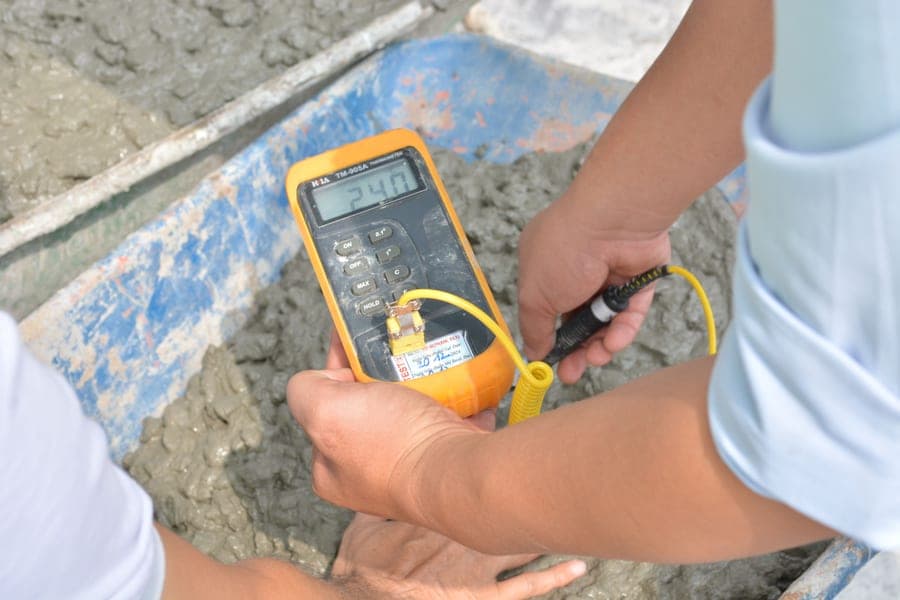
Inkbird ITC-308 Dual-Stage Temperature Controller
Inkbird
Two switched outlets, a calibratable probe, a compressor delay and a settable differential. Everything the build needs.
Spec sheet
- Stages
- Dual -- one heating and one cooling outlet
- Outlet rating
- ~1100W per outlet
- Probe
- NTC sensor on a 2 m lead
- Calibration
- User offset
- Compressor delay
- Configurable
- Wifi version
- ITC-308 Wifi sold separately
What it is not good at
One probe per unit, so one controlled vessel.
Who it is for
Any appliance conversion
The appliance
Mid tier
Chest Freezer Fermentation Chamber (with controller)
Chest freezer + Inkbird
A 5 to 7 cubic foot chest freezer is best insulated and cheapest to run. An upright fridge with the shelves out is the choice if your vessel is tall.
Spec sheet
- Approach
- Chest freezer with an external dual-stage controller
- Capacity
- 5-7 cu ft fits one or two 5 gal fermenters
- Range
- Lager temps through a 32 F cold crash
- Heat side
- Pair with a wrap heater for winter ale temps
- Energy
- Cheapest running cost per degree of any method
- Limitation
- Vessel height is the binding constraint
What it is not good at
Interior height decides which vessels fit. Measure before buying either.
Who it is for
One or two 5 gallon fermenters
The heater
Entry tier
FermWrap Fermenter Heater
FermWrap
A flexible wrap heater on the heating outlet. Without it the chamber can only cool, which is half a solution for most of the year.
Spec sheet
- Type
- Flexible wrap heater
- Power
- ~40W
- Pairs with
- Dual-stage controller
What it is not good at
Never run unregulated -- it must go through the controller.
Who it is for
Garages and basements below your target temperature
For the humid box
Entry tier
Five Star Star San Sanitizer
Five Star Chemicals
A cold humid box grows mold on any organic surface. A periodic wipe-down with sanitizer keeps the interior clean between batches.
Spec sheet
- Type
- Acid-anionic, no-rinse
- Contact time
- 1-2 minutes
- Dilution
- 1 oz per 5 gal
What it is not good at
Not a substitute for dealing with the condensation itself.
Who it is for
Wiping down a chamber that collects condensation
FAQ
Questions brewers actually ask
How do you build a fermentation chamber?
Take a used chest freezer or fridge, set its own thermostat to the coldest position, plug it into the cooling outlet of a dual-stage temperature controller and a wrap heater into the heating outlet, route the probe inside under the door or lid seal, and tape the probe to the side of the fermenter under a scrap of insulation. Set a three minute compressor delay and a one to two degree differential.
Do I need a fan in a fermentation chamber?
It helps noticeably. Cold air stratifies, so the bottom of a chest freezer can be several degrees colder than the top, which means a tall fermenter is not at one temperature throughout. A small computer fan running continuously evens the air out, costs almost nothing to run, and helps surfaces dry between lid openings.
Will running a freezer at 66 degrees damage it?
It is outside the appliance's intended use, but it is standard homebrewing practice and freezers tolerate it well. Set a compressor delay of three minutes or more so the compressor is never restarted before its refrigerant pressure has equalized, and a differential of one to two degrees so it is not cycling constantly. Those two settings do most of the protecting.
How do you deal with condensation in a fermentation chamber?
Expect it and manage it. Every opening admits warm moist air that condenses on cold surfaces, and chest freezer floors have no drain. A towel on the floor wrung out periodically works, a tub of desiccant helps, and wiping the interior down with sanitizer between batches stops mold establishing in a cold humid box.
Can one fermentation chamber hold two different temperatures?
No. A chamber is a single air space at a single temperature, so everything inside it is at the temperature of whatever the probe reads. Two batches at different temperatures means two chambers and two controllers, or a glycol loop with per-vessel control and independently controlled coils or jackets.
Read next
More on temperature control
Roundup
The Best Fermentation Chambers
Chest freezer, upright fridge or build -- compared on height and running cost.
Roundup
The Best Fermentation Temperature Controllers
Dual-stage controllers compared, with the probe-placement rule that matters most.

Guide
Fermentation Temperature Control
Target temperatures, probe placement and the first 48 hours that decide flavor.

Roundup
The Best Glycol Chillers for Homebrewing
Glycol chillers sized for homebrewing, and when a freezer is the better buy.