Review
Inkbird ITC-308 Review
The controller that made temperature control cheap enough to be universal. Two settings decide whether it works properly.
The short answer
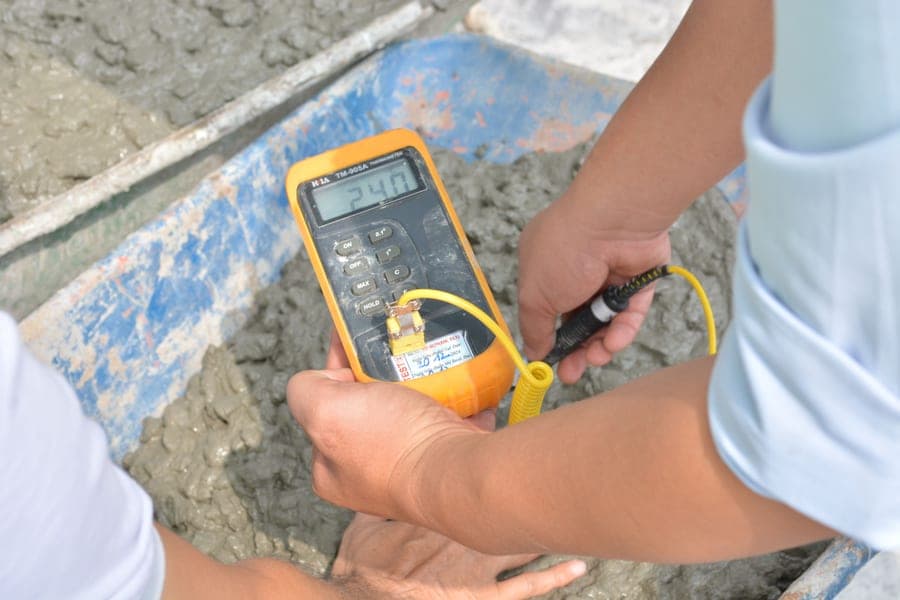
The Inkbird ITC-308 is the default homebrew temperature controller for good reason: two switched outlets at around 1100W each for a cooling and a heating device, a calibratable NTC probe on a 2 meter lead, and a configurable compressor delay. Set the delay to three minutes and put the probe on the fermenter, not in the air.
DisclosureWe earn a commission on qualifying purchases made through links on this page, at no extra cost to you. It does not change what we recommend or how we rank it -- here is how we pick and here is the full disclosure.
Why it matters
It made temperature control universal
Before controllers at this price point, holding a fermentation temperature meant either a swamp cooler and twice-daily bottle swaps or a purpose-built temperature-controlled appliance. The ITC-308 collapsed that into a plug-in device that costs less than a sack of malt.
That matters because fermentation temperature governs the flavor compounds yeast produces more decisively than anything else in brewing. A controller plus a used fridge is the cheapest intervention in homebrewing that measurably improves beer, and this is the controller most brewers buy.
What you get
The specification
- Two switched outlets, around 1100W each. One is cooling, one is heating. The controller energizes whichever is needed to reach the setpoint.
- NTC probe on a 2 meter lead, long enough to reach from the controller outside a chamber to a fermenter inside it.
- User calibration offset. Probes read a degree or two off; this lets you correct against a reference thermometer.
- Configurable compressor delay, which protects the appliance from short cycling.
- Settable differential, so you choose how far the temperature drifts before it acts.
- A wifi variant is sold separately if remote monitoring appeals.
Setup
The two settings that decide whether it works
1. Probe placement -- on the fermenter, under insulation
This matters more than anything else about the device. Active fermentation generates real heat, enough that beer can sit six degrees above the air around it during the first 48 hours. A probe dangling in the chamber reports a perfect 66°F while the yeast works at 72°F and produces exactly the esters and fusel alcohols you bought the controller to prevent.
Tape the probe to the side of the fermenter and cover it with a scrap of bubble wrap or foam. Or use a thermowell if the vessel has one. This single change does more than any controller upgrade.
2. Compressor delay -- three minutes or more
A compressor restarted before its refrigerant pressure has equalized works against itself and wears out early. The ITC-308 lets you set a minimum off time, and three minutes or more is the sensible figure. Pair it with a differential of one to two degrees so the controller is not hunting constantly.
Limitations
Two things it does not do
No scheduling. It holds one setpoint until you change it. For an ale that is a single temperature with an optional free rise at the end, that is not a hardship. If you brew lagers where a timed diacetyl rest and a controlled lagering ramp genuinely matter, a programmable ITC-310T removes the need to be present at the right moment.
One probe, one vessel. Two fermenters at different temperatures means two controllers and two chambers, or a glycol loop with per-vessel control. Within one chamber, everything is at the temperature of the probed vessel.
It also does not know anything about gravity. Fermentation progress is a separate measurement -- see the Tilt hydrometer review.
Verdict
Buy it, and buy the heater too
The ITC-308 is our best overall pick in best temperature controllers and the component that makes every fermentation chamber work. There is very little reason to buy anything else as a first controller.
Buy a wrap heater with it. The second outlet is half of what makes it dual-stage, and a chamber in an unheated garage in winter sits below ale fermentation temperature with no way to correct it. The build walkthrough is DIY fermentation chamber.
What we recommend
The products on this page
Reviewed here
Entry tier
Inkbird ITC-308 Dual-Stage Temperature Controller
Inkbird
Dual-stage with two switched outlets, a 2 m NTC probe, a user calibration offset and a configurable compressor delay. A wifi variant is sold separately.
Spec sheet
- Stages
- Dual -- one heating and one cooling outlet
- Outlet rating
- ~1100W per outlet
- Probe
- NTC sensor on a 2 m lead
- Calibration
- User offset
- Compressor delay
- Configurable
- Wifi version
- ITC-308 Wifi sold separately
What it is not good at
No scheduling, so a diacetyl rest or timed cold crash means changing the setpoint by hand. One probe, so one vessel per unit.
Who it is for
Any fridge or freezer conversion, which is most homebrewers
When to step up
Mid tier
Inkbird ITC-310T Programmable Controller
Inkbird
Time-programmable across multiple periods, so a fermentation ramp, a diacetyl rest and a cold crash can be set in advance and left.
Spec sheet
- Stages
- Dual, time-programmable
- Steps
- Up to 12 programmed periods
- Use
- Ramped rest and cold crash
What it is not good at
More setup complexity than most ale recipes justify.
Who it is for
Lager brewers who want ramps and rests scheduled
What the second outlet is for
Entry tier
FermWrap Fermenter Heater
FermWrap
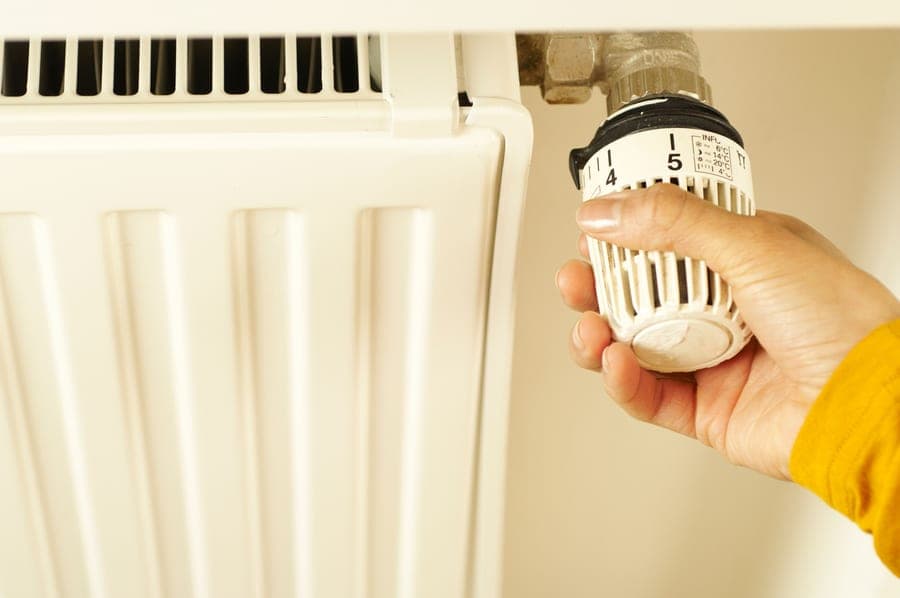
A flexible wrap heater on the heating outlet is what makes the controller genuinely dual-stage. Without one, the second outlet does nothing.
Spec sheet
- Type
- Flexible wrap heater
- Power
- ~40W
- Pairs with
- Dual-stage controller
What it is not good at
Must be controlled -- an unregulated heater against a fermenter overshoots badly.
Who it is for
Chambers in cold garages
What it controls
Mid tier
Chest Freezer Fermentation Chamber (with controller)
Chest freezer + Inkbird
The controller is useless alone. A used chest freezer plus this controller is the complete, cheapest effective temperature control setup there is.
Spec sheet
- Approach
- Chest freezer with an external dual-stage controller
- Capacity
- 5-7 cu ft fits one or two 5 gal fermenters
- Range
- Lager temps through a 32 F cold crash
- Heat side
- Pair with a wrap heater for winter ale temps
- Energy
- Cheapest running cost per degree of any method
- Limitation
- Vessel height is the binding constraint
What it is not good at
Interior height limits which vessels fit.
Who it is for
One or two 5 gallon fermenters
FAQ
Questions brewers actually ask
Is the Inkbird ITC-308 good for homebrewing?
It is the default choice and deservedly so. Two switched outlets let it run both a cooling appliance and a heater, the probe is calibratable, and the configurable compressor delay protects the appliance from short cycling. Paired with any used fridge or freezer it is the cheapest intervention in homebrewing that measurably improves beer.
How do I set up an Inkbird ITC-308?
Plug the cooling appliance into the cooling outlet and a wrap heater into the heating outlet, set the appliance's own thermostat to its coldest position, tape the probe to the side of the fermenter under a scrap of insulation, set your target temperature, set a compressor delay of three minutes or more, and set a differential of one to two degrees.
Should the Inkbird probe go in the air or on the fermenter?
On the fermenter, taped to the vessel wall and covered with insulation, or in a thermowell. Active fermentation generates enough heat that beer can be six degrees warmer than the surrounding air, so an air probe reports a correct setpoint while the yeast works too warm and produces harsh flavors. This single detail matters more than controller accuracy.
How do I calibrate an Inkbird ITC-308?
Put the probe in an ice-water slurry, wait for the reading to settle, and compare it with 32 degrees Fahrenheit. If it reads 34, set the calibration offset to minus two. It takes five minutes and removes a systematic error that would otherwise affect every fermentation you run.
What is the difference between the ITC-308 and the ITC-310T?
Scheduling. The ITC-308 holds one setpoint until you change it by hand. The ITC-310T is time-programmable across multiple periods, so you can set a fermentation temperature, a timed ramp to a diacetyl rest and a cold crash in advance. For most ale recipes, which are a single held temperature, the 308 is sufficient.
Sources
Read next
More on temperature control
Roundup
The Best Fermentation Temperature Controllers
Dual-stage controllers compared, with the probe-placement rule that matters most.
Roundup
The Best Fermentation Chambers
Chest freezer, upright fridge or build -- compared on height and running cost.
Guide
DIY Fermentation Chamber Build
The build, the settings, and the condensation and airflow details.

Guide
Fermentation Temperature Control
Target temperatures, probe placement and the first 48 hours that decide flavor.

Roundup
The Best Glycol Chillers for Homebrewing
Glycol chillers sized for homebrewing, and when a freezer is the better buy.