Guide
How to Cold Crash Beer
Drop the beer near freezing for a couple of days and the yeast and haze fall out. The risk is what gets pulled in while it contracts.
The short answer
Cold crash by dropping the finished beer to around 32 to 38 degrees Fahrenheit for 24 to 72 hours, which makes yeast and haze flocculate and settle. Guard against suckback: crash under pressure in a sealed fermenter, or fit a gas-filled balloon or CO2 source to the airlock.
DisclosureWe earn a commission on qualifying purchases made through links on this page, at no extra cost to you. It does not change what we recommend or how we rank it -- here is how we pick and here is the full disclosure.
What it does
Cold makes things fall out of suspension
Cold crashing is simply chilling finished beer to near freezing and holding it there. Yeast flocculates harder and drops; chill haze proteins and polyphenols bind and settle; hop particles and any remaining trub follow them down. The beer above the sediment comes out visibly brighter, and the beer you package carries far less yeast with it.
That matters for more than appearance. Less yeast in the keg means less sediment in the first few pints and less autolysis flavour over a long keg. For anything you intend to serve clear -- a lager, a pale, a kolsch -- crashing is the cheapest clarity you can buy, and it costs nothing but time and a cold space.
It is not a substitute for finishing fermentation. Crash a beer that has not reached terminal gravity and you have paused it, not completed it. Check that gravity has been stable for a couple of days before dropping the temperature, because cold yeast will not finish the job for you.
The numbers
How cold, and for how long
Temperature. As close to freezing as you can get without freezing the beer -- roughly 32 to 38 degrees Fahrenheit. Colder works faster, and beer with alcohol in it tolerates a little below 32 F, but there is nothing to gain from flirting with a frozen fermenter.
Duration. Twenty-four hours does most of the work; 48 to 72 hours does nearly all of it. Past that the returns are small and you are mostly occupying a fermenter that could be making the next beer.
Rate. Faster is better here. A rapid drop flocculates yeast more decisively than a gentle slide, and there is no flavour penalty to crashing quickly. A chamber on a controller does this on its own; a jacketed vessel on glycol does it faster still.
Measure the beer, not the air. A probe taped to the side of the fermenter under insulation reads what the beer is doing; a chamber thermometer reads what the chamber is doing, and during a crash those two numbers differ for hours -- fermentation temperature control covers probe placement properly.
The real risk
Suckback, and the three ways to prevent it
This is the part that catches people. Beer contracts as it cools, and the headspace gas above it contracts too. Something has to fill that volume. On a fermenter with an airlock, the only thing available is whatever is in the airlock -- sanitizer, vodka, or air drawn through it -- and all three end up in your beer.
Sanitizer in the beer is unpleasant. Air in the beer is worse: oxygen at the end of fermentation is exactly what stales hop aroma and turns a bright pale ale into something cardboard-flavoured within weeks. The yeast is no longer active enough to scavenge it, so it stays.
- Crash under pressure. The clean answer. In a pressure-rated fermenter with a spunding valve, the headspace is CO2 and the vessel is sealed, so contraction simply lowers the pressure a little. Nothing is drawn in.
- Attach a gas source. Connect a CO2 line at low pressure, or fit a gas-filled balloon over the airlock port so the fermenter draws CO2 back rather than air.
- Keep the airlock full and accept a little suckback. The low-effort option on a bucket. Use sanitizer rather than water, top it up before crashing, and understand you are choosing a small amount of sanitizer over a larger amount of air.
After
Gelatin, transfers and the carbonation question
Crashing and fining stack. If you use gelatin or another fining, add it after the beer is cold rather than before -- finings work by binding to particles that cold has already encouraged out of suspension, so the order matters. A day at crash temperature, then finings, then another day, is a reliable sequence.
Transfer carefully afterwards. The whole point of the crash is a compacted bed of yeast and haze at the bottom of the vessel, and a careless transfer stirs it straight back into the beer. On a conical, dump the cone before transferring; on a flat-bottomed vessel, move slowly and stop early.
One carbonation note. Cold beer absorbs CO2 far more readily than warm beer, so a beer that was carbonated by spunding and then crashed will show a lower pressure on the gauge without having lost carbonation. Do not chase that number with more gas until the beer has settled at serving temperature.
What we recommend
The products on this page
Entry tier
Inkbird ITC-308 Dual-Stage Temperature Controller
Inkbird
A dual-stage controller with its own probe is what turns a fridge into a crash chamber: set the target, let it cycle the compressor, and the beer gets to crash temperature without you watching a thermometer.
Spec sheet
- Stages
- Dual -- one heating and one cooling outlet
- Outlet rating
- ~1100W per outlet
- Probe
- NTC sensor on a 2 m lead
- Calibration
- User offset
- Compressor delay
- Configurable
- Wifi version
- ITC-308 Wifi sold separately
Who it is for
Driving a fridge or freezer down to crash temperature
Mid tier
Chest Freezer Fermentation Chamber (with controller)
Chest freezer + Inkbird
A chest freezer on a controller is the cheapest route to real crash temperatures, and the only one that also gives you lagering and fermentation control from the same appliance.
Spec sheet
- Approach
- Chest freezer with an external dual-stage controller
- Capacity
- 5-7 cu ft fits one or two 5 gal fermenters
- Range
- Lager temps through a 32 F cold crash
- Heat side
- Pair with a wrap heater for winter ale temps
- Energy
- Cheapest running cost per degree of any method
- Limitation
- Vessel height is the binding constraint
Who it is for
Crashing a full fermenter without a glycol loop
Prosumer tier
Penguin Chillers Glycol Chiller
Penguin Chillers
A chiller circulating cold glycol crashes a jacketed fermenter where it stands, with no chamber and no lifting. On a vessel too big for a freezer, it is the only practical way to reach crash temperature.
Spec sheet
- Capacity
- 1/4 HP and larger units sold
- Medium
- Propylene glycol / water mix
- Pump
- Submersible pump in the reservoir
- Control
- Digital setpoint on the chiller
- Vessels served
- Typically 1-2 jacketed or coiled fermenters
- Ambient
- Needs airflow and a warm-air escape path
Who it is for
Crashing a jacketed or coiled vessel in place
FAQ
Questions brewers actually ask
What temperature should you cold crash beer at?
As close to freezing as you can manage without freezing it, roughly 32 to 38 degrees Fahrenheit. Colder flocculates yeast faster, but there is no benefit in pushing far enough to risk ice in the fermenter.
How long should you cold crash?
Twenty-four hours does most of the work and 48 to 72 hours does nearly all of it. Longer ties up a fermenter for very little additional clarity, so most brewers crash for one to three days and then package.
What is suckback when cold crashing?
As beer cools it contracts, and the fermenter draws something in to replace the lost volume. With an airlock that means sanitizer or air pulled into the beer. Oxygen at this stage stales the beer because the yeast is no longer active enough to scavenge it.
How do you stop suckback when cold crashing?
Crash in a sealed pressure-rated fermenter with a spunding valve so contraction simply lowers the pressure, or connect a CO2 source or gas-filled balloon so the fermenter draws carbon dioxide instead of air. Keeping the airlock topped up with sanitizer is the fallback, not the fix.
Can you cold crash in a keg instead of the fermenter?
Yes, and it avoids suckback completely because the keg is sealed and purged. You lose the ability to leave sediment behind in the fermenter, so it suits beers that are already fairly clear. Transfer closed, then crash the keg.
Does cold crashing stop fermentation?
It effectively pauses it, which is why you confirm terminal gravity before crashing. Cold yeast flocculates and stops working, so a beer that still had points to go will not finish while it is cold -- and may restart unpredictably once it warms.
Sources
Read next
More on temperature control
Guide
Fermentation Temperature Control
Target temperatures, probe placement and the first 48 hours that decide flavor.
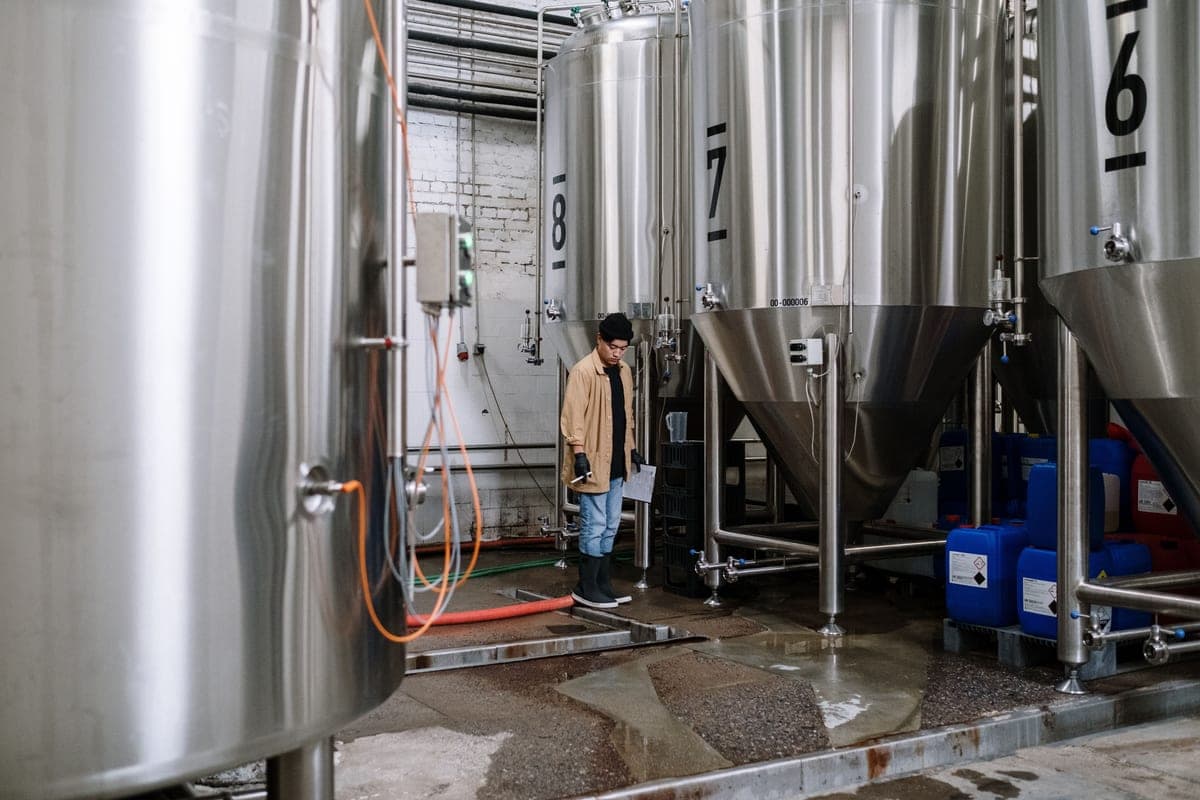
Guide
Lager Fermentation Schedule
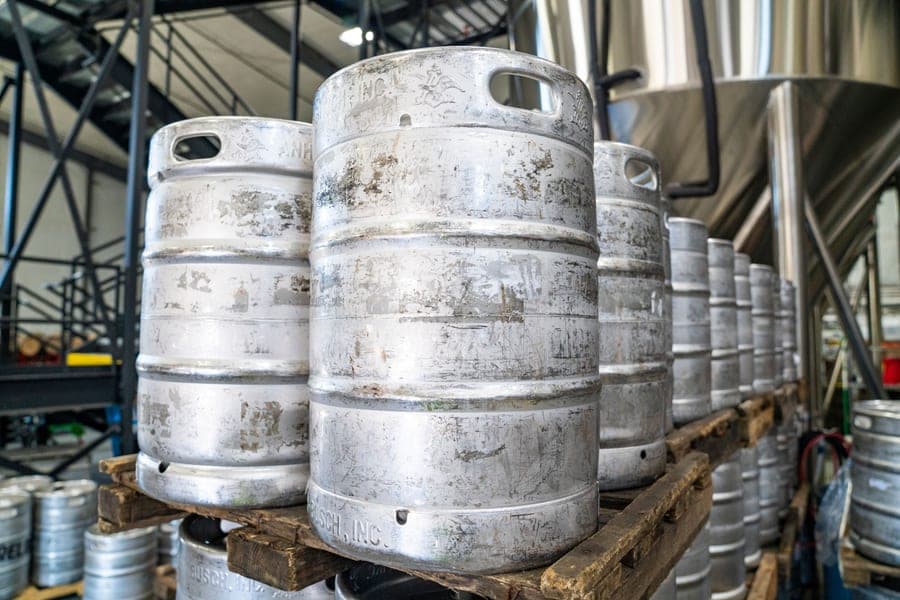
Primary temperature, the diacetyl rest, the crash and the lagering period -- with the gravity triggers for each step.
Guide
Closed Transfer to Keg
The purge, the jumper line and the return gas path that move beer without oxygen.
Roundup
The Best Fermentation Chambers
Chest freezer, upright fridge or build -- compared on height and running cost.
Roundup
The Best Glycol Chillers for Homebrewing
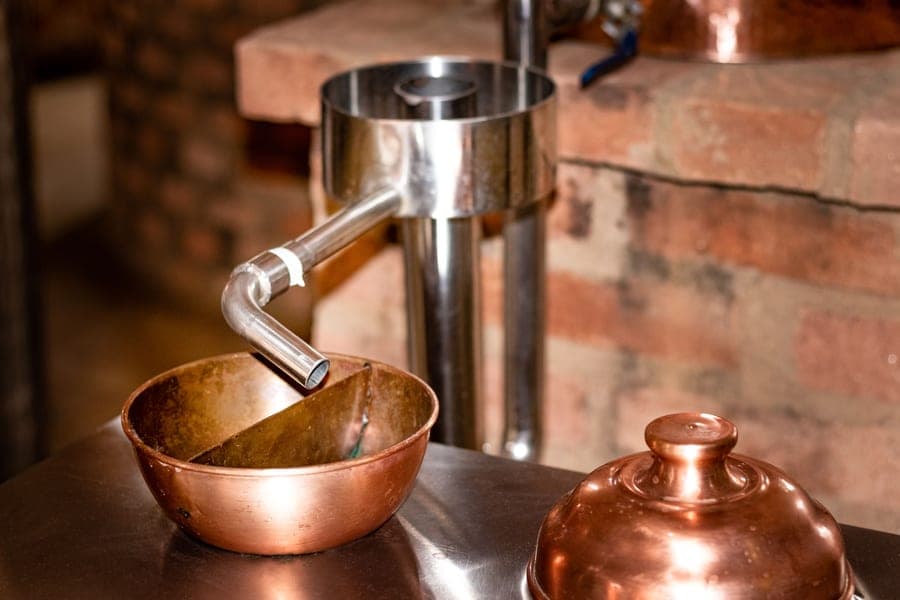
Glycol chillers sized for homebrewing, and when a freezer is the better buy.
Roundup
The Best Wort Chillers
Immersion, counterflow and plate chillers compared on the trades that matter.