Guide
Lager Fermentation Schedule
Four temperature stages, each with a trigger rather than a date. The gravity tells you when to move, not the calendar.
The short answer
A standard lager schedule ferments cool, around 53 to 59 degrees Fahrenheit for a strain like W-34/70, raises to roughly 62 F for a diacetyl rest as fermentation slows, then crashes near freezing and lagers for several weeks. Move between stages on gravity, not on dates.
DisclosureWe earn a commission on qualifying purchases made through links on this page, at no extra cost to you. It does not change what we recommend or how we rank it -- here is how we pick and here is the full disclosure.
Why schedules exist
Lager yeast is slow, not fragile
A lager schedule is a sequence of temperature holds, each one chosen to make the yeast do a particular job. Ferment cool so the yeast produces few esters and little fusel character. Warm up near the end so it cleans up the compounds it made along the way. Crash so it flocculates. Hold cold so the beer rounds out. That is the whole idea, and every variation on it is about how fast you move.
The published guidance for a workhorse dry lager strain such as Fermentis W-34/70 puts the ideal fermentation range at roughly 53 to 64 degrees Fahrenheit, with many brewers choosing the cooler half of that for a cleaner profile. Cooler is slower; the trade is time against character, and it is a genuine trade rather than a rule.
Pitch rate sits underneath all of this. Cold fermentation asks for roughly double the cells an ale does, and underpitching a lager produces exactly the sulfur and stalling the schedule is designed to avoid -- how to make a yeast starter is the companion to this page.
Stage one
Pitch cold, ferment cool
Chill the wort to fermentation temperature before pitching, not after. Pitching warm and then cooling gives the yeast a warm window in which it produces the esters you are brewing a lager to avoid, and the first 48 hours are when most flavour compounds are made.
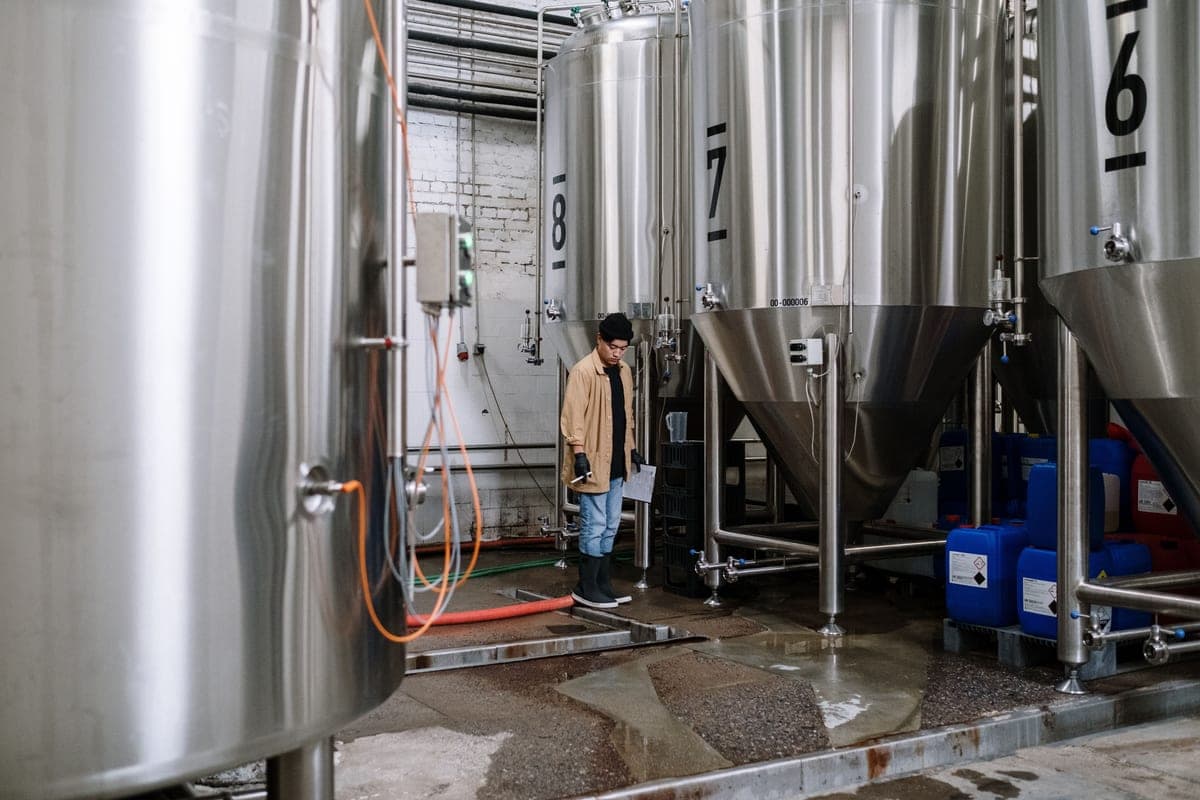
Hold the primary at your chosen temperature -- somewhere in the low to mid 50s F for a clean profile with W-34/70 -- and hold it at the beer rather than at the air. Active fermentation runs several degrees warmer than ambient, so a chamber set to 54 F can easily be fermenting at 58 F. Tape the probe to the fermenter and insulate it.
Expect this to take longer than an ale. A lager primary of one to two weeks is normal, and the gravity reading rather than the day count is what tells you where you are.
Stage two
The diacetyl rest, and when to start it
Diacetyl is the butterscotch flavour lager yeast produces during fermentation and then reabsorbs if it is warm enough and still active. The rest is simply raising the temperature near the end so that cleanup happens -- commonly to around 62 F for W-34/70, with brewers raising it once fermentation slows at low krausen.
The trigger matters more than the number. Raise the temperature while the yeast is still working, typically within a few gravity points of terminal, not after it has finished and settled. A rest started too late warms a dormant yeast cake and achieves nothing, which is the most common way brewers end up with a butterscotch lager despite following a schedule.
Hold the rest for a couple of days. Some strains, W-34/70 among them, are relatively forgiving on diacetyl in the first place, but the rest costs two days and removes the risk, so there is little reason to skip it.
Stage three and four
Crash, then lager
Once the rest is done and gravity is stable, drop the temperature. Crashing near freezing flocculates the yeast and drops haze, and it is the same operation described in how to cold crash beer -- including the suckback problem, which applies to lagers exactly as it does to ales.
Lagering is the hold that follows: weeks at near-freezing temperature, during which the beer rounds out, remaining sulfur blows off and the last particulate settles. Several weeks is the usual recommendation and longer rarely hurts. This is where a dedicated chamber earns itself, because the fermenter is occupied for a month and you will want to brew something else in the meantime.
Ramp rates are worth a thought. Going up for the diacetyl rest can be reasonably quick -- a few degrees a day is gentle, faster is tolerated. Coming down is better done decisively, since a fast crash flocculates more effectively than a slow slide.
The fast route
Pressure changes the schedule, not the chemistry
Fermenting under pressure suppresses ester and fusel production, which lets you ferment a lager strain warmer than this schedule without the character penalty -- and therefore faster. Brewers using it compress the primary considerably and often fold the diacetyl rest into the end of a warmer fermentation.
It is a genuine alternative rather than a shortcut, and it needs a rated vessel and a spunding valve. We cover it separately in how to pressure ferment a lager. What does not change is the pitch rate, the need to measure at the beer, or the fact that lagering cold still improves the result.
What we recommend
The products on this page
Mid tier
Inkbird ITC-310T Programmable Controller
Inkbird
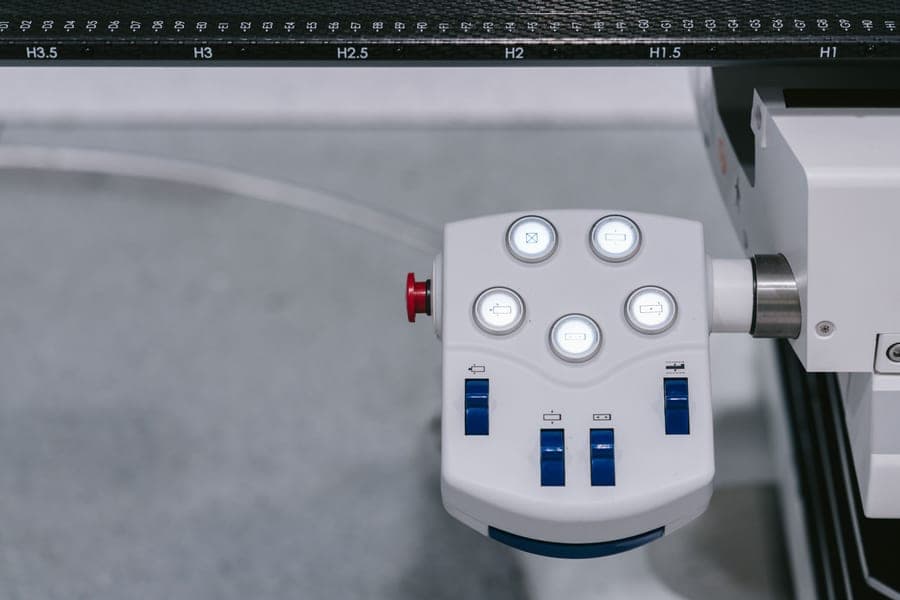
A dual-stage controller with programmable timed steps, which is exactly the shape of a lager schedule: hold cool, ramp to the diacetyl rest, then crash. Programming the profile removes the step people forget.
Spec sheet
- Stages
- Dual, time-programmable
- Steps
- Up to 12 programmed periods
- Use
- Ramped rest and cold crash
Who it is for
Programming the ramps instead of nudging a dial
Mid tier
Chest Freezer Fermentation Chamber (with controller)
Chest freezer + Inkbird
Lager primary temperatures are below what most rooms reach, so a chest freezer on a controller is the entry requirement rather than an upgrade. It also holds the crash and the lagering period afterwards.
Spec sheet
- Approach
- Chest freezer with an external dual-stage controller
- Capacity
- 5-7 cu ft fits one or two 5 gal fermenters
- Range
- Lager temps through a 32 F cold crash
- Heat side
- Pair with a wrap heater for winter ale temps
- Energy
- Cheapest running cost per degree of any method
- Limitation
- Vessel height is the binding constraint
Who it is for
Holding lager temperatures in a warm house
Mid tier
Tilt Bluetooth Hydrometer and Thermometer
Tilt
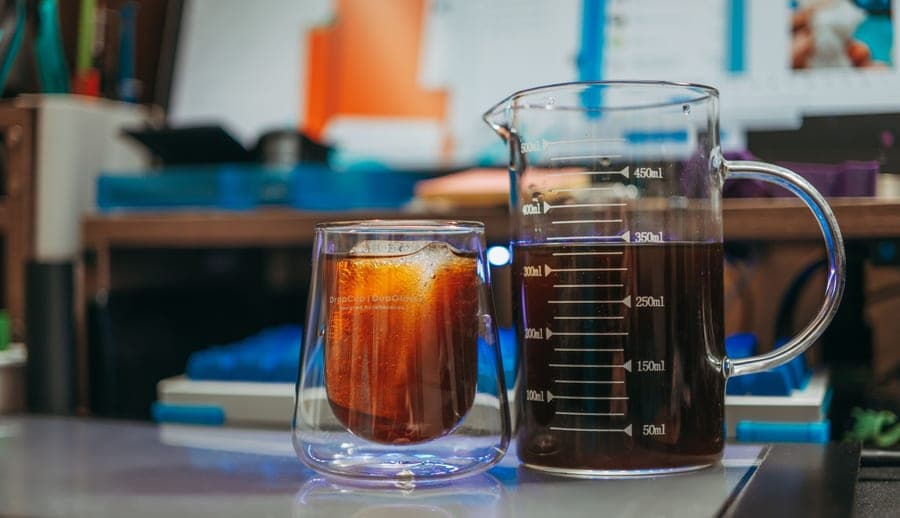
The schedule moves on gravity, not dates, and a logging hydrometer shows the curve flattening in real time. That is the trigger for the diacetyl rest, and it is invisible if you only sample occasionally.
Spec sheet
- Measures
- Specific gravity and temperature
- Method
- Floating inclinometer
- Link
- Bluetooth LE
- Logging
- Phone app, cloud, Google Sheets
- Battery
- User-replaceable coin cell
- Pro version
- Tilt Pro adds resolution and a longer body
Who it is for
Knowing when to ramp without opening the fermenter
FAQ
Questions brewers actually ask
What temperature should you ferment a lager at?
Published guidance for a common dry lager strain such as SafLager W-34/70 gives an ideal range of roughly 53 to 64 degrees Fahrenheit, and many brewers choose the cooler half for the cleanest profile. Cooler is slower, so it is a trade between time and character.
When should you do a diacetyl rest?
While the yeast is still active, typically within a few gravity points of terminal as fermentation slows at low krausen. Raising the temperature after the yeast has finished and settled does not clean up diacetyl, which is why a correctly timed rest matters more than the exact temperature.
What temperature is a diacetyl rest?
Around 62 degrees Fahrenheit is commonly used for W-34/70, held for a couple of days. The exact figure is less important than the timing and the fact that it is a meaningful rise from your primary temperature.
How long should you lager a beer?
Several weeks at near-freezing temperature is the usual recommendation, and longer rarely hurts. The beer rounds out, residual sulfur blows off and remaining particulate settles. This is why lager brewers tend to own more than one fermenter.
Do you need a fermentation chamber to brew lagers?
Effectively yes, unless you have a cellar that genuinely sits in the 50s F. Lager primary temperatures are below normal room temperature, so a fridge or chest freezer on a dual-stage controller is the entry requirement rather than an upgrade.
Can you brew a lager faster under pressure?
Yes. Fermenting under pressure suppresses the esters and fusels that warm fermentation normally produces, so a lager strain can be fermented warmer and faster. It needs a pressure-rated fermenter and a spunding valve, and cold lagering afterwards still improves the beer.
Sources
Read next
More on temperature control
Guide
How to Cold Crash Beer
Crash temperature, how long to hold it, and the suckback problem that catches brewers using an airlock.
Guide
How to Pressure Ferment a Lager
A pressure lager schedule: pitch temperature, psi by stage, diacetyl rest and crash.
Comparison
Inkbird ITC-308 vs ITC-310T
Dual-stage against time-programmable, and which fermentations actually need the schedule.
Guide
How to Make a Yeast Starter
The 1.040 starter wort ratio, stir plate timing, when to decant and how to tell the starter actually worked.
Roundup
The Best Glycol Chillers for Homebrewing
Glycol chillers sized for homebrewing, and when a freezer is the better buy.
Roundup
The Best Wort Chillers
Immersion, counterflow and plate chillers compared on the trades that matter.