Roundup
Best Beginner Kegging Setups
Your first kegging purchase is really a choice about where the beer gets cold. Everything else is the same parts.
The short answer
The best beginner homebrew kegging setup is a complete kegging starter kit plus a second corny keg, dispensed from a picnic tap in whatever fridge you already own. It is the cheapest route to carbonated draft beer, and it postpones the kegerator decision until you know how many taps you want.
DisclosureWe earn a commission on qualifying purchases made through links on this page, at no extra cost to you. It does not change what we recommend or how we rank it -- here is how we pick and here is the full disclosure.
At a glance
Quick picks
| # | Product | Best for | Price |
|---|---|---|---|
| 1 | 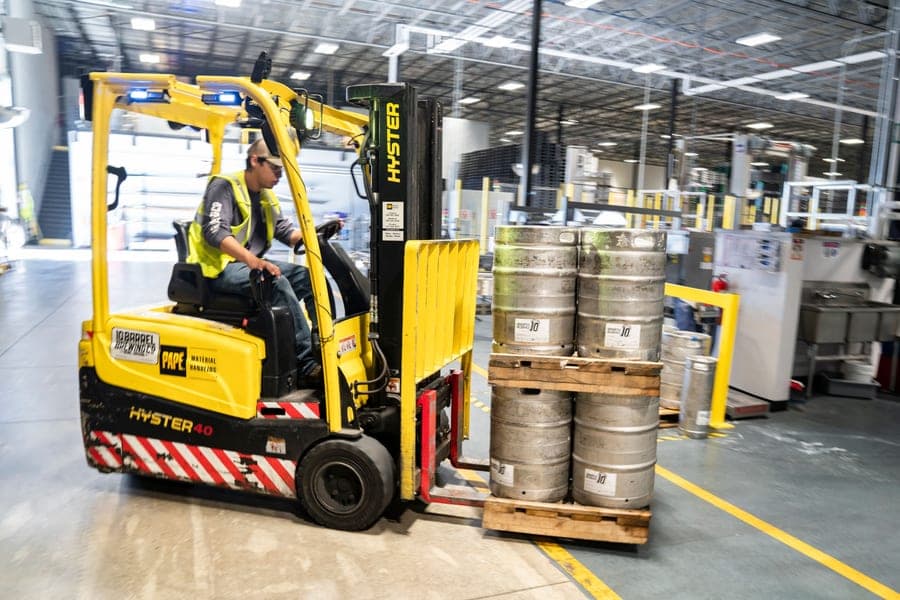 Best beginner setup overall Complete Homebrew Kegging Starter Kit Keg, dual-gauge regulator, CO2 cylinder, gas and beverage line, disconnects and a picnic tap. Everything except cold, which the fridge in your kitchen is already providing for free. | A first kegging purchase with no appliance budget | |
| 2 | Best value add-on 5 Gallon Ball Lock Corny Keg The second keg is what makes kegging better than bottling rather than just faster. Fill one, serve one, and the system is never dry between batches. | Every beginner, within the first month | |
| 3 | 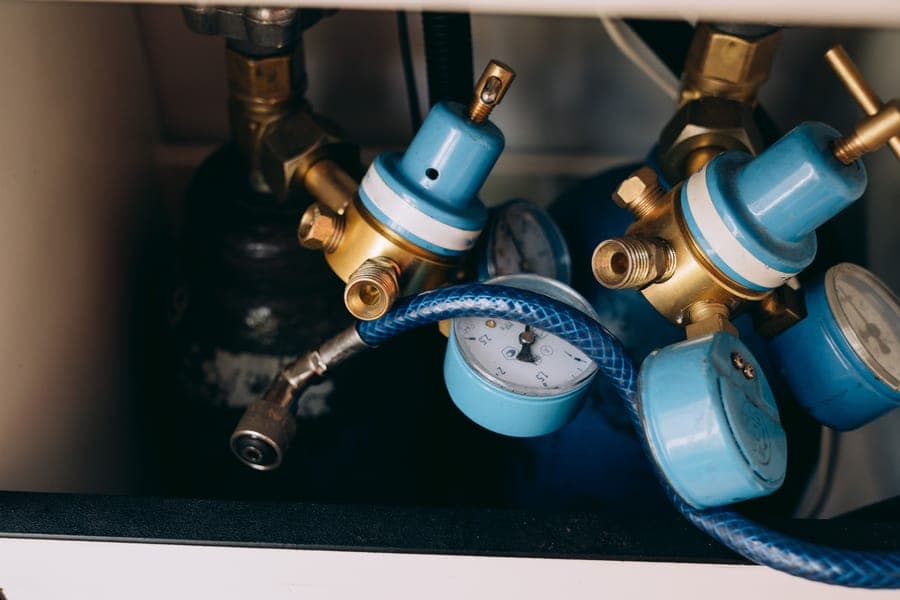 Best regulator to start on Taprite Dual-Gauge CO2 Regulator Forged brass, 0-60 psi, one gauge for output and one for tank contents, and rebuildable. Starting here skips the thin single-gauge regulator most people replace in year one. | Beginners who would rather not buy twice | |
| 4 |  Best thing beginners skip Beer Line Cleaning Kit Pump bottle, line cleaner, disconnect and faucet adapters, and the brushes. A two-tap clean takes fifteen minutes and it is the whole difference between draft beer and draft beer with a film in the line. | Anyone whose beer tastes fine from the keg and odd from the tap | |
| 5 | 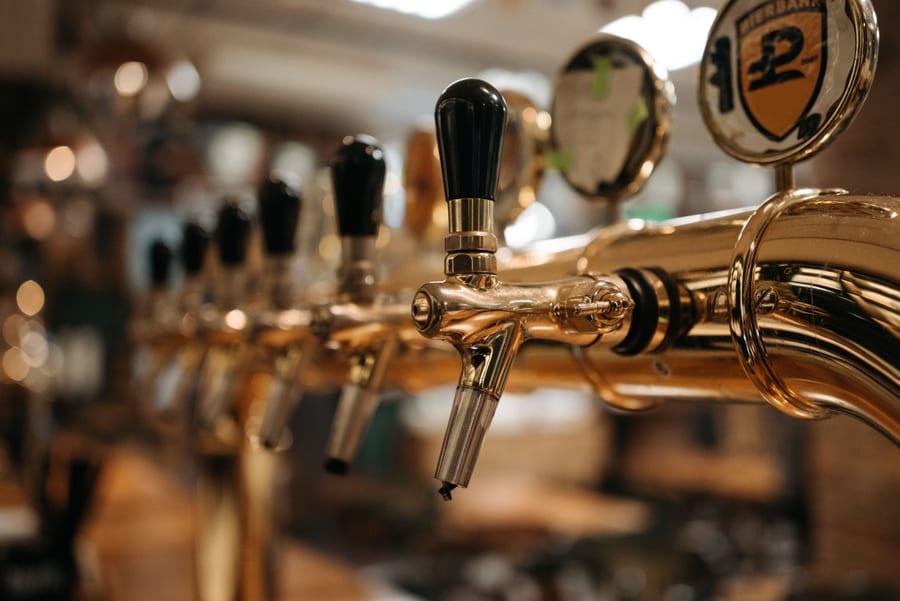 Best first kegerator Kegco Full-Size Digital Kegerator Holds four cornies, includes a regulator on most SKUs, runs on a digital thermostat and rolls on casters. The shortcut past picnic taps and collar carpentry. | Beginners who know they want taps rather than a fridge shelf |
Prices are checked on Amazon when you click. We never print a number we cannot verify.
Three beginner routes, and what each one costs you
| Route | Cold comes from | Trade-off |
|---|---|---|
| Starter kit + picnic tap | The fridge you own | No faucet, keg lives among the groceries |
| Starter kit + chest freezer | A used freezer + controller | Cheapest per tap, needs a collar built |
| Kegerator | The appliance itself | Highest up-front cost, zero carpentry |
| Kegs to start | Two | One keg means a dry system |
| CO2 cylinder | 5 lb typical | Ships empty on every kit |
| Beverage line | Longer than supplied | Short line is the usual foam cause |
| First upgrade | Second keg | Cheapest improvement available |
The decision you are really making
Where the beer gets cold
Beginners approach kegging as a shopping problem and it is really a siting problem. The beer side -- keg, regulator, gas, lines, disconnects -- is close to identical in every setup at every price. What changes is the cold box, and that choice drives cost, appearance and how much of a weekend you spend building something.
There are three honest answers. Use the fridge you own and pour from a picnic tap. Buy a used chest freezer, add a controller, and build a collar for faucets. Or buy a purpose-built kegerator and skip all of it. Each one is the right answer for someone.
For a first kegging purchase, the fridge you own wins almost every time, because it defers the expensive decision until you know whether you want one tap or four -- kegging vs bottling covers whether to make the jump at all.
Route one
Starter kit in the kitchen fridge
A complete kegging kit plus the fridge in your kitchen is a working draft system for the price of the kit. The keg sits on a shelf or on the floor of the cabinet, the CO2 cylinder sits outside, the gas line runs through the door seal, and you pour from a picnic tap that lives in the fridge between uses.
It is not pretty. It is also a complete force-carbonated draft system at the lowest possible cost, and it teaches you everything -- pressures, line length, cleaning cadence -- that you will reuse in whatever you build next -- how to force carbonate.
Route two
A used freezer and a controller
The cheapest cost per tap, and the one with homework. A used chest freezer costs very little, runs more cheaply than any upright because cold air does not fall out of it, and holds four or five cornies. What it needs is an external dual-stage controller to hold 38°F instead of freezing, and a wooden collar so the faucets end up at hand height.
If building a collar sounds like a pleasant Saturday, this is the best value in kegging. If it sounds like a project that will sit half-done in the garage, it is not -- keezer build guide is honest about the work involved.
Route three
Buy the kegerator
A purpose-built kegerator costs the most up front and demands nothing of you afterwards. It is cold, it holds four cornies, the taps are at the right height, and the regulator is usually in the box. For a beginner who already knows they want a tap in the kitchen rather than a keg behind the milk, it is money well spent.
The two specs to read are internal height -- a corny with posts fitted needs about 27 inches -- and temperature range, because a cabinet that reaches ale temperatures can double as a fermentation chamber -- Kegco vs KOMOS kegerator compares the two that matter here.
What every route needs
Four things beginners under-buy
- A second keg. One keg means the system is empty for the three weeks a batch takes. The second keg is the single best value purchase in kegging.
- A CO2 fill. Kit cylinders ship empty. Find a filler before build day, not after.
- Longer beverage line. Short line is the most common cause of a foaming first pour, and kits ship short line -- beer line length.
- A line cleaning kit. Draft lines need cleaning every couple of weeks of service, and skipping it is why a beer that tasted right in the fermenter tastes wrong from the tap -- best beer line cleaning kits.
The picks, in order
Every pick in detail
#1
Best beginner setup overall
Mid tier
Complete Homebrew Kegging Starter Kit
Kegco / KOMOS / MoreBeer
Keg, dual-gauge regulator, CO2 cylinder, gas and beverage line, disconnects and a picnic tap. Everything except cold, which the fridge in your kitchen is already providing for free.
Spec sheet
- Keg
- One 5 gal ball-lock corny (new or reconditioned)
- Gas
- 5 lb CO2 cylinder (usually empty on arrival)
- Regulator
- Single-body dual-gauge
- Lines
- Gas line, beverage line, disconnects
- Dispense
- Picnic (party) tap on most kits
- Not included
- Cooling -- that is the kegerator decision
What it is not good at
A picnic tap is a plastic handle on the end of a hose. It pours fine and it will never look like a bar.
Who it is for
A first kegging purchase with no appliance budget
#2
Best value add-on
Entry tier
5 Gallon Ball Lock Corny Keg
AMCYL / NSI
The second keg is what makes kegging better than bottling rather than just faster. Fill one, serve one, and the system is never dry between batches.
Spec sheet
- Capacity
- 5 gal / 19 L
- Height
- ~25 in (26 in with posts)
- Diameter
- ~8.5 in
- Connection
- Ball lock gas and liquid posts
- Pressure rating
- 130 psi typical, 55 psi working
- Lid
- Oval pry-out lid with a PRV
What it is not good at
Needs its own set of disconnects, and each keg wants about 27 inches of fridge clearance with posts fitted.
Who it is for
Every beginner, within the first month
#3
Best regulator to start on
Mid tier
Taprite Dual-Gauge CO2 Regulator
Taprite
Forged brass, 0-60 psi, one gauge for output and one for tank contents, and rebuildable. Starting here skips the thin single-gauge regulator most people replace in year one.
Spec sheet
- Gauges
- Dual -- output pressure and tank contents
- Output range
- 0-60 psi
- Inlet
- CGA-320 CO2 tank thread
- Outlet
- 1/4 in MFL or barb
- Body
- Forged brass
- Serviceable
- Rebuild kits widely available
What it is not good at
One output, so a second beer at a different carbonation level still needs a manifold later.
Who it is for
Beginners who would rather not buy twice
#4
Best thing beginners skip
Entry tier
Beer Line Cleaning Kit
Mark's Keg Wash / Kegco
Pump bottle, line cleaner, disconnect and faucet adapters, and the brushes. A two-tap clean takes fifteen minutes and it is the whole difference between draft beer and draft beer with a film in the line.
Spec sheet
- Method
- Hand pump or CO2-pressurized bottle
- Cleaner
- Alkaline line cleaner concentrate
- Fittings
- Ball lock disconnect and faucet thread adapters
- Brushes
- Faucet and shank brushes included
- Cycle time
- 15-20 minutes for a two-tap system
- Frequency
- Every two weeks of active service
What it is not good at
Needs doing every couple of weeks of active service, which is the part nobody enjoys.
Who it is for
Anyone whose beer tastes fine from the keg and odd from the tap
#5
Best first kegerator
Mid tier
Kegco Full-Size Digital Kegerator
Kegco
Holds four cornies, includes a regulator on most SKUs, runs on a digital thermostat and rolls on casters. The shortcut past picnic taps and collar carpentry.
Spec sheet
- Keg capacity
- 1 half barrel, or 4 ball-lock corny kegs
- Control
- Digital thermostat
- Temperature range
- Draft serving range
- Taps
- Single, dual and triple configurations sold
- Gas
- CO2 regulator included on most SKUs
- Mobility
- Casters
What it is not good at
Draft serving range only, and the stock faucets are usually rear-sealing, which is an early upgrade.
Who it is for
Beginners who know they want taps rather than a fridge shelf
FAQ
Questions brewers actually ask
What do I need for a beginner homebrew kegging setup?
A 5 gallon ball-lock corny keg, a dual-gauge CO2 regulator, a CO2 cylinder, gas and beverage line, ball-lock disconnects, and something to pour through. A complete kegging starter kit bundles all of it. Cold comes separately, from the fridge you already own, a converted freezer, or a kegerator.
Do I need a kegerator to start kegging?
No. The cheapest working setup is a kegging kit with a picnic tap in whatever fridge you already have. It force-carbonates and pours exactly like a kegerator does, and it defers the expensive appliance decision until you know whether you want one tap or four.
How many kegs do I need to start?
Two. With one keg the system is empty for the three weeks it takes to brew and ferment the next batch, which removes most of the reason you stopped bottling. A second corny is the cheapest upgrade available and the first one every new kegging brewer should make.
How much CO2 does a beginner setup use?
A 5 lb cylinder typically carbonates and dispenses several 5 gallon kegs before it needs refilling, though leaks change that fast. Check every connection with soapy water when you build the system, and check the tank gauge weekly at first -- a slow leak on a gas post will empty a cylinder in days.
Should beginners buy a cheap regulator or a good one?
A good one, because the cheap one gets replaced. A forged-brass dual-gauge regulator with a 0-60 psi output reads both your serving pressure and your remaining gas, and rebuild kits keep it going for years. The thin single-gauge regulators in budget kits are the part people upgrade first.
Is kegging cheaper than bottling?
Not at first -- the kit, cylinder and kegs cost far more than caps and bottles. It becomes cheaper in time rather than money: a keg is filled and sealed in minutes where bottling a batch takes an evening, and that is the real reason most brewers switch and never go back.
Read next
More on kegging
Guide
Homebrew Kegging Setup, Step by Step
The setup order, plus the three day-one failures and how to avoid them.
Roundup
The Best Homebrew Keg Systems
What a kegging kit includes, what it omits, and the complete cost.
Guide
How to Force Carbonate a Keg
Set-and-forget, shake and burst methods with real pressures and timings.
Roundup
Best Kegerator Conversion Kits
The parts that turn a fridge or chest freezer into a working kegerator, ranked.
Roundup
The Best Kegerators for Homebrew
Kegerators compared on corny capacity, internal height and temperature range.