Review
Ss Brewtech Unitank Review
One vessel that ferments, carbonates and serves. The jacket is the reason to buy it and the glycol loop is the reason people hesitate.
The short answer
The Ss Brewtech Unitank is the right vessel for a brewer who has outgrown chamber cooling: a pressure-rated, glycol-jacketed conical that ferments, carbonates through a stone and serves from the same tank. It only makes sense with a glycol chiller, which is a second purchase of serious size.
DisclosureWe earn a commission on qualifying purchases made through links on this page, at no extra cost to you. It does not change what we recommend or how we rank it -- here is how we pick and here is the full disclosure.
What it is
Three vessels collapsed into one
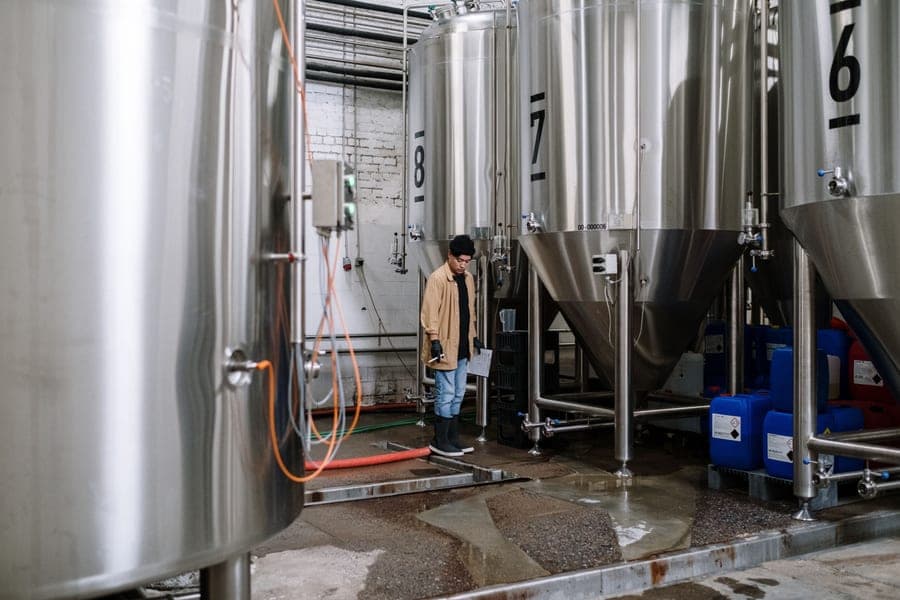
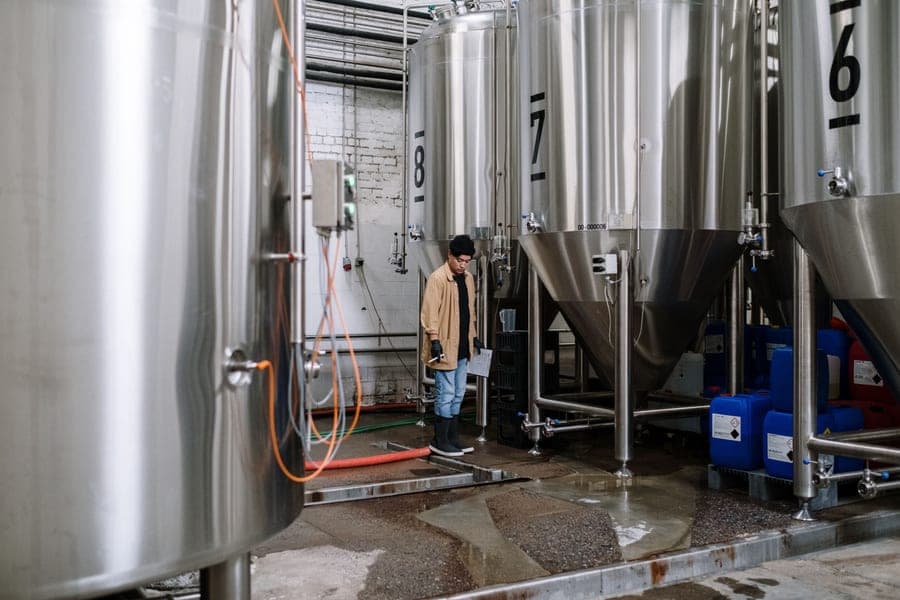
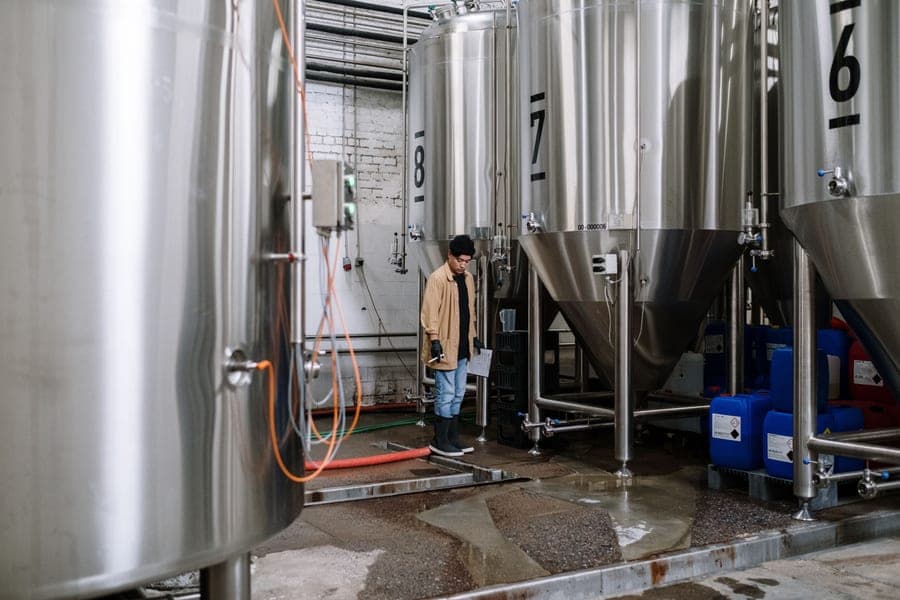
A unitank does the job of three things a brewery normally keeps separate. It ferments, because it is a conical with a cone and a dump valve. It carbonates, because it is pressure rated and has a port for a carbonation stone. And it serves, because you can draw beer from it under its own head pressure.
The Ss Brewtech version adds the piece that matters most to a brewer whose vessels have outgrown a chest freezer: a glycol jacket built into the tank wall. Cooling happens through the wall, so vessel height stops being a constraint and the beer tracks its setpoint closely instead of lagging behind the air in a box.
The 2.0 generation is sold across a range of sizes -- retailers list 7 gallon and 14 gallon vessels alongside the half-barrel and 1 bbl tanks -- all tri-clamp throughout, with a thermowell so a controller reads the beer rather than the glycol. It is a small commercial vessel sold to people with garages, and picking the right size in that range is most of buying it well.
What is genuinely good
The jacket, and the ports
The jacket is the headline and it deserves to be. Direct wall cooling responds quickly, crash cools in hours rather than most of a day, and removes the height limit that eventually ends every chest freezer upgrade path. If you have ever measured a conical against the inside of a freezer and lost, this is the answer to that problem.
The port layout is the quiet strength. Tri-clamp fittings everywhere mean every connection is a gasket and a clamp rather than a thread to cross or a seal to deform, which matters on a vessel you will take apart hundreds of times. The carb stone port turns the tank into a brite tank without moving the beer. The thermowell means the controller reads beer temperature, which is the single biggest determinant of how well any temperature control actually works.
What it costs beyond the price
The glycol loop nobody budgets
This is the honest part of the review. The jacket is inert without a glycol chiller, and the chiller is not the end of that bill either. You need propylene glycol, insulated lines sized to reach without a long warm run, a solenoid valve and a temperature controller for the vessel, and somewhere for the chiller to stand with airflow and a path for warm air to leave.
Brewers who price the tank and then discover the loop tend to feel ambushed. Price both together from the start and the decision becomes clear in either direction -- glycol chiller installation lists the parts, and Penguin vs IceMaster compares the two chillers homebrewers actually buy for this.
The cheaper route to most of it
A coil instead of a jacket
There is a middle path that the unitank marketing does not advertise. A welded conical with a factory cooling coil, fed from the same glycol loop, cools the beer directly through stainless submerged in it. Not quite as elegant as a jacket, and one more surface to clean, but it is the same mechanism at a materially lower vessel cost.
So the real fork for an upgrading homebrewer is usually: jacketed unitank plus chiller, or coiled conical plus the same chiller. Both remove the height limit; one costs noticeably less -- conical fermenter vs unitank lays the two side by side.
Who should not buy one
Three honest disqualifications
- Your fermenter still fits in a freezer. A chest freezer and a dual-stage controller hold the same setpoint for a small fraction of the money, and the appliance doubles as a kegerator -- glycol chiller vs fermentation fridge.
- You actually want pressure, not a jacket. If closed transfer and spunding are the appeal, a pressure-capable conical does that for far less -- best pressure fermenters.
- You would be buying more vessel than batch. A tank run a third full is harder to manage, not easier, because the cone is designed to collect trub from a full charge. Size it to your batch -- the 7 gallon version, not the half barrel, is the one that suits a 5 gallon brewer -- what size conical fermenter.
The verdict
A commercial vessel, priced honestly
As a piece of equipment it does what it claims. The jacket is the real upgrade, the tri-clamp ports and thermowell are the details that make it pleasant to live with, and the pressure rating means it finishes beer rather than just fermenting it.
The caveat is that it is not a vessel purchase, it is a system purchase, and the system includes a chiller and a plumbing afternoon. Brewers who have already made that commitment should buy it and will not regret it. Brewers still choosing between cooling strategies should make that decision first, because it determines whether this tank makes any sense at all -- conicals with temperature control covers the range of ways to get there.
What we recommend
The products on this page
The vessel under review
Prosumer tier
Ss Brewtech Unitank
Ss Brewtech
Pressure-rated with a PRV, glycol jacket so no chamber is needed, tri-clamp ports, a thermowell and a carb stone port. It genuinely collapses fermenter, brite tank and serving vessel into one piece of stainless.
Spec sheet
- Capacity
- Half barrel (0.5 bbl) and larger
- Pressure
- Rated vessel with a pressure relief valve
- Cooling
- Glycol jacket, no chamber needed
- Ports
- Tri-clamp, thermowell, carb stone port
- Process
- Ferment, carbonate and serve from one vessel
- Footprint
- Needs floor space and a glycol loop
What it is not good at
It is not a standalone purchase. Without a glycol chiller the jacket does nothing, and the floor space and ceiling height requirements are real.
Who it is for
Brewers with glycol, or committing to it, at half-barrel scale

The purchase that comes with it
Prosumer tier
Penguin Chillers Glycol Chiller
Penguin Chillers
A 1/4 HP and larger chiller with reservoir and pump is what turns the jacket from a feature into temperature control. Buy capacity for the vessel you will own next, not just this one.
Spec sheet
- Capacity
- 1/4 HP and larger units sold
- Medium
- Propylene glycol / water mix
- Pump
- Submersible pump in the reservoir
- Control
- Digital setpoint on the chiller
- Vessels served
- Typically 1-2 jacketed or coiled fermenters
- Ambient
- Needs airflow and a warm-air escape path
What it is not good at
Lines, glycol, a solenoid and a controller are all extra, and the unit is audible when it cycles.
Who it is for
Running the jacket, with headroom for a second vessel later
The cheaper alternative
Prosumer tier
Spike Brewing CF5 Conical Fermenter
Spike Brewing
Welded 304 with tri-clamp ports and a pressure rating, and a cooling coil available as a factory option -- coil cooling gets you most of the jacket's benefit for much less vessel cost.
Spec sheet
- Capacity
- 8 gal / 30 L (5 gal batch)
- Material
- Welded 304 stainless, no crevices
- Pressure
- Rated for pressure transfer and spunding
- Ports
- Tri-clamp throughout
- Cone
- Full cone with a dump valve
- Options
- Cooling coil, thermowell, CIP arm
What it is not good at
The coil sits in the beer rather than in the wall, so it is one more surface to clean, and it must be ordered with the vessel.
Who it is for
Brewers who want welded stainless and pressure without the jacket
If the real goal is pressure
Mid tier
FermZilla Tri-Conical 27 L
KegLand
If you are drawn to the unitank for pressure fermentation and closed transfer rather than for jacket cooling, a pressure-capable conical does that part for a fraction of the money.
Spec sheet
- Capacity
- 27 L / 7.1 gal (also 55 L)
- Cone
- Detachable collection butt for yeast harvest
- Fitting
- 3 in tri-clover ferrule molded into the tank
- Valve
- Redesigned tri-clover dump valve
- Material
- Clear PET body
- Pressure
- Yes, with the pressure kit
What it is not good at
PET rather than stainless, no jacket, and a chamber is still needed for temperature.
Who it is for
Brewers who want closed transfer, not a unitank
FAQ
Questions brewers actually ask
Is the Ss Brewtech Unitank worth it?
For a brewer who already runs glycol or is committed to it, yes -- the jacket removes the vessel height limit, crash cools in hours, and the pressure rating lets you carbonate and serve from the same tank. For a brewer whose fermenter still fits in a chest freezer, no: a freezer and a controller hold the same setpoint for a fraction of the cost.
Do you need a glycol chiller for a unitank?
Yes, in practice. The jacket is the whole point of the vessel and it does nothing without cold glycol circulating through it. Budget the chiller, the glycol, insulated lines, a solenoid valve and a controller alongside the tank, not afterwards.
What is the difference between a unitank and a conical fermenter?
A unitank is a conical that is also pressure rated and jacketed, so it can carbonate and serve as well as ferment, and it cools through its own wall instead of needing a chamber. A plain conical ferments and needs separate cooling and a separate vessel to carbonate in.
Can you carbonate beer in a unitank?
Yes. That is one of the three jobs it collapses into one vessel. The carb stone port takes a stone fed from a CO2 regulator, so the beer carbonates in place under its own pressure rating and can then be pushed into a purged keg without ever meeting air.
Is a cooling coil as good as a glycol jacket?
Nearly, and it costs much less. A coil submerged in the beer and fed from the same glycol loop removes heat through the same mechanism. The trade is that the coil is one more surface to clean and sanitize, where a jacket is sealed inside the wall and never contacts the beer.
What size unitank should a homebrewer buy?
Match the vessel to your batch size, not to ambition. The 2.0 range runs from 7 gallon and 14 gallon vessels up to half-barrel and 1 bbl tanks, so size it to what you actually brew. A tank run a third full is harder to manage than a right-sized one, because the cone is designed to collect trub from a full charge.
Sources
Read next
More on fermenters
Comparison
Conical Fermenter vs Unitank
What the glycol jacket and pressure rating add, and whether you need them.
Roundup
The Best Stainless Conical Fermenters
Welded against formed stainless, and which vessels justify the price.
Roundup
The Best Conical Fermenters With Temperature Control
Jacketed, coiled and chamber-cooled conicals compared, with the honest cost of each.

Guide
Glycol Chiller Installation, Step by Step
Siting, plumbing, glycol mixing and per-vessel control for a homebrew glycol loop.
Review
Spike Brewing CF5 Conical Review
The buy-once welded conical, and the cooling problem it creates.
Roundup
The Best Conical Fermenters
Stainless, plastic and pressure-capable conicals compared, with chamber-fit warnings.