Roundup
The Best Homebrew Cleaners and Sanitizers
Two chemicals do almost all of the work. The rest of this category is foam management, draft lines, and not scrubbing kegs by hand any more.
The short answer
Most homebrewers need exactly two products: an alkaline wash like Five Star PBW to clean, and a no-rinse acid sanitizer like Star San to sanitize. Add Saniclean when you recirculate through a pump, a line cleaning kit once you go to draft, and a recirculating washer once hand-scrubbing kegs gets old.
DisclosureWe earn a commission on qualifying purchases made through links on this page, at no extra cost to you. It does not change what we recommend or how we rank it -- here is how we pick and here is the full disclosure.
At a glance
Quick picks
| # | Product | Best for | Price |
|---|---|---|---|
| 1 | Best overall cleaner Five Star PBW Alkaline Brewery Wash An alkaline, non-caustic powder that lifts dried krausen and beerstone off stainless, PET and glass without scrubbing, which is the whole point -- a scratched fermenter is a contamination risk forever. | Everything that touches wort or beer, before it is sanitized | |
| 2 | 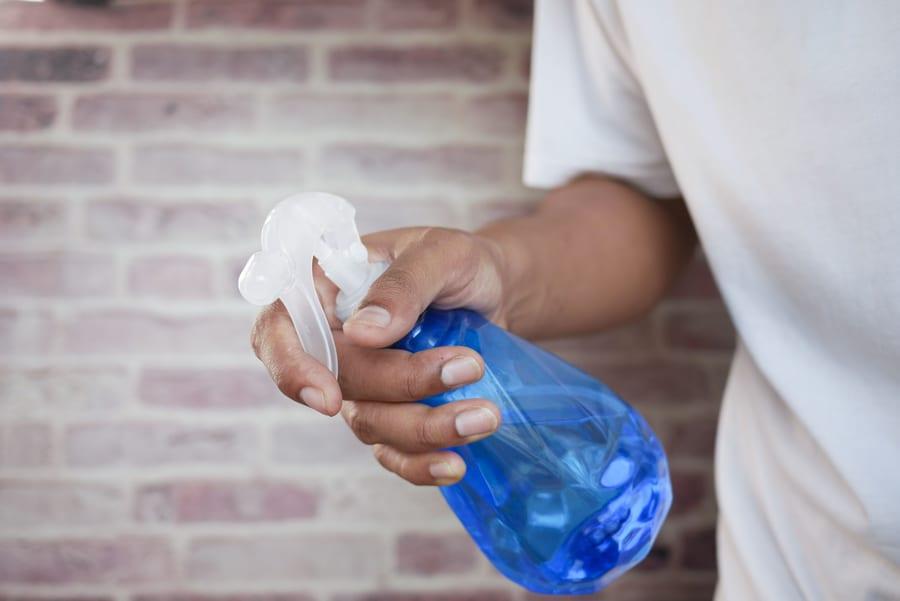 Best sanitizer overall Five Star Star San Sanitizer Acid-anionic, no-rinse, one to two minutes of contact at roughly 1 oz per 5 gallons. The dose economy is the real story: a bottle makes an enormous number of gallons of solution, so cost per batch is close to nothing. | Fermenters, hoses, bottling gear, anything post-boil | |
| 3 | Best low-foam sanitizer Five Star Saniclean Low-Foam Sanitizer The same acid-anionic chemistry as Star San without the foam, at 1 oz per 3 gallons and 2 to 3 minutes of contact. If you own a pump, this is the version that should be going through it. | Recirculating through pumps, chillers and draft lines | |
| 4 | 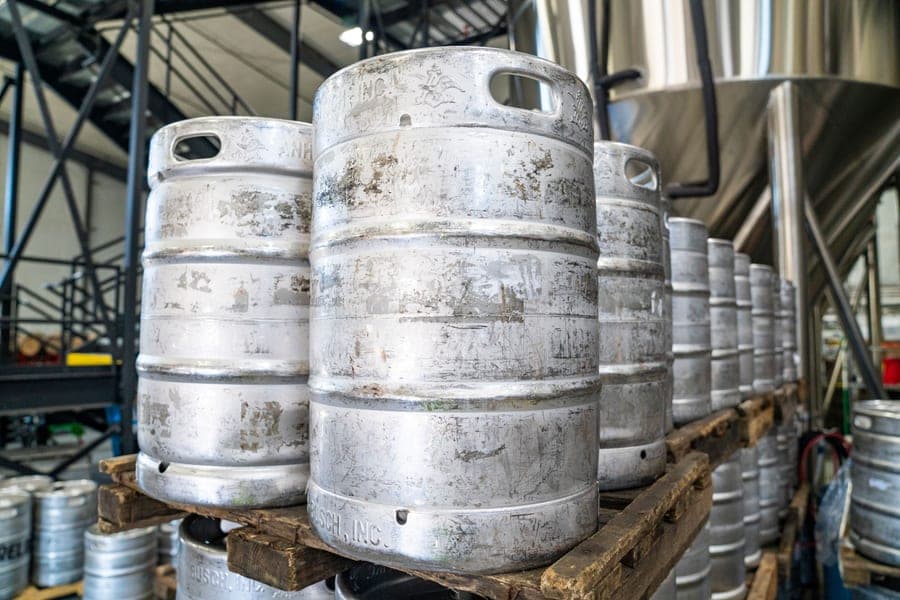 Best upgrade once kegs pile up Mark II Keg and Carboy Washer A submersible pump fires cleaning solution up into an inverted keg or carboy and recirculates it, so the wash happens while you do something else. Hose barbs and a T adapter put tubing through the same cycle. | Brewers running three or more kegs and carboys through a cycle | |
| 5 |  Best for draft lines Beer Line Cleaning Kit Beer lines grow biofilm whether or not the beer tastes fine, and a pressurized bottle or hand pump pushes alkaline line cleaner through the whole path in fifteen to twenty minutes. Faucet and shank brushes are included because that is where the buildup actually lives. | Anyone with a kegerator or keezer in service |
Prices are checked on Amazon when you click. We never print a number we cannot verify.
What each product is for
| PBW | Star San | Saniclean | |
|---|---|---|---|
| Job | Clean | Sanitize | Sanitize |
| Form | Powder | Liquid | Liquid |
| Typical dose | ~1 oz per gal | 1 oz per 5 gal | 1 oz per 3 gal |
| Contact time | 20-30 min soak | 1-2 min | 2-3 min |
| Foam | Moderate | Heavy | Low |
| No-rinse | No | Yes | Yes |
| Pump and line safe | Yes | Foams badly | Yes |
| Safe on soft metals | Yes | Avoid aluminum | Avoid aluminum |
An orange rule marks the better of the two on that row.
The distinction
Cleaning and sanitizing are two different jobs
This is the one thing worth getting right before spending any money. A cleaner removes soil -- dried krausen, beerstone, hop resin, the film inside a hose. A sanitizer reduces the microorganisms living on an already-clean surface to a level that will not outcompete your yeast. Neither does the other job, and a sanitizer applied to a dirty surface is close to useless because the soil physically shields what you are trying to kill.
So the order is fixed: clean, rinse, sanitize, then fill. Every product below slots into one of those steps, and the reason this category looks crowded is that manufacturers sell four variations of each step. You do not need four. You need one good cleaner, one no-rinse sanitizer, and then a specific answer for the two places those two fail -- pumps and draft lines.
Scrubbing is the other thing to avoid, and not because it is unpleasant. A green scouring pad leaves microscopic scratches in plastic and in the passive layer on stainless, and those scratches hold soil that no sanitizer can reach. That is the real argument for buying a chemical that dissolves soil rather than a tool that abrades it off, and it is why a soak-and-walk-away cleaner is worth more to a fermenter than any brush. The same logic drives the choice between stainless and plastic fermenters: scratched plastic gets retired, scratched stainless repassivates.
Criteria
What we judged these on
Cleaning chemicals are hard to review honestly because nobody can see the result. We did not culture plates or run swab tests, so the ranking rests on published manufacturer dose rates and contact times, documented material compatibility, current retail availability, and whether a product solves a problem the cheaper option genuinely cannot. Four things decided the order:
- Dose economy, measured per gallon of solution. This is where the real cost lives, not on the shelf price. A sanitizer mixed at 1 oz per 5 gallons costs under half as much per gallon of working solution as the same-size bottle mixed at 1 oz per 3 gallons. Over a year of brewing, that difference dwarfs the gap between bottle prices.
- Contact time you will actually respect. A one to two minute no-rinse sanitizer gets used correctly. A thirty minute requirement gets cut short, and a sanitizer used for half its contact time is a sanitizer that did not work. Short contact times are a safety feature in a real kitchen.
- Material compatibility, as published. Acid sanitizers are not for aluminum or other soft metals. That matters if you own an aluminum kettle, and the manufacturers state it plainly, so there is no excuse for guessing.
- Whether it fixes a real failure of the cheap option. Low-foam sanitizer and a line cleaning kit both earn their place because high-foam sanitizer in a pump and neglected biofilm in a draft line are specific, predictable problems. A recirculating washer earns its place only by buying back time, and we say so plainly rather than pretending it improves the beer.
We deliberately left out the oxygen-based household cleaners brewers sometimes substitute. They work on light soil, but dose rates are not published for brewing surfaces and several leave a chalky film that needs rinsing off -- which defeats the point. See how we pick for the full method.
The lineup
Where each product earns its place
PBW is the default cleaner because alkaline chemistry dissolves the two soils homebrewing produces -- protein from krausen and the mineral scale brewers call beerstone -- and it is non-caustic, so it will not etch the stainless or craze the PET it is sitting in. Warm water does most of the work. A fermenter filled past the krausen line with warm PBW solution and left for half an hour usually needs nothing afterwards but a rinse.
Star San is the default sanitizer for the dose economy above all else. Mixed at the published rate it works in one to two minutes and needs no rinse, and the mixed solution keeps for weeks if you made it with distilled or low-alkalinity water. The foam is not a defect in a bucket -- the foam is sanitizer, and it drains off. It is only a defect when it is trapped.
Saniclean exists for exactly that trapped case. The same family of chemistry, formulated low-foaming, published at 1 oz per 3 gallons with 2 to 3 minutes of contact. If you recirculate sanitizer through a pump, a plate chiller or a counterflow chiller, foam becomes compressible gas in a line that needs liquid, and the pump cavitates instead of pumping. Running the low-foam version is cheaper than chasing an air lock on brew day. If you have not settled which chiller you are running, the trade-offs are in immersion vs plate vs counterflow.
The washer and the line kit are stage-dependent. Nobody with one fermenter needs a recirculating washer. A brewer with four kegs, two carboys and a stack of tubing to turn around on a Sunday is buying back an hour of standing at a sink, and that is a legitimate purchase at the point it becomes true. The line cleaning kit is not optional in the same way -- if you have a kegerator in service, the lines need cleaning on a schedule whether or not anything tastes wrong, which is covered in full in best beer line cleaning kits.
Dose and contact time
The numbers that make any of this work
Under-dosing is the most common failure, and it comes from eyeballing. Star San at the published 1 oz per 5 gallons is a specific concentration chosen to hit a pH low enough to do the job; half that dose is not half as effective, it may simply be ineffective. Buy a cheap measuring cup, keep it with the chemicals, and stop guessing.
Water chemistry quietly matters too. Acid sanitizers mixed with hard, alkaline tap water go cloudy and lose working life because the alkalinity consumes the acid. Mixed with distilled or reverse-osmosis water the same solution stays clear and usable for weeks in a sealed container. If your mixed sanitizer turns milky within a day, that is your water and not a bad bottle -- discard it and mix the next batch with distilled.
Temperature belongs to the cleaner, not the sanitizer. PBW works noticeably faster warm, in the 120 to 150 F range, and that is the easiest way to shorten a soak. Hot water out of the tap is usually enough. Sanitizer does not want heat -- room temperature is fine, and very hot solution shortens its life.
Routine
A routine that fits a real brew day
- Clean immediately after use, not later. Fresh soil rinses off with water. The same soil dried for three days needs a long alkaline soak. This single habit saves more chemical than any purchase on this page.
- Soak in warm alkaline wash. Fermenter, lid, airlock, hoses, bottling wand, anything that touched wort. Half an hour is plenty for same-day soil.
- Rinse thoroughly. Alkaline residue and acid sanitizer react with each other, which wastes both. Rinse until the water runs clear and the surface no longer feels slick.
- Sanitize last, right before filling. Sanitizing something you then store for a week accomplishes nothing. Mix fresh or use kept solution that is still clear, hit the published contact time, drain, and fill without rinsing.
- Put draft lines on a calendar. Every two weeks of active service, with the faucet taken apart. It is twenty minutes, and it is the difference between a kegerator that pours clean beer in year three and one that does not. The whole setup is covered in the homebrew kegging setup guide.
- Switch to low foam once a pump is in the loop. Circulated acid sanitizer foams, and foam in a pump head means the pump is moving air instead of liquid. This is the one place the low-foam product is not optional -- see best brewing pumps for the cleaning loop it belongs to.
Mistakes
Five ways brewers waste money here
- Buying a sanitizer to do a cleaner's job. No-rinse sanitizer poured into a dirty fermenter is money down the drain. The soil wins.
- Scrubbing plastic. Every scratch is permanent shelter for the next infection. Soak instead, and if a PET fermenter is already scratched inside, retire it to water duty.
- Running high-foam sanitizer through a pump. You will spend brew day priming a pump full of air rather than chilling wort.
- Mixing sanitizer with hard tap water and keeping it. It goes cloudy, loses working life, and you end up blaming the product.
- Buying the gallon jug first. Concentrates have a shelf life once opened and homebrew doses are tiny. A small bottle will outlast the hobby's first year, and powder that cakes is powder you throw away.
How we picked
The basis for these
Dose rates, contact times and material warnings are the manufacturers' published figures, taken from the current retail listings linked below, and availability was confirmed against those live listings at the time of writing. We have not run microbiological tests on any of these products and do not claim to; the ranking reflects published specifications, documented homebrewer practice and the cost arithmetic of dose rate. No prices are printed here -- check the current price yourself before buying.
The picks, in order
Every pick in detail
#1
Best overall cleaner
Entry tier
Five Star PBW Alkaline Brewery Wash
Five Star Chemicals
An alkaline, non-caustic powder that lifts dried krausen and beerstone off stainless, PET and glass without scrubbing, which is the whole point -- a scratched fermenter is a contamination risk forever.
Spec sheet
- Type
- Alkaline, non-caustic powdered wash
- Dose
- ~1 oz per gal for heavy soil
- Temperature
- Works best warm (120-150 F)
- Contact
- 20-30 min soak, or recirculate
- Safe on
- Stainless, PET, glass, silicone
- Not a sanitizer
- Clean first, then sanitize separately
What it is not good at
It is a cleaner, not a sanitizer, and it is not fast: plan on a 20 to 30 minute soak and warm water around 120 to 150 F to get full value. Cold-water soaks work but take longer.
Who it is for
Everything that touches wort or beer, before it is sanitized
#2
Best sanitizer overall
Entry tier
Five Star Star San Sanitizer
Five Star Chemicals
Acid-anionic, no-rinse, one to two minutes of contact at roughly 1 oz per 5 gallons. The dose economy is the real story: a bottle makes an enormous number of gallons of solution, so cost per batch is close to nothing.
Spec sheet
- Type
- Acid-anionic, no-rinse
- Contact time
- 1-2 minutes
- Dilution
- 1 oz per 5 gal
What it is not good at
It foams heavily. In a pump, a counterflow chiller or a draft line that foam becomes an air lock, and the standing advice not to fear the foam is only true in a bucket.
Who it is for
Fermenters, hoses, bottling gear, anything post-boil
#3
Best low-foam sanitizer
Mid tier
Five Star Saniclean Low-Foam Sanitizer
Five Star Chemicals
The same acid-anionic chemistry as Star San without the foam, at 1 oz per 3 gallons and 2 to 3 minutes of contact. If you own a pump, this is the version that should be going through it.
Spec sheet
- Type
- Acid-anionic, no-rinse final rinse
- Dilution
- 1 oz per 3 gallons of water
- Contact time
- 2-3 minutes
- Foam
- Low-foaming -- built for pumps and lines
- Mixed life
- Effective about a week once mixed
- Not for
- Aluminum and other soft metals
What it is not good at
A smaller dose yield than Star San for the same bottle size, so it costs more per gallon of solution. Not for aluminum or other soft metals, and mixed solution is good for roughly a week.
Who it is for
Recirculating through pumps, chillers and draft lines
#4
Best upgrade once kegs pile up
Mid tier
Mark II Keg and Carboy Washer
Mark II
A submersible pump fires cleaning solution up into an inverted keg or carboy and recirculates it, so the wash happens while you do something else. Hose barbs and a T adapter put tubing through the same cycle.
Spec sheet
- Basin
- One-piece high-density polyethylene reservoir
- Pump
- Submersible, 500 gallons per hour
- Method
- Vertical jet nozzle, solution recirculates
- Fits
- Corny kegs, glass and PET carboys, buckets
- Included
- Two tube barbs and a T adapter for hoses
- Use with
- Alkaline wash, line cleaner or sanitizer
What it is not good at
A three-figure purchase to solve a problem a long-handled brush solves for a few dollars -- it buys time and shoulder joints, not better beer. It also wants a sink or drain nearby and will not clean a keg dip tube on its own.
Who it is for
Brewers running three or more kegs and carboys through a cycle
#5
Best for draft lines
Entry tier
Beer Line Cleaning Kit
Mark's Keg Wash / Kegco
Beer lines grow biofilm whether or not the beer tastes fine, and a pressurized bottle or hand pump pushes alkaline line cleaner through the whole path in fifteen to twenty minutes. Faucet and shank brushes are included because that is where the buildup actually lives.
Spec sheet
- Method
- Hand pump or CO2-pressurized bottle
- Cleaner
- Alkaline line cleaner concentrate
- Fittings
- Ball lock disconnect and faucet thread adapters
- Brushes
- Faucet and shank brushes included
- Cycle time
- 15-20 minutes for a two-tap system
- Frequency
- Every two weeks of active service
What it is not good at
It needs doing every couple of weeks of active service, which is the part people quietly skip. The cheapest kits use thin tubing that kinks, and no kit cleans a faucet you never take apart.
Who it is for
Anyone with a kegerator or keezer in service
FAQ
Questions brewers actually ask
Do I need both a cleaner and a sanitizer for homebrewing?
Yes. They do different jobs and neither substitutes for the other. A cleaner dissolves soil such as dried krausen and beerstone; a sanitizer reduces microorganisms on an already-clean surface. A sanitizer applied over soil is largely wasted because the soil shields what you are trying to kill, so the order is always clean, rinse, sanitize, fill.
What is the difference between Star San and Saniclean?
Both are acid-anionic no-rinse sanitizers from Five Star. Star San is mixed at about 1 oz per 5 gallons with one to two minutes of contact and foams heavily. Saniclean is mixed at 1 oz per 3 gallons with two to three minutes of contact and is formulated low-foaming, which is what you want when the solution has to move through a pump, a plate chiller or a draft line.
Why does my Star San solution go cloudy?
Hard, alkaline tap water. The alkalinity in the water consumes the acid, so the solution clouds and loses working life within a day or so. Mixed with distilled or reverse-osmosis water the same solution stays clear and usable for weeks in a sealed container. Cloudy solution should be discarded rather than topped up.
Can I use a scouring pad on my fermenter?
Avoid it. Abrasive pads leave microscopic scratches in plastic and in the passive layer on stainless, and those scratches hold soil that no sanitizer can reach. Soak in warm alkaline wash instead and let the chemistry lift the soil. A PET fermenter that is already scratched inside is best retired from beer duty.
Is a keg and carboy washer worth buying?
Only once the volume justifies it. It recirculates cleaning solution up into an inverted keg or carboy so the wash happens unattended, and it will clean hoses through the included barbs. What it buys is time, not better beer, so it makes sense for a brewer turning around several kegs and carboys at once and makes no sense for someone with a single fermenter.
Sources
- Five Star Saniclean product listing -- dilution, contact time and soft-metal warning (Craft a Brew)
- Five Star Saniclean low-foaming brewery acid anionic final rinse (WebstaurantStore)
- Mark II Keg and Carboy Washer retail listing and availability (Midwest Supplies)
- Mark II Keg and Carboy Washer hands-on review -- basin and pump detail (Homebrew Finds)
Read next
More on brew day gear
Guide
How to Clean a Brew Kettle
Alkaline for protein, acid for scale, and why the valve must come apart.
Roundup
The Best Beer Line Cleaning Kits
What to buy, how often to clean, and what grows if you do not.
Guide
How to Clean a Fermenter
Dump, disassemble, soak, rinse: the fermenter cleaning routine for stainless, PET and glass vessels.
Comparison
Stainless vs Plastic Fermenters
Durability, sanitation and real cost per year, honestly compared.
Comparison
Ball Lock vs Pin Lock Kegs
The two corny keg standards compared on fit, parts supply and what each costs you long term.