Guide
How to Clean a Brew Kettle
Two different deposits need two different chemicals. And flushing the valve is not cleaning the valve.
The short answer
Clean a brew kettle with a warm non-caustic alkaline brewery wash to remove protein and hop residue, and use an acid cleaner periodically to remove beerstone and water scale, which alkaline cleaners will not touch. Always dismantle the valve -- running cleaner through a closed valve does not clean inside it.
DisclosureWe earn a commission on qualifying purchases made through links on this page, at no extra cost to you. It does not change what we recommend or how we rank it -- here is how we pick and here is the full disclosure.
Two deposits
And they need different chemistry
This is the thing most cleaning advice misses. A brew kettle accumulates two chemically different kinds of deposit, and a cleaner that handles one will not touch the other.
- Organic: protein, hop residue, the boil ring. The brown band around the kettle at your boil line, and the film across the bottom. This is protein and polyphenol material, and it comes off with alkaline chemistry -- a non-caustic brewery wash.
- Mineral: beerstone and water scale. A chalky or iridescent gray-white film that builds up slowly and feels gritty. Beerstone is calcium oxalate; water scale is carbonate from hard water. Alkaline cleaners do nothing to either. These need acid.
If you have been cleaning with an alkaline wash for a year and the kettle still feels slightly rough or looks cloudy, you have mineral deposit and you need a different chemical. That matters beyond appearance: beerstone is porous and harbors bacteria that sanitizer cannot reach.
The routine
After every brew day
- Rinse immediately, while everything is still warm. Fresh residue rinses off; dried residue needs scrubbing, and scrubbing is what scratches surfaces.
- Dismantle the fittings. Valve apart, thermometer out, pickup tube off. Not optional -- see below.
- Fill with warm water and alkaline wash at the dose on the label. Hot water works better than cold; the chemistry is temperature-dependent.
- Soak 20 to 30 minutes. Let the chemistry do the work. This is the step people skip in favor of scrubbing, and it is backwards.
- Wipe with a soft cloth or a nylon brush. Stainless tolerates a brush, unlike a PET fermenter. Avoid steel wool, which leaves iron particles that rust.
- Rinse thoroughly, then dry. Water left standing in a kettle leaves spots and, in hard-water areas, scale.
Periodically
The acid descale
Every ten batches or so, or whenever the kettle feels rough or looks cloudy after a normal clean:
- Use an acid brewery cleaner at the label dose -- a phosphoric or similar acid blend sold for the purpose.
- Fill, soak per the instructions, and the mineral film will lift. The change is usually visible.
- Rinse extremely thoroughly. Acid residue in a kettle is not something you want in your next wort.
- Never mix acid and alkaline cleaners. They neutralize each other, at best wasting both and at worst producing heat and gas. Rinse completely between them.
The fittings
Flushing is not cleaning
This is the most-skipped step and the one most likely to cause a problem you will blame on something else.
Running cleaner through a closed ball valve does not clean the inside of the valve body. A ball valve has a cavity around the ball, and that cavity holds wort residue regardless of how much solution you push through the open bore. Over months it becomes a genuine infection reservoir sitting directly in your transfer path.
- Take the valve apart after every brew day. Most three-piece ball valves come apart with two nuts and no tools. Clean the ball, the body and the seats individually.
- Two-piece valves are harder and that is a reason to prefer three-piece when you buy. If you have a two-piece, at minimum cycle it open and closed repeatedly while cleaner is circulating.
- Pull the thermometer and the pickup tube. Both have surfaces you cannot see.
- Inspect gaskets. Perished silicone is a leak waiting to happen and a place soil hides. They are consumables.
This is the practical argument for welded tri-clamp fittings: they come apart with a clamp and genuinely can be cleaned and inspected, where a stamped bulkhead is awkward at best.
What not to do
Four ways to damage a kettle
- Steel wool or a steel brush. Leaves iron particles embedded in the stainless, which then rust and create pitting. Nylon brushes only.
- Chlorine bleach. Chloride ions pit stainless steel, and the damage is permanent. Never use bleach on brewing stainless.
- Caustic on a clad base or silicone. Caustic soda attacks aluminum, and a tri-clad base has an aluminum core. It also degrades silicone gaskets. Non-caustic alkaline washes exist precisely for this.
- Leaving it wet. Standing water leaves spots and, in hard-water areas, builds the scale you will then need acid to remove. Dry it.
What we recommend
The products on this page
The main cleaner
Entry tier
Five Star PBW Alkaline Brewery Wash
Five Star Chemicals
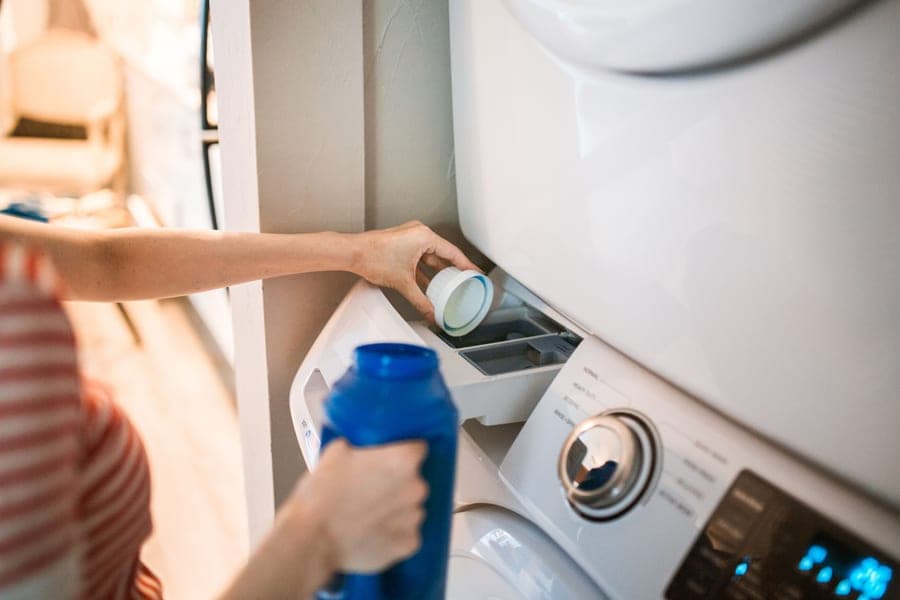
A non-caustic alkaline wash that lifts protein and organic residue without attacking stainless, silicone or a clad base. Works best warm with a 20 to 30 minute soak.
Spec sheet
- Type
- Alkaline, non-caustic powdered wash
- Dose
- ~1 oz per gal for heavy soil
- Temperature
- Works best warm (120-150 F)
- Contact
- 20-30 min soak, or recirculate
- Safe on
- Stainless, PET, glass, silicone
- Not a sanitizer
- Clean first, then sanitize separately
What it is not good at
Alkaline chemistry will not touch mineral scale or beerstone -- that needs an acid. It is a cleaner, not a sanitizer.
Who it is for
Protein, hop residue and the boil ring
The last step
Entry tier
Five Star Star San Sanitizer
Five Star Chemicals
No-rinse acid sanitizer. Mildly acidic, so a sanitizer soak also does a little work against light scale, though it is not a descaler.
Spec sheet
- Type
- Acid-anionic, no-rinse
- Contact time
- 1-2 minutes
- Dilution
- 1 oz per 5 gal
What it is not good at
Does nothing to soil. Clean first -- sanitizer cannot work through a film.
Who it is for
Sanitizing after cleaning, before use
Easier to clean properly
Prosumer tier
Spike Brewing Kettle (10 or 15 Gallon)
Spike Brewing
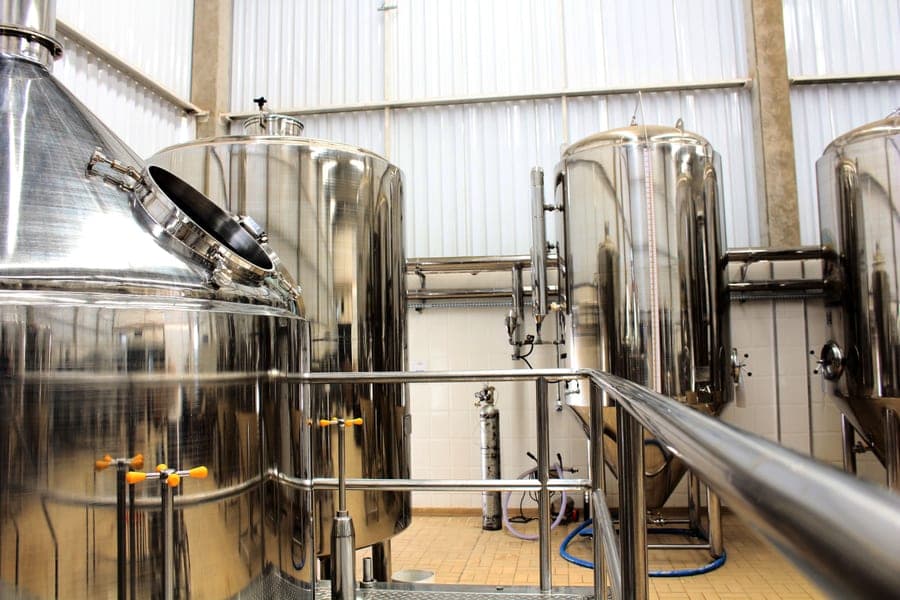
Welded tri-clamp ferrules come apart with a clamp and a gasket, so the fittings genuinely can be cleaned and inspected rather than just flushed.
Spec sheet
- Capacity
- 10 or 15 gal (20 and 30 also sold)
- Fittings
- Welded tri-clamp ferrules
- Base
- Tri-clad for induction and gas
- Markings
- Etched internal volume scale
- Lid
- Vented and hinged options
- Warranty
- Lifetime on the vessel
What it is not good at
A premium over stamped fittings for a benefit that shows over years.
Who it is for
Brewers who want serviceable fittings
FAQ
Questions brewers actually ask
How do you clean a brew kettle?
Rinse immediately after the brew day while everything is warm, dismantle the valve and fittings, then fill with warm water and a non-caustic alkaline brewery wash and soak for twenty to thirty minutes. Wipe with a soft cloth or nylon brush, rinse thoroughly and dry. Add an acid descale every ten batches or so for mineral deposit.
What is beerstone and how do you remove it?
Beerstone is calcium oxalate, a chalky or iridescent film that builds up slowly on brewing stainless and feels gritty. Alkaline cleaners do nothing to it, because it is a mineral deposit rather than an organic one. It needs an acid brewery cleaner. It matters beyond appearance: beerstone is porous and harbors bacteria that sanitizer cannot reach.
Do I need to take the valve apart to clean a brew kettle?
Yes. A ball valve has a cavity around the ball that holds wort residue no matter how much cleaner you push through the open bore, and over months that becomes an infection reservoir sitting directly in your transfer path. Most three-piece valves come apart with two nuts and no tools -- which is a reason to prefer three-piece when buying.
Can I use bleach to clean a brew kettle?
No. Chloride ions pit stainless steel and the damage is permanent, so bleach should never touch brewing stainless. Use a non-caustic alkaline brewery wash for organic soil and an acid cleaner for mineral deposit, and keep bleach entirely away from your brewing equipment.
Can I use caustic cleaner on my brew kettle?
Not if the kettle has a tri-clad base or silicone gaskets. Caustic soda attacks aluminum, and a clad base has an aluminum core sandwiched between stainless layers; it also degrades silicone. Non-caustic alkaline brewery washes exist precisely for this situation and are safe on stainless, PET, silicone and clad bases alike.
Why does my kettle still feel rough after cleaning?
Mineral deposit. An alkaline wash removes protein and hop residue but does nothing to beerstone or water scale, so a kettle cleaned only with alkaline chemistry gradually accumulates a gritty mineral film. Use an acid brewery cleaner, rinse very thoroughly afterwards, and never mix acid and alkaline cleaners in the same soak.
Read next
More on brew day gear
Roundup
The Best Beer Line Cleaning Kits
What to buy, how often to clean, and what grows if you do not.
Roundup
The Best Wort Chillers
Immersion, counterflow and plate chillers compared on the trades that matter.
Guide
All-Grain Brewing Equipment List
The full list in three tiers, with the sizes that matter and the things to skip.
Roundup
The Best Grain Mills for Homebrewing
Grain mills compared on rollers, gap adjustment and build quality.