Comparison
Immersion vs Plate vs Counterflow Chiller
The trade is efficiency against the ability to see what you are cleaning. For most homebrewers that settles it.
The short answer
Buy an immersion chiller unless you brew 10 gallon batches: it needs no pump, cannot clog, and you can see every surface you clean. Counterflow is the best upgrade for larger batches. A plate chiller is fastest and smallest but will block solid on hoppy beer without a filter upstream.
DisclosureWe earn a commission on qualifying purchases made through links on this page, at no extra cost to you. It does not change what we recommend or how we rank it -- here is how we pick and here is the full disclosure.
The three types, side by side
| Immersion | Counterflow | Plate | |
|---|---|---|---|
| How it works | Coil in the kettle, water inside | Tube in tube, wort inside | Brazed plates, wort inside |
| Pump required | No | Yes | Yes |
| Chill time, 5 gal | 20-30 min | Single pass | Single pass |
| Chill time, 10 gal | 40-60 min | Single pass | Single pass |
| Water use | Highest | Lower | Lowest |
| Clog risk | None | Moderate | High |
| Hop filter needed | No | Recommended | Effectively required |
| Cleaning | Exterior, visible | Recirculate, unseen | Backflush, unseen |
| Storage footprint | Bulky coil | Bulky | Smallest |
| Cold break left in kettle | Yes, settles out | Goes to fermenter | Goes to fermenter |
| Cost | Lowest | Mid | Mid |
An orange rule marks the better of the two on that row.
The structural difference
Which side of the wall the wort is on
Everything else follows from one fact. In an immersion chiller the water is inside the tubing and the wort is outside it. In both of the others the wort is inside a narrow channel and the water is outside.
That is why an immersion coil cannot clog -- there is nothing for hop debris to get into -- and why you can clean it by looking at it and wiping it. A plate chiller has a dozen narrow internal channels that you cannot see, cannot brush and cannot inspect. You recirculate hot caustic through it, rinse, and hope.
For a hobby where an infection costs you a whole batch, the ability to verify that a surface is clean has real value, and it is why the cheapest option here is also the one we recommend to most brewers.
The efficiency difference
And why it only matters at scale
Counterflow and plate chillers chill wort as it flows, so chilling time depends on flow rate rather than batch volume. Pump hot wort in and pitching-temperature wort comes out, straight into the fermenter. Double the batch and the time barely changes.
An immersion coil chills a kettleful in place, and the rate depends on the coil’s surface area and the temperature difference. Neither improves when you double the volume, so a 25 ft coil that handles 5 gallons in 25 minutes takes roughly twice as long on 10.
So the efficiency advantage is real and it is scale-dependent. At 5 gallons, twenty-five minutes with a coil is perfectly acceptable. At 10 gallons, an hour of chilling is where brewers start looking at the alternatives -- see best 10 gallon brewing systems, which makes the same point about element power.
The clog problem
What actually happens, and the fix
Eight ounces of pellet hops breaks down into a slurry of fine vegetal matter. Pumped into a plate chiller, that material packs into the narrow channels between the plates and stays there. A badly blocked plate chiller is very difficult to recover -- you cannot reach the blockage, and backflushing frequently just compacts it further.
The fix is to never let it in. Contain pellet hops in a 300 micron hop spider or a mesh bag, and use a kettle screen or filter on the pump pickup. The cost is a small reduction in hop utilization, which is a genuine trade rather than a free lunch -- hop spider vs bag weighs it honestly.
The upgrade that beats all three
Pre-chill your supply water
A chiller can only ever approach the temperature of its coolant. In summer, tap water at 75°F cannot produce 68°F wort regardless of which chiller you own or how long you run it -- and brewers spend real money upgrading chillers to solve a problem the chiller is not causing.
The fix costs a bag of ice: a second coil sitting in a bucket of ice water, plumbed in front of your main chiller so the supply water arrives near freezing. It is the single most effective chilling improvement available, and it works with all three types.
Our verdict
Which one should you buy?
Buy immersion if
Stainless Immersion Wort Chiller 25 ft
- You brew 5 to 6 gallon batches
- You do not have a pump
- You want to see every surface you clean
- Cold break settling in the kettle appeals
Buy counterflow if
Counterflow Wort Chiller
- You brew 10 gallon batches
- You already pump wort
- You want single-pass chilling without plate-chiller clog risk
Buy a plate chiller if
Brazed Plate Wort Chiller (20-30 plate)
- You filter hops rigorously, every batch
- Storage space is genuinely tight
- Lowest water use matters to you
What we recommend
The products on this page
Best for most brewers
Entry tier
Stainless Immersion Wort Chiller 25 ft
NY Brew Supply / Coldbreak
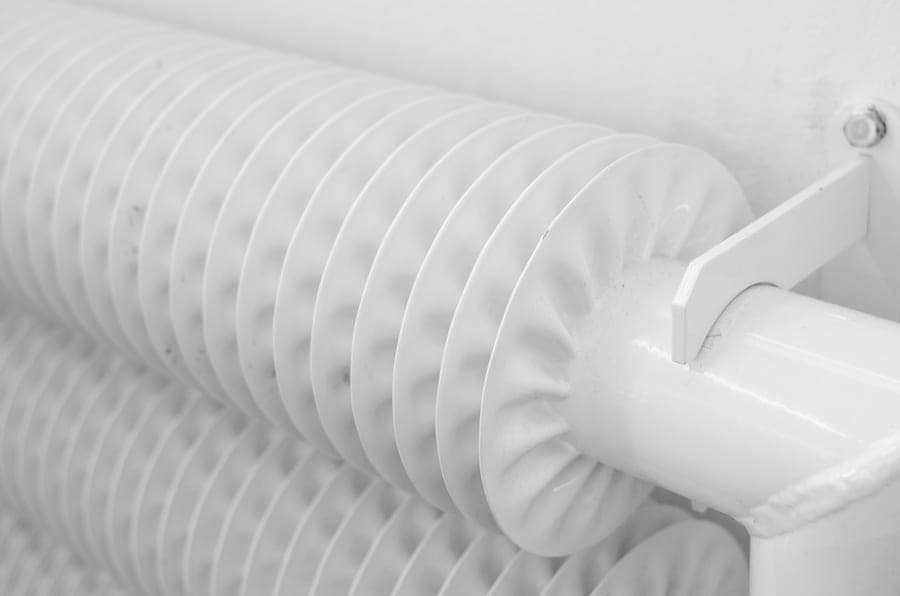
Water inside, wort outside, so there is nothing to clog and nothing hidden when you clean. Twenty to thirty minutes on a 5 gallon batch with cold supply water.
Spec sheet
- Length
- 25 ft (50 ft available)
- Tubing
- 1/2 in OD
- Material
- 304 stainless or copper
- Batch size
- 5-10 gal
- Cleaning
- Exterior only -- easiest of the three types
- Clog risk
- None (water inside, wort outside)
What it is not good at
High water use, and chilling time roughly doubles at 10 gallons because the coil's surface area does not scale with batch volume.
Who it is for
5 gallon batches, and anyone without a pump
Best upgrade for bigger batches
Mid tier
Counterflow Wort Chiller
Coldbreak / Blichmann
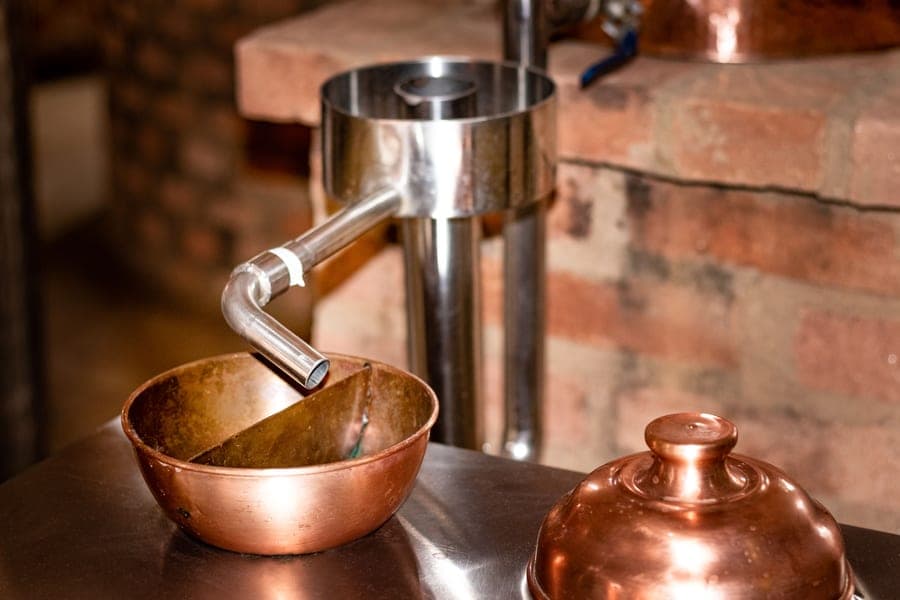
Tube-in-tube counter-current flow chills in a single pass as you transfer, so time depends on flow rate rather than volume. Wider channel than a plate chiller, so more forgiving of hop debris.
Spec sheet
- Type
- Tube-in-tube counterflow
- Flow
- Single pass, kettle to fermenter
- Water use
- Lower than immersion for the same drop
- Clog risk
- Moderate -- wider channel than a plate chiller
- Cleaning
- Recirculate hot caustic, then rinse and sanitize
- Size
- Bulkier than a plate chiller, tidier than a coil
What it is not good at
Needs a pump, is bulky to store, and cleaning means recirculating caustic through a channel you cannot inspect.
Who it is for
10 gallon batches with a pump already in the setup
Fastest and smallest
Mid tier
Brazed Plate Wort Chiller (20-30 plate)
Duda / Blichmann
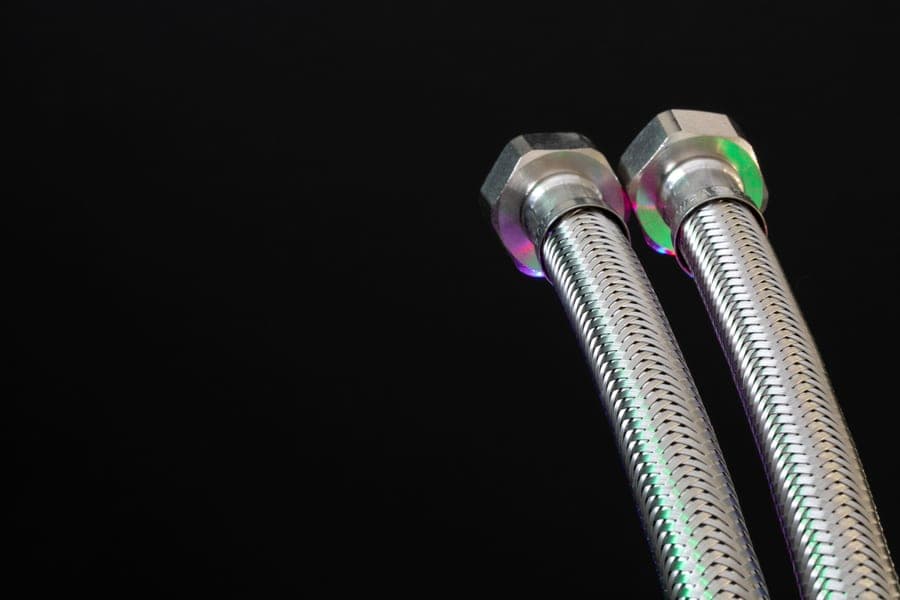
A 20 to 30 plate brazed exchanger is the most efficient per gallon of coolant and by far the smallest to store.
Spec sheet
- Type
- Brazed plate heat exchanger, 20-30 plates
- Flow
- Counter-current, single pass
- Footprint
- Smallest of the three chiller types
- Speed
- Fastest per gallon of coolant
- Clog risk
- High -- requires a hop filter upstream
- Cleaning
- Backflush and recirculate; cannot be inspected
What it is not good at
Highest clog risk of the three and effectively requires a hop filter. You cannot see inside, so cleaning is an act of faith.
Who it is for
Brewers who filter hops rigorously and are short of storage
Mandatory with a plate chiller
Entry tier
Stainless Hop Spider (300 Micron)
Various
A 300 micron basket keeps pellet debris out of the pump and the chiller. The small utilization loss is the cost of a chiller that still works next month.
Spec sheet
- Mesh
- 300 micron stainless screen
- Mount
- Rim-hung; fits most 5-15 gal kettles
- Capacity
- Roughly 8-10 oz of pellets
- Benefit
- Keeps pellet debris out of the pump and chiller
- Trade-off
- Restricts hop movement -- see the utilization note
- Cleaning
- No absorbent fabric; rinses clean
What it is not good at
Restricts hop movement, which slightly reduces extraction. Unnecessary with an immersion coil.
Who it is for
Any setup pumping wort through a narrow channel
FAQ
Questions brewers actually ask
Is a plate chiller better than an immersion chiller?
It is faster, smaller and uses less water, and it is also the one most likely to clog and the one you cannot inspect after cleaning. For 5 gallon batches an immersion coil chills in twenty to thirty minutes with no pump and no clog risk, which is why it remains the better choice for most homebrewers. Plate chillers earn their place at larger volumes with rigorous hop filtering.
Do I need a pump for a counterflow chiller?
Yes. Counterflow and plate chillers both require wort to be pumped through them, because they chill it in a single pass during transfer rather than cooling a kettleful in place. Only an immersion chiller works without a pump, which is part of why it is the default for simpler setups.
How do you clean a plate chiller?
Recirculate hot caustic cleaner through it immediately after the brew day, then backflush with clean water and follow with sanitizer before next use. The difficulty is that you cannot see or brush the internal channels, so you are trusting the cleaning cycle worked. Clean it the same day rather than the next morning -- dried hop residue inside a plate chiller is extremely difficult to shift.
Why does my immersion chiller stop working in summer?
Because your tap water is too warm. A chiller can only approach the temperature of its coolant, so 75 degree supply water cannot produce 68 degree wort however long you run it. Add a pre-chiller: a second coil in a bucket of ice water plumbed ahead of the main chiller, which drops the supply water close to freezing for the cost of a bag of ice.
Does cold break end up in the fermenter with a plate chiller?
Largely yes. An immersion chiller cools the wort in the kettle so cold break precipitates and settles out before you transfer, and you leave it behind. Inline chillers cool during transfer, so cold break forms on its way to the fermenter. Brewers who care about clarity whirlpool and settle before transferring through an inline chiller for exactly this reason.
Read next
More on temperature control
Roundup
The Best Wort Chillers
Immersion, counterflow and plate chillers compared on the trades that matter.
Comparison
Hop Spider vs Hop Bag
Spider against bags against free-floating, on utilization and practicality.
Roundup
The Best 10 Gallon Brewing Systems
Ten gallon systems, and why element power matters more than vessel size.
Guide
How to Clean a Brew Kettle
Alkaline for protein, acid for scale, and why the valve must come apart.
Roundup
The Best Glycol Chillers for Homebrewing
Glycol chillers sized for homebrewing, and when a freezer is the better buy.