Guide
How to Clean a Kegerator
Three separate jobs on three different schedules. Most off flavours in a home draft system come from the one people skip.
The short answer
Clean the beer lines with a caustic line cleaner every two weeks to a month, strip and soak the faucet every time you change a keg, and wash the drip tray, drain and cabinet interior monthly. Rinse thoroughly and sanitize before the next keg goes on.

DisclosureWe earn a commission on qualifying purchases made through links on this page, at no extra cost to you. It does not change what we recommend or how we rank it -- here is how we pick and here is the full disclosure.
Three jobs
Lines, faucets and the cabinet are separate problems
People say “clean the kegerator” as though it is one task. It is three, with different intervals, different chemicals and different consequences for skipping them. Beer lines grow biofilm. Faucets collect dried beer in places you cannot see. The cabinet grows mould around the drip tray and the drain, and that is the one that goes unexamined longest.
If your beer has developed a sour, buttery or generally stale note that the keg itself does not explain, the draft system is the usual culprit. Beer picks up everything living in the line on the way to the glass, and no amount of careful brewing survives a neglected three feet of vinyl.
Lines
Caustic every few weeks, and why water is not cleaning
Beer line cleaning uses an alkaline cleaner -- a caustic beer line cleaner or an alkaline brewery wash -- circulated or pushed through the line to dissolve the protein, hop resin and beer stone that accumulate on the inside wall. Water alone removes almost none of it, and a rinse between kegs is not a clean.
- Disconnect and depressurise. Take the keg off, release pressure, and pull the liquid disconnect.
- Push cleaner through. Fill the cleaning bottle or pump with solution mixed to the label’s strength and run it through the line, faucet and disconnect in the direction beer normally flows.
- Let it dwell. Leave the solution in the line for the contact time the product specifies. Chemistry needs time; pushing it straight through achieves little.
- Rinse thoroughly. Clean water until there is no trace of cleaner. Caustic residue in a beer line is worse than the soil it removed.
- Sanitize before the next keg. No-rinse acid sanitizer through the same path.
Every two weeks to a month is the practical home interval, and every keg change is the easy habit to attach it to. Lines that have gone months without cleaning may not recover -- vinyl line is cheap, and replacing it is sometimes the faster answer than fighting it. The line cleaning kit roundup covers the hardware.
Faucets
Strip it, do not just flush it
A faucet has internal surfaces that line cleaning solution flows past rather than scrubs. Dried beer collects behind the lever mechanism and in the spout, and on a rear-sealing faucet it also collects in the shaft where beer sits between pours. That is where the sour smell in a neglected tap comes from.
Take the faucet off the shank, disassemble it, and soak the parts in cleaning solution. Use a faucet brush on the body and the spout, pay attention to the lever seat, rinse everything thoroughly and sanitize before reassembly. Every keg change is the right interval; monthly at the absolute minimum.
This is also where faucet design pays off. A forward-sealing faucet keeps beer out of the shaft entirely, so there is simply less inside it to go wrong between cleanings -- one of the reasons they dominate our beer faucet roundup.
The cabinet
The drip tray, the drain and the cold air
The drip tray catches beer and holds it in a warm-ish puddle at the top of the cabinet. If it drains, the drain line needs flushing too, because the inside of that tube is a biofilm farm nobody looks at. If it does not drain, empty and wash it after every session rather than letting it evaporate.
Inside the cabinet, wipe down the walls, the floor and the shelf monthly with a mild cleaner, dry it, and check the door gasket for spills and mould. Pull out the keg and look underneath -- spilled beer collects under the keg and freezes there, which is both unhygienic and a convincing explanation for a smell you cannot locate.
While you are in there, check the temperature. A cabinet running warmer than intended foams on every pour and encourages everything you have just cleaned to come back faster -- kegerator temperature settings covers where it should sit. And if pours are foamy on a clean, cold system, the problem is balance rather than hygiene: beer line length is the next place to look.
What we recommend
The products on this page
Entry tier
Beer Line Cleaning Kit
Mark's Keg Wash / Kegco
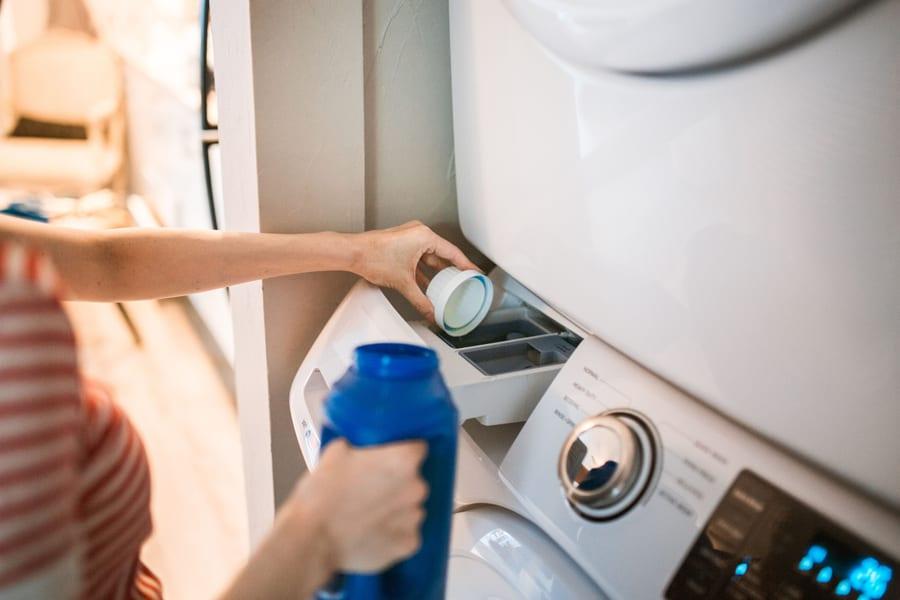
A pump or pressurised bottle that drives cleaning solution through the line, faucet and disconnect in the direction the beer travels. Doing this properly is the difference between a system that tastes like beer and one that tastes like the last four kegs.
Spec sheet
- Method
- Hand pump or CO2-pressurized bottle
- Cleaner
- Alkaline line cleaner concentrate
- Fittings
- Ball lock disconnect and faucet thread adapters
- Brushes
- Faucet and shank brushes included
- Cycle time
- 15-20 minutes for a two-tap system
- Frequency
- Every two weeks of active service
Who it is for
Pushing cleaner through the lines without dismantling anything
Entry tier
Five Star PBW Alkaline Brewery Wash
Five Star Chemicals
An alkaline brewery wash lifts the protein and hop residue that builds inside beer lines and faucet bodies. This is cleaning, not sanitizing -- the two steps are separate and both are required.
Spec sheet
- Type
- Alkaline, non-caustic powdered wash
- Dose
- ~1 oz per gal for heavy soil
- Temperature
- Works best warm (120-150 F)
- Contact
- 20-30 min soak, or recirculate
- Safe on
- Stainless, PET, glass, silicone
- Not a sanitizer
- Clean first, then sanitize separately
Who it is for
The alkaline wash that removes beer stone and protein
Entry tier
Five Star Star San Sanitizer
Five Star Chemicals
No-rinse acid sanitizer on clean surfaces before the next keg goes on. Sanitizer on a dirty line does nothing useful, which is why it is always the last step rather than the only one.
Spec sheet
- Type
- Acid-anionic, no-rinse
- Contact time
- 1-2 minutes
- Dilution
- 1 oz per 5 gal
Who it is for
The sanitizing step after the rinse
Mid tier
Intertap Stainless Forward-Sealing Faucet
Intertap
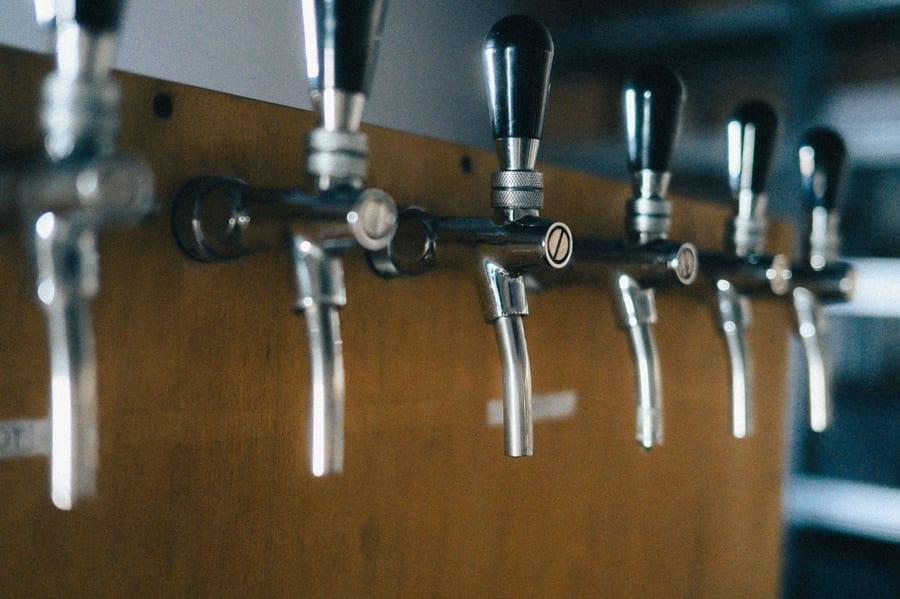
A forward-sealing faucet keeps beer out of the shaft where it would otherwise dry and grow things between pours, and it disassembles without special tools. The easier a faucet is to strip, the more often it actually gets stripped.
Spec sheet
- Seal type
- Forward sealing
- Material
- 304 stainless
- Spout
- Interchangeable (stout, growler)
Who it is for
A faucet that comes apart quickly enough to be cleaned often
FAQ
Questions brewers actually ask
How often should you clean kegerator beer lines?
Every two weeks to a month for a home system, and attaching it to each keg change is the easiest way to remember. Lines left for months build biofilm and beer stone that may not clean out, at which point replacing the vinyl line is cheaper than fighting it.
What do you clean beer lines with?
An alkaline beer line cleaner or brewery wash, which dissolves the protein, hop resin and beer stone on the inside of the line. Rinse thoroughly with clean water afterwards, then sanitize with a no-rinse acid sanitizer before the next keg goes on.
Can you clean a kegerator with just water?
No. Water rinses loose beer out of a line but removes almost none of the biofilm and protein bonded to the wall. That residue is what makes beer taste sour or stale on the way to the glass, and it needs an alkaline cleaner with dwell time to shift.
How do you clean a kegerator faucet?
Take it off the shank, disassemble it, soak the parts in cleaning solution and brush the body, spout and lever seat. Rinse thoroughly and sanitize before reassembling. Do this at every keg change -- flushing cleaner through an assembled faucet misses the surfaces that collect dried beer.
Why does my kegerator beer taste off even with a fresh keg?
Usually the lines or the faucet. Beer picks up whatever is living in the line on its way to the glass, so a neglected system makes every keg taste the same kind of wrong. Clean the lines and strip the faucet before suspecting the beer.
Do you need to sanitize beer lines after cleaning them?
Yes, as a separate final step. Clean with the alkaline product, rinse until no residue remains, then push no-rinse acid sanitizer through before connecting the next keg. Sanitizer applied to a dirty line does essentially nothing.
Sources
Read next
More on kegging
Roundup
The Best Beer Line Cleaning Kits
What to buy, how often to clean, and what grows if you do not.
Guide
How to Clean a Keg
The full corny keg teardown, soak and sanitize routine, including the parts people never remove.
Guide
What Temperature Should a Kegerator Be?
The 38 F setting, the pressure it pairs with, and why the first pour foams.
Roundup
The Best Beer Faucets
Beer faucets ranked on seal type, material, flow control and spout options.
Roundup
The Best Kegerators for Homebrew
Kegerators compared on corny capacity, internal height and temperature range.
Roundup
The Best Homebrew Keg Systems
What a kegging kit includes, what it omits, and the complete cost.